Author: Mythcore Investigations

  • The Exile of the Heart — Spiritual loneliness after misjudgment

    The Exile of the Heart — Spiritual loneliness after misjudgment

    The Exile of the Heart — Spiritual Loneliness After Misjudgment

    The Exile of the Heart — Spiritual Loneliness After Misjudgment

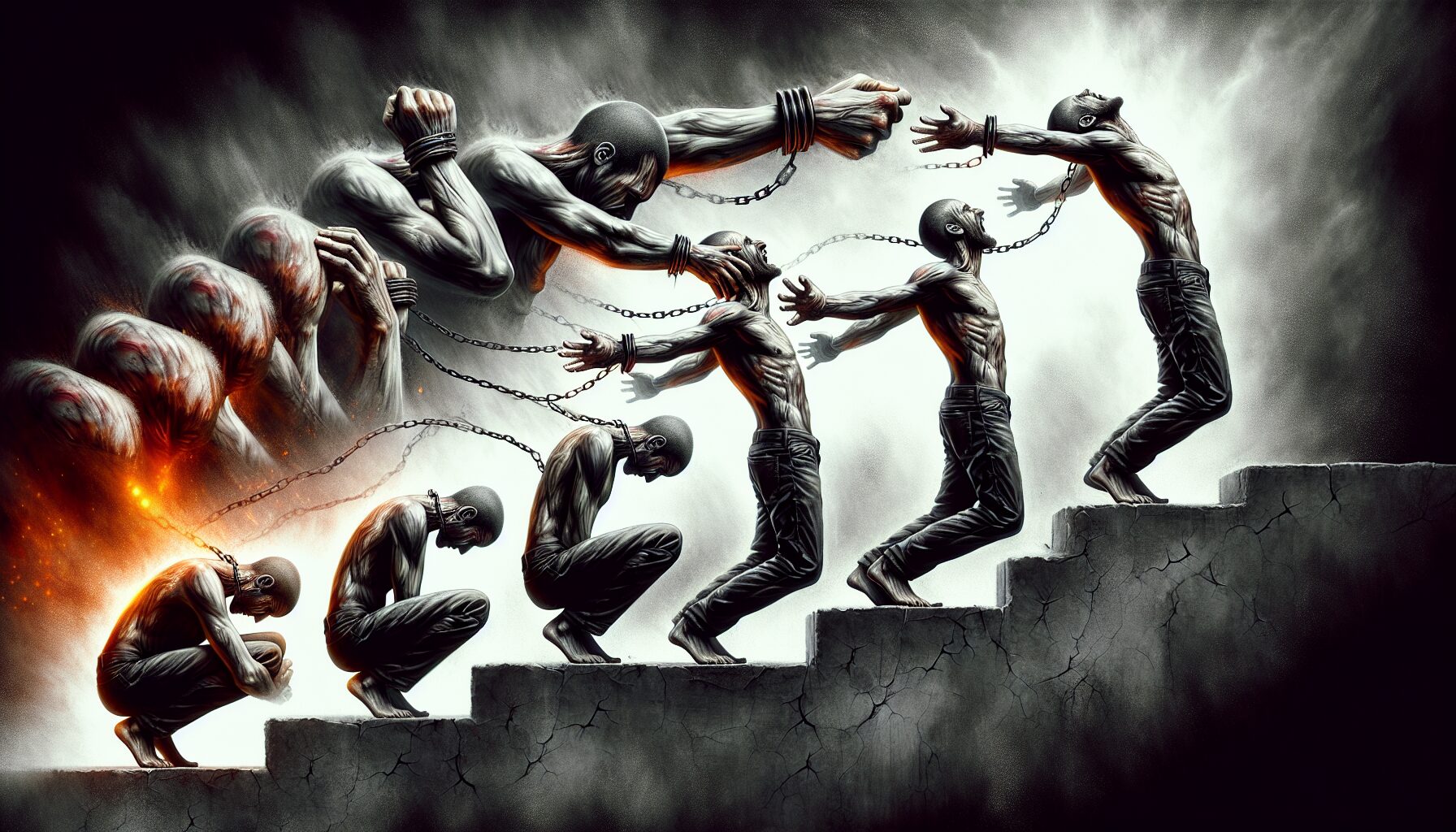
    In the vast landscape of human emotions, few experiences are as isolating as the spiritual loneliness that follows a grave misjudgment. This phenomenon, often termed the exile of the heart, arises when an individual’s sense of self is disrupted by a lapse in moral or ethical judgment.

    Such an exile is not merely metaphorical; it manifests in a profound sense of alienation both from oneself and one’s community. Philosopher Søren Kierkegaard once wrote,

    “Life can only be understood backwards; but it must be lived forwards.”

    This sentiment reflects the hindsight comprehension that often accompanies spiritual misjudgments—a realization that one must now navigate their path anew, often bereft of the validation and warmth they once knew.

    The Roots of Misjudgment

    The causes of spiritual misstep are as varied as they are human. Ego, a lack of self-awareness, or even societal pressure can cloud judgment. When these internal or external influences lead one to act contrary to their values, the resulting disconnect spirals into an inner solitude that challenges the spirit.

    • Ego: The belief in one’s infallibility can obscure reality, leading to choices that isolate.
    • Lack of Self-Awareness: Without introspection, one cannot foresee the repercussions of actions that betray one’s moral compass.
    • Societal Pressure: Conformity can squeeze moral judgment, leading to decisions that favor acceptance over authenticity.

    Moving Beyond Isolation

    The path to overcoming this spiritual solitude involves a delicate balance of forgiveness and introspection. According to Hannah Arendt, forgiveness is an essential component for moving forward.

    “Forgiving, in many ways, is the ability to act anew, without being constrained by the past,”

    she notes, emphasizing the role of forgiveness in breaking free from the chains of past misjudgment.

    Introspection is equally critical. Through examining one’s actions and motivations, individuals can rebuild their inner landscape, realigning with values that hold true meaning. This reconstruction not only nurtures personal growth but also rekindles connections with others.

    While spiritual loneliness after misjudgment may seem an insurmountable exile, it can also serve as fertile ground for growth and self-discovery. The challenge lies in embracing the lessons of solitude and emerging with renewed clarity and purpose.

  • Between Scripture and Shadow — How light becomes filtered by fear

    Between Scripture and Shadow — How light becomes filtered by fear

    Between Scripture and Shadow — How Light Becomes Filtered by Fear

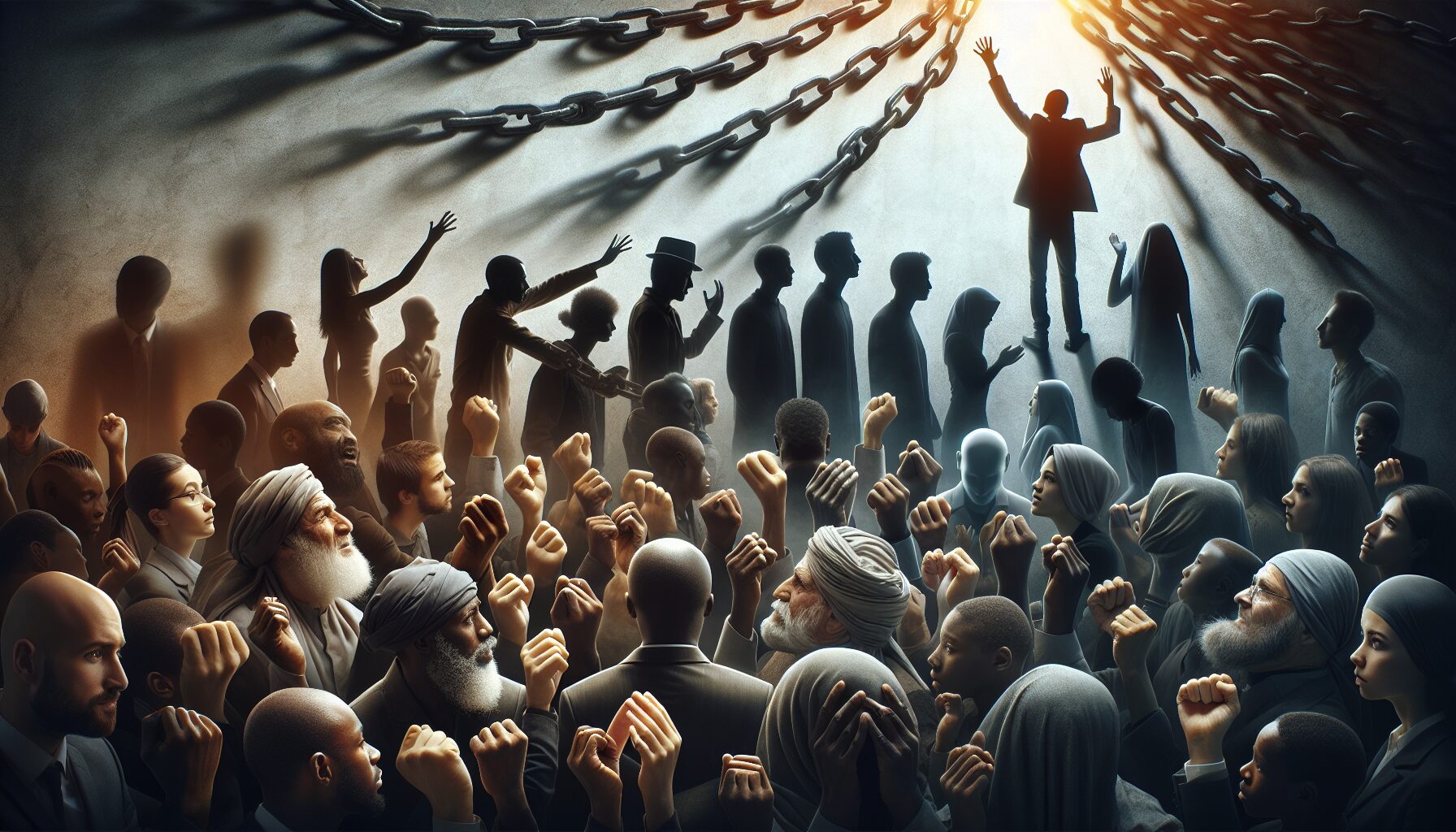
    The interplay between light and shadow is not solely a phenomenon in the natural world; it is an apt metaphor for the human experience of interpreting knowledge and belief. In the realm of religion and philosophy, light symbolizes truth and understanding, while shadow often represents the obfuscation of those very ideals by fear. The way individuals and societies navigate this interplay can determine their cultural, spiritual, and individual trajectories.

    The Beacon of Scripture

    Scripture in various religious traditions is often regarded as the light—a guiding principle meant to illuminate the path of humankind. The Bible, the Quran, the Bhagavad Gita, and other sacred texts provide moral and ethical guidance intended to lead followers towards a higher understanding and spiritual fulfillment. These texts shine light on fundamental aspects of human existence, promoting principles such as love, justice, and humility.

    “Your word is a lamp for my feet, a light on my path.” — Bible, Psalm 119:105

    This verse from the Book of Psalms encapsulates how scripture is perceived as a source of clarity and direction. However, while scriptures are invaluable resources, their interpretation is often susceptible to human biases and insecurities. When fear enters the equation, these biases can distort the light of scripture, casting shadows and leading to misinterpretation and dogma.

    Fear as a Filtering Mechanism

    Fear, both personal and societal, acts as a filter that can distort the message of any scripture. This fear may stem from the unknown, from change, or from threats to established norms and customs. When fear dictates the interpretation of scripture, it often leads to rigid dogmas and practices that prioritize control over compassion, driving a wedge between the foundational principles of the text and the reality of its practice.

    Historically, fear has led to the imposition of strict orthodoxies, where questioning or deviating from prescribed interpretations could result in exile or punishment. The infamous Spanish Inquisition, for example, was rooted in the fear of heretical influence undermining the Catholic Church’s power, illustrating how fear can lead to suppression rather than enlightenment.

    • Religious Dogmatism: When faith becomes inflexible, fear of the “other” can prevent individuals from engaging with different perspectives.
    • Cultural Conservatism: Societies may resist change due to a deep-seated fear of losing traditional values and identity.

    The Shadow of Fear in Practice

    The effects of fear are not limited to historical events; they pervade contemporary society. Consider debates on issues such as gender equality, LGBTQ+ rights, and religious freedom. In many cases, fear of divergence from traditional scriptural interpretation fuels resistance against these movements.

    “It is fear that brings the shadow; faith casts the light that disperses it.” — Unknown

    The challenge lies in confronting fear with faith—faith not just in religious contexts but in human capacity for empathy and reason. To move beyond the shadow, societies must encourage open dialogue and embrace multifaceted interpretations of scripture that resonate with contemporary values.

    Illuminating the Path Forward

    To foster an environment where light can shine brightly through fear-filtered shadows, several steps can be taken:

    • Encouraging Interfaith Dialogue: By fostering conversations among diverse religious groups, individuals can gain deeper insights and appreciation for various scriptural interpretations.
    • Promoting Education: Education should focus on critical thinking and interpretation, equipping individuals to explore scripture not just as texts of commandments, but as living documents open for contemporary examination.
    • Embracing Innovation: Societal norms and religious interpretations can and should evolve as understanding and context change.

    The essence of scripture transcends fear and shadows when embraced with an open heart and mind. By acknowledging and confronting our fears, we allow the true light of knowledge and divine wisdom to emerge, offering a path not of shadow but of clarity and peace.

  • The Interpreter’s Dilemma — Owning the pain one’s words create

    The Interpreter’s Dilemma — Owning the pain one’s words create

    In an ever-connected world teeming with diverse languages and cultures, interpreters serve as the glue binding disparate communities together. Yet, for these linguistic mediators, translating words transcends mere communication; it involves navigating the minefield of emotions and cultural nuances embedded in every utterance. This is where the interpreter’s dilemma unfolds—a quandary that examines the responsibility an interpreter holds over the pain their words might create.

    The Interpreter’s Role in Bridging Worlds

    Interpreters are not just translators; they are cultural liaisons. When performing their duties, they must gauge not only the accuracy of the language they are translating but also interpret and communicate the emotional tone and cultural context of those words. In doing so, they attempt to remain neutral, a difficult feat in situations charged with tension and high stakes.

    As Virginia Valian discusses in her work on bilingualism, “Interpreters face a dual responsibility: to accurately convey the speaker’s message while simultaneously managing the emotions it might evoke.” The inherent challenge lies in balancing fidelity to the speaker’s intent with sensitivity to the listener’s potential reaction.

    The Consequence of Words

    Each word an interpreter chooses can hold the power to heal or to harm. In contexts such as legal or medical interpretations, the stakes are particularly high. A misplaced word or phrase can lead to dire consequences, affecting the outcomes of court cases or the understanding of medical diagnoses.

    “To interpret is to filter reality through language,” says Neil Munro, a renowned linguist. “Understanding the impact of that filtered reality on real lives is a monumental responsibility.”

    For example, in legal settings, interpreters might wrestle with how specific terms or phrases might be perceived across cultural lines. The linguistic precision required in justice matters can significantly affect courtroom outcomes and the fairness of judicial processes.

    Managing Emotional and Ethical Weight

    Interpreters often find themselves under emotional and ethical strain. As they relay sensitive information, they might witness the distress or comfort their words awaken, carrying the emotional weight of their delivery beyond their linguistic obligations.

    Emotional management becomes crucial. Interpreters need to adopt a certain level of stoicism, all the while acknowledging their human reaction to the situations they witness.

    How do interpreters cope? Training and professional development often include strategies for dealing with these challenges. Role-play scenarios, stress-management workshops, and peer-support networks are frequent in interpreter programs, helping professionals prepare for real-world complexities.

    Case Studies Highlighting the Dilemma

    • Medical Interpretations: An interpreter was tasked with delivering a cancer diagnosis to a non-English speaking patient. The tremor in her voice was unclear whether it was because of the complexity of medical terminology or her empathy for the patient’s situation. The situation required more than protocol; it required compassion intertwined with professionalism.
    • Asylum Interviews: In asylum interviews, interpreters frequently handle stories of trauma and persecution. An interpreter must convey the gravity of these narratives, capturing an applicant’s desperation without editing their emotional truth.
    • Courtroom Testimonies: A misinterpreted phrase in a courtroom can mean the difference between guilt and innocence. Interpreters must often navigate doubly challenging technical language while considering the immediate implications for litigants.

    Taking Ownership and Moving Forward

    Owning the pain their words might create requires interpreters to possess more than linguistic proficiency; it demands ethical introspection and emotional resilience. Continuous discussion and awareness-raising on the issue—as through seminars and literature—are vital in equipping interpreters to handle such complexities with grace and responsibility.

    The global landscape continually evolves, and interpreters sit at the juncture of cultural exchange. The necessity of maintaining integrity while understanding the profound impact their words wield stands as a critical, ongoing challenge. As author and scholar bell hooks once noted, “Language is also a place of struggle.” These linguistic custodians face that struggle head-on, seeking to bridge the gap across human experience without diminishing each word’s inherent dignity.

    Ultimately, interpreters must embrace their vital role, fostering communication in its truest form—endeavoring to translate, not only words, but the heart of human connection.

  • Judgment in the Temple — The ritual of exclusion repeated

    Judgment in the Temple — The ritual of exclusion repeated

    Judgment in the Temple — The Ritual of Exclusion Repeated

    Judgment in the Temple — The Ritual of Exclusion Repeated

    In a cosmos where conflict between species is rare, the ritual known as the “Judgment in the Temple” stands as a poignant reminder of ancient prejudices. This ceremonial practice, carried out by the enigmatic Zilnari—a species celebrated for their wisdom and long-standing peace treaties—serves as an echo of humanity’s historical proclivity for exclusion.

    The Origins of Exclusion

    The Zilnari trace the roots of the “Judgment in the Temple” back thousands of cycles. As chronicled in ancient texts, the rite was initially a singling out of those deemed unworthy to partake in communal life—a stark procedure aimed at maintaining societal purity. As the Zilnari believed, “In the separation of the chaff, the grains of excellence are revealed.”

    The Ritual Unveiled

    Today’s iteration of the rite, though far gentler, still carries the weight of judgment. Held within the celestial halls of the Temple Nkar-Imal, Zilnari elders preside over a congregation of diverse species, vetting new arrivals who wish to integrate into their society. Each participant undergoes a series of challenges designed to assess their harmony with Zilnari values.

    • The Test of Silence: Challengers must navigate complete silence, reflecting on inner peace and the absence of personal disorder.
    • The Trial of Unity: Here, the individual must demonstrate their capacity to contribute positively to a collective effort.

    “Though the days of harsh exclusion are past, the essence of discernment nurtures a prosperous future.”

    As the Temple Master puts it, “Though the days of harsh exclusion are past, the essence of discernment nurtures a prosperous future.”

    The Echoes of Historical Exclusion

    While the “Judgment in the Temple” might appear obsolete, it mirrors humanity’s own historical barriers—restrictive immigration policies, societal segregation, and the frequent othering of those perceived as outsiders. These human practices served to define boundaries, ostracizing different communities under the guise of cultural protection.

    It begs a deeper thought about our current progress. While galaxies apart, both Zilnari and human societies must contend with the remnants of these exclusionary impulses. As author and philosopher Alan Watts once remarked, “We do not ‘come into’ this world; we come out of it, as leaves from a tree.” Such wisdom urges one to consider interconnectedness and acceptance as fundamental life forces.

    In an ever-expanding universe, embracing diverse existences might be our ultimate challenge and greatest opportunity. The cycle continues—both in ancient Zilnari rites and human political arenas—with hope for a more inclusive, unified future.

  • The Trial of the Sincere — When faithfulness is mistaken for defiance

    The Trial of the Sincere — When faithfulness is mistaken for defiance

    In today’s secular landscape, individuals who stand firm in their faith often find their sincerity misinterpreted as defiance. This phenomenon, which seems more pronounced in certain cultural contexts, raises important questions about the balance between religious conviction and societal expectations.

    The idea of being sincere in one’s beliefs is deeply rooted in many religious traditions. For instance, in Christianity, the Apostle Paul writes, “Let love be genuine. Abhor what is evil; hold fast to what is good” (Romans 12:9, ESV). This passage emphasizes an earnest devotion to one’s core beliefs, irrespective of external pressures.

    “If we are faithless, He remains faithful, for He cannot disown Himself.” (2 Timothy 2:13, NIV)

    However, this earnestness can sometimes be viewed as opposition, especially when personal beliefs clash with dominant cultural narratives. Here, we explore why this misinterpretation occurs and how individuals can navigate this challenging landscape.

    The Roots of Misinterpretation

    • Cultural Differences: In a rapidly globalizing world, diverse belief systems often intersect, leading to misunderstandings. What one group views as steadfastness, another may perceive as obstinacy.
    • Historical Context: Throughout history, religious fervor has occasionally led to conflict and division, shaping the public perception of faithfulness as potential rebellion. The Reformation or the Crusades serve as historical examples of religious conviction leading to societal upheaval.
    • Secularization: According to a report from the Pew Research Center, the decline of organized religion has cast traditionally religious practices in a new light, where devout commitment can seem anachronistic or even contrarian.

    When Sincerity Breeds Misunderstanding

    Misinterpretation of sincerity as defiance can occur in various scenarios:

    • Workplace Challenges: A person refusing to work on a sacred day may face challenges. For instance, an employee might insist on observing the Sabbath, which could be perceived wrongly as a lack of commitment to their job.
    • Public Discourse: In debates over contentious issues like abortion or marriage, those with religious objections may be seen as backward or intolerant, rather than principled.
    • Interpersonal Relationships: Families with mixed belief systems might struggle when one member’s religious practices are seen as stubbornness rather than devotion.

    Navigating the Terrain of Faith and Society

    For those who find themselves caught in the crossfire of misunderstanding, several strategies can be particularly effective:

    • Dialogue and Education: Engaging in open dialogues can bridge gaps. As sociologist Peter L. Berger notes, “To exist is to be in a situation” (“The Social Construction of Reality”). Understanding others’ situational contexts can demystify perceived defiance.
    • Empathy and Patience: Adopting an empathetic approach can ease tensions. Being patient and explaining one’s beliefs without defensiveness helps foster mutual respect.
    • Community Support: Religious communities often provide a sanctuary for individuals experiencing societal misinterpretation. These networks can offer comfort and collective strength.
    • Balancing Compromise and Conviction: Finding a middle ground does not necessarily entail compromising values. Rather, it’s about maintaining integrity while respecting differing views.
    • Legal Protections: In many countries, legal frameworks are in place to protect religious expression. Familiarity with these laws can empower individuals to assert their rights without fear.

    Despite the challenges, it’s crucial to note that the sincerity of faith carries profound value not only for the individual but also for society. History is replete with examples of faith-driven individuals who, while misunderstood initially, eventually inspired transformative change. From Martin Luther King Jr. to Mahatma Gandhi, these leaders exemplified how steadfast faith can serve as a beacon for justice and progress.

    Conclusion

    In an era where personal beliefs are aired in the court of public opinion more than ever, understanding the fine line between sincerity and perceived defiance is essential. For the faithful, the challenge lies not in altering their convictions but in finding the wisdom to express them in ways that promote understanding and coexistence.

    In the words of Mahatma Gandhi, “Faith must be enforced by reason. When faith becomes blind, it dies.” True understanding blossoms not through confrontation but through sincere, reasoned dialogue.

  • The Language of Punishment — How “correction” disguises cruelty

    The Language of Punishment — How “correction” disguises cruelty

    Throughout history, the language used around punishment has often served to disguise the cruelty inherent in many correctional practices. This article seeks to explore how the euphemistic terminology around “correction” often masks a darker reality that underpins punitive systems worldwide.

    The Semantics of Correction

    Words have power. The vocabulary of punishment is no exception, with terminology frequently employed to soften, rationalize, or altogether obscure the harsh realities of penal systems. The use of the term correctional facility instead of prison or penitentiary is a prime example, implying a benevolent goal of reformation and improvement where often there is little more than punishment and confinement.

    “Language is a source of misunderstanding.” — Antoine de Saint-Exupéry

    Saint-Exupéry’s insight is particularly profound when applied to the language of punishment. Words like rehabilitation and correction suggest a transformative process that in reality, many argue, is a facade for a system primarily focused on retribution and societal control.

    Historical Perspectives on Punishment

    To understand the evolution of language around punishment, it is useful to look at historical approaches to penal systems:

    • Medieval Practices: Historically, punishments were overtly brutal, with practices such as public floggings and executions serving as both punishment and deterrent. These acts were seldom disguised with euphemistic language.
    • The Enlightenment Shift: With Enlightenment came a shift towards less violent, but no less punitive, systems. Terminology began to evolve as society grappled with the ideas of penance and reform.
    • Modern Era: The 19th and 20th centuries saw the rise of the penitentiary or correctional facility, where the language suggested a focus on penance and personal improvement.

    The Reality Behind Euphemistic Language

    Despite the softened language, the American penal system, for instance, remains one of the harshest in the world. Prisons are often overcrowded, underfunded, and rife with violence, leading critics to question whether the system is more about punishment than rehabilitation.

    “The degree of civilization in a society can be judged by entering its prisons.” — Fyodor Dostoevsky

    Dostoevsky’s observation underscores the critical perspective that a society’s treatment of its incarcerated speaks volumes about its values and moral standing. The cruelty underlying the label correctional becomes apparent when examining conditions within these institutions:

    • Overcrowding: Facilities often house more inmates than they were designed for, leading to inadequate access to resources and services.
    • Solitary Confinement: Despite being termed “administrative segregation,” this practice can have severe psychological effects on inmates.
    • Privatization: The rise in private, for-profit prisons incentivizes incarceration rates over rehabilitation outcomes.

    Reevaluating Our Approach

    In questioning the efficacy of euphemisms in correctional discourse, it becomes necessary to consider alternatives that may bridge the gap between language and practice:

    • Restorative Justice: An approach that emphasizes healing for victims and reintegration for offenders, aiming to address the root causes of criminal behavior rather than simply punishing it.
    • Educational and Vocational Training: Providing inmates with skills and education to reintegrate into society more successfully.
    • Decarceration: Reducing reliance on incarceration, especially for non-violent offenders, and investing in community-based alternatives.

    The Power to Change the Narrative

    The language of punishment is not just a reflection of practices but also an influencer of policy and perception. By challenging the euphemistic terms commonly used, society can prompt a reevaluation of punishment philosophies, potentially steering towards more humane and effective systems.

    Ultimately, the goal should not be to produce a more palatable form of incarceration through language, but to create genuine reform in penal systems across the globe. In the words of civil rights leader Nelson Mandela:

    “It is said that no one truly knows a nation until one has been inside its jails. A nation should not be judged by how it treats its highest citizens, but its lowest ones.” — Nelson Mandela

    As society moves forward, a critical examination of the language of punishment can serve as a catalyst for true correction—not just in terms and labels, but in the real lives of those it affects.

  • Shadows of the Devout — When zeal outpaces love

    Shadows of the Devout — When zeal outpaces love

    In the expansive realm of human belief systems, the passionate fervor of zeal often provides the foundation upon which faith is built. However, history has consistently demonstrated the shadows cast when zeal outpaces love, turning devotion into a destructive force.

    The Nature of Zeal

    Zeal, derived from the Greek word zelos, is characterized by fervor and enthusiasm, especially in pursuit of a cause or objective. In the context of religion and morality, zeal manifests as an ardent devotion, inspiring individuals to engage deeply with their faith and principles. This fervor is not inherently negative; on the contrary, it often leads to profound acts of kindness, charity, and justice.

    “The most dangerous character trait a person can possess is zeal without knowledge.” – Proverbs 19:2

    Nevertheless, when untethered from love and empathy, zeal can swiftly become perilous. It can compel individuals and groups to prioritize doctrine over humanity, leading to division, oppression, and conflict.

    Historical Examples

    • The Crusades: One of the most poignant examples of zeal without love can be found in the medieval crusades. Initially sanctioned by the Catholic Church as holy wars, these military campaigns were aimed at reclaiming the Holy Land from Muslim control. While they were propelled by religious fervor, the ensuing violence starkly contradicted the tenets of Christian teaching. What began as a spiritual mission spiraled into centuries of bloodshed and brutality.
      [Read more]
    • The Spanish Inquisition: Another striking instance is the Spanish Inquisition, which sought to identify heretics within the Catholic Church. Under the guise of protecting orthodoxy, individuals were subjected to extreme punishment without regard for mercy or forgiveness. The zeal of the inquisitors eclipsed the core message of compassion central to their faith.
      [Read more]

    Modern Implications

    In contemporary times, the balance between zeal and love remains as crucial as ever. The rise of religious extremism serves as a worrisome testament to what occurs when devotion becomes dogmatic and devoid of empathy. Groups that use faith as a weapon often prioritize ideology over humanity, undermining the very foundations of their beliefs.

    Consider the following modern scenarios:

    • Religious Fundamentalism: Across various faiths, fundamentalist movements have emerged, emphasizing a return to perceived original scripture and doctrines. While not all fundamentalists resort to violence, their rigid interpretation can often lead to social division and alienation of those who differ.
    • Political Zealotry: Zeal is not limited to religious spheres. Political movements can also fall prey to the same pitfalls when their fervor sidelines compassion and understanding, leading to polarization and societal fragmentation.

    The Path to Reconciliation

    “Above all, love each other deeply, because love covers over a multitude of sins.” – 1 Peter 4:8

    To prevent zeal from eclipsing love, a reorientation towards empathy, understanding, and compassion is imperative. Here are some pathways to achieve this:

    • Encouraging Dialogue: Open and respectful conversations across ideological divides foster understanding and empathy. By listening to opposing perspectives, individuals can temper their zeal with compassion.
    • Education: Comprehensive education that emphasizes critical thinking and empathy can equip individuals with the tools to navigate their beliefs thoughtfully and compassionately.
    • Community Engagement: Engaging with diverse communities can provide a more holistic understanding of humanity, highlighting commonalities rather than differences.

    Ultimately, the call to temper zeal with love lies at the heart of numerous spiritual and moral teachings. By balancing passion with compassion, individuals and societies can ensure that their devoutness becomes a force for good, rather than a shadow that eclipses the light of humanity.

    Through the ages, the potential for zeal to transcend into love exists as a cornerstone for harmony and progress. With intentional effort, the shadows of misguided zeal may recede, revealing a path illuminated by understanding and care.

  • The Machinery of Purity — How cleansing becomes a form of harm

    The Machinery of Purity — How cleansing becomes a form of harm

    The Machinery of Purity: How Cleansing Becomes a Form of Harm

    In a world obsessed with cleanliness, the quest for purity often conceals an undercurrent of danger. While maintaining hygiene is essential for health, the pursuit of an immaculate existence can sometimes lead to unintended harm, both environmentally and socially.

    The Environmental Impact of Over-Cleansing

    The demand for hygiene products has escalated dramatically over recent decades. As we strive for sterility in our homes and workplaces, biodegradable and eco-friendly solutions are often cast aside in favor of their more potent chemical counterparts.

    • Many household cleaning products contain dangerous chemicals such as ammonia, chlorine, and phthalates, which can contaminate water supplies and harm aquatic life.
    • An obsession with antibacterial soaps and sanitizers contributes to increased levels of antibiotic-resistant bacteria.
    • Overuse of personal care products with microbeads clogs waterways and endangers marine species.

    “The problem with striving for germ-free environments is not just the ecological implications but the fact that exposure to some bacteria is crucial for developing robust immune systems,” notes Dr. Allison Greene, an environmental scientist.

    The Psychological Toll of Purity Culture

    Beyond its environmental implications, the drive for purity infiltrates our psyche, pressurizing individuals to meet unattainable standards. This phenomenon is particularly evident in the beauty and wellness industries.

    • The quest for flawless skin leads to the overuse of skincare products that may ultimately cause more harm than good, disrupting the skin’s natural barrier.
    • In fitness, the obsession with achieving a “clean” diet can morph into orthorexia, an eating disorder defined by an unhealthy fixation on healthy food.
    • The push for detoxication through extreme cleanses or fad diets often lacks scientific backing and can lead to malnutrition and other health issues.

    “Purity has become a status symbol,” explains Sarah Thompson, a sociologist studying cultural trends. “This has less to do with health and more to do with social signaling, where cleanliness is equated with virtuousness and moral superiority.”

    The Societal Ramifications of Purity

    The machinery of purity extends to societal norms, where notions of cleanliness are intertwined with cultural and racial undertones. Historically, cleanliness has been used as a proxy for civilization and moral worth, often marginalizing certain groups.

    “The idea that ‘cleanliness is next to godliness’ has been wielded as a tool of colonialism and discrimination,” notes historian Dr. Emily Foster. “It perpetuates a division between those deemed pure and those considered impure.”

    • Communities are stigmatized based on stereotypes of hygiene and lifestyle, perpetuating existing inequalities.
    • Policies mandating public sanitation can disproportionately target marginalized populations under the guise of health and safety.

    Even contemporary policies can echo this legacy, reinforcing harmful stereotypes and exacerbating disparity.

    Moving Towards a Balanced Approach

    To counteract the adverse effects of the purity machine, it is essential to adopt a more balanced and inclusive perspective on cleanliness. This involves recognizing the limits of our quest for purity and understanding the broader implications of our choices.

    • Consider utilizing natural cleaning agents like vinegar and baking soda, which are effective and environmentally friendly.
    • Promote diversity in hygiene and beauty standards, valuing features that reflect various cultures and identities.
    • Encourage policies that address health and safety without imposing unattainable purity standards.

    The machinery of purity, fueled by marketing and social pressures, risks spiraling into an obsession that does more harm than good. As we become more mindful of our habits and their implications, a healthier definition of cleanliness—one that encompasses sustainability, inclusivity, and well-being—can emerge.

    “True cleanliness means more than just an absence of dirt,” reflects Dr. Greene. “It’s about respecting our body, our community, and the planet.” By reconsidering the meaning of cleanliness, we open doors to a fuller, healthier way of life—one where cleanliness aligns with balance rather than extremity.

  • Doctrine and Distance — The coldness that follows misunderstanding

    Doctrine and Distance — The coldness that follows misunderstanding

    In the realm of human interaction, doctrine often serves as both a unifying force and a formidable barrier. When misinterpreted or taken to extremes, these doctrines can create cold distances, alienating individuals and groups who were once aligned. This phenomenon can be observed in various contexts—religious, political, and even within families.

    The Nature of Doctrine

    Doctrine, by definition, consists of a set of beliefs held and taught by an organization. Its purpose is to provide guidance and clarity on complex issues. In religion, for instance, doctrines are the theological tenets that offer followers both spiritual and moral direction.

    However, when doctrine is followed dogmatically without room for interpretation or adaptation, it becomes more than just a guiding principle—it morphs into a dividing line. As noted by Jacob Bronowski, “Science is the acceptance of what works and the rejection of what does not. That needs more courage than we might think.” This perception is equally applicable to doctrines: they must be flexible enough to adapt and accept what works.

    Misunderstanding and Division

    Misunderstanding arises when the nuanced interpretation of a doctrine is lost, either through deliberate distortion or simple miscommunication. This loss is poignantly illustrated in historical religious schisms where singular differences in interpretation led to vast distances between communities that were once united.

    In politics, political doctrines can widen rifts between parties or nations, leading to impasses where dialogue becomes impossible. When a doctrine is interpreted as absolute, any deviation becomes heresy, and the warmth of compromise turns frigid. As authoritative voices clash over interpretations, the ideal of common ground becomes a distant, perhaps unreachable, dream.

    Bridging the Distance

    Bridging these doctrinal distances requires an openness to dialogue and a willingness to embrace complexities. Empathy plays a critical role in mitigating the coldness that arises from misunderstanding. When individuals remind themselves of their shared humanity, doctrine transforms from a rigid divisive tool into an enriching dialectic.

    “The single biggest problem in communication is the illusion that it has taken place.” — George Bernard Shaw

    Echoing Shaw’s sentiment, life calls for clearer communication and sincere efforts to understand diverse perspectives. Only then can the warmth of unity take the place of the chill of misunderstanding.

    In conclusion, while doctrine can often put distance between individuals, it is through embracing empathy, dialogue, and adaptability that we can overcome these divides and foster communities resilient to misunderstanding.

  • The Weight of Words — How a phrase can excommunicate a soul

    The Weight of Words — How a phrase can excommunicate a soul

    In the vast tapestry of human experience, few elements carry as much impact as language. Words interweave our stories, echo our histories, and embody our deepest beliefs. However, within this linguistic richness, certain phrases can sow discord, distance, and even emotional exile.

    The Power of Language

    Language shapes our reality. As philosopher Ludwig Wittgenstein proposed, “The limits of my language mean the limits of my world.” Wittgenstein highlights how the words and sentences we use influence our perceptions and interactions with the world around us. In this context, language becomes both a tool and a weapon, capable of fostering understanding or sowing division.

    Phrases That Divide

    There are phrases, consciously or unconsciously employed, that function as acts of banishment. Whether used in interpersonal communications or in a societal context, these expressions can transform understanding into alienation. Consider the damning power of phrases such as:

    • “You’ll never change.” – A declaration that not only seals a person’s identity into a static state but also denies the possibility of growth or redemption.
    • “I’m disappointed in you.” – Beyond its surface, it lays the groundwork for a chasm of insufficiency, potentially prompting a prolonged internal exile.
    • “You’re just like…” – Often used to compare an individual unfavorably to another, this phrase can strip a person of their unique identity.

    These utterances, seemingly benign, wield the power to lay heavy burdens on the soul, instilling feelings of isolation and inadequacy.

    The Excommunication of Self

    Such phrases don’t just estrange people from each other; they can also lead a person to isolated introspection, culminating in a crisis of identity. The concept of self-excommunication is often linked to religious contexts, yet its emotional counterpart exists in everyday relationships. As Pierre Bourdieu warns, linguistic expressions hold the capacity to impose symbolic power, transferring profound judgment that impinges on a person’s self-perception.

    “Language in action can be a pretext to impose a form of unexpressed authority over someone’s very being.”

    Transformative Dialogues

    While negative phrases can banish, language also has the potential for healing and reconnection. The conscious choice to embrace empathy, understanding, and openness can counteract the isolating effects of destructive words. Implementing transformative dialogues involves:

    • Active listening – Truly hearing and engaging with another person’s perspective can bridge the gap that harmful phrases create.
    • Positive affirmation – Phrasing moments of encouragement and support contributes to an environment where growth is nurtured instead of hindered.
    • Reframing and Clarification – Providing the opportunity for dialogue that seeks clarification rather than assumption or judgment can rebuild trust.

    As Mahatma Gandhi once said, “Be the change you wish to see in the world.” This perspective extends beyond actions to encompass the words we choose to use daily.

    The Path to Awareness

    Understanding the weight of words requires a commitment to awareness and intentional communication. Accepting responsibility for the effects of our language represents a broader commitment to compassion and connection. Each person possesses the potential to wield words with care, conscious of their impact on others’ mental and emotional landscapes.

    Therefore, let us be mindful of the phrases we choose. By recognizing that our words can both excommunicate and reunite, we navigate towards a path of empowerment, empathy, and ultimately, collective healing. Mindful communication harbors the seeds of unity, capable of nurturing souls into vibrant interactions rather than isolating them into silence.