Tag: these

  • When Communities Go Underground – Adaptation under repression

    When Communities Go Underground – Adaptation under repression

    When Communities Go Underground: Adaptation Under Repression

    Throughout history, human communities have faced various forms of repression. Whether due to political, social, or religious persecution, numerous societies have chosen to adapt by moving their activities underground. This mode of survival has allowed these groups to preserve their identity, culture, and beliefs while navigating the perilous terrains of oppression.

    The Origins of Underground Societies

    The concept of ‘going underground’ is not new. From early Christian communities hiding from Roman persecution to political dissidents during oppressive regimes, the underground has served as a haven for those marginalized by dominant powers.

    For instance, during the 20th century, many Eastern European intellectuals and activists operated in secret to counter Soviet censorship. According to Anne Applebaum, a historian known for her work on authoritarian regimes, “The underground has always been a place where those who oppose the status quo can forge their paths, even in the face of tremendous danger” (Anne Applebaum).

    Mechanisms of Underground Adaptation

    • Secret Networks: At the heart of any underground community is its network. These networks facilitate communication, resource sharing, and dissemination of ideas. During World War II, the French Resistance used elaborate networks to resist Nazi occupation.
    • Symbols and Codes: To maintain secrecy, these communities often developed unique symbols and codes. This method was crucial for early Christians who painted fish symbols to indicate safe meeting places.
    • Hidden Infrastructure: Physical spaces, such as hidden rooms, caves, or tunnels, have historically been used as sanctuaries or meeting spots. The catacombs in Rome are a testament to the resilience of persecuted early Christians.
    • Cultural Preservation: Despite the clandestine nature of these communities, there remains a steadfast focus on maintaining cultural traditions. From music, art, to rituals, these elements are vital to sustaining group identity.

    Modern-Day Underground Communities

    In contemporary settings, the internet has become a new frontier for underground adaptation. Digital spaces provide anonymity and a platform for dissent. For example, pro-democracy movements in countries with stringent censorship laws often rely on encrypted communication tools and social media platforms to organize and spread their messages.

    The Guardian highlighted the complexities of modern-day online resistance, citing a study that “found encrypted messaging apps like Signal and Telegram to be crucial tools for activists and dissidents around the world”1.

    “In the digital age, oppression continues to drive innovation, pushing communities to develop new and sophisticated methods to ensure their voices are heard.” – Anonymous Tech Activist

    Challenges and Risks

    While going underground offers a degree of protection, it is not without its challenges. There is the continual risk of exposure, infiltration by hostile entities, and the psychological toll of living under constant threat.

    Moreover, maintaining cohesiveness in secretive conditions can be challenging. Community leaders must balance the need for security with the necessity of communication and trust-building. In her book, “Stasiland”, Anna Funder explores the paranoia and tension within underground movements in East Germany, stating that “trust was the most fragile, yet most essential element within the opposition movements” (Anna Funder).

    The Path Forward

    The adaptability of underground communities underlines the human spirit’s resilience and tenacity. History shows that while oppression can drive communities into the shadows, it also fosters innovation and solidarity.

    As global dynamics continue to shift, understanding the mechanisms and motivations of these hidden societies becomes even more critical. By shedding light on their stories, we can better appreciate the nuances of human adaptation and resistance in the face of adversity.

    Ultimately, whether in physical or digital realms, communities that go underground continue to play a vital role in challenging oppression, preserving cultural identities, and inspiring future generations to fight for justice and equality.
  • Criminalized Devotion – How laws are weaponized against belief

    Criminalized Devotion – How laws are weaponized against belief

    Criminalized Devotion: How Laws Are Weaponized Against Belief

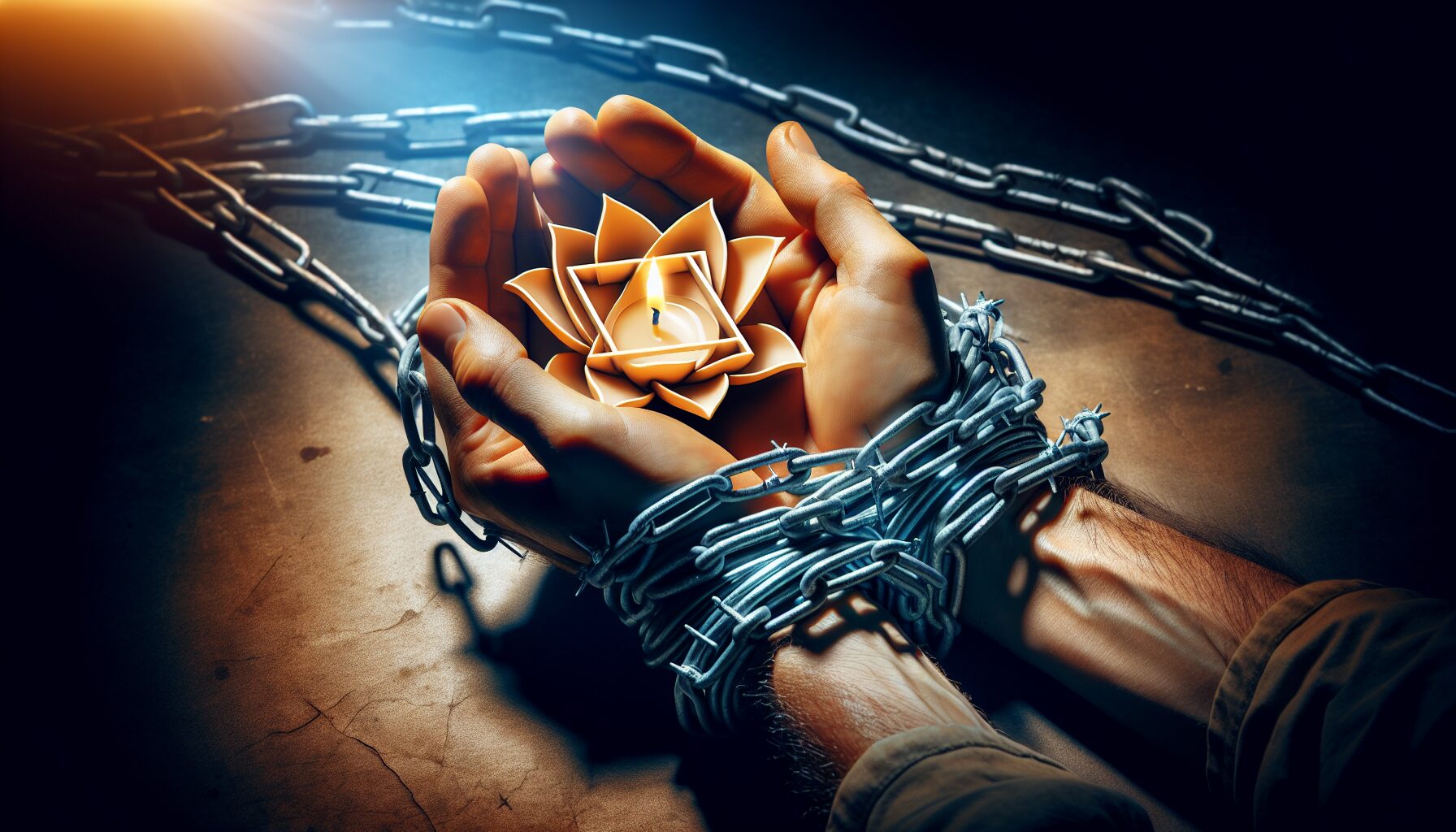
    Throughout history, belief systems have often been at the crossroads of social and political agendas. While freedom of belief is enshrined in many constitutions, there are instances where laws are wielded as tools of oppression, targeting certain religious or spiritual followings. This practice can be termed as “criminalized devotion,” where the very act of believing or practicing a faith becomes an alleged threat to the state or society.

    The Historical Context

    Throughout the ages, rulers and governments have manipulated laws to suppress beliefs that were seen as a challenge to their authority. From the Roman Empire’s persecution of Christians to the later inquisitions against alleged heretics, the suppression of contrary beliefs has been sporadic yet systematic.

    “Intolerance is itself a form of violence and an obstacle to the growth of a true democratic spirit.” — Mahatma Gandhi

    The Spanish Inquisition, initiated in the late 15th century, is a case study of religious persecution under the guise of legal mandate. Thousands were prosecuted and punished, often with execution, for heresies, which at times were no more than differences in religious views or practices.

    Modern Legal Frameworks and Belief

    In the 21st century, international covenants, like the Universal Declaration of Human Rights, promulgate the freedom of belief as a fundamental right. Article 18 of this declaration states: “Everyone has the right to freedom of thought, conscience and religion.” Despite such international standards, the reality on the ground often paints a different picture.

    Case Studies of Weaponized Legislation

    • China and Falun Gong: Since 1999, the Chinese government has been conducting a campaign against Falun Gong, a spiritual practice based on meditation and qigong exercises. It has been labeled an “evil cult” by the state, resulting in the arrest and harassment of practitioners. Amnesty International reports continued human rights abuses on its practitioners.
    • Baha’i Persecution in Iran: The Baha’i faith is Iran’s largest non-Muslim religious minority, yet Iranian law does not recognize it. Followers face discrimination, raids, and arrest. According to the Baha’i International Community, their rights are routinely violated under laws that criminalize their faith.
    • India’s Anti-Conversion Laws: Multiple Indian states have enacted laws that ostensibly prevent forced conversions but are often used to target Christians and Muslims. Critiques argue that these laws embolden religious intolerance and are weaponized to maintain the status quo of religious demographics.

    The Effect on Society

    When belief systems are criminalized, the impacts on society can be profound and long-lasting. The immediate effect often involves the marginalization and stigmatization of targeted groups, leading to social division and unrest. It undermines social cohesion and leads to a climate of fear where individuals are wary of openly expressing their beliefs.

    Moreover, the weaponization of laws to oppose particular religious traditions speaks to broader issues of power and control. States often justify these actions under the banners of national security, public order, or cultural preservation. However, these justifications are frequently construed as a veneer for deeper political motives.

    Resistance and Advocacy

    Despite these challenges, many individuals and organizations continue to operate in defiance of unjust laws, often risking their lives to do so. International advocacy groups, such as Human Rights Watch and Amnesty International, play a pivotal role in bringing attention to these injustices and lobbying for change.

    “Wherever men and women are persecuted because of their race, religion, or political views, that place must — at that moment — become the center of the universe

  • Faith as Resistance – Spiritual groups that refuse to disappear

    Faith as Resistance – Spiritual groups that refuse to disappear

    Faith as Resistance: Spiritual Groups That Refuse to Disappear

    In a world increasingly driven by technology and rapid societal changes, some spiritual groups continue to assert their presence and relevance amidst the noise. These spiritual communities often embody a form of quiet resistance, standing firm in their beliefs and practices despite external pressures. This article explores how various spiritual groups are persisting and thriving in modern times.

    A Historical Perspective

    Throughout history, spirituality has been both a source of solace and a catalyst for resistance. Religious and spiritual groups have long played pivotal roles in movements for social change. The Civil Rights Movement, for instance, was heavily influenced by the teachings of Christian doctrine, with leaders like Martin Luther King Jr. emphasizing the importance of faith in the struggle for equality.

    “Faith is taking the first step even when you don’t see the whole staircase.”

    — Martin Luther King Jr.

    From the Quakers, who were instrumental in the abolition of slavery, to the Sufis, whose mystical teachings often served as a counterbalance to rigid doctrinal interpretations, spirituality has frequently been intertwined with progressive societal shifts.

    Modern Spiritual Movements

    In contemporary times, several spiritual groups are resisting cultural assimilation and asserting their identity through intentional practice. Below are a few notable examples:

    • The Amish: Known for their simple living, refusal of modern technology, and community-centric life, the Amish population in the United States has been growing. According to a Pew Research study, the Amish community has nearly doubled in size in the past two decades. By living according to their Anabaptist faith, they resist the fast-paced change of modern society.
    • Tibetan Buddhists: Despite facing significant challenges, particularly from political forces in their homeland, Tibetan Buddhists keep their traditions alive through global communities. The preservation of their spiritual practices is a form of cultural resistance and identity affirmation.
    • The Rastafarians: Emerging in the 1930s in Jamaica, Rastafarianism combines Christian elements, Pan-African ideology, and a strong cultural identity. As stated in the work of Leonard Barrett, author of “The Rastafarians”, the movement persists as a testament to cultural resilience.

    Institutional and Grassroots Support

    Many spiritual groups survive and even thrive due to both institutional support and grassroots efforts. Initiatives such as interfaith dialogue platforms and cultural heritage sites serve as resources for spiritual communities to learn, grow, and maintain their traditions.

    • Interfaith Coalitions: Projects such as The Parliament of the World’s Religions promote understanding and cooperation among diverse faiths. The Parliament serves as a critical organization in fostering peace and improving the visibility of smaller religious groups.
    • Cultural Heritage Sites: UNESCO’s efforts to protect traditional religious sites reinforce the cultural significance of these spaces. As an example, the listing of Buddhist temples in Nepal ensures both preservation and worldwide recognition.

    Digital Adaptation and Global Reach

    Many religious and spiritual groups have embraced digital platforms to expand their reach and impact. Churches offering online services, meditation apps promoting mindfulness, and social media engagement provide fertile grounds for these communities to grow. According to a Pew Research Center survey, a significant number of people access religious teachings online, showing a blend of traditional faiths with modern technology.

    “While religion always changes, we are living through a massive expansion of religious creativity,”

    — Stephan Pickard, Australian theologian.

    This digital shift allows spiritual groups to reach new audiences, inviting participation from those who might not have engaged in a traditional setting.

    Challenges and Opportunities

    Despite their resilience, spiritual communities face significant challenges, including secularization, political pressures, and demographic shifts. However, these challenges also present opportunities for growth and reinterpretation of beliefs.

    • Secularization: As secular values become more prominent, religious groups are pushed to articulate their relevance in a modern context. This can lead to engaging dialogues and critical reflections within these communities about their roles and teachings.
    • Political Pressures: Religious groups often face scrutiny and opposition from governmental authorities. However, these challenges can unite communities in a common cause, reinforcing their spiritual and cultural identities.

    The Future of Spiritual Resistance

    Looking ahead, the resilience of these spiritual groups will likely depend on their ability to balance tradition with modernity, fostering connections both within and outside their borders. Organizations like The Guardian predict that religious innovations might lead the way to more harmonious coexistence.

    Ultimately, the persistence of spiritual communities illustrates how deeply human beings value their cultural and spiritual heritages. Through careful adaptation and unwavering resistance, these groups continue to light the path for future generations.

    By continuing to stand firm in their beliefs, these spiritual communities play an integral role in maintaining cultural diversity and fostering a deeper understanding across global societies. Their message of faith as a form of resistance is as relevant now as ever.

  • Tradition Under Siege – Ancient faiths facing modern power

    Tradition Under Siege – Ancient faiths facing modern power

    Tradition Under Siege: Ancient Faiths Facing Modern Power

    In a rapidly evolving world, ancient faiths find themselves in an ongoing struggle to preserve their traditions against the tides of modernization and globalization. These religious practices, some of which have existed for thousands of years, are increasingly challenged by societal changes, technological advancements, and political pressures.

    The Clash of Old and New

    As globalization continues its relentless march, traditional beliefs often come into conflict with new ideas and practices. The Economist notes, “Traditional societies face pressure to adapt to new cultural norms and technologies, impacting both their spiritual and daily lives” (The Economist).

    • Technology’s Double-Edged Sword: While modern technology offers platforms for wider communication and the spread of traditional cultures, it also brings westernized cultural values that can dilute or replace indigenous beliefs.
    • Political Pressures: Governments may impose regulations that conflict with religious practices. Countries like China and India face criticism for policies seen as infringing on religious freedoms.

      “Faith communities struggle to maintain their customs in the face of political frameworks that often prioritize national unity over individual freedoms,” stated a report from Human Rights Watch.

    Preservation Efforts

    To combat these challenges, numerous initiatives worldwide aim to preserve and honor these ancient traditions:

    • Cultural Education: Some communities have initiated educational programs to teach younger generations their history and traditions. For instance, Maori schools in New Zealand incorporate traditional crafts and language into their curricula.
    • Digital Archives: Projects like the Endangered Languages Project work to document and archive obscure languages that are at risk of extinction due to declining native speaker numbers.

    Global Support and Recognition

    International organizations are also stepping up to support the survival of these cultural heritages. UNESCO, for instance, has designated numerous traditional practices as part of the “Intangible Cultural Heritage of Humanity.” Such recognition helps raise awareness and appreciation for these practices globally.

    The intersection of ancient faiths and modern power presents both challenges and opportunities. While the clash of cultures threatens the continuity of traditional practices, increased global attention and efforts at preservation signify hope for the endurance of these ancient legacies. As the world becomes more interconnected, the preservation of these sacred traditions becomes not just about maintaining cultures but also about fostering global diversity and understanding.

  • Praying in the Shadows – Everyday life under religious persecution

    Praying in the Shadows – Everyday life under religious persecution

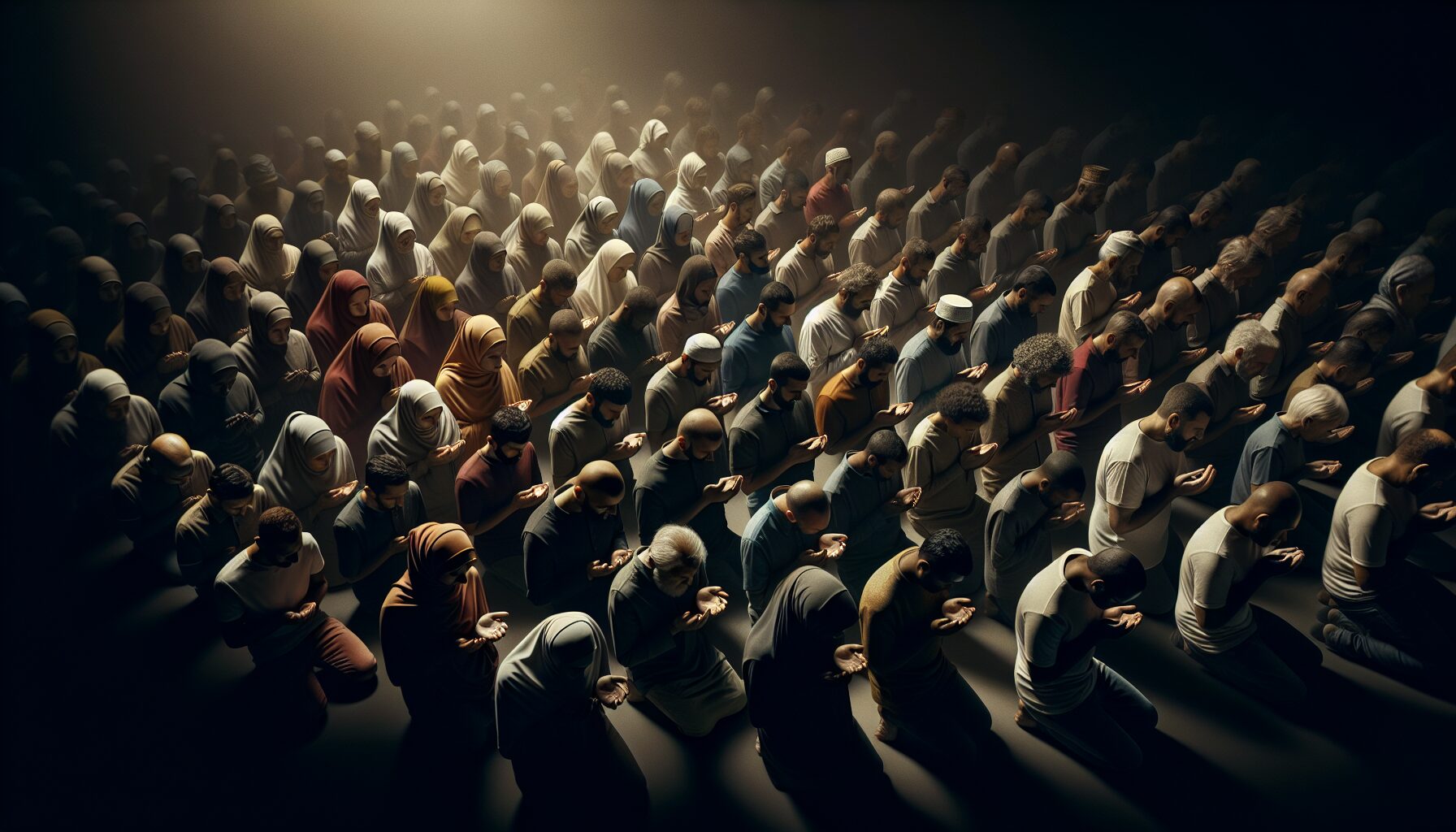
    In many parts of the world, practicing one’s faith freely is a cherished right. Yet, for millions, exercising this freedom is fraught with danger. In these regions, religious persecution shadows everyday life, forcing individuals to worship in secrecy and live in constant fear.

    Globally, over 360 million Christians live in areas with high levels of persecution or discrimination, according to the Open Doors World Watch List 2022. This number represents just one faith tradition among many experiencing relentless suppression. From Asia to Africa, stories resound of believers who risk all to maintain their spiritual practices.

    The Reality of Persecution

    • Restricted Worship: In countries like North Korea and Afghanistan, religious assemblies are non-existent or heavily monitored. Gathering to worship can result in imprisonment or worse. “Every time we pray, it feels like defying the odds,” shares an anonymous Christian from Kabul.
    • Social Ostracism: Believers often face alienation from their communities. Individuals such as Rohingya Muslims in Myanmar experience systemic societal exclusion, which compounds their suffering with economic difficulties.
    • Violence and Displacement: In Nigeria, religious conflict has led to widespread violence, particularly against Christian communities in the north. This violence results in forced displacement, disrupting families and livelihoods.

    “Persecution against the Baha’is in Iran has spiked in recent months—driven by the government’s exponential rise in suppressive measures,” detailed a report from the Human Rights Watch.

    The Courage to Persevere

    Despite these hardships, many persecuted individuals find solace in their faith. Under the oppressive regimes, underground worship communities thrive, representing resilience and hope. In China, where the government strictly controls religious activities, the growth of unregistered “house churches” reflects a defiant commitment to faith.

    Efforts to alleviate these injustices often depend on international attention. Organizations advocate for increased awareness and pressure on offending governments to uphold religious freedoms. “Building a global movement is vital to protect these vulnerable populations,” says Amnesty International.

    The struggle for religious freedom is ongoing and demands a unified global response. By supporting these communities through advocacy and awareness, there is hope that one day, praying in the shadows will no longer be necessary.

  • After the Collapse – What Persecuted Souls Build Next

    After the Collapse – What Persecuted Souls Build Next

    After the Collapse: What Persecuted Souls Build Next

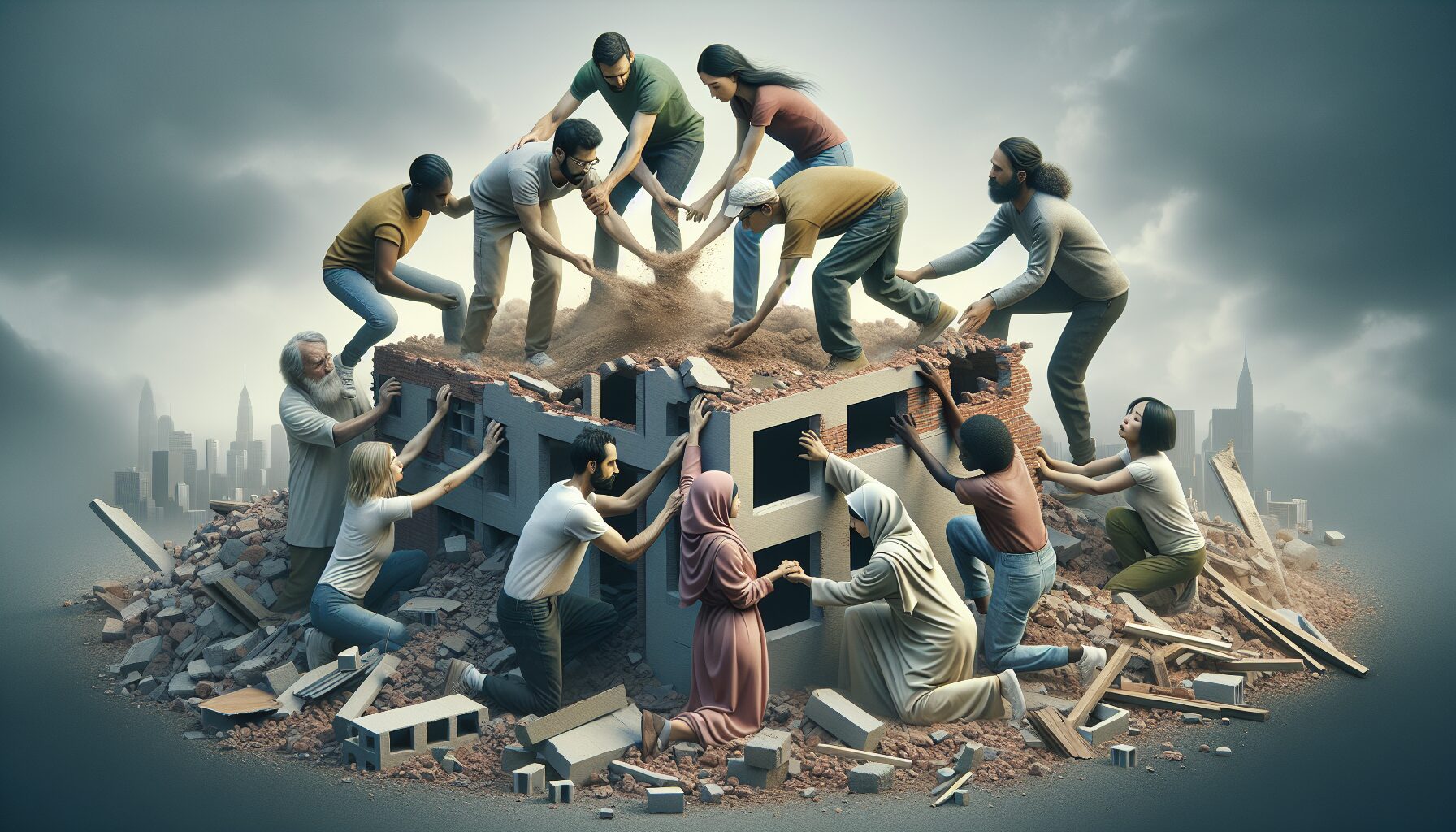
    The echoes of calamity have often paved the path to remarkable rebirths in human history. In the wake of societal collapse, where devastation and despair might be expected to blanket the earth, resilient souls steadily reconstruct their world. These individuals, often those previously marginalized and persecuted, emerge not only to rebuild but to innovate, driving forward change and development previously deemed unimaginable.

    The aftermath of a collapse strips away the facades of civilization, providing a blank canvas upon which new, often more equitable societies can be painted. As noted by renowned historian Yuval Noah Harari, “Evolution molded us to live in small bands of no more than a few dozen individuals.”

    “What unifies human communities, especially after a collapse,” says Harari, “is our ability to create shared myths and narratives that bind us together.”

    The post-collapse society often embraces communal sharing and participatory governance structures. This shift can be seen vividly in historical examples where centralized, oppressive regimes have fallen, catalyzing grassroots movements that value collective wellbeing over individual gain.

    Rebuilding from the Roots: Success Stories

    During these times, technology and tradition frequently intertwine to form the foundation of future societies. In Rwanda following the 1994 genocide, a country once on the brink of failure transformed into one of Africa’s leading digital powerhouses. Their journey illustrates how resilience and innovation can lay the groundwork for recovery and growth.

    • Community Initiatives: Local initiatives become crucial, fostering a sense of ownership and belonging among residents.
    • Technological Advancements: As seen in Krakauer’s “Endurance”, technology adopted by a unified group can lead to revitalization. Communities often reach back to simpler, more sustainable living while embracing innovative technologies at a rapid pace.
    • Mutual Aid: In the rubble of traditional economic systems, barter systems and mutual aid networks arise, providing immediate relief and fostering long-term sustainability.

    Such transformations are not simply organic; they require the strength and determination of those who persist through adversity. As Rebecca Solnit eloquently puts it in her book A Paradise Built in Hell, “In the aftermath of disaster, people are often their most courageous.”

    The worlds these persecuted souls build next are diverse etchings of hope and resolve, honoring past struggles while crafting fertile grounds for future generations. For more insights into post-collapse societies and their challenges, visit The Guardian for an exploration of humanity’s ability to adapt and overcome.

    The essence of humanity’s capacity to rebuild lies not just in survival, but in the spirit of innovation that leads to a more inclusive and resilient society.

  • Dismantling the Tower – Healing From Systemic Oppression

    Dismantling the Tower – Healing From Systemic Oppression

    Societies around the globe are built like sprawling towers, constructed over centuries with layer upon layer of systemic oppression. These frameworks, designed to maintain specific hierarchies, have permeated the fabric of governance, culture, and economy, creating profound inequalities. Healing from these oppressive systems requires a multifaceted approach. This involves recognizing historical injustices, fostering inclusive policies, and prioritizing collective healing processes.

    Understanding Systemic Oppression

    Systemic oppression is the institutionalized discrimination that is seamlessly woven into the societal structure, oppressing marginalized groups while benefitting dominant communities. These systems span across education, healthcare, law enforcement, and employment, manifesting as racism, sexism, ableism, and more.

    “We often think of oppression as a closed door, but it’s also a foundational part of the structures we build and maintain,” notes sociologist Iris Marion Young, a vocal critic of social injustice.

    Young’s observation encapsulates the pervasive and insidious nature of systemic oppression, which often masquerades as normalcy within societal norms.

    Recognizing Historical Injustices

    Addressing systemic oppression demands an acknowledgment of the past. Nations like South Africa, Germany, and more recently, Canada have set precedents through truth and reconciliation commissions aimed at healing historical wounds. These initiatives foster dialogue, transparency, and accountability, crucial for communities affected by past injustices.

    “When a society fails to recognize the traumas of its past, it risks perpetuating them,” says historian Adam Hochschild, author of numerous works on colonialism and imperial legacies.

    Creating Inclusive Policies

    Policies play a critical role in dismantling oppressive structures. Governments and organizations need to implement inclusive practices that reflect diverse identities and experiences. This includes equitable access to education, healthcare, and employment opportunities—as well as law reforms that protect all demographics, especially those who have been historically marginalized.

    • Education: Schools should integrate diverse histories and cultural studies into their curricula to foster understanding and empathy from a young age.
    • Healthcare: Ensuring healthcare systems are accessible and considerate of diverse needs, from languages to cultural competency.
    • Employment: Organizations should promote inclusive hiring practices and provide avenues for marginalized groups to voice their concerns.

    The Role of Community and Healing

    True healing necessitates community engagement and support. Initiatives such as community dialogues, workshops, and support groups spearheaded by non-profits and governmental bodies can be catalysts for change. These platforms enable sharing of experiences, fostering collective understanding and resilience.

    “Healing is a community process, not just an individual journey,” explains Resmaa Menakem, a renowned therapist and author. His work emphasizes the importance of collective reflection and support systems in overcoming trauma caused by systemic oppression.

    Envisioning a New Paradigm

    While dismantling systemic oppression is a formidable challenge, envisioning a new societal paradigm is equally critical. It involves the reconstruction of systems that prioritize equity, justice, and empathy. Angela Davis, an esteemed academic and activist, suggests that “radical simply means ‘grasping things at the root,’” highlighting the need to fundamentally rethink and reframe our societal structures.

    Integrating technology, such as data analytics and artificial intelligence, may further aid in identifying and addressing inequities. However, these tools should be employed ethically and inclusively to avoid perpetuating existing biases.

    Conclusion

    Healing from systemic oppression is an ongoing process rather than a destination. It requires a steadfast commitment from individuals, communities, and institutions. By acknowledging past injustices, creating inclusive policies, fostering community healing, and innovating new frameworks, societies can dismantle oppressive structures and build equitable futures.

    As we continue to rise and reshape our towers, let us do so with bricks of compassion, integrity, and an unwavering commitment to justice. Together, we can forge pathways to healing and transformation, dismantling the oppressive edifices of the past and envisioning a future where equity is not just an aspiration, but a reality for all.

  • The Raised Hand – Signals of Dominance in Cultic Settings

    The Raised Hand – Signals of Dominance in Cultic Settings

    In many social and religious settings, gestures and body language play a significant role in communication and power dynamics. Among these gestures, the act of raising a hand often stands out as a potent symbol of authority and dominance, especially in cultic environments. Understanding these signals can provide insights into how cults operate and maintain control over their members.

    The Historical Significance of the Raised Hand

    The raised hand has been used throughout history as a sign of authority and command. In his analysis of gestures in social settings, anthropologist Edward T. Hall noted, “The raised hand can act as a cultural highlighter, drawing attention to the individual and their message” (Hall, 1966).

    This gesture is not limited to cults. In religious ceremonies, the raised hand often marks the presence of divine or supernatural approval. The Bible contains numerous references to lifted hands during prayer and blessing as signs of respect and power (Bible Gateway). The gesture, therefore, acts as a bridge between human and divine authority, a symbolism that carries over into cultic settings.

    Understanding Dominance in Cultic Groups

    Cults are organizations that rely heavily on defined social hierarchies and leader-focused narratives. The dynamics within these groups are often reinforced through ritualistic and non-verbal communication. The raised hand, within such a context, often serves dual purposes:

    • Establishing Authority: By physically elevating a part of oneself above others, the individual (often the leader) reinforces their superior status.
    • Signaling Consent and Control: Cult leaders might use hand gestures to signal when followers should respond, showing not just verbal but physical attunement to their authority.

    The work of sociologist Erving Goffman provides a detailed look at how these gestures function in what he describes as “front stage” settings, where authority and performance intersect (Goffman, 1959).

    Case Studies of the Raised Hand in Cults

    Analyzing specific cults can highlight how instrumental the raised hand can be in these closed communities:

    • The People’s Temple: Jim Jones, the infamous leader of the People’s Temple, often raised his hand to silence or direct his members. This unmistakable gesture became a signal for momentous announcements or commands, consolidating his control over the group’s actions and behaviors.
    • Heaven’s Gate: Among this cult’s peculiar practices, the raised hand was a sign used during their meditative sessions led by Marshall Applewhite. It demonstrated both obedience and unity in their quest for transcendence.

    “The body in these settings becomes not just an instrument of personal expression, but a public tool of authority and subjugation,” remarked Dr. Laura Smith, a researcher specializing in cult behavior.

    The Psychological Impact of Physical Gestures

    From a psychological perspective, repetitive gestures like the raised hand can have significant impacts. Encoded into daily rituals, they can normalize the leader’s dominance while subtly eroding personal autonomy among followers. As famed psychologist Carl Jung posited, “Symbols act as transformers of the psychic energy” (Jung, 1964), a principle that applies directly to how cult leaders use gestures to resonate with their followers’ subconscious.

    Moreover, the reinforcement of gestures in cultic environments can lead to what is known as “groupthink,” where individual dissent is minimized in favor of collective conformity (Psychology Today). This psychological process ensures that members remain aligned with the leader, often using physical gestures as touchstones for obedience.

    Conclusion: Recognizing and Responding to Signals of Control

    The raised hand, much like other gestures, is a simple yet profoundly impactful form of non-verbal communication in cult settings. Recognizing these signals is crucial for understanding how cults maintain influence over their followers. By examining these dynamics, both scholars and the public can better empathize with individuals within these spheres and offer support in disentangling them from such environments.

    Cult awareness and intervention strategies must pay attention not only to what is said but also to what is signaled. In doing so, society can better safeguard against the subtle yet pervasive forces of control inherent in these communities.

  • The Ghost of the Group – How Old Doctrines Haunt the Mind

    The Ghost of the Group – How Old Doctrines Haunt the Mind

    The Ghost of the Group: How Old Doctrines Haunt the Mind

    In the vast constellation of human thought and culture, doctrines are akin to spectral entities—unseen yet influential, elusive yet enduring. Like ghosts inhabiting ancient halls, they whisper from the recesses of our minds, guiding, cajoling, sometimes even coercing. These old doctrines, shaped by the beliefs of bygone societies, continue to haunt us, weaving a complex tapestry of inherited perceptions and values.

    The Persistence of Ancient Beliefs

    Human societies across the ages have been organized around central ideas and beliefs, often codified into doctrines. These ideas, rooted in myth, religion, philosophy, or science, provide a framework through which communities understand their world. However, the residue of these doctrines does not dissipate easily. As Carl Jung once observed, “We do not solve our problems; we outgrow them. We add capacities and experiences that eventually make us stronger than the problems.” This sentiment highlights the subconscious influence of doctrines that pervades our collective psyche.

    Why Do Doctrines Haunt Us?

    • Deep-Rooted Tradition: Many doctrines are entwined with tradition. They shape societal norms and cultural customs, becoming so ingrained that they transition from taught texts to unspoken assumptions. Traditions endure over generations, creating an environment where deviation feels not just rebellious but heretical.
    • Fear of the Unknown: Doctrines offer comforting certainties in an uncertain world. They provide answers, however flawed, to existential questions. The fear of the unknown—of stepping into uncharted intellectual waters—compels many to cling to established beliefs.
    • Identity and Belonging: Doctrines often anchor our identity and our membership in a group. They dictate not only personal beliefs but also how one is perceived within a cultural group. To challenge them is to risk ostracism, which can be a powerful deterrent.

    Examples of Doctrines that Haunt

    • Religious Dogmas: Many religious doctrines, developed thousands of years ago, continue to influence modern societal norms and personal beliefs. This enduring influence can be both positive, as in the fostering of community values, and negative, when it impedes societal progress.
    • Philosophical Ideologies: Philosophical movements such as existentialism or utilitarianism have deeply impacted ethics, politics, and personal worldviews. The footprint of such ideologies can still be felt in modern discussions about morality and decision-making.
    • Cultural Norms: Beliefs about gender roles, family structures, and career paths rooted in past centuries often clash with contemporary values, creating tension and necessitating a reassessment of what traditions should persist.

    Freedom from the Ghosts

    The question then arises: how do we exorcise these ghosts or, at the very least, coexist peacefully with them? The answer lies in critical thinking and adaptability. According to philosopher Alfred North Whitehead, “Civilization advances by extending the number of important operations which we can perform without thinking about them.” Hence, part of our cultural evolution involves deeply questioning the ‘why’ behind entrenched beliefs.

    “A great many people think they are thinking when they are merely rearranging their prejudices.” — William James

    A Path Forward

    Confronting these intellectual specters involves several steps:

    • Education: Cultivating a mindset of lifelong learning that encourages the exploration of new ideas and the rejection of doctrinal rigidity.
    • Dialogue: Engaging in open conversations across different ideologies to foster understanding and movement beyond dogmatic thinking.
    • Reflection: Personal introspection to recognize areas where old doctrines may unduly influence choices or perceptions.

    These steps, while challenging, pave the way for a more enlightened and flexible worldview, enabling us to adapt to new realities and insights.

    Conclusion

    The ghosts of old doctrines, while a testament to our cultural heritage, also represent the constraints of outdated thinking. By acknowledging their presence and thoughtfully addressing their influence, we can transform these spectral guides from chains to stepping stones. Only then can we hope to chart a course through the labyrinth of modern existence, enriched by the wisdom of the past yet unfettered by its chains.

    For further reading on the intersection of self and society, consider exploring this article by Britannica on socialization.

  • The Pressure Cooker – Why High-Control Groups Break People

    The Pressure Cooker – Why High-Control Groups Break People

    High-control groups, often shrouded in the guise of religious sects, political movements, or self-improvement circles, employ techniques that erode individuality and foster dependency. These groups might brand themselves as communities of personal growth or salvation, but beneath the surface lies a modest yet complex mechanism of control that can lead to emotional and psychological breakdown.

    The Anatomy of Control

    High-control groups typically use a range of psychological strategies to maintain dominance over their members. According to Psychology Today, these groups often employ isolation to limit outside influence, instilling an “us vs. them” mentality, which is crucial for sustaining control over the group’s narrative. This encapsulation suppresses dissent and encourages conformity, be it in beliefs, behaviors, or even personal life choices.

    “The most dangerous things about these groups is their ability to make people doubt their own reality, making it easier to strip them of their autonomy,” warns Dr. Janja Lalich, an expert on cult behavior.

    The Cycle of Breaking and Reforming

    • Manipulation of Cognition: By controlling information, high-control groups manipulate how members think and perceive the world. This can drain mental resources and lead to cognitive dissonance.
    • Emotional Regulation: Through guilt, shame, and communal reinforcement, emotions become controlled, making it hard for individuals to trust their own feelings. Members are often made to feel inferior or blamed for their suffering, shifting focus away from the group’s authoritarian practices.
    • Behavioral Control: Rigorous schedules, rituals, and norms keep individuals busy and prevent them from reflecting on their circumstances, contributing to a loss of personal autonomy.

    Breaking Points and Transformation

    The relentless pressure within these groups often leads to psychological fractures. The Guardian reports on how former cult members frequently experience PTSD-like symptoms, such as anxiety, depression, and difficulty making decisions, long after they have left the group’s clutches.

    It is not just individuals who suffer; the repercussions ripple out to families and communities. The route to recovery commonly involves rebuilding self-trust and reconnecting with broader society. “Finding themselves again can be a long, painful process,” says Steven Hassan, a former cult member and author of Combating Cult Mind Control.

    While high-control groups can offer a sense of belonging and purpose, the cost can be devastating. Recognizing the signs and understanding the mechanisms of control is crucial in preventing these groups from breaking individuals beyond repair. Empowerment through knowledge is the antidote to the divisive grip of these pressure cookers.