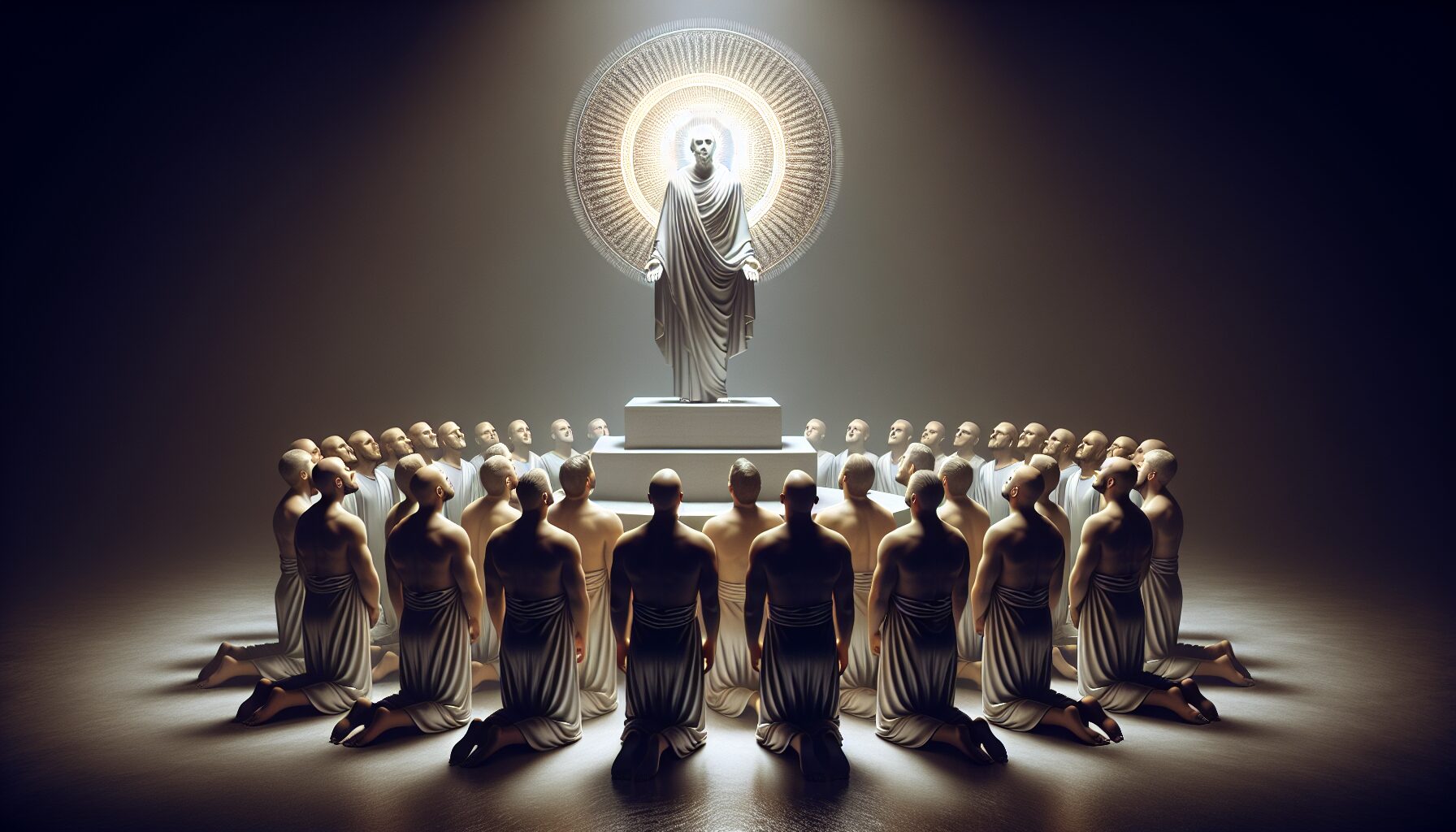
Tag: spiritual

  • The Wounded Flock — The trauma of spiritual betrayal

    The Wounded Flock — The trauma of spiritual betrayal

    In the sanctuary of faith, where spiritual beings seek solace and strength, betrayal can shatter the very foundation on which belief is built. Spiritual betrayal, often manifested through the misconduct of religious leaders, can leave a wound so deep it challenges both personal and collective faith. As believers strive to reconcile their hurt with their beliefs, understanding the trauma of spiritual betrayal becomes essential.

    The Nature of Spiritual Betrayal

    At its core, spiritual betrayal occurs when religious leaders, who are entrusted with guiding and nourishing their congregations, exploit their positions for personal gain or immoral conduct. This breach of trust can manifest in various ways:

    • Sexual Misconduct: Notorious cases, such as those involving priests within the Catholic Church, have brought this issue to light profoundly, leaving many to grapple with feelings of betrayal and disbelief.
    • Financial Manipulation: Leaders exploiting congregations for financial gain can leave members questioning their faith’s foundation.
    • Emotional Abuse: Manipulation or coercion can severely impact a follower’s mental well-being, leading to long-term psychological effects.

    “Spiritual abuse is the misuse of a position of power, leadership, or influence to further the selfish interests of someone other than the individual who needs help.” — Psychology Today

    The Healing Process: From Betrayal to Belief

    Healing from spiritual betrayal is a complex journey. It is not merely about restoring faith in an institution but also about rebuilding an individual’s internal beliefs and trust in others. This process often involves:

    • Acknowledgment: Recognizing the betrayal and its impact is the first step toward healing.
    • Seeking Support: Joining support groups or seeking professional counseling can offer a safe space to share experiences and feelings without judgment.
    • Re-evaluation: Individuals may need to reassess their beliefs and the role of religion and spirituality in their lives.
    • Forgiveness: While not essential for all, forgiveness can be a powerful tool in the healing journey, allowing individuals to let go of the burden of resentment.

    According to BBC News, many victims of clerical abuse have found peace by separating their personal faith from the church institution, allowing them to continue their spiritual journeys without the weight of institutional betrayal

    The Wider Impact on Communities

    The trauma of spiritual betrayal reverberates beyond individual experiences. Congregations, communities, and even societies can feel the impact as trust erodes and divides grow. Several consequences of widespread spiritual betrayal include:

    • Divided Congregations: As trust in leaders falters, communities may fracture, leading to reduced congregation sizes and a loss of communal support structures.
    • Skepticism and Suspicion: Continued exposure to scandals can foster a culture of suspicion and skepticism towards religious institutions as a whole.
    • Decline in Religious Affiliation: Pew Research Center indicates a rise in religiously unaffiliated individuals, partly attributed to disillusionment with institutional religious practices.

    Moving Forward: Restoring Trust and Integrity

    Despite the scourge of spiritual betrayal, there are pathways to restore trust and integrity within religious communities:

    • Transparency and Accountability: Religious institutions must actively engage in transparent practices, holding leaders accountable for their actions.
    • Reformative Training: Adequate training and support for religious leaders can help prevent misconduct and promote ethical leadership.
    • Inclusive Practices: Encouraging open dialogue within congregations can help rebuild trust and foster a sense of community.

    The road to healing may be long, but by addressing the roots of betrayal and fostering an environment of transparency and support, communities can begin to mend.

    Spirituality, as a personal and communal journey, thrives on integrity and trust. Though the trauma of spiritual betrayal cuts deep, it also unveils the resilience and capacity for growth that lies within individuals and their communities.

  • The Burden of the Leader — Spiritual authority and moral weight

    The Burden of the Leader — Spiritual authority and moral weight

    Throughout history, leaders have been venerated, scrutinized, and at times, even vilified. The burden of leadership extends far beyond temporal power; it encompasses a spiritual authority and a profound moral weight that have been echoed across civilizations and epochs. This complex dynamic of leadership invokes questions of responsibility, ethics, and the intricate weave of influence over both the psyche and the soul of their followers.

    The Concept of Spiritual Authority

    At its core, spiritual authority refers to the moral and ethical dimension of leadership. It is the intangible quality that compels followers to trust, respect, and seek guidance. In examining spiritual authority, one can look to figures such as Mahatma Gandhi, whose teachings and philosophies on non-violence shaped a nation and inspired global movements. Gandhi once said, An eye for an eye will only make the whole world blind. His words exemplify the influence of spiritual authority that transcended his immediate community to impact the world at large.

    Moral Weight and Ethical Responsibility

    Moral weight refers to the ethical responsibilities that weigh on leaders, often requiring them to navigate complex moral dilemmas while maintaining integrity and a sense of justice. This ethical burden often manifests in decisions that can alter the course of history. Former U.S. President Dwight D. Eisenhower encapsulated this when he remarked, The supreme quality for leadership is unquestionably integrity. He understood that the moral weight of leadership lies not only in personal integrity but also in the expectation that leaders will reflect this quality in their governance.

    The Dual Nature of Leadership

    Leadership carries a duality—inherent power and profound responsibility. Leaders wield the ability to enact change, but with that power comes the onus to ensure such change is ethical and beneficial. Consider Nelson Mandela, whose leadership during South Africa’s transition from apartheid to democracy was marked by a deep commitment to reconciliation and justice. Mandela stated,Real leaders must be ready to sacrifice all for the freedom of their people. This acknowledgment of sacrifice underscores the dual nature of leadership as both a privilege and a profound obligation.

    The Psychological Implications

    Beyond philosophical and ethical considerations, the psychological implications of leadership are significant. The pressure to maintain high moral and spiritual standards can be immense, leading to stress and burnout. According to an article in the Harvard Business Review, leaders often face intense scrutiny and are required to display unwavering strength, which can lead to isolation and emotional exhaustion.

    “The truth is, leadership can be exhausting, and sometimes lonely. The responsibility of creating a vision, aligning a team, and driving results is daunting enough—but the expectation to always know the answers and be strong in the face of adversity adds an extra layer of pressure.”

    The Impact on Followers

    The spiritual authority and moral weight carried by leaders have a profound impact on their followers. Leaders serve as role models, and their actions inspire, motivate, and, in some cases, deter those they lead. This influence can bind communities and transform societal norms. Martin Luther King Jr.’s leadership during the Civil Rights Movement, for instance, ignited widespread activism and change through his commitment to peaceful protest and equality.

    King once remarked, The ultimate measure of a man is not where he stands in moments of comfort and convenience, but where he stands at times of challenge and controversy. This underscores the influence a leader’s ethical stance can have on an entire movement and, ultimately, generate significant societal change.

    Challenges in Modern Leadership

    In contemporary society, leaders face unique challenges that test their spiritual authority and moral weight in unprecedented ways. The rapid pace of technological advancement, increased global connectivity, and the complexity of current socio-political issues require leaders to adapt while maintaining ethical integrity. This evolution demands a balance between innovation and ethical governance.

    As highlighted by former CEO of Yahoo, Marissa Mayer: It’s really wonderful to work in an environment with a lot of smart people. But you can also learn a lot from people with different experiences and backgrounds. This speaks to the modern leader’s challenge to lead ethically while embracing diversity and global perspectives.

    Conclusion: The Path Forward

    The burden of the leader, shaped by spiritual authority and moral weight, is a profound and complex aspect of leadership. It demands a delicate balancing act between the power to lead and the responsibility to do so ethically. As society continues to evolve, so too must our understanding and expectations of leadership.

    It is critical that both leaders and followers remain vigilant about the ethical implications of leadership. By fostering open discussions about moral and spiritual responsibilities—and by holding leaders accountable—society can ensure that leadership remains a force for positive change. Ultimately, the viability of leadership lies not just in the hands of those who lead but in the collective efforts of those they inspire.

  • Minor Wrongs, Major Echoes — The exponential nature of spiritual harm

    Minor Wrongs, Major Echoes — The exponential nature of spiritual harm

    The idea that small actions can lead to larger consequences is neither new nor surprising in the realms of ethics and spirituality. However, the depth and extent to which minor wrongdoings can reverberate through a person’s life and spiritual well-being are often underestimated.

    The Precept of Intentional Harm

    At the heart of many spiritual philosophies is the concept of intentional harm. A deed, regardless of its magnitude, is often weighted by the intent behind it. As stated by Mahatma Gandhi, “The simplest acts of kindness are by far more powerful than a thousand heads bowing in prayer.” Conversely, even a seemingly inconsequential harmful act, when conducted with malicious intent, can have a profound impact.

    The Ripple Effect: Small Acts, Large Impacts

    The ripple effect is a common metaphor used to describe how minor actions can create larger outcomes. Like a pebble thrown into a pond, small acts of harm can expand outward, influencing not just immediate circumstances but also distant future events. This idea is supported by the Buddhist principle of karma, wherein actions generate effects corresponding to their ethical nature.

    “Karma means action, and Vipaka, fruit or result, is its reaction. Just as every object is accompanied by a shadow, even so every volitional activity is inevitably accompanied by its due effect.” — Narada Thera

    The Spiritual Aftermath of Harm

    Spiritually, the accumulation of minor wrongs can lead to a state of imbalance or dissonance, disrupting an individual’s spiritual path. Such dissonance is reflected in the disruption of internal peace, ethical coherence, and spiritual fulfillment.

    • Internal Peace: Frequent minor wrongs can create a continual state of unease or guilt. As the British philosopher John Stuart Mill noted, “He who knows only his side of the case knows little of that.” The lack of understanding of one’s internal conflicts exacerbates the accumulation of spiritual unrest.
    • Ethical Coherence: Ethical alignment within oneself may weaken as minor wrongs pile up, challenging the integrity with which one adheres to moral and ethical duties. The Bhagavad Gita emphasizes that living aligned with one’s dharma is essential for spiritual development.
    • Spiritual Fulfillment: Occupied by guilt or shame from accumulated minor misdeeds, individuals might find it hard to progress spiritually, thus hindering their journey toward self-fulfillment and enlightenment.

    Contrast With Immediate Consequences

    Whereas some actions have immediate and visible consequences, spiritual harm from minor wrongs often works insidiously over time, making it challenging to connect cause and effect. This lingering harm is analogous to the idea proposed by American philosopher and author Henry David Thoreau, who stated, “Not until we are lost do we begin to understand ourselves.”

    Preventing Exponential Spiritual Harm

    Taking proactive measures to counter the exponential ramifications of minor wrongs involves fostering awareness and cultivating compassion within and around oneself. Here are some strategies:

    • Self-reflection: Consistent self-reflection can help identify minor transgressions before they accumulate. Through meditation, or reflective journaling, one can better understand their motivations and wrangle any negative patterns.
    • Adopting a Growth Mindset: Embrace the idea that mistakes are opportunities for learning. Recognizing the potential for growth allows individuals to forgive themselves and move forward constructively.
    • Practicing Compassion: Cultivating compassion for oneself and others can counteract harmful intentions. As the Dalai Lama suggested, “If you want others to be happy, practice compassion. If you want to be happy, practice compassion.”

    Conclusion: The Subtle Brilliance of Minor Acts

    Understanding the exponential nature of spiritual harm requires a delicate awareness of the impact of seemingly trivial actions. By recognizing the power intrinsic in every action, whether small or significant, individuals can make informed choices to nurture their spiritual selves. As we thoughtfully tread the path of life, we can transform the potential for harm into opportunities for healing and growth. This energetic redirection can help us move toward a more peaceful and fulfilling existence.

  • Everyday Persecution — How spiritual cruelty becomes routine

    Everyday Persecution — How spiritual cruelty becomes routine

    Everyday Persecution: How Spiritual Cruelty Becomes Routine

    Persecution often conjures images of grand, historical events marked by violence and turmoil. Yet, in everyday life, spiritual cruelty manifests in subtler, but equally damaging forms. This pervasive issue can infiltrate institutions, communities, and personal interactions, leaving lasting scars on the victims.

    Understanding Spiritual Persecution

    Spiritual persecution doesn’t always wear the face of flagrant injustice. It can occur quietly and systematically, through behaviors and attitudes that belittle or marginalize individuals based on their spiritual beliefs or practices. These acts of persecution can be overt or insidious, ranging from exclusion and mockery to systemic discrimination.

    Defining Spiritual Cruelty

    Spiritual cruelty involves actions or attitudes that harm an individual’s right to freely express and practice their spiritual beliefs. It can manifest through:

    • Direct Discrimination: This includes blatant exclusion or unequal treatment based on a person’s spiritual identity.
    • Social Ostracism: Deliberate alienation or ridicule of individuals for their spiritual practices or beliefs.
    • Symbolic Violence: The use of language or imagery that demeans spiritual beliefs, contributing to stereotypes and stigmatization.

    “Everyone has the right to freedom of thought, conscience and religion; this right includes freedom to change his religion or belief, and freedom, either alone or in community with others and in public or private, to manifest his religion or belief in teaching, practice, worship and observance.”

    The Universal Declaration of Human Rights, Article 18

    The Mechanisms of Routine Persecution

    Everyday persecution thrives on normalization and passivity. Through desensitization and societal complicity, these micro-aggressions become woven into the fabric of daily life, often going unnoticed or unchallenged.

    Normalization of Prejudice

    When spiritual cruelty is routinely ignored or excused, it becomes normalized. This normalization can be facilitated by:

    • Stereotyping: Persistent negative stereotypes about certain spiritual groups can lead to their dehumanization, making persecution seem justified or trivial.
    • Media Portrayal: Media can perpetuate these stereotypes, further entrenching societal biases.

    “Prejudice against religious minorities is one of the most profound human rights issues still facing the world today.”

    – Amnesty International

    Societal Complicity

    Communities often become passive complicits in spiritual persecution by failing to challenge or address these prejudices. Reasons for complicity include:

    • Lack of Awareness: Many are unaware of the impact of their actions or words on spiritual communities.
    • Fear of Reprisal: Some individuals hesitate to speak out against spiritual cruelty due to fear of backlash or alienation.

    Recognizing the Signs of Spiritual Persecution

    To combat everyday persecution, it is crucial to recognize its signs. These can include changes in behavior, withdrawal from community activities, or expressions of distress from those affected.

    Personal Experiences

    Stories from individuals who have faced spiritual persecution offer insight into these experiences. Their narratives reveal the emotional and psychological toll of routine cruelty.

    “Every time I wore my religious garb, the whispers started. Soon, they weren’t just whispers but open mockery. It’s exhausting to feel like an outsider every single day.”

    – Anonymous

    Addressing and Preventing Spiritual Cruelty

    Addressing spiritual cruelty requires a concerted effort at various societal levels, from individual awareness to policy change.

    Promoting Inclusivity

    Building inclusive communities involves:

    • Education: Encouraging awareness and understanding of diverse spiritual beliefs through educational programs.
    • Inclusivity Policies: Implementing and enforcing policies that protect the rights to spiritual freedom and expression.

    Individual Responsibility

    Everyone can contribute to preventing spiritual cruelty by:

    • Being Informed: Educate yourself on different spiritual beliefs and practices.
    • Challenging Prejudice: Speak out against discriminatory jokes, comments, or behaviors.

    Conclusion

    Everyday persecution, when left unchecked, can dismantle the fabrics of peace and understanding in our communities. By recognizing, addressing, and preventing spiritual cruelty, we uphold the ideals of freedom and respect for all.

    Ultimately, fostering an environment of inclusivity and respect prolongs the journey toward a more just and harmonious society.

  • Forgiveness Denied — When mercy is postponed indefinitely

    Forgiveness Denied — When mercy is postponed indefinitely

    The concept of forgiveness has long been hailed as a cornerstone of emotional and spiritual well-being. However, what happens when forgiveness is withheld indefinitely? The consequences of such postponement can be profound, affecting both individuals and communities.

    The Psychological Impact of Withholding Forgiveness

    The psychological repercussions of holding onto resentment can be significant. According to a study published in the Journal of Behavioral Medicine, “Unforgiveness is associated with stress, anxiety, depression, and a range of other negative psychological effects” (SpringerLink).

    “To forgive is to set a prisoner free and discover that the prisoner was you.” — Lewis B. Smedes

    When forgiveness is indefinitely postponed, the mental burden can create a cycle of negativity that affects both personal and professional areas of life.

    The Societal Implications of Delayed Forgiveness

    Beyond individual impacts, the postponement of mercy can also strain societal fabrics. Communities are built on mutual respect and understanding, requiring the occasional offering of forgiveness to maintain harmony. As Mahatma Gandhi once opined, “The weak can never forgive. Forgiveness is the attribute of the strong.” This reflects the societal need for strength in unity that forgiveness fosters.

    Studies have shown that in politically or ethnically divided communities, the ongoing absence of forgiveness can lead to extended conflicts and even violence. The history of global conflicts underscores the necessity for reconciliation and the role forgiveness plays in peace-building efforts.

    Spiritual Dimensions of Mercy

    In many spiritual practices, forgiveness is not just recommended but mandated. Religious texts across multiple faiths emphasize the importance of mercy and forgiveness. In Christianity, the Lord’s Prayer appeals for forgiveness as one forgives others, highlighting a reciprocal relationship between divine and human mercies.

    However, the tension between divine forgiveness and human pride often leads to a reluctance to forgive, thereby postponing mercy. In some cases, as noted by Psychology Today, individuals in positions of power may intentionally withhold forgiveness to maintain control, which can undermine spiritual teachings.

    Understanding the Roadblocks to Forgiveness

    There are multiple reasons why individuals might choose to withhold forgiveness indefinitely:

    • Pride: A sense of moral superiority can interfere with the willingness to forgive.
    • Mistrust: Fears of being hurt again can prevent individuals from offering forgiveness.
    • Vindication: An unyielding desire for justice and retribution can overshadow the ability to forgive.
    • Lack of Remorse: When the offending party shows no remorse, forgiveness may seem unjustified.

    Addressing these barriers involves self-reflection and, often, a guided approach through therapy or spiritual counseling.

    Navigating a Path Towards Reconciliation

    Forgiveness doesn’t always mean forgetting or absolving others of their actions. Instead, it is a personal journey towards releasing one’s own heart from the burdens of anger and resentment. As Anne Lamott eloquently stated, “Not forgiving is like drinking rat poison and then waiting for the rat to die.”

    Pursuing forgiveness requires conscious effort and, at times, profound personal growth. Establishing open communication between parties involved, seeking professional counseling, and engaging in spiritual or meditative practices are avenues through which forgiveness might be explored.

    The Ripple Effect of Forgiveness

    When forgiveness is finally granted, its effects extend far beyond the individuals involved. Families, communities, and even nations can benefit from the healing power of mercy. The act of forgiveness doesn’t undo the past, but it opens the door to a more peaceful and promising future.

    In the words of Martin Luther King Jr., “He who is devoid of the power to forgive is devoid of the power to love.” The relationship between forgiveness and love underscores a cyclical model of emotional and social health that reverberates throughout society.

    Thus, while forgiveness may be postponed, it ultimately remains an essential agent of change and healing. The choice to forgive, when it comes, serves as a testament to the strength and resilience of the human spirit, offering a beacon of hope in a world often fraught with hurt and misunderstanding.

  • Dismissed Feelings, Deep Scars — Emotional neglect in spiritual circles

    Dismissed Feelings, Deep Scars — Emotional neglect in spiritual circles

    In various spiritual communities, the pursuit of enlightenment and transcendence often takes precedence over addressing emotional needs. This prioritization can lead to a seemingly paradoxical situation: environments that promise healing and growth but inadvertently foster emotional neglect.

    Understanding Emotional Neglect

    Emotional neglect involves ignoring, dismissing, or inadequately responding to another person’s emotional needs. Unlike emotional abuse, which is characterized by active harm, neglect is often passive and harder to detect. In spiritual circles, this neglect can occur in subtle yet profound ways.

    “Emotional neglect can be as damaging in the long run as outright abuse, particularly because it is less visible and more insidious in its erasure of one’s self-worth.” — Psychology Today

    The Culture of Transcendence

    Many spiritual philosophies emphasize the importance of transcending earthly concerns, which can include personal emotions. While this perspective can be liberating, the underlying message often becomes distorted. Individuals are sometimes encouraged to bypass their feelings entirely, leading to repressed emotions.

    • Meditative Practices: While meditation offers many mental health benefits, its practice can be misused as an escape from confronting one’s emotions.
    • “Positive Vibes Only” Mentality: The insistence on maintaining a positive outlook can discourage open discussions about negative emotions, leading to a lack of authentic emotional expression.

    Recognizing Subtle Red Flags

    While emotional neglect in spiritual circles may not appear overt, it manifests in several ways:

    • Lack of Emotional Support: Spiritual leaders and peers may focus on spiritual teachings over providing emotional support, leaving individuals to feel isolated in their struggles.
    • Dismissal of Psychological Needs: The belief that spiritual solutions should solve all personal issues can lead to dismissal of psychological or emotional interventions, such as therapy.
    • Judgment of Emotional Expression: Individuals may feel judged or misunderstood for experiencing emotions deemed “low vibrational” or unenlightened.

    Consequences of Emotional Neglect

    The impact of emotional neglect in spiritual settings can be devastating. This neglect can lead to long-lasting emotional scars, such as:

    • Identity Confusion: The suppression of emotions may lead to confusion over one’s identity and values.
    • Distorted Self-worth: Constant invalidation can result in low self-esteem and a sense of unworthiness.
    • Relationship Difficulties: Struggles in forming genuine connections, as individuals may lack the tools to openly express emotions and needs.

    Path Towards Healing

    Healing from emotional neglect involves learning to value and express one’s emotions, as well as finding communities that prioritize emotional wellbeing alongside spiritual growth. Here are steps that can help:

    • Acknowledge the Neglect: Recognizing emotional neglect is the first step toward healing. Understanding its impact allows individuals to seek validation and support.
    • Therapeutic Intervention: Engaging in therapy provides a safe space to explore and express repressed emotions.
    • Establish Boundaries: Learn to set boundaries within spiritual circles to ensure emotional needs are acknowledged and respected.
    • Seek Emotionally Supportive Communities: Engage with spiritual communities that appreciate both emotional and spiritual growth, ensuring a holistic approach to wellness.

    Embracing Authenticity in Spirituality

    Combining emotional health with spiritual practice does not require choosing one over the other. Spiritual growth should complement emotional satisfaction, fostering overall well-being.

    “Spirituality informs emotional health and vice versa. The best spiritual practices honor the full spectrum of human emotions.” — Wisdom Therapy

    Ultimately, the journey towards enlightenment is as much about discovering one’s emotional truth as it is about achieving spiritual clarity. Recognizing and healing emotional neglect ensures that spiritual circles become sanctuaries of holistic growth, nurturing both the soul and the heart.

    By addressing emotional neglect, spiritual communities can better serve their members, creating environments where individuals are truly seen, heard, and healed.

  • Systems That Cannot Repent — Why spiritual institutions resist correction

    Systems That Cannot Repent — Why spiritual institutions resist correction

    In a world where change is the only constant, spiritual institutions often stand as bastions of tradition and continuity. Their resilience and adherence to established doctrines can provide stability in times of turmoil and uncertainty. However, these same characteristics can sometimes render spiritual institutions resistant to correction, leaving them seemingly incapable of repentance. This begs the question: why do these systems struggle to embrace change?

    Inherent Inflexibility in Doctrine

    One of the primary reasons spiritual institutions resist correction lies in their foundational doctrines. Many religious teachings are rooted in ancient texts considered infallible by adherents. This permanence, while offering a clear guidance, also creates an inherent inflexibility. According to scholar Karen Armstrong, author of The Case for God, “Religions must strive, and usually with some success, to create a countercultural ideology that resists change.”

    Institutional Power Dynamics

    A significant barrier to repentance is the power structure within these institutions. Leadership often concentrates in the hands of a few, who may view change as a threat to their authority. The historian and theologian Diarmaid MacCulloch has noted, “Religious institutions, like all organizations, can develop a form of institutional conservatism where self-preservation becomes the main priority.” This status quo bias means admitting to past mistakes can be seen as undermining authority, thereby being fiercely resisted.

    Fear of Divisive Consequences

    Spiritual institutions also fear the divisive consequences of acknowledging and correcting past wrongs. Given that their communities are often bound tightly by shared beliefs, leaders may worry that admitting fault could fracture unity. This fear was echoed by Reza Aslan, a renowned religious scholar, in his book No god but God, where he explains, “For an institution whose authority is derived entirely from divine sanction, repentance can be seen as not merely admitting fault, but risking the very legitimacy of its existence.”

    The Role of Continued Dialogue

    In the face of these challenges, continued dialogue remains crucial for spiritual institutions to evolve meaningfully. Opening channels for discussion allows a safe space for communities to explore necessary changes without the immediate fear of upheaval. Facilitating these conversations can lead to gradual, considered corrections that may eventually lead to genuine repentance.

    Ultimately, the resistance to correction within spiritual institutions is complex and multifaceted. While entrenched doctrines, power dynamics, and fear play significant roles, proactive dialogue remains a beacon of hope for these systems to embrace change while continuing to offer the stability they’ve provided to countless generations.

  • The Chain of Custody — Who owns enlightenment?

    The Chain of Custody — Who owns enlightenment?

    In a world where spiritual enlightenment is pursued by many but achieved by few, the question arises: Who truly owns enlightenment? Is it the sage on a mountain, the instructor at a yoga class, or does enlightenment belong to each individual seeking their own path? This article will explore the notion of ownership in the realm of enlightenment, tracing its lineage and relevance in contemporary society.

    The Historical Context of Enlightenment

    Historically, enlightenment has been deeply rooted in both Eastern and Western philosophies. In Buddhism, enlightenment is referred to as Nirvana—a state of liberation and freedom from suffering. Similarly, in Hindu thought, it is often associated with Moksha, the realization of one’s unity with the divine.

    Conversely, the Age of Enlightenment in the 17th and 18th centuries in Europe emphasized reason, science, and intellectual interchange as the paths to illuminating human wisdom. Philosopher Immanuel Kant famously described enlightenment as “man’s emergence from his self-imposed immaturity,” encouraging individuals to think independently and critically.

    “Enlightenment is man’s emergence from his self-imposed immaturity.” – Immanuel Kant

    The Spiritual Marketplace

    In the modern age, enlightenment has taken on a commercial dimension. The “spiritual marketplace” is flourishing, with myriad workshops, retreats, and online courses promising enlightenment for a price. Critics argue that the commodification of spirituality has diminished its authenticity, turning enlightenment into a product to be bought and sold.

    Watts’s Perspective: The late philosopher Alan Watts often critiqued the Western approach to Eastern wisdom, suggesting that the true essence of enlightenment is lost when treated like a transactional commodity. He argued that enlightenment is less about accumulation and more about letting go.

    “You can only be enlightened in the true sense when you realize that there is nothing to attain.” – Alan Watts

    Individual Pathways

    The pursuit of enlightenment is deeply personal. While some find guidance through religious or philosophical teachings, others seek self-discovery through meditation, contemplation, or artistic expression. This personalized journey suggests that enlightenment cannot be owned by any single entity or ideology.

    Meditative Practices: Meditation is a widely embraced practice for those on the path to enlightenment. Its techniques—ranging from mindfulness to transcendental meditation—are tools that help individuals explore their consciousness and attain a heightened state of awareness.

    Art as Enlightenment: Art has often been a conduit for enlightenment, embodying the transformative power of creativity. Art forms like music, painting, and dance can lead to transcendent experiences, allowing individuals to connect with deeper truths and emotions.

    The Enlightenment Debate

    The debate over who owns enlightenment underscores broader cultural and philosophical tensions. There is an underlying conflict between tradition and modernity, individual freedom and community guidance. In a pluralistic world, the definition of enlightenment expands and diversifies, leading to renewed discussions on its ethical ownership.

    “Enlightenment is the human being’s emergence from his self-incurred minority. Minority is inability to make use of one’s own understanding without direction from another.” – Immanuel Kant

    Navigating the Path Forward

    As humanity continues to grapple with existential questions, the pursuit of enlightenment remains a poignant endeavor. While institutions, gurus, and self-styled mystics may claim authority over pathways to enlightenment, the journey ultimately rests with the individual. Each person’s quest is unique, a confluence of their experiences, beliefs, and aspirations.

    Ultimately, enlightenment is not a destination, nor a possession. It is a dynamic and ongoing process of introspection and growth. To navigate this path, individuals must discern their truths, balancing respect for tradition with the imperatives of contemporary life.

    For a world inundated with information and influence, perhaps the greater question lies not in who owns enlightenment, but in how individuals choose to engage with the wisdom of ages past, present, and beyond.

  • The Unseen Victims — Souls displaced by spiritual structure

    The Unseen Victims — Souls Displaced by Spiritual Structure

    The Unseen Victims — Souls Displaced by Spiritual Structure

    In the labyrinth of spiritual dimensions, where human beliefs conflate with divine convictions, a cadre of silent runners emerge: the unseen victims. These are the souls displaced by a rigorous spiritual structure that often fails to embrace the varyingly intricate mosaic of human experience.

    “Spirituality does not come from religion. It comes from our soul.”
    Anthony Douglas Williams

    The Doctrine of Displacement

    When viewing spirituality through an institutional lens, the displacement arises from a misalignment with personal journeys. Religious and spiritual doctrines, while serving as a compass for many, can inadvertently act as straitjackets for those whose paths meander beyond conventional boundaries. These individuals often find themselves cast adrift, yearning for solace yet caught between the crevices of dogma.

    The Architecture of Spiritual Structures

    Religious institutions have historically played pivotal roles in shaping societies, constructing grand architectures—both literal and ideological—that guide billions. However, these structures come with inherent limitations. As Psychology Today reported, an over-reliance on rigid structures can sometimes impede personal spiritual growth.

    • Formal Doctrines: Many spiritual paths are built upon formal doctrines that dictate beliefs and practices. While providing guidance, these can stiffen into inflexibility, leaving those who question or deviate feeling isolated.
    • Moral Absolutism: Fundamentally, absolutist views can clash with modern interpretations of morality and ethics, thereby displacing those who seek a more relativistic approach.
    • Ritualistic Obligations: Rituals, central to many spiritual structures, may lose their inherent meaning over time, becoming mere obligations rather than profound practices.

    Intersecting Journeys: Strangers Within Tradition

    Consider the early dissenters within established religions—figures like Martin Luther, or contemporary seekers who take leave of conventional paths to forge their own spiritual corridors. Such individuals often face stigmatization, regarded as heretics or outcasts despite being beacons of reform and rejuvenation. Their journeys exemplify the friction between steadfast institutions and evolving personal faith.

    “A hero is someone who has given his or her life to something bigger than oneself.”
    Joseph Campbell

    Rebels and Reformers

    These spiritual rebels, by choice or consequence, pave new roads, symbolizing hope for many who feel trapped. Their stories resonate with silent seekers disheartened by the enormity of spiritual edifice towering over personal enlightenment.

    For example, consider the rise of the “nones”—those who identify with no particular religion yet seek a deeper spiritual connection. The Pew Research Center has documented this shift, noting an increasing number of individuals disconnecting from traditional religious structures to embrace an autonomous quest for meaning.

    Rekindling the Spiritual Flame: The Search for Personal Sovereignty

    Humanity’s inherent need for soulful exploration demands a dynamic, capacious spiritual framework—one that acknowledges the sanctity of individual experience while also drawing from the collective wellspring of wisdom.

    Moving Beyond Structure

    Addressing the alienation induced by traditional structures requires a conscious infusion of adaptability and empathy into spiritual institutions. Efforts to understand diverse spiritual expressions highlight the importance of embracing pluralism and inclusiveness.

    • Interfaith Dialogues: Bridging divides by fostering conversations between different spiritual paths encourages mutual respect and deeper understanding.
    • Syncretic Practices: Incorporating elements from different traditions to create a holistic spiritual experience broadens avenues for personal exploration.
    • Inner Retreats: Encouraging individual retreats within one’s spiritual journey offers a sacred space for reflection and personal growth.

    Embracing the Spiritually Displaced

    Ultimately, acknowledging the souls displaced by spiritual structures means recognizing their unique narratives as vital threads in the tapestry of universal being. This acknowledgment invites an evolution of spiritual frameworks that emphasize personal integrity and inner freedom over systemic conformity.

    “The privilege of a lifetime is to become who you truly are.”
    Carl Jung

    The challenge—and opportunity—lies in fostering a spiritual environment that transcends rigid doctrines, inviting an enlightened discourse that honors the unseen victims as integral contributors to the spiritual ecosystem. Their stories, challenges, and triumphs offer profound insights into the multifaceted nature of human spirituality, reminding us of the perpetual dance between the seen and unseen, the established and the evolving.

    In celebrating these varied spiritual experiences, we embark on a collective journey toward redefining what it means to be spiritually whole, transforming the spiritual landscape into one that truly embraces every soul’s desire for connection, belonging, and transcendence.

  • Ranks of the Righteous — The illusion of hierarchy in enlightenment

    Ranks of the Righteous: The Illusion of Hierarchy in Enlightenment

    Throughout history, the journey toward enlightenment has often been depicted as a hierarchical ascent, ranking individuals based on their spiritual achievements. Yet, many spiritual thinkers propose that this perceived hierarchy is merely an illusion, distracting seekers from the true essence of enlightenment.

    “In the beginner’s mind there are many possibilities, but in the expert’s there are few.”
    — Shunryu Suzuki

    In Zen Mind, Beginner’s Mind, Shunryu Suzuki emphasizes the openness and possibilities available in a mind free of hierarchical constraints. The idea of ranks within spiritual or religious contexts often conflicts with such teachings, which advocate for simplicity and the shedding of ego.

    The Illusion of Hierarchy

    • Ego’s Role: A hierarchy often feeds the ego, creating a false sense of superiority among those who consider themselves more “enlightened” than others.
    • Diverse Paths: Enlightenment, much like truth, can be experienced in myriad ways, devoid of a linear journey. No two paths are identical, and they cannot be construed as better or worse relative to each other.
    • Illusory Nature: Many spiritual leaders highlight that true enlightenment involves recognizing and transcending illusions—including the illusion of spiritual hierarchy.

    True Nature of Enlightenment

    Enlightenment is more accurately described as the realization of one’s unity with the universe, as opposed to reaching the ladder’s topmost rung of a presumed spiritual hierarchy. In the words of Indian sage Ramana Maharshi:

    “True knowledge does not cover the Self but shines and reveals itself as the true reality.”

    This suggests that the journey to enlightenment is less about acquiring ranks or accomplishments and more about uncovering and experiencing truth.

    A Shift in Perception

    Recognizing the non-linear nature of enlightenment invites a shift in perception—from competition and judgment to community and acceptance. Spiritual ventures cease to be about one-upping fellow seekers and transform into journeys of personal discovery and interconnectedness.

    Modern teachers like Eckhart Tolle, whose works you can explore on his official site, emphasize presence and the dissolution of egoic structures, aligning with the idea that hierarchy is incongruent with true enlightenment.

    As the quest for spiritual awakening persists in various forms around the globe, perhaps the greatest enlightenment lies in recognizing the inherent equality among all beings—a profound truth that shatters the illusion of hierarchy and invites genuine connectivity and understanding.