Tag: systems

  • Dismantling the Tower – Healing From Systemic Oppression

    Dismantling the Tower – Healing From Systemic Oppression

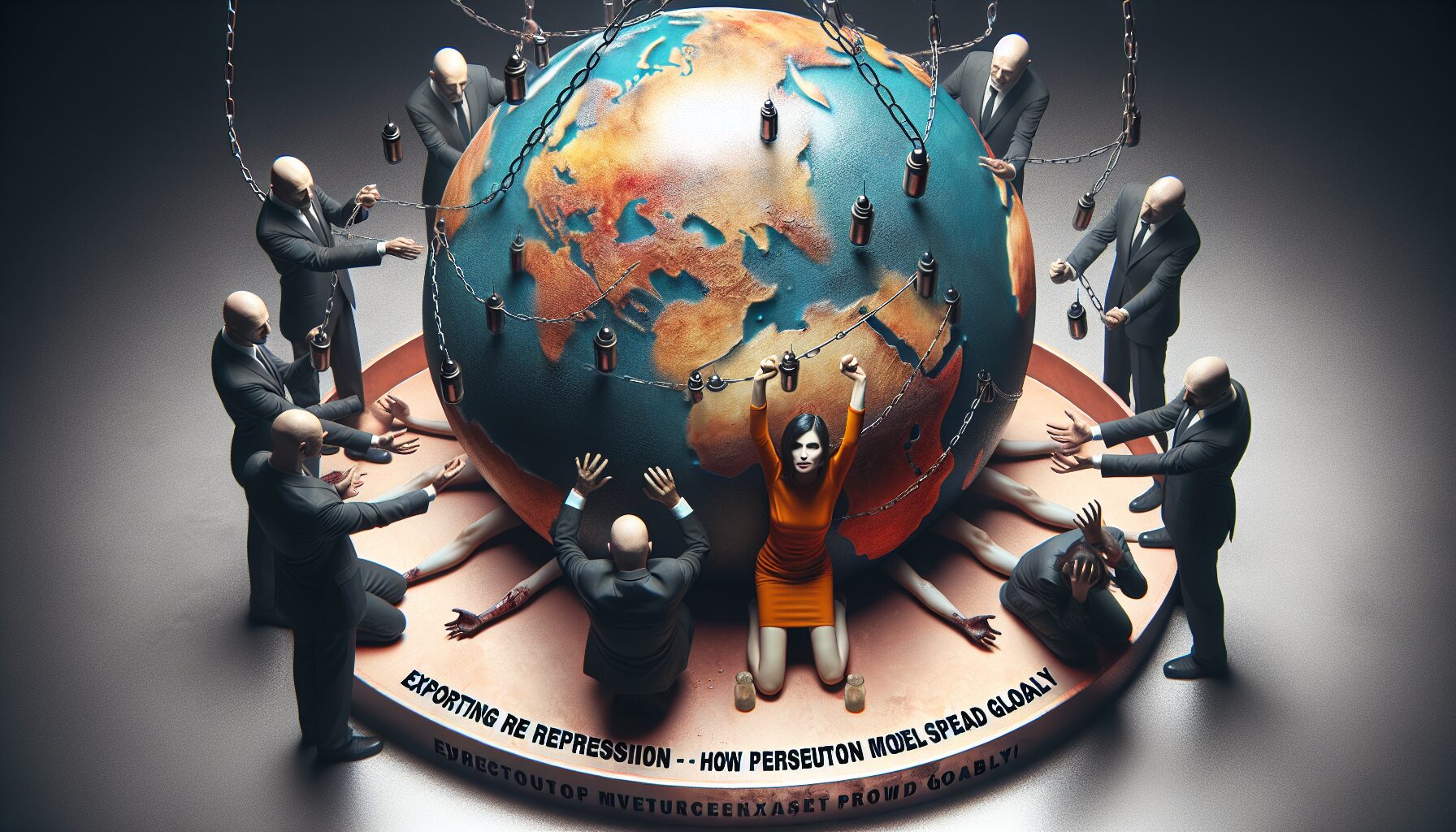
    Societies around the globe are built like sprawling towers, constructed over centuries with layer upon layer of systemic oppression. These frameworks, designed to maintain specific hierarchies, have permeated the fabric of governance, culture, and economy, creating profound inequalities. Healing from these oppressive systems requires a multifaceted approach. This involves recognizing historical injustices, fostering inclusive policies, and prioritizing collective healing processes.

    Understanding Systemic Oppression

    Systemic oppression is the institutionalized discrimination that is seamlessly woven into the societal structure, oppressing marginalized groups while benefitting dominant communities. These systems span across education, healthcare, law enforcement, and employment, manifesting as racism, sexism, ableism, and more.

    “We often think of oppression as a closed door, but it’s also a foundational part of the structures we build and maintain,” notes sociologist Iris Marion Young, a vocal critic of social injustice.

    Young’s observation encapsulates the pervasive and insidious nature of systemic oppression, which often masquerades as normalcy within societal norms.

    Recognizing Historical Injustices

    Addressing systemic oppression demands an acknowledgment of the past. Nations like South Africa, Germany, and more recently, Canada have set precedents through truth and reconciliation commissions aimed at healing historical wounds. These initiatives foster dialogue, transparency, and accountability, crucial for communities affected by past injustices.

    “When a society fails to recognize the traumas of its past, it risks perpetuating them,” says historian Adam Hochschild, author of numerous works on colonialism and imperial legacies.

    Creating Inclusive Policies

    Policies play a critical role in dismantling oppressive structures. Governments and organizations need to implement inclusive practices that reflect diverse identities and experiences. This includes equitable access to education, healthcare, and employment opportunities—as well as law reforms that protect all demographics, especially those who have been historically marginalized.

    • Education: Schools should integrate diverse histories and cultural studies into their curricula to foster understanding and empathy from a young age.
    • Healthcare: Ensuring healthcare systems are accessible and considerate of diverse needs, from languages to cultural competency.
    • Employment: Organizations should promote inclusive hiring practices and provide avenues for marginalized groups to voice their concerns.

    The Role of Community and Healing

    True healing necessitates community engagement and support. Initiatives such as community dialogues, workshops, and support groups spearheaded by non-profits and governmental bodies can be catalysts for change. These platforms enable sharing of experiences, fostering collective understanding and resilience.

    “Healing is a community process, not just an individual journey,” explains Resmaa Menakem, a renowned therapist and author. His work emphasizes the importance of collective reflection and support systems in overcoming trauma caused by systemic oppression.

    Envisioning a New Paradigm

    While dismantling systemic oppression is a formidable challenge, envisioning a new societal paradigm is equally critical. It involves the reconstruction of systems that prioritize equity, justice, and empathy. Angela Davis, an esteemed academic and activist, suggests that “radical simply means ‘grasping things at the root,’” highlighting the need to fundamentally rethink and reframe our societal structures.

    Integrating technology, such as data analytics and artificial intelligence, may further aid in identifying and addressing inequities. However, these tools should be employed ethically and inclusively to avoid perpetuating existing biases.

    Conclusion

    Healing from systemic oppression is an ongoing process rather than a destination. It requires a steadfast commitment from individuals, communities, and institutions. By acknowledging past injustices, creating inclusive policies, fostering community healing, and innovating new frameworks, societies can dismantle oppressive structures and build equitable futures.

    As we continue to rise and reshape our towers, let us do so with bricks of compassion, integrity, and an unwavering commitment to justice. Together, we can forge pathways to healing and transformation, dismantling the oppressive edifices of the past and envisioning a future where equity is not just an aspiration, but a reality for all.


  • How Systems Break Dissidents – Step-by-Step Oppression

    How Systems Break Dissidents – Step-by-Step Oppression

    How Systems Break Dissidents – Step-by-Step Oppression

    How Systems Break Dissidents – Step-by-Step Oppression

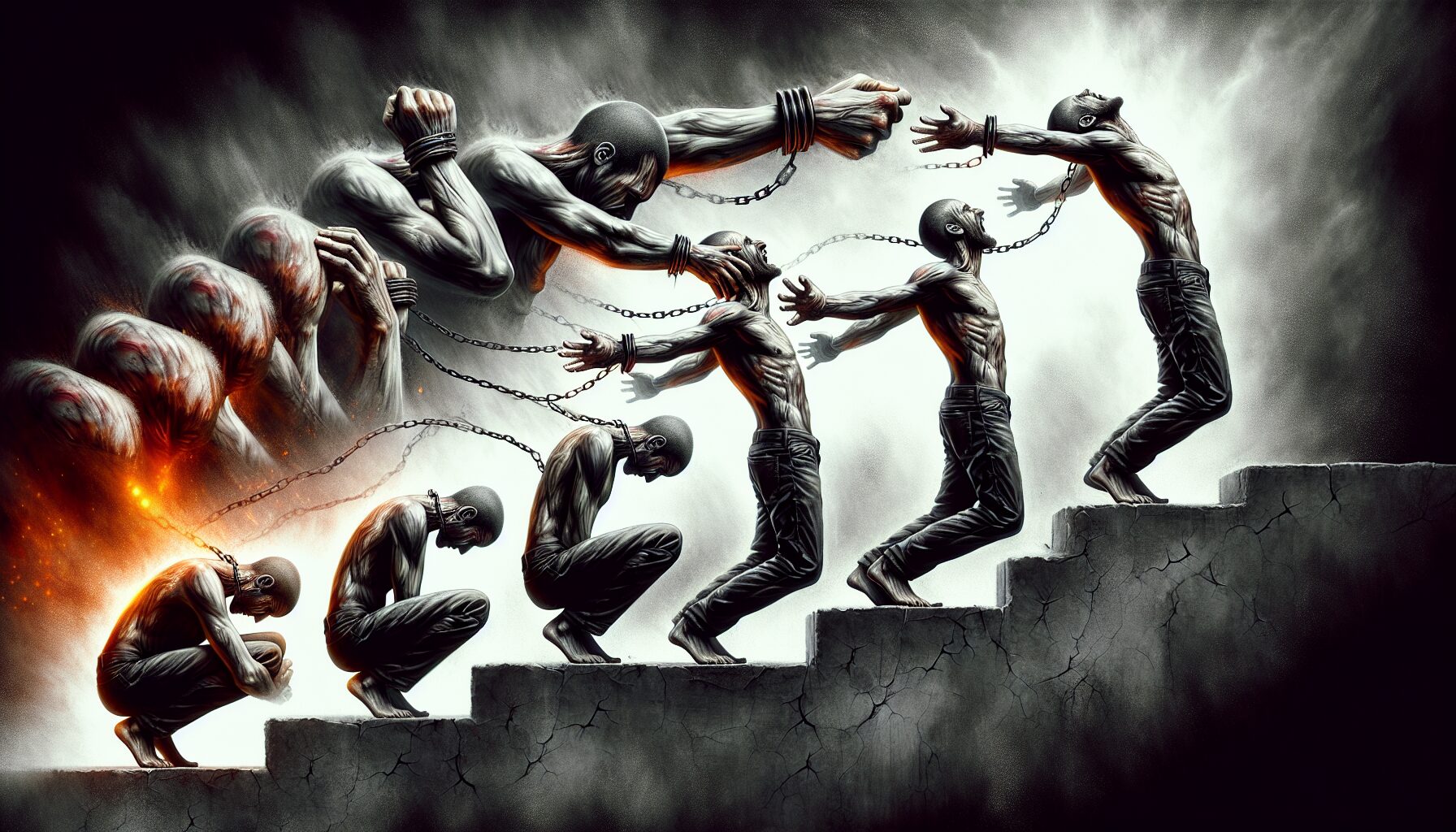
    Throughout history, authoritarian regimes have developed systematic methods to suppress dissent, ensuring their grip on power remains unchallenged. These methods, while varying in execution, follow a disturbingly similar pattern designed to isolate and break down opposition. Below is a step-by-step examination of how systems across the globe and history have successfully silenced dissidents.

    1. Identification and Surveillance

    • Identification: The first step involves identifying those who pose a threat to the status quo. This could be political activists, journalists, or even artists whose work questions or criticizes the government.
    • Surveillance: Once identified, dissidents are placed under intense surveillance. This includes monitoring digital communications, routine checks on social networks, and physical surveillance to gather incriminating evidence or simply intimidate.

    2. Character Assassination and Discrediting

    • Media Manipulation: Regimes often use state-controlled media to launch smear campaigns against dissidents. False narratives are crafted to depict them as criminals or elements acting against national interests.
    • Public Shaming: Public campaigns are utilized to discredit the dissidents in the eyes of the general populace. This isolates them from potential allies and supporters.

    3. Legal and Bureaucratic Harassment

    • Arrests and Imprisonment: Fabricated charges are a common tool. Activists are often charged with crimes against the state or under broad anti-terrorism laws which provide few legal protections.
    • Bureaucratic Challenges: Delays in legal processes, frequent court summons, and financial penalties are used as tools to exhaust the resources and resolve of dissidents.

    4. Isolation and Psychological Pressure

    • Isolation from Society: Cutting off social interactions is a powerful way to exert control. Dissidents are often placed under house arrest or imprisoned in solitary confinement.
    • Psychological Tactics: Authorities may employ various psychological tactics, including threats to family members, to wear down resolve. As George Orwell noted in his seminal work 1984, “The object of persecution is persecution.”

    “A regime’s treatment of those who disagree is a stark reminder of its power and intent. History has shown us it is not only the act of saying ‘no’ that requires courage, but also the decision to keep standing tall amid systematic suppression.” – Human Rights Watch

    Understanding these patterns helps in devising strategies to resist and counteract such oppression. While tactics may differ slightly between regimes and eras, the underlying intent and impact remain a constant reminder of the vigilance required to uphold freedom and human rights.

  • The Machinery of Marginalization – Understanding Institutional Persecution

    The Machinery of Marginalization – Understanding Institutional Persecution

    In societies around the world, patterns of persecution have proven relentless and complex, entrenched in the very fabric of socio-political structures. Institutional persecution manifests itself through systemic and sustained injustices that marginalize entire communities based on ethnicity, religion, gender, sexual orientation, or other identity factors. This article delves into how institutional mechanisms contribute to such marginalization, exploring historical contexts, contemporary examples, and potential pathways toward meaningful change.

    Understanding Institutional Persecution

    Institutional persecution refers to policies, laws, or informal practices within institutions that deliberately or inadvertently discriminate against certain groups. These institutions can include government bodies, educational systems, law enforcement agencies, or healthcare systems. Such persecution is often subtle, making it more insidious and difficult to dismantle.

    “The arc of the moral universe is long, but it bends toward justice.”

    Martin Luther King Jr.

    However, the struggle against institutionalized injustice demands vigilance, persistence, and a comprehensive understanding of historical and geopolitical factors.

    Historical Roots of Institutionalized Persecution

    Throughout history, societies have devised systems that categorize and hierarchize people. From the caste system in India to the apartheid regime in South Africa, these structures have institutionalized discrimination and entrenched disparities. Such historical modes of persecution provide a blueprint from which current institutions often unconsciously draw.

    The Caste System in India

    • Origins: Dating back over 3,000 years, the caste system is rooted in Hindu scriptures, dividing people into varna or classes.
    • Impact: These classifications dictated roles, responsibilities, and rights, severely limiting the social mobility of lower castes, especially the Dalits.

    The caste system’s legacy still affects India’s socio-economic fabric despite legal outlawing, demonstrating the persistent power of institutionalized exclusion.

    South African Apartheid

    • Origins: Instituted in 1948 by the National Party, apartheid legally enforced racial segregation.
    • Impact: The system curtailed the rights of the majority black inhabitants of South Africa, affecting their access to resources and political power.

    After years of international and domestic resistance, apartheid officially ended in 1994, yet its socio-economic repercussions are still felt today.

    Contemporary Manifestations of Institutional Persecution

    While the overt mechanisms of persecution have evolved, contemporary institutions still perpetuate systemic inequities through more covert methods.

    Education Systems

    Educational institutions often reflect societal biases and amplify inequalities. According to a study by the OECD, students from marginalized communities face significant barriers in accessing quality education. Disparities in funding, curricula that lack cultural competency, and discriminatory disciplinary practices hinder their educational attainments.

    Healthcare Disparities

    Marginalized groups often experience widespread inequities in healthcare, exemplified by lack of access and insufficient attention to specific health needs. A report by the World Health Organization highlights that indigenous and racial minority populations face disproportionately higher rates of diseases and poor health outcomes.

    Biases within healthcare systems, where practitioners may unconsciously harbor prejudices, result in misdiagnoses and inadequate treatments, exacerbating existing health disparities.

    “Of all the forms of inequality, injustice in health care is the most shocking and inhumane.”
    — Martin Luther King Jr.

    Legal and Law Enforcement Systems

    Law enforcement practices and judicial systems remain a significant arena of institutional persecution. Discriminatory sentencing, racial profiling, and over-policing in minority communities are stark indicators of systemic rationalization of inequity.

    An analysis by the Sentencing Project reveals that people of color remain vastly overrepresented in the judicial system. This disproportionality is not merely reflective of crime rates but of deeply entrenched biases within the justice system.

    The Pathway to Change

    Deconstructing the machinery of marginalization requires a multifaceted approach, addressing both the outcomes and the ingrained perceptions that sustain these issues. Key strategies include policy reform, education, advocacy, and inclusive representation.

    Policy Reform

    • Equitable Legislation: Enacting and enforcing policies that address the specific needs of marginalized communities, ensuring protection and equal opportunity.
    • Transparency and Accountability: Holding institutions accountable through legislative oversight and independent review bodies.

    Education and Awareness

    Increasing awareness about institutional biases within educational curriculums can empower individuals to critically evaluate and challenge discriminatory practices:

    • Diversity Training: Implementing comprehensive diversity and sensitivity training at institutional levels.
    • Cultural Competency: Incorporating diverse perspectives and histories into educational materials.

    Advocacy and Representation

    Marginalized communities must have adequate representation within institutions to advocate for inclusive policies and practices:

    • Leadership Roles: Promoting diversity within leadership and decision-making positions.
    • Community Engagement: Encouraging direct community participation in policymaking processes.

    Conclusion

    The machinery of marginalization may appear entrenched, but history reveals the possibility of bending oppressive systems towards justice with persistence, solidarity, and proactive reform. By recognizing and addressing institutional persecution in all its forms, societies can work towards a more equitable and just future.

  • Repair and Renewal — The art of admitting wrong in sacred systems

    Repair and Renewal — The art of admitting wrong in sacred systems

    Repair and Renewal: The Art of Admitting Wrong in Sacred Systems

    In the intricate tapestry of sacred systems, be they religious institutions, cultural traditions, or community rituals, admitting mistakes can be a profound act of courage and humility. This process of acknowledging errors is not merely about owning up to past wrongs; it is a vital component of renewal and deeper understanding.

    Breaking the Silence

    Acknowledging mistakes in sacred systems can help break the silence that often surrounds institutional failings. As the philosopher Marcel Proust once remarked, “We are healed of a suffering only by experiencing it to the full.” Bringing these issues to light is the first step toward healing and transformation. This candid approach not only allows communities to address and correct errors but also strengthens the bond among members through honesty and transparency.

    Learning from Past Mistakes

    Admitting wrongs provides an invaluable opportunity for growth and education. In a Harvard Business Review article, leadership experts emphasize the importance of learning from failures as a tool for achieving future success. By understanding where they have gone astray, sacred systems can realign their practices with their foundational values. This learning process often ignites innovative approaches and fresh perspectives, sparking a renewal that honors tradition while embracing change.

    “Mistakes are the portals of discovery,”

    wrote the novelist James Joyce. This quote resonates strongly within sacred systems, where admitting errors can transform challenges into opportunities. It serves as a reminder that true adherence to spiritual or cultural principles lies not in claiming infallibility but in the ongoing pursuit of truth.

    Fostering Trust and Integrity

    The act of admitting mistakes fosters a culture of trust and integrity within sacred systems. As Psychology Today points out, sincere apologies can rebuild trust and mend relationships that may have been strained by past actions. Trust is a cornerstone of any community, and it is through the honest admission of faults that leaders and followers can cultivate a resilient bond based on mutual respect and shared values.

    The Path to Enlightenment

    Ultimately, the art of admitting wrong in sacred systems is an ongoing journey toward enlightenment. While it requires vulnerability, the resultant repair and renewal are essential for growth. Embracing errors as part of the human experience augments the sacred nature of these systems, allowing them to evolve while retaining their spiritual essence.

    In conclusion, acknowledging mistakes within sacred systems is more than an act of rectification; it is a path to transformation for communities, nurturing an environment where truth and trust are paramount. In this way, sacred systems continue to serve as beacons of wisdom and compassion in an ever-changing world.

  • Systems That Cannot Repent — Why spiritual institutions resist correction

    Systems That Cannot Repent — Why spiritual institutions resist correction

    In a world where change is the only constant, spiritual institutions often stand as bastions of tradition and continuity. Their resilience and adherence to established doctrines can provide stability in times of turmoil and uncertainty. However, these same characteristics can sometimes render spiritual institutions resistant to correction, leaving them seemingly incapable of repentance. This begs the question: why do these systems struggle to embrace change?

    Inherent Inflexibility in Doctrine

    One of the primary reasons spiritual institutions resist correction lies in their foundational doctrines. Many religious teachings are rooted in ancient texts considered infallible by adherents. This permanence, while offering a clear guidance, also creates an inherent inflexibility. According to scholar Karen Armstrong, author of The Case for God, “Religions must strive, and usually with some success, to create a countercultural ideology that resists change.”

    Institutional Power Dynamics

    A significant barrier to repentance is the power structure within these institutions. Leadership often concentrates in the hands of a few, who may view change as a threat to their authority. The historian and theologian Diarmaid MacCulloch has noted, “Religious institutions, like all organizations, can develop a form of institutional conservatism where self-preservation becomes the main priority.” This status quo bias means admitting to past mistakes can be seen as undermining authority, thereby being fiercely resisted.

    Fear of Divisive Consequences

    Spiritual institutions also fear the divisive consequences of acknowledging and correcting past wrongs. Given that their communities are often bound tightly by shared beliefs, leaders may worry that admitting fault could fracture unity. This fear was echoed by Reza Aslan, a renowned religious scholar, in his book No god but God, where he explains, “For an institution whose authority is derived entirely from divine sanction, repentance can be seen as not merely admitting fault, but risking the very legitimacy of its existence.”

    The Role of Continued Dialogue

    In the face of these challenges, continued dialogue remains crucial for spiritual institutions to evolve meaningfully. Opening channels for discussion allows a safe space for communities to explore necessary changes without the immediate fear of upheaval. Facilitating these conversations can lead to gradual, considered corrections that may eventually lead to genuine repentance.

    Ultimately, the resistance to correction within spiritual institutions is complex and multifaceted. While entrenched doctrines, power dynamics, and fear play significant roles, proactive dialogue remains a beacon of hope for these systems to embrace change while continuing to offer the stability they’ve provided to countless generations.

  • Ritualized Exclusion — How systems normalize alienation

    Ritualized Exclusion — How systems normalize alienation

    Ritualized Exclusion: How Systems Normalize Alienation

    In societies across the globe, systems have often normalized processes that lead to the exclusion and alienation of certain groups. This paradigm, known as ritualized exclusion, functions through various mechanisms, embedding discrimination within the frameworks of daily life. As such, understanding these rituals offers a crucial lens through which to analyze both historical and contemporary societal structures.

    Defining Ritualized Exclusion

    Ritualized exclusion refers to the systematic practices that perpetuate the marginalization of individuals or communities based on characteristics such as race, gender, socioeconomic status, or religion. These practices are “ritualized” because they are habitual and ingrained into the societal fabric, becoming normalized over time.

    “Rituals are the vehicles par excellence for the transmission of values and other cognitive categories that are of critical importance to the individual and society,” notes Victor Turner, an anthropologist renowned for his studies on rites of passage and symbols.

    Historical Perspectives on Exclusion

    Throughout history, exclusion has been institutionalized in various forms:

    • Caste Systems: In ancient India, the caste system effectively institutionalized segregation and inequality, where individuals were assigned a social status based on their birth.
    • Jim Crow Laws: In the United States, “Jim Crow” laws from the late 19th to the mid-20th century enforced racial segregation and disenfranchisement of African Americans.
    • Apartheid: In South Africa, apartheid policies legally enforced racial discrimination and segregation from 1948 to 1994.

    These systems highlight how exclusionary practices can be legally codified, reinforcing divisions that persist for generations.

    Modern Manifestations of Ritualized Exclusion

    In contemporary settings, ritualized exclusion often takes subtler forms. It is facilitated through practices and policies that, while perhaps not overtly discriminatory, result in significant disparities:

    • Healthcare Disparities: Access to healthcare often varies dramatically across different socioeconomic and ethnic groups, contributing to unequal health outcomes.
    • Educational Inequities: Funding formulas for public schools frequently favor affluent neighborhoods, resulting in an education system where resources are unequally distributed.
    • Workplace Discrimination: Despite equal opportunity laws, many workplaces have cultures that subtly disfavor minorities, as shown by Thomas Schmidt in his 2021 study, “Invisible Barriers: Workplace Culture and Diversity”.

    These examples show how systemic bias can persist even within institutions designed to promote equality.

    The Psychology Behind Exclusion

    Ritualized exclusion is not just a social phenomenon; it is deeply rooted in human psychology. Social identity theory, proposed by Henri Tajfel, suggests that individuals derive a sense of self from their group memberships. Exclusion becomes a byproduct of this theory, as individuals seek to protect the perceived status of their group, often by alienating others.

    This behavior is compounded by confirmation bias, where people favor information that confirms their pre-existing beliefs or values, making it harder to challenge the status quo. As Richard S. Lazarus notes in “Cognitive and Behavioral Reactions to Stress”, “Threats to one’s social identity, as occurs with exclusion, can activate stress response systems, leading to enhanced group cohesion at the expense of outgroup members.”

    Challenging Ritualized Exclusion

    Addressing ritualized exclusion requires systemic changes and societal commitment:

    • Policy Reform: Robust anti-discrimination laws and policies that actively promote inclusivity can dismantle entrenched systems of exclusion.
    • Education: Initiatives that foster understanding and empathy across differences, starting early in educational settings, can rewrite long-standing cultural narratives.
    • Active Advocacy: Grassroots movements and advocacy groups play critical roles in challenging exclusionary practices and pushing for meaningful reforms. Organizations like the American Civil Liberties Union (ACLU) and Human Rights Watch have long fought against systemic injustices.

    The Path Forward

    While the challenges are significant, the path toward dismantling ritualized exclusion lies in collective action. By recognizing the deeply ingrained structures that perpetuate alienation, societies can work towards creating inclusive environments where all individuals are valued and able to participate fully.

    Ultimately, to move forward, we must confront our past and present with honesty and intention, ensuring that the rituals of tomorrow are ones that celebrate diversity and inclusion, rather than perpetuate exclusion.

  • The Politics of Purity — Spiritual systems as social machines

    The Politics of Purity — Spiritual systems as social machines

    Throughout history, spiritual systems have played a pivotal role in shaping social norms and driving political agendas. From ancient rituals to contemporary religious movements, the quest for spiritual purity has often intertwined with the mechanisms of power, creating complex socio-political dynamics. This article explores how spiritual systems function as social machines, influencing politics through the lens of purity.

    The Concept of Purity in Spiritual Systems

    Purity, in many spiritual contexts, is considered a state of being free from sin, corruption, or anything that defiles. In Hinduism, Atman (the soul) is inherently pure but becomes clouded by attachment and desire. In Christianity, the baptismal rite symbolizes the cleansing of sin and the renewal of purity. These notions of purity serve not only as personal spiritual goals but also as collective societal ideals.

    Religious historian Mircea Eliade observed, “Every religion seeks to effect a change of level of being; all religious life is based on the experience of hierophany, the manifestation of the sacred.” This quest for purity, then, is systemic, driving sacred and social transformations.

    Spiritual Systems as Tools of Social Order

    Spirituality and religion often establish moral codes that transcend individual communities, promoting social cohesion and stability. These codes dictate behavior, reinforce hierarchies, and ensure conformity. This is particularly evident in systems where purity is associated with divine favor, positioning religious leaders as both spiritual guides and societal figureheads.

    • Hindu Caste System: A traditional example is the caste system in Hinduism, where purity stratifies society into rigid categories. Ritualistic purity determines social status, with Brahmins occupying the apex. Purity laws dictate interactions, marriages, and occupations, effectively maintaining social order through religious doctrine.
    • Islamic Law: In Islam, Sharia law encompasses a range of guidelines governing diverse aspects of life. While emphasizing spiritual purity, it influences governance and culture, creating a legal framework grounded in religious morality.

    The Politics of Purity

    The pursuit of purity often extends beyond personal spirituality, influencing broader political agendas. Political entities capitalize on spiritual sentiments to consolidate power and legitimize authority. This manipulation of spiritual purity can lead to the formation of theocratic states or policies that prioritize religious morals over secular governance.

    “Purity is political. It can be mobilized to build social boundaries, justify exclusion, or advocate for reform,” emphasizes sociologist Susan Bibler Coutin in her studies on religion and society.

    Historical Examples

    • Medieval Christianity: The medieval Church wielded the concept of purity to legitimize the power of the papacy and kingdoms. The Crusades, often portrayed as a spiritual quest to reclaim holy lands, utilized purity narratives to mobilize masses and justify warfare.
    • Tibetan Buddhism and Politics: The concept of spiritual purity is deeply embedded in Tibetan Buddhism. The Dalai Lama, as both a spiritual and a temporal leader, carries sanctity and moral authority, influencing political decisions and international perceptions.

    Modern Repercussions

    In contemporary society, spiritual systems still exert substantial influence on politics, especially where religious and cultural identities overlap. Political leaders often harness religious rhetoric to appeal to voters, instilling a sense of collective moral purpose.

    Case Studies

    • India’s Political Landscape: In India, the rise of Hindu nationalism exemplifies the intertwining of religion and politics. Politicians increasingly position themselves as defenders of Hindutva—a concept of Hindu cultural dominance—using purity as a rallying cry for political support.
    • The United States: In the United States, the evangelical movement wields considerable political power, influencing policies on issues like abortion and same-sex marriage. The narrative of spiritual purity underpins many of these political stances, rallying constituents around perceived moral imperatives.

    The Danger of Manipulating Purity

    The strategic use of purity in politics is fraught with potential for misuse. When spiritual systems serve as tools for political ends, they risk promoting division, perpetuating inequality, and justifying oppression. The focus on purity can lead to exclusionary practices that marginalize those who do not conform to established norms.

    Social Impact

    • Discrimination: Groups deemed “impure” by mainstream spiritual or political standards often face discrimination, ostracism, or violence. This is evident in the treatment of religious minorities, LGBTQ+ communities, and marginalized castes or classes.
    • Polarization: The emphasis on purity can contribute to social and political polarization, as seen in the divisive rhetoric used in many contemporary elections and policy debates.

    Conclusion

    As we navigate the complexities of modern society, understanding the role of spiritual systems as social machines becomes crucial. By examining the politics of purity, we can uncover the undercurrents shaping our ideological landscapes and critically assess the interplay between faith and governance. While spirituality can enrich personal lives and foster community, its politicization demands vigilance to ensure it does not become a tool for exclusion or oppression.

    Ultimately, the quest for purity in spiritual systems reflects a deeper human desire for meaning and order. How these desires are harnessed, however, dictates whether they serve to uplift or divide our societies.

  • Organizational Karma — Systems that inherit the errors of their founders

    Organizational Karma — Systems that inherit the errors of their founders

    Organizational Karma: Systems That Inherit the Errors of Their Founders

    In the intricate tapestry of organizational life, the concept of “Organizational Karma” emerges as an intriguing phenomenon. Much like individuals carry the weight of past actions, organizations often find themselves under the shadow of their founders’ decisions. These foundational choices, whether beneficial or flawed, ripple through time, sculpting the very essence of the organization’s trajectory.

    The Foundation’s Shadow

    The decisions made at the inception of any organization resonate throughout its life span. From company culture to operational processes, initial choices can create a legacy—sometimes of innovation and success, other times, of recurring challenges.

    “The bottleneck is at the top of the bottle.”

    — Peter Drucker

    Drucker’s words encapsulate the core idea of organizational karma. The culture and values set by founders often establish a path-dependent trajectory, leading successive leaderships to inherit both the strengths and weaknesses of their predecessors. This inherited culture can shape the organization’s adaptability, as evidenced in numerous case studies.

    Manifestations of Organizational Karma

    • Cultural Legacy: A company’s early cultural decisions can instill values that persist. IBM, for example, has long been known for its formal dress code and conservative culture, with roots tracing back to its inception in the early 20th century. Such cultural norms can become ingrained, making change particularly challenging.
    • Technological Inertia: The technology stack that an organization chooses initially can have long-term effects. Organizations that opt for proprietary systems, for example, may find themselves constrained in the future, unable to easily adapt to open-source or more modern solutions, akin to how organizations locked into legacy systems still grapple with digital transformation today.
    • Operational Practices: Founders’ decisions around operations—whether focusing on centralized vs. decentralized structures—can dictate an organization’s ability to scale or adapt. The benefits and drawbacks of these original structures become apparent as the organization grows.

    Breaking the Cycle

    Organizations hoping to overcome the pitfalls of their inherited karma can take proactive steps. Embracing flexibility and fostering a culture of continuous learning can ameliorate the negative impacts of past decisions. Forward-thinking leadership that is willing to challenge the status quo can redefine the trajectory of the organization.

    In conclusion, while the notion of organizational karma suggests that the errors of the past can haunt present-day operations, it also provides a framework for improvement. Understanding these inherited challenges can empower organizations to evolve and transcend their foundational limitations, crafting a new legacy for future generations.

  • The Language of Punishment — How “correction” disguises cruelty

    The Language of Punishment — How “correction” disguises cruelty

    Throughout history, the language used around punishment has often served to disguise the cruelty inherent in many correctional practices. This article seeks to explore how the euphemistic terminology around “correction” often masks a darker reality that underpins punitive systems worldwide.

    The Semantics of Correction

    Words have power. The vocabulary of punishment is no exception, with terminology frequently employed to soften, rationalize, or altogether obscure the harsh realities of penal systems. The use of the term correctional facility instead of prison or penitentiary is a prime example, implying a benevolent goal of reformation and improvement where often there is little more than punishment and confinement.

    “Language is a source of misunderstanding.” — Antoine de Saint-Exupéry

    Saint-Exupéry’s insight is particularly profound when applied to the language of punishment. Words like rehabilitation and correction suggest a transformative process that in reality, many argue, is a facade for a system primarily focused on retribution and societal control.

    Historical Perspectives on Punishment

    To understand the evolution of language around punishment, it is useful to look at historical approaches to penal systems:

    • Medieval Practices: Historically, punishments were overtly brutal, with practices such as public floggings and executions serving as both punishment and deterrent. These acts were seldom disguised with euphemistic language.
    • The Enlightenment Shift: With Enlightenment came a shift towards less violent, but no less punitive, systems. Terminology began to evolve as society grappled with the ideas of penance and reform.
    • Modern Era: The 19th and 20th centuries saw the rise of the penitentiary or correctional facility, where the language suggested a focus on penance and personal improvement.

    The Reality Behind Euphemistic Language

    Despite the softened language, the American penal system, for instance, remains one of the harshest in the world. Prisons are often overcrowded, underfunded, and rife with violence, leading critics to question whether the system is more about punishment than rehabilitation.

    “The degree of civilization in a society can be judged by entering its prisons.” — Fyodor Dostoevsky

    Dostoevsky’s observation underscores the critical perspective that a society’s treatment of its incarcerated speaks volumes about its values and moral standing. The cruelty underlying the label correctional becomes apparent when examining conditions within these institutions:

    • Overcrowding: Facilities often house more inmates than they were designed for, leading to inadequate access to resources and services.
    • Solitary Confinement: Despite being termed “administrative segregation,” this practice can have severe psychological effects on inmates.
    • Privatization: The rise in private, for-profit prisons incentivizes incarceration rates over rehabilitation outcomes.

    Reevaluating Our Approach

    In questioning the efficacy of euphemisms in correctional discourse, it becomes necessary to consider alternatives that may bridge the gap between language and practice:

    • Restorative Justice: An approach that emphasizes healing for victims and reintegration for offenders, aiming to address the root causes of criminal behavior rather than simply punishing it.
    • Educational and Vocational Training: Providing inmates with skills and education to reintegrate into society more successfully.
    • Decarceration: Reducing reliance on incarceration, especially for non-violent offenders, and investing in community-based alternatives.

    The Power to Change the Narrative

    The language of punishment is not just a reflection of practices but also an influencer of policy and perception. By challenging the euphemistic terms commonly used, society can prompt a reevaluation of punishment philosophies, potentially steering towards more humane and effective systems.

    Ultimately, the goal should not be to produce a more palatable form of incarceration through language, but to create genuine reform in penal systems across the globe. In the words of civil rights leader Nelson Mandela:

    “It is said that no one truly knows a nation until one has been inside its jails. A nation should not be judged by how it treats its highest citizens, but its lowest ones.” — Nelson Mandela

    As society moves forward, a critical examination of the language of punishment can serve as a catalyst for true correction—not just in terms and labels, but in the real lives of those it affects.