Tag: religious

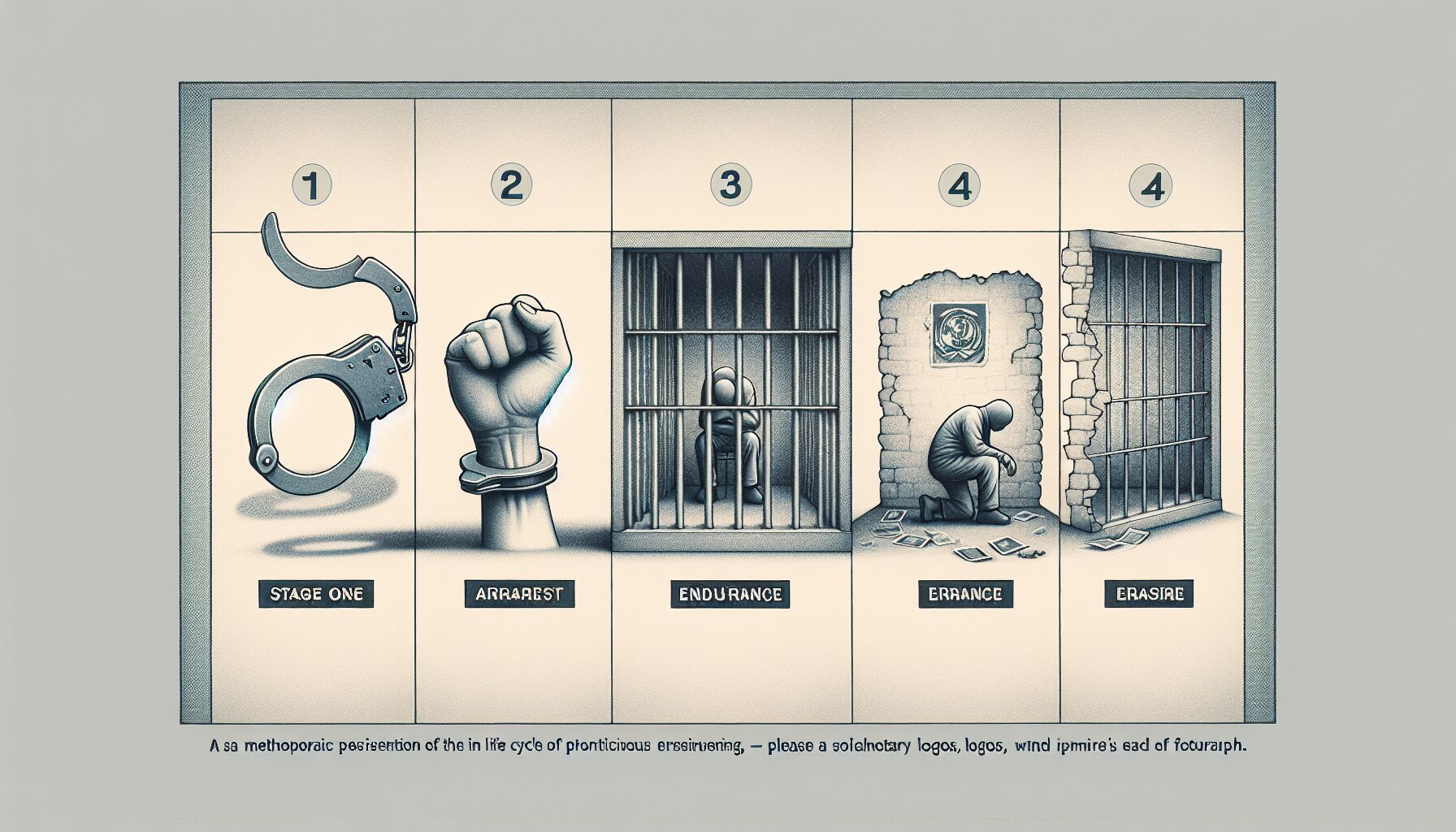
  • When Belief Becomes a Crime – The anatomy of spiritual repression

    When Belief Becomes a Crime – The anatomy of spiritual repression

    When Belief Becomes a Crime: The Anatomy of Spiritual Repression

    Throughout history, spiritual and religious beliefs have often clashed with authoritative powers, leading to widespread repression. From ancient civilizations to modern states, belief systems have sometimes been viewed as threats to political and social stability. This article delves into how and why certain beliefs have been criminalized over time, examining the complex intersection of faith and power.

    Historical Context of Religious Repression

    The roots of spiritual repression can be traced back to ancient times. Empires and kingdoms often sought control over religious practice to unify their populations and maintain governance. A crucial example is the Roman Empire, which initially persecuted Christians due to their refusal to worship Roman gods and the emperor, thereby threatening the established social order.

    “The blood of the martyrs is the seed of the Church.” – Tertullian

    This quote by Tertullian, an early Christian author, reflects the paradoxical nature of repression, where attempts to stifle a belief can lead to its proliferation. The well-documented persecution of Christians, which sought to curb dissent and preserve traditional Roman values, ultimately resulted in the widespread growth of Christianity.

    Mechanisms of Repression

    Religious repression involves several mechanisms, including legal restrictions, social stigmatization, and economic sanctions. Governments may enact laws that penalize specific religious practices, categorize certain groups as cults, or limit freedom of expression.

    • Legal Restrictions: Anti-conversion laws in some countries are designed to prohibit religious conversions, thereby maintaining the dominance of the prevailing faith.
    • Social Stigmatization: Minority religious groups might be labeled as dangerous or subversive, as seen in the treatment of Jehovah’s Witnesses in various countries.
    • Economic Sanctions: In some cases, followers of persecuted religions may face financial penalties, such as prohibitions on inheritance or property ownership.

    Modern-Day Examples

    The 21st century is not devoid of religious persecution. Countries with totalitarian governments or religious nationalism often view certain beliefs as adversarial to state ideology or national identity. A prominent contemporary example is the plight of the Uighur Muslims in China.

    “Credible reports suggest that over a million people are being held in China’s internment camps in Xinjiang, where they are subjected to forced indoctrination, abuse, and torture.” – Human Rights Watch

    Reports by Human Rights Watch and other watchdog organizations highlight the scale and severity of China’s repression of Uighur Muslims. These actions are often justified under the guise of combating extremism.

    In the Middle East, Baha’is face systematic persecution in Iran, where their faith is seen as a political infringement. The International Campaign for Human Rights has noted that Baha’is face discrimination in employment, education, and the denial of civil rights solely based on their religious beliefs.

    The Impact of Repression

    Religious repression often leads to a multitude of socio-political consequences. It can foster environments of fear and mistrust, lead to refugee crises as communities flee persecution, and even incite radicalization. Furthermore, repression of beliefs can result in the loss of cultural and spiritual diversity.

    Ironically, repression can also fortify a community’s resolve, as seen throughout history. Banned beliefs are practiced in secret, nurturing a strong sense of identity and solidarity among adherents.

    Global Efforts and Challenges

    While international organizations attempt to mitigate religious repression, their efforts are often hampered by geopolitical complications. Institutions like the United Nations advocate for religious freedom, yet enforcement remains challenging due to state sovereignty.

    The resilience of spiritual communities and the push for legal reforms have sparked movements for change. Organizations such as Freedom House and USCIRF (United States Commission on International Religious Freedom) continue to monitor violations and campaign for policy changes.

    Conclusion

    The anatomy of spiritual repression reveals a long-standing tension between authority and belief. While the repression of beliefs can lead to temporary suppression, history shows that these efforts often have the opposite effect, paving the way for greater resilience and eventual reform. Efforts to curb religious repression must be sustained and multifaceted to ensure the protection of one of humanity’s most fundamental freedoms – the freedom to believe.

  • Praying in the Shadows – Everyday life under religious persecution

    Praying in the Shadows – Everyday life under religious persecution

    In many parts of the world, practicing one’s faith freely is a cherished right. Yet, for millions, exercising this freedom is fraught with danger. In these regions, religious persecution shadows everyday life, forcing individuals to worship in secrecy and live in constant fear.

    Globally, over 360 million Christians live in areas with high levels of persecution or discrimination, according to the Open Doors World Watch List 2022. This number represents just one faith tradition among many experiencing relentless suppression. From Asia to Africa, stories resound of believers who risk all to maintain their spiritual practices.

    The Reality of Persecution

    • Restricted Worship: In countries like North Korea and Afghanistan, religious assemblies are non-existent or heavily monitored. Gathering to worship can result in imprisonment or worse. “Every time we pray, it feels like defying the odds,” shares an anonymous Christian from Kabul.
    • Social Ostracism: Believers often face alienation from their communities. Individuals such as Rohingya Muslims in Myanmar experience systemic societal exclusion, which compounds their suffering with economic difficulties.
    • Violence and Displacement: In Nigeria, religious conflict has led to widespread violence, particularly against Christian communities in the north. This violence results in forced displacement, disrupting families and livelihoods.

    “Persecution against the Baha’is in Iran has spiked in recent months—driven by the government’s exponential rise in suppressive measures,” detailed a report from the Human Rights Watch.

    The Courage to Persevere

    Despite these hardships, many persecuted individuals find solace in their faith. Under the oppressive regimes, underground worship communities thrive, representing resilience and hope. In China, where the government strictly controls religious activities, the growth of unregistered “house churches” reflects a defiant commitment to faith.

    Efforts to alleviate these injustices often depend on international attention. Organizations advocate for increased awareness and pressure on offending governments to uphold religious freedoms. “Building a global movement is vital to protect these vulnerable populations,” says Amnesty International.

    The struggle for religious freedom is ongoing and demands a unified global response. By supporting these communities through advocacy and awareness, there is hope that one day, praying in the shadows will no longer be necessary.

  • Silenced by Faith – How modern states criminalize belief

    Silenced by Faith – How modern states criminalize belief

    Silenced by Faith: How Modern States Criminalize Belief

    In a world where the freedom to believe is ostensibly heralded as a foundational right, the reality presents a stark contrast. Across various regions, modern states continue to wield the power of legislation and coercion to curtail religious expression, often under the guise of maintaining secularism or national security. This article explores how belief, something deeply personal and existential, becomes entangled in the intricate web of state control.

    The Historical Context

    The intertwining of religion and politics historically dates back centuries. From the reigns of divine monarchs to theocracies, governing systems have frequently exploited religion as a means of consolidating power. However, the Enlightenment era saw the emergence of secularism as a counterbalance, promoting a clear division between church and state. As historian Karen Armstrong notes,

    “The rise of secularism was to protect the sanctity of religion from the corrupting influence of politics.”

    Despite such intentions, the dynamics of faith and state often remain contentious.

    The Modern Landscape

    Today, the situation is paradoxical. While international conventions such as the Universal Declaration of Human Rights enshrine freedom of thought, conscience, and religion, many countries have laws that infringe upon these rights. The global landscape is riddled with instances where states criminalize or otherwise suppress religious belief and practice.

    • China: The Chinese government’s handling of religious groups, particularly Tibetan Buddhists, Falun Gong practitioners, and Uighur Muslims in Xinjiang, is well-documented. Under the guise of combating extremism, China has implemented what it terms “re-education centers,” where reports indicate that cultural and religious indoctrination occurs.[1]
    • Saudi Arabia: Despite being the birthplace of Islam, the Kingdom imposes strict controls over religious practice. The only recognized faith is Wahhabism, and deviation can lead to severe punishments. Amnesty International has reported numerous cases of religious discrimination and persecution against Shi’a Muslims.[2]
    • Russia: The Russian Federation has enacted laws targeting “extremist” religious factions, impacting groups like Jehovah’s Witnesses. In 2017, the Russian Supreme Court labeled them an extremist organization, effectively banning their activities.[3]

    Legislative Instruments of Suppression

    States employ a variety of legislative tools to manage religious expression. Anti-blasphemy laws, anti-terror laws, and strict registration requirements for religious organizations serve as common tactics. These laws often become weapons of persecution against minority faiths.

    Blasphemy Laws

    Blasphemy laws present one of the most evident forms of religious suppression. According to Human Rights Watch, over 70 countries maintain legislation that penalizes blasphemy, apostasy, or defamation of religion.[4] While generally framed as protecting community harmony, these laws are frequently used to target and silence dissenting religious or secular voices.

    Anti-terror Legislation

    In the post-9/11 world, many governments have expanded their rationale for cracking down on religious groups under anti-terror laws. These regulations cast a wide net, often leading to arbitrary arrests and detentions without due process, thus infringing on religious expression and freedom.

    The Impact on Society

    Such repressive measures carry profound social ramifications. Persecution for beliefs often leads to societal fragmentation, deepening divides between different religious and ethnic communities. Fear and mistrust grow pervasive, stifling dialogue and understanding across cultural lines. As theologian Reza Aslan articulates,

    “When people’s identities are criminalized, they are more likely to retreat into extremes.”

    A Way Forward

    Addressing the criminalization of belief requires a concerted international effort. Civil society, international human rights organizations, and progressive state actors must collaborate to monitor and call out rights violations. Furthermore, global governance structures, such as the United Nations, should reinforce accountability mechanisms for states that violate religious freedoms.

    Education and interfaith dialogue initiatives also play a critical role in fostering a more inclusive environment where diversity in belief is respected rather than feared. As globalization continues to interweave disparate cultures and religions, promoting understanding becomes essential to maintaining peace and coexistence.

    Humans have long sought answers to the profound questions of existence through faith. Ensuring the freedom to explore these answers without fear of persecution remains a fundamental challenge and a litmus test for the true progress of any society.


    Footnotes:

    1. Human Rights Watch. “Eradicating Ideological Viruses”: China’s Campaign of Repression Against Xinjiang’s Muslims. Source.
    2. Amnesty International. “The State of the World’s Human Rights.” Source.
    3. BBC News. “Russian Supreme Court Bans Jehovah’s Witnesses.” Source.
    4. Human Rights Watch. “Blasphemy laws are rife across the world.” Source.
  • Under the Banner of Holiness – Harm Done in the Name of Sacredness

    Under the Banner of Holiness – Harm Done in the Name of Sacredness

    Under the Banner of Holiness: Harm Done in the Name of Sacredness

    Throughout history, many actions have been justified under the guise of holiness, often leading to grave consequences for individuals and societies alike. While religious beliefs have inspired acts of compassion and kindness, the same beliefs have been manipulated to justify harmful actions. This dichotomy raises imperative questions about the ethical implications of invoking sacredness as a motive for acts that detrimentally impact people’s lives.

    The Historical Context

    The concept of sacredness is deeply rooted in human society. From the Crusades in the 11th century—where European Christians embarked on military campaigns to reclaim the Holy Land—to the Salem witch trials in the late 17th century, the perceived purity of intent has often masked darker motivations.

    The Crusades, for instance, were deemed holy wars intended to restore Christian control over sacred sites. However, as Professor Jonathan Riley-Smith points out in “The First Crusade and the Idea of Crusading”, these ventures were “a combination of religious pilgrimage and military campaign,” often leading to considerable loss of life and widespread destruction.

    “Men grow tired of the struggle to continue in holiness when they see that all the advantages of this life are accumulated by the godless,” wrote Alan Kreider in “The Patient Ferment of the Early Church”, exemplifying how the clash between holy intent and human ambition results in ethical conflicts.

    Modern Examples of Harm in the Name of Sacredness

    • Religious Extremism: In more contemporary settings, religious extremism shows another face of harm enacted under the guise of sacred duty. Groups that justify acts of violence in the name of religion often diverge significantly from the original teachings of their faith. The global impact echoes the tragedies of the past, reminding us that motivations cloaked in sanctity can have explosive consequences.
    • Religious Discrimination: The marginalization of certain groups based on religious tenets continues to persist. Admonishments levied against individuals for failing to meet certain religious ‘standards’ often underpin acts of discrimination. This movement is not only seen in personal lives but also institutionalized, as noted by Human Rights Watch in their numerous reports on the influence of religious discrimination impairing equitable access to resources and opportunities.
    • Socio-Political Dynamics: Political entities frequently exploit religious rhetoric to galvanize support, cloaking agendas in religious righteousness. Enrique Dussel discusses this in “Politics of Liberation”, noting how societal divisions deepen when leaders invoke sacred imperatives to bolster contested policies.

    The Psychological Impact

    Beyond the observable physical and social harms, the psychological damage inflicted on individuals living under the oppressive shadow of misinterpreted holiness cannot be understated. The manipulation of religious doctrine often leads to internal conflicts and alienation. As psychologist Steven Hassan explains in “Freedom of Mind”, victims of religious coercion frequently experience confusion, shame, and guilt cultivated by distorted interpretations of spiritual teachings.

    “True spirituality is humble and acts as a balm to its adherents, whereas authoritarian spirituality is harsh, judgmental, and punitive,” Hassan elucidates, differentiating between authentic and manipulative sacred practices.

    Toward a Better Understanding

    Counteracting the misuse of the sacred requires a nuanced understanding of religious text and tradition. Encouraging critical thinking and contextual education within communities of faith can help clarify doctrines that are susceptible to manipulation. Notably, dialogue and collaboration among divergent groups foster a spirit of mindfulness and introspection.

    Progress has been made, with initiatives led by interfaith councils attempting to build bridges between communities historically divided by claims of religious exclusivity. In this pursuit, leveraging religious teachings to promote empathy and mutual respect remains a pivotal goal, as noted by Karen Armstrong in her book, “The Great Transformation”.

    “In a vibrant religion,” Armstrong writes, “holiness manifests in acts of compassion and understanding, not as a weapon wielded to assert spiritual superiority.”

    Conclusion

    As we reflect on the legacies of harm done in the name of sacredness, there’s an urgent call to reexamine our understanding of holiness. Ensuring that religious doctrine campaigns for peace and unity rather than division and harm is crucial for fostering a world where sacredness contributes positively to the human experience.

  • Excommunication Stories – Voices From the Edge

    Excommunication Stories – Voices From the Edge

    Excommunication, a profound act of exclusion from a religious community, has been a pivotal tool for religious organizations throughout history. While it often carries connotations of isolation and spiritual reckoning, each story presents a unique tapestry of personal and communal experiences. This article explores a few compelling excommunication narratives, providing a deeper understanding of this significant, yet often misunderstood practice.

    The Medieval Power Struggle: Henry IV and Pope Gregory VII

    The Investiture Controversy of the late 11th century personifies the tumultuous relationship between secular and religious authority. At its core was the dramatic excommunication of King Henry IV of the Holy Roman Empire by Pope Gregory VII. As chronicled in the Dictatus Papae, this document asserted the Pope’s authority over secular rulers.

    “The Pope has the power to depose emperors” (Dictatus Papae, 1075).

    Henry IV’s defiance of papal supremacy by electing his own bishops led to his excommunication in 1076. This event not only threatened his reign but also incited rebellion among his nobles. Ultimately, Henry’s penitential trek to Canossa in 1077, where he stood barefoot in the snow for three days seeking forgiveness, illustrates the massive leverage excommunication exerted over medieval rulers.

    Martin Luther: The Protestant Reformation’s Catalyst

    If Henry’s story speaks to the past’s political intricacies, Martin Luther’s excommunication narrative highlights the transformative potential of religious dissent. On January 3, 1521, Pope Leo X formally excommunicated Luther via the bull Decet Romanum Pontificem, following Luther’s radical critiques embodied in his 95 Theses.

    “Here I stand, I can do no other. God help me. Amen.” — Martin Luther

    This act of excommunication was pivotal, igniting the Protestant Reformation. Luther’s persistent advocacy for reform within the Catholic Church and his refusal to retract his criticisms at the Diet of Worms signaled a seismic shift in ecclesiastical power and aspirations for spiritual autonomy. For Luther, being cast out granted him the freedom to create a new religious landscape, impacting Christianity globally.

    Modern Conflicts: The Church of Scientology

    In contemporary settings, excommunication can be associated with complex, often controversial practices. The Church of Scientology’s policy of “disconnection,” which mandates the excommunication of criticized members, has led to publicized stories of fractured families and social alienation.

    Leah Remini, a former Scientologist and outspoken critic, exemplifies such modern excommunication stories. In an interview with ABC News, she expressed the personal toll of being declared a “Suppressive Person,” which led to her excommunication:

    “This is not just something that is lightweight. People really get hurt, and kids get hurt” (Remini, ABC News).

    Remini’s story sheds light on the profound emotional consequences and societal implications of modern religious exclusion. Her advocacy has catalyzed broader public scrutiny and dialogue regarding the practices within the Church of Scientology.

    The Amish Practice: Community and Order

    The Amish community, known for its distinct lifestyle and devout adherence to Christian principles, employs a practice called shunning as a form of excommunication. This practice aims to maintain community order and religious conformity.

    Consider the narrative of Eli Yoder, who chose to leave the Amish lifestyle and subsequently faced shunning. In an interview with BBC News, Yoder describes the profound sense of loss and longing for connection:

    “When you’re shunned, you’re no longer part of the community. It’s as if you’re dead to them” (Yoder, BBC News).

    While such measures maintain communal integrity, they also highlight the delicate balance between individual freedom and societal cohesion within religious communities like the Amish.

    Mormonism: Protecting Doctrine and Faith

    The Church of Jesus Christ of Latter-day Saints (LDS Church), or Mormonism, navigates similar terrain with its excommunication practices. Often reserved for members who publicly oppose core doctrines, this practice underscores the LDS Church’s commitment to its teachings.

    A notable case involved Kate Kelly, an advocate for women’s ordination in the LDS Church. In 2014, Kelly was excommunicated for apostasy, sparking discussions on gender equality and church policy. In her New York Times essay, Kelly voiced her perspective:

    “I will continue to advocate for gender justice and equality within Mormonism despite being an outsider” (Kelly, New York Times).

    Kelly’s experience underscores the tensions between personal conviction and organizational authority, reflecting a broader struggle within religious communities to adapt to evolving societal norms.

    Conclusion: The Many Faces of Excommunication

    Excommunication, in its manifold forms and contexts, serves as a potent reflection of the enduring intersection between individual belief and communal authority. Whether through political, ideological, or doctrinal disputes, these stories exemplify the profound and often personal nature of religious exclusion.

    As we navigate an increasingly diverse and interconnected world, understanding these narratives fosters deeper empathy and awareness. They compel us to question where faith and freedom intersect and how communities wield power to uphold beliefs and maintain order.

    Excommunication, at its core, reveals not just the face of an institution but also the essence of a person’s journey at the edge of belief, creating space for new dialogues and understandings in the timeless dance between individual autonomy and communal identity.

  • Purity Myths – How Ideology Demands Sacrifice

    Purity Myths – How Ideology Demands Sacrifice

    Purity Myths – How Ideology Demands Sacrifice

    Purity Myths – How Ideology Demands Sacrifice

    Throughout history, the notion of purity has been interwoven with cultural and religious ideologies, often demanding personal and societal sacrifices that resonate through time. From ancient rituals to contemporary social movements, purity myths continue to shape behaviors and dictate societal norms.

    The Origins of Purity Myths

    The concept of purity is deeply rooted in religion and mythology. In many ancient cultures, purity was synonymous with holiness and moral integrity. For instance, Hindu traditions encompass complex rituals to maintain spiritual and bodily purity, often involving cleansing ceremonies.

    “Purity in Hinduism is intricately linked to the idea of maintaining one’s spiritual fidelity through ritualistic practices”
    – Britannica

    Similarly, in ancient Greek religion, purity rituals were crucial before participating in religious ceremonies. The requirement for purity before approaching the divine highlights the historical value placed on this concept.

    Purity and Ideological Sacrifices

    Ideological purity often imposes sacrifices on individuals, calling for adherence to strict codes of conduct. These sacrifices are sometimes extreme, affecting personal freedoms and societal roles. Consider the Protestant Reformation, where the pursuit of religious purity led to both vast theological shifts and bloody conflict.

    • Mental Conformity: Individuals in ideologically pure groups are often pressured to conform mentally, discouraging divergent thinking.
    • Cultural Cleansing: Groups may call for the removal or suppression of cultural elements that do not align with their definition of purity, evidenced in various historical pogroms and campaigns.
    • Behavioral Restrictions: From dress codes to dietary laws, purity myths enforce restrictions that can limit personal expression.

    Modern Purity Myths

    In contemporary settings, purity myths manifest in various ways, from socio-political movements to environmentalism. The demand for purity has transcended religious boundaries and entered the realms of secular ideologies.

    Take, for example, the phenomenon of political purity tests, where individuals or groups must align perfectly with a set of beliefs to be accepted within certain movements. The Atlantic notes that “political purity tests often result in alienation rather than unity, creating echo chambers instead of inclusive communities.”

    “No deviation is allowed, creating a precarious environment where the slightest perceived misstep can lead to social ostracism.”
    – The Atlantic

    Consequences of Pursuing Purity

    The pursuit of ideological purity often leads to significant societal consequences. It fosters environments where intolerance thrives, and diversity of thought is stifled. The rigid structures formed by purity myths can often lead to:

    • Division: Creating ‘us vs. them’ mentalities, purity myths draw sharp lines between those considered pure and those who are not.
    • Social Exclusion: Individuals who do not adhere to the prescribed standards of purity may face marginalization.
    • Violence: Historically, ideological purity has been a catalyst for conflict and violence, as seen in religious wars and genocides.

    Challenging the Myths

    While purity myths have profound impacts, challenging these ideologies is essential for fostering inclusive and diverse societies. Encouraging open dialogue and critical thinking serves as a counterbalance to the restrictions imposed by purity narratives.

    Progressive thinkers advocate for:

    • Inclusivity: Embracing differences and acknowledging the value of diverse perspectives.
    • Empathy: Understanding others’ viewpoints allows for a more nuanced approach to ideological differences.
    • Flexibility: Adapting to new ideas and being open to change encourages growth and innovation.

    Ultimately, while purity myths demand sacrifice, challenging these ideologies can lead to richer, more harmonious societies.

  • Excommunication as Control – The Social Death Penalty

    Throughout history, excommunication has served as one of the most powerful tools for religious and social control. Often described as a “social death penalty,” excommunication deprives individuals of their community, support network, and belonging—essential elements of human life.

    The Origins of Excommunication

    Excommunication has roots in many religious traditions, but it is most commonly associated with the Catholic Church. As early as the medieval period, the Church wielded this tool to maintain doctrinal conformity and obedience. According to BBC News, excommunication was introduced as a form of “spiritual medicine” intended to guide the excommunicated back to the faith and the community (BBC News).

    A Mechanism for Social Control

    In sociological terms, excommunication can be seen as a form of social control that aligns with Émile Durkheim’s and Max Weber’s theories on social cohesion and authority. By excommunicating individuals, religious institutions exert control and reinforce their authority.

    “Excommunication is an institutional response designed to sustain social unity by expelling those who pose a threat to the established order.”

    — Max Weber, The Protestant Ethic and the Spirit of Capitalism

    Effects on Individuals and Communities

    For those who undergo excommunication, the impact can be profound and long-lasting. Stripped of their societal ties, excommunicated individuals may experience significant psychological distress, including feelings of isolation and worthlessness. As noted by sociologist Margot Adler in an NPR article, the communal bonds severed by excommunication can leave a lasting scar on both the individual and the community they leave behind.

    Modern Applications and Implications

    Today, while formal excommunication remains less common, informal social penalties akin to excommunication persist. The rise of “cancel culture” is one such modern parallel. Studies have shown that social media platforms can function as digital ecclesiastics, where a single tweet or post can lead to societal ostracization.

    • Sharenting—parents sharing images of children online—can lead to digital shaming and communal pushback.
    • Political fractionalization leads to the “cancellation” of dissenting voices.
    • Corporate decisions sometimes result in public figures experiencing social and economic exclusion.

    Conclusion

    Whether through religious decree or digital discourse, the essence of excommunication as a control mechanism remains unchanged. It highlights the enduring human instinct to manage community conformity through the severance of social ties, reflecting an age-old struggle between individual autonomy and communal cohesion.

  • Sanctified Violence – When Faith Justifies Harm

    Sanctified Violence – When Faith Justifies Harm

    Sanctified Violence: When Faith Justifies Harm

    Throughout history, faith has been a cornerstone of human culture, offering solace, guidance, and a moral compass. However, it has also been wielded as a tool for justifying acts of violence. The dichotomy of religion as both a force for good and a pretext for conflict raises intricate questions about the nature of belief and the complexities of human morality.

    The Historical Context of Sanctified Violence

    Historically, religious violence can be traced back to the dawn of organized faiths. From the Crusades in the Middle Ages to ancient religious wars, actions undertaken in the name of a higher power have profoundly shaped the world’s geopolitical landscape.

    “In the name of God and perpetrated in the nature of belief, religion often ignites more wars than it pacifies,” notes the BBC in a discussion of historical religious conflicts (BBC).

    These conflicts are often exacerbated by the absolutist nature of religious doctrines. When individuals or groups believe they possess the sole truth, it can justify the eradication of dissenting beliefs, sometimes through violent measures.

    Religious Extremism: A Modern Challenge

    In the contemporary world, religious extremism continues to be a significant source of violence. Groups such as ISIS and Boko Haram use radical interpretations of religious texts to justify terror and disorder. This form of sanctified violence is not confined to any single faith but is a global phenomenon, affecting societies worldwide.

    “As religious extremism increases, so do incidents of violence and conflict in the name of God,” writes The Washington Post (Washington Post).

    Religious leaders and scholars often emphasize that extremism distorts the core teachings of their respective faiths, which typically advocate peace and compassion. The deviation from mainstream religious tenets to justify harm underscores the complicated relationship between belief and violence.

    The Psychology Behind Faith-Justified Harm

    Understanding why faith justifies harm requires delving into the psychology of belief. Cognitive dissonance, groupthink, and indoctrination play critical roles in aligning individual actions with violent religious ideologies.

    • Cognitive dissonance: The mental discomfort a person experiences when holding two or more contradictory beliefs. To alleviate this, individuals may reinterpret religious teachings to align with their violent actions.
    • Groupthink: Within intense religious communities, the pressure to conform can suppress dissenting thoughts and foster unanimity in harmful beliefs or actions.
    • Indoctrination: Continuous exposure to radical ideologies can erode one’s ability to question and independently assess moral actions, leading to acceptance of violence as a divine mandate.

    Psychotherapist Dr. John Smith posits, “When people feel a divine cause sanctions their actions, their sense of personal accountability diminishes, sometimes leading to extreme behavior” (Psychology Today).

    Addressing and Mitigating Religious Violence

    Efforts to mitigate violence justified by faith must be multifaceted, involving education, dialogue, and policy. Promoting religious literacy helps demystify and dispel misconceptions, reducing the susceptibility to radical ideologies. Interfaith dialogues can foster understanding and break down barriers between disparate religious groups.

    “Engaging religious leaders in peace-building actions is crucial,” states a report by the United Nations (United Nations), highlighting the importance of collaboration in addressing faith-based violence.

    Moreover, policies aimed at social integration and economic equity can diminish the appeal of extremist ideologies by addressing the socioeconomic grievances often exploited by radical groups.

    Conclusion

    While faith offers profound personal and communal benefits, its potential to justify violence remains a challenge. By understanding the historical, psychological, and social factors that contribute to sanctified violence, societies can work towards minimizing its occurrence. Faith, when misused, can wield tremendous destructive power. But when harnessed for understanding and compassion, it has the potential to be a formidable force for peace.

  • Walking Without a Tribe – Life After Spiritual Displacement

    Walking Without a Tribe – Life After Spiritual Displacement

    In the stillness of the night, isolated from chants and communal murmurs, many individuals navigate the overwhelming world of spiritual displacement. This phenomenon, growing in societal consciousness, signifies a breaking away from established religious communities, often leading to a journey toward personal spiritual awakening but also a sense of profound loneliness.

    Understanding Spiritual Displacement

    Spiritual displacement can be defined as the disassociation or estrangement from a spiritual or religious community. Whether voluntary or involuntary, this severance brings with it numerous emotional and psychological challenges.

    “To feel, and even more so to reject belonging to a religious body is to grapple with feelings of alienation from what one might perceive as their spiritual heritage,” says Dr. Rachel Adams, a psychologist specializing in spiritual transitions.

    While some embrace this path willingly, many find themselves casualties of dogmatic discrepancies or ostracization by their congregations. This journey can be both daunting and liberating, as individuals strive to forge their spiritual paths outside the confines of tradition.

    The Emotional Impact of Leaving a Spiritual Community

    • Loss of Identity: For many, their religious community is more than just a group to which they belong—it often forms a core part of their identity. Withdrawing from it can feel like shedding one’s foundational layer.
    • Loneliness and Isolation: Leaving a spiritual tribe frequently results in a massive void of social connections. Shared beliefs and rituals are substituted by silence, prompting a desperate search for new communities or belief systems.
    • Fear and Uncertainty: The road of spiritual displacement is littered with challenges and uncertainties. Many grapple with fear—fear of the unknown, fear of judgment, and fear of losing one’s way entirely.

    Transforming Solitude into Self-Discovery

    While spiritual displacement is disorienting, it often serves as a catalyst for self-discovery and growth. Here are some of the positive aspects individuals have encountered:

    • Exploration of Personal Beliefs: Free from the strictures of organized religion, individuals have the opportunity to explore diverse spiritual ideologies, eventually constructing belief systems that resonate personally.
    • Greater Autonomy: The absence of communal constraints often fosters a sense of autonomy. Those displaced find freedom in the ability to seek and embrace truths on their own terms.
    • Deeper Empathy: Walking the path alone can lead to heightened empathy for others’ spiritual journeys. Understanding the spectrum of beliefs encourages compassion and tolerance.

    “The entire process of spiritual discovery and displacement, though painful, can uniquely qualify individuals to better understand the complexities of human belief,” notes Dr. Andrew Shults, an expert on religious sociology.

    Rebuilding Connections Outside of a Religious Framework

    Developing connections post-displacement can seem formidable; however, numerous avenues exist for individuals seeking to connect outside a traditional framework:

    • Community Groups: Many communities offer secular groups focused on spirituality, allowing those displaced to meet like-minded people and partake in shared activities.
    • Online Forums: Digital platforms boast myriad forums where people freely discuss spiritual beliefs without judgment or authoritative dogma, fostering connections.[1]
    • Secular Spirituality: Embracing secular practices, such as meditation, yoga, and nature walks, provides solace and community without religious affiliations.

    The Global Perspective: Spirituality Beyond Borders

    Recent data indicates a significant increase in individuals embracing spirituality independent of structured religion. According to a Pew Research Center study, many adults worldwide are turning towards spirituality without explicit religious affiliation. This underscores the growing trend of experiencing spirituality on an intrinsic level.

    “We are witnesses to a proliferation of spirituality uncoupled from religion. Many seek solace in spirituality that aligns with their values outside the rigid boundaries of organized faiths,” suggests Jess Chen, a cultural anthropologist.

    Conclusion

    Navigating life after spiritual displacement may initially appear daunting, yet it often unfolds into a liberating journey of self-exploration and community building. As traditional religious boundaries blur in an increasingly interconnected world, individuals are empowered to pursue spirituality that speaks to their essence.

    At its core, walking without a tribe is less about isolation and more about the potential for fostering new connections, learning to walk with renewed purpose, and finding solace as you construct meaning in your life without predefined borders.

  • Banished But Unbroken – Stories of Inner Strength After Excommunication

    Banished But Unbroken – Stories of Inner Strength After Excommunication

    Banished But Unbroken – Stories of Inner Strength After Excommunication

    Banished But Unbroken – Stories of Inner Strength After Excommunication

    Excommunication is a form of religious disownment that has been practiced for centuries. Although seen as a spiritual punishment, many people have found remarkable inner strength and resilience after being banished from their religious communities. These stories are testaments to the unwavering human spirit.

    A New Chapter Begins

    “Excommunication doesn’t have to be the end of the road; for many, it’s the start of a new and empowering journey.”

    For individuals like Sarah Nolan, excommunication presented an opportunity to redefine her identity outside the confines of her previous religious beliefs. Sarah belonged to a strict religious sect that demanded absolute obedience. When she began to question the doctrines she was taught, she faced the daunting experience of excommunication.

    “It felt like a death sentence at the time,” Sarah recalls, “but looking back, being banished was the best thing that happened to me. It allowed me to explore my own beliefs independently.”

    Building Community from Isolation

    When faced with the isolation of excommunication, many like John Carpenter found solace in forming new communities. After being ousted from his church, John started an online support group for excommunicated individuals, which grew into a global network.

    • Global Connections: These communities utilize platforms like Reddit’s Ex-Christian forum to share experiences and advice.
    • Empathy and Understanding: Shared stories help break down feelings of loneliness and misunderstanding.
    • Empowerment and Growth: Members learn from each other about resilience and empowerment, fostering growth over grief.

    A Journey of Self-Discovery

    “Self-discovery often begins at the intersection of loss and freedom.”

    For Rebecca Langley, excommunication led to a passionate quest for self-discovery. No longer constrained by religious dogma, she embarked on a journey to redefine her spirituality. Rebecca attended workshops, read extensively across different philosophies, and engaged in discussions with people of diverse beliefs.

    This exploration not only offered Rebecca a new sense of freedom but also instilled a profound sense of peace. “I found parts of myself that I didn’t know existed, and it turned out that I really kind of liked who I was becoming,” she shares.

    Reconnecting on New Terms

    Reconnection is another important theme in stories of resilience after excommunication. While some find new communities, others rebuild bridges with the communities they were removed from, establishing relationships on new terms.

    Emily Moore, once excommunicated from a conservative church, was able to reconnect with her family after several years. “It was about mutual respect,” she explains. “We agreed to disagree on some issues, but our love for each other made us open to finding common ground.”

    The Transformative Power of Forgiveness

    Forgiveness can be a powerful tool for healing. Joshua Mitchell, who was excommunicated after coming out as gay, spent years harboring resentment towards his former church. Yet, he found inner peace through forgiveness.

    “Forgiving them didn’t mean what they did was okay, but it freed me from the anger that was holding me back,” says Joshua.

    A Common Thread of Resilience

    Across these stories, a common thread emerges: resilience in the face of excommunication. Whether through finding new communities, embarking on journeys of self-discovery, or extending forgiveness, these individuals have demonstrated incredible strength.

    Their stories remind us that while excommunication might sever formal ties, the human spirit remains unbroken, capable of not only surviving but thriving independently.