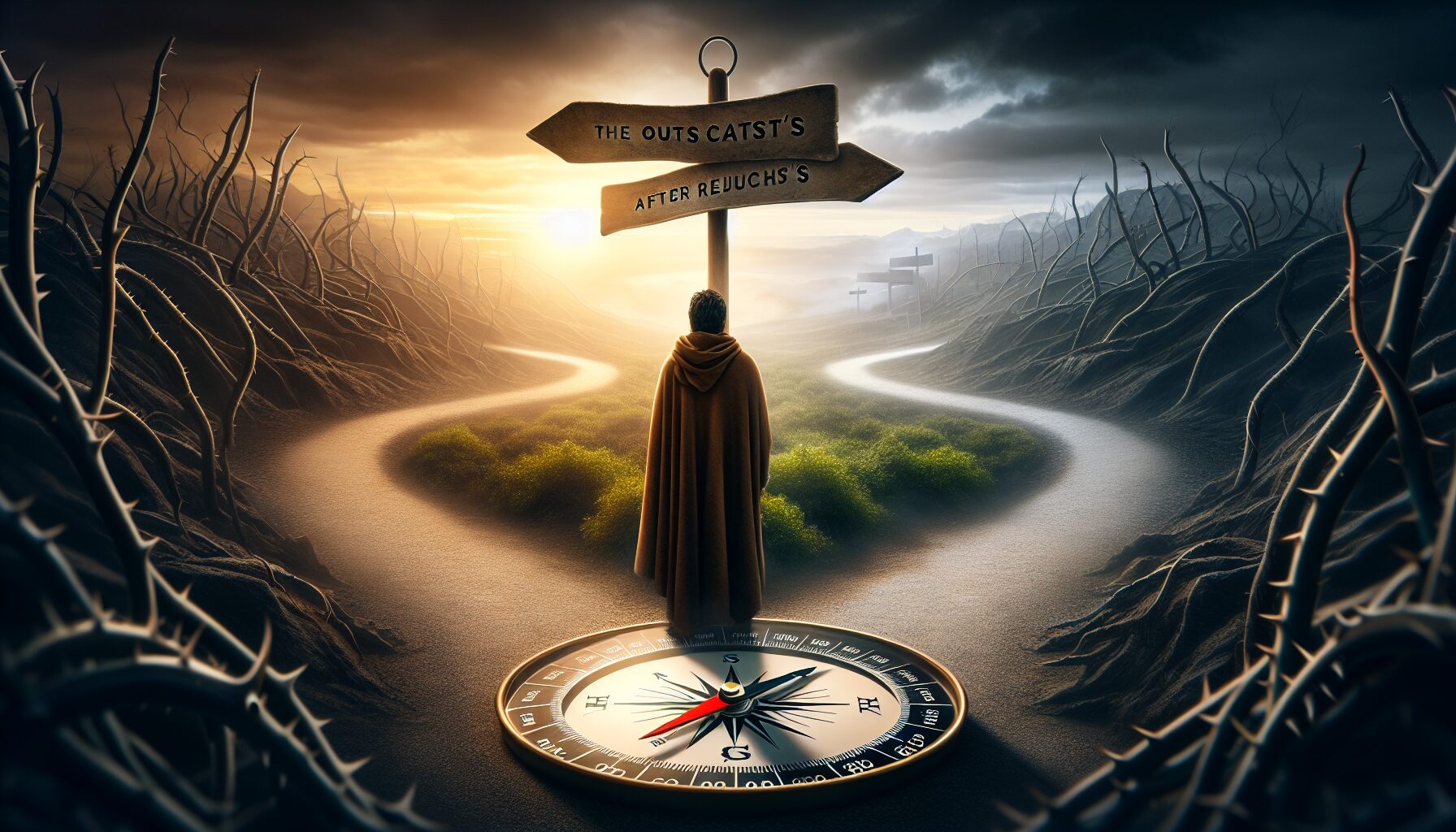
Echoes of Rejection: The Long Shadow of Social Expulsion
Rejection, while often dismissed as a mere rite of passage, can carve deep and enduring scars into the human psyche. The phenomenon of social expulsion—or being ostracized by an individual’s peer group—can lead to profound psychological and emotional consequences. From playground exclusion to workplace marginalization, the reverberations of rejection echo far beyond the initial pain, leaving a long shadow across the interpersonal landscape.
“Rejection is a part of the human experience, but it doesn’t define us. It refines us.” — Unknown
The Human Need for Belonging
At the core of our being lies a fundamental need to belong. This desire for social acceptance is not merely a cultural artifact but a deeply ingrained biological imperative. According to John Cacioppo, a psychologist from the University of Chicago, our brains are hardwired to seek out social connections, as these were integral to our ancestors’ survival. Exclusion, then, acts as a psychosocial stressor, instigating the same neural alarm systems activated by physical pain.
Psychologist Guy Winch further illuminates this point, asserting that, “rejection destabilizes our ‘need to belong,’ leaving us feeling unsettled and emotionally unanchored.” In essence, when we are rejected, the cognitive dissonance clashes against our evolutionary drives, producing emotional turmoil.
The Immediate Pain of Rejection
The sting of rejection is immediate and often intense. Research using functional magnetic resonance imaging (fMRI) has demonstrated that social exclusion activates the same areas of the brain as physical pain. A study led by Naomi Eisenberger found that the dorsal anterior cingulate cortex, an area linked to the unpleasantness of physical pain, is activated during experiences of social exclusion.
- The cognitive processing of rejection often leads to feelings of worthlessness and a failure to meet perceived social standards.
- Physical symptoms can manifest, with some individuals reporting headaches, nausea, and muscle tension following intense rejection.
- An immediate impact on self-esteem is common, where individuals may question their self-worth.
These experiences are particularly acute in adolescence, a critical period for social development. The impact of rejection during these years can set a precedent for adult social interactions and emotional health.
Long-Term Psychological Consequences
The long-lasting effects of rejection can be subtle yet pervasive. Chronic feelings of rejection have been associated with an increased risk of various mental health disorders, including depression, anxiety, and even personality disorders.
Depression and Anxiety
Persistent rejection can lead to a vicious cycle of depression and anxiety. Individuals with repeated experiences of social expulsion often develop negative cognitive biases, honing in on social threats and interpreting ambiguous interactions as further rejection.
- Studies indicate that those who experience rejection are more likely to exhibit negative attributional styles, perceiving rejection as a fault within themselves rather than a result of external circumstances.
- This mindset fosters an environment ripe for anxiety, where individuals constantly anticipate further rejection, leading to social withdrawal and isolation.
Development of Defense Mechanisms
In response to persistent rejection, individuals may develop defense mechanisms to protect themselves from further emotional harm. These mechanisms can include:
- Avoidance Behavior: Steering clear of situations where rejection is possible to prevent the pain associated with such experiences.
- Perfectionism: Striving to meet inaccessible standards in an attempt to ensure acceptance.
- People-Pleasing: Overcompensating by trying to gain approval through reluctant agreeability or excessive helpfulness.
While these mechanisms serve to numb the immediate sting of rejection, they often lead to longer-term complications, impacting relationships and personal growth.
In the Workplace
Rejection is not confined to youth or personal relationships. In professional environments, rejection can manifest subtly through exclusion from team projects, being passed over for promotions, or social ostracism during office interactions. Workplace rejection not only affects individual productivity but can also poison team dynamics.
- Feeling undervalued can lead to decreased motivation and productivity.
- Chronic rejection in the workplace can foster a toxic culture, which reduces overall job satisfaction and increases employee turnover.
“Many leaders misunderstand rejection as benign simply because it’s delivered in a professional setting. It can be detrimental, breeding resentment and fostering a culture of disengagement.” — Workplace psychologist Mark Murphy
Healing and Overcoming Rejection
While the effects of rejection can be enduring, healing is possible through deliberate efforts. Several strategies can facilitate recovery and protect against future emotional pain.
Developing Resilience
- Cognitive Reappraisal: Learning to reinterpret rejection as a component of life that does not diminish self-worth can encourage growth mindsets. This involves reframing experiences into opportunities for learning and personal development.
- Mindfulness Practices: Incorporating mindfulness into daily routines can aid individuals in acknowledging their emotions without judgment, fostering a balanced perspective.
Building Meaningful Connections
Focusing efforts on cultivating truly meaningful relationships can act as a buffer against the negative impacts of rejection.
- Engaging in community or group activities can provide opportunities to meet like-minded individuals, establishing a sense of belonging.
- Pursuing interests that bring joy can lead to connections based on mutual passion rather than superficial acceptance.
Seeking Professional Help
Therapeutic interventions such as Cognitive Behavioral Therapy (CBT) can help modify negative thought patterns stemming from rejection, providing tools to effectively manage emotional pain.
Rejection, in its many forms, represents more than a momentary hurdle. It can echo across an individual’s life, touching everything from self-perception to social and professional interactions. By understanding its impact, acknowledging its presence, and actively working to overcome its effects, individuals can transform rejection from a destructive force into a stepping stone towards resilience and self-acceptance.
Ultimately, while the shadows of social expulsion may be long, they need not be inescapable.