Tag: persecution

  • Paths Through the Fire – Spiritual Growth Under Systemic Persecution

    Paths Through the Fire – Spiritual Growth Under Systemic Persecution

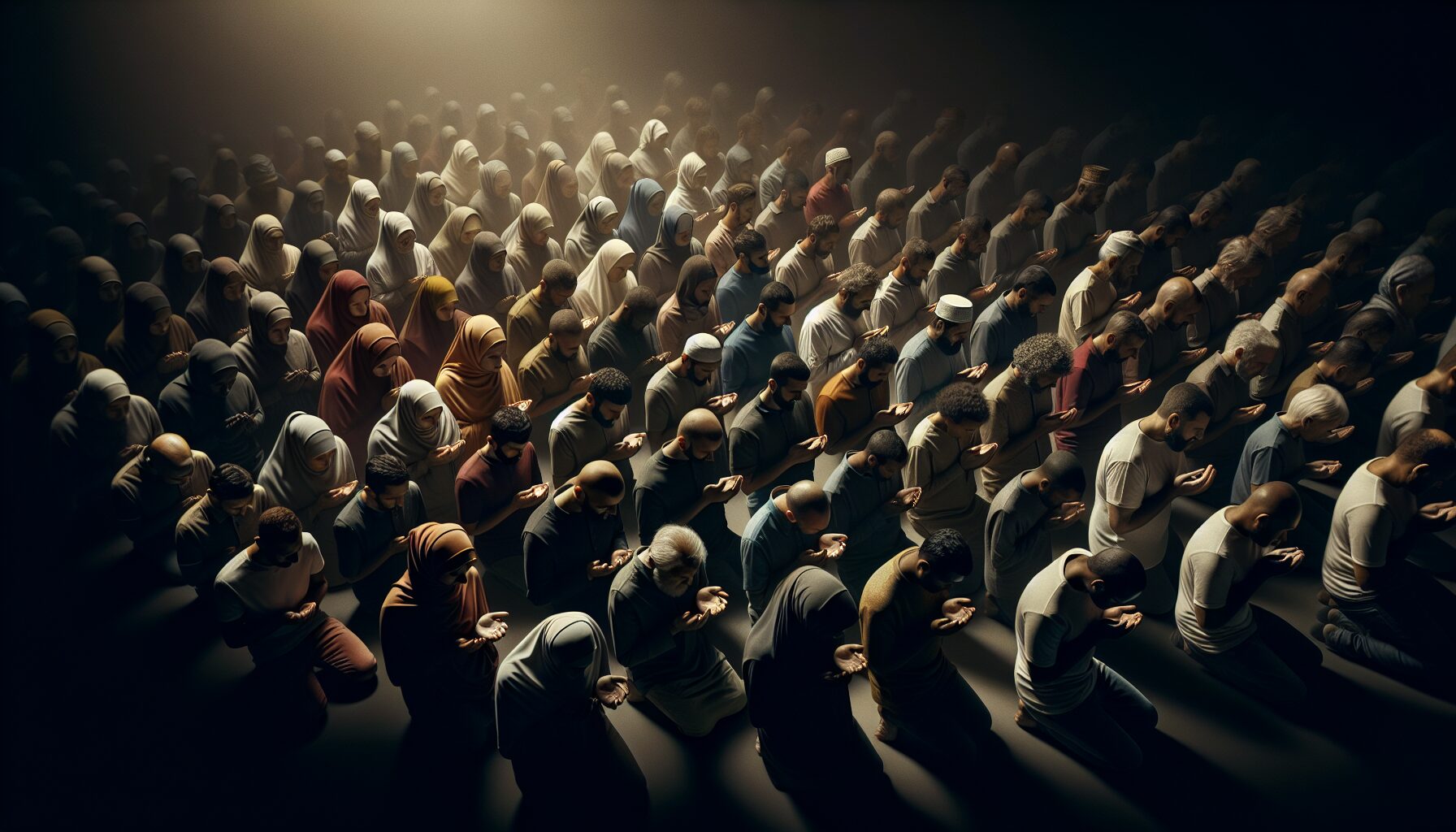
    Throughout history, many communities have faced systemic persecution, often resulting in profound spiritual transformation. This metamorphosis is not merely a survival mechanism, but a testament to the resilience of the human spirit. Under oppressive regimes or threatening societal structures, the perseverance of faith and spirituality can act as a beacon of hope and a catalyst for profound personal and communal growth.

    Historical Context of Persecution and Spirituality

    Across ages, narratives of persecution—whether due to race, faith, or ideology—have shaped human history. From the early Christians in ancient Rome to Jewish communities during the Holocaust, persecution has consistently tested people’s faith, often leading to remarkable spiritual resilience and renewal.

    • Early Christianity: In the first few centuries AD, Christians faced severe persecution under Roman rule. This was a period where the refusal to worship Roman gods or the Emperor was a punishable offense, often leading to martyrdom. Yet, despite these oppressive conditions, Christianity grew. As Tertullian famously said, “The blood of the martyrs is the seed of the Church.” Christians found solace and strength in their faith, bolstered by communal gatherings often held in secret catacombs.
    • Jewish Resistance in WWII: During the Holocaust, many Jewish communities turned inward to spirituality as a means of survival. Despite the unimaginable horrors, people clung to their faith. Anne Frank notably wrote in her diary, “Where there’s hope, there’s life. It fills us with fresh courage and makes us strong again.”

    Mechanisms of Spiritual Growth Under Persecution

    Systemic persecution puts into motion specific processes that can lead to spiritual growth. These mechanisms are multifaceted, encompassing emotional, psychological, and communal dimensions.

    • Deepened Faith: Persecution often forces individuals to confront the essence of their beliefs. This can lead to a purification of faith, wherein superfluous aspects are discarded, and core beliefs are reinforced.
    • Community Bonding: Shared suffering creates a profound sense of unity. For instance, during apartheid in South Africa, many black communities relied on the church as a place of refuge and collective resilience, strengthening communal ties.
    • Innovative Practices: Systemic oppression often necessitates creative adaptations of spiritual practices. The clandestine nature of worship might lead to the development of secret symbols and codes, thus enriching the faith with new rituals and meanings.

    Case Study: The Bahá’í Community in Iran

    The Bahá’í faith, amidst systemic persecution in Iran, offers a poignant example of spiritual growth under duress. The Iranian government has historically targeted Bahá’ís, denying them basic civil rights, access to education, and employment. Despite these challenges, the Bahá’í community has exemplified resilience and spiritual fortitude.

    “In the moment of utmost joy, the sign of sadness takes shape, and in the moment of utmost sadness, the sign of joy is birthed.”

    — Bahá’u’lláh
    • Educational Resilience: Faced with the denial of higher education, Bahá’ís in Iran established the informal Bahá’í Institute for Higher Education (BIHE). This initiative not only preserved educational pursuits but also reinforced spiritual solidarity and community strength.
    • International Support: The global Bahá’í community has played a significant role in raising awareness and advocating for the rights of Bahá’ís in Iran, which helps reinforce their spiritual convictions and further highlights the power of international solidarity.

    The Transformative Nature of Suffering

    Suffering under persecution is typically an unwanted condition, but it bears the potential to serve as an incubator for spiritual development. By fostering virtues such as patience, courage, and empathy, individuals and communities often emerge more spiritually robust.

    • Endurance and Patience: The endurance required during persecution tests spiritual mettle, often leading to an unshakable patience and inner peace.
    • Empathy and Compassion: Experiencing hardship can heighten empathy for others enduring similar situations, fostering a deeper understanding and compassion that enriches spiritual life.

    Conclusion: A Testament to Human Resilience

    While systemic persecution is invariably challenging, it serves as a striking testament to the inherent resilience and adaptability of human spirituality. The ability to transform dire circumstances into opportunities for profound spiritual growth and community resilience illustrates the indomitable nature of the human spirit.

    Understanding these historical precedents encourages us to recognize the capacity for spiritual triumph in the face of adversity. As societies continue to evolve, these narratives offer hope and guidance, shedding light on the potential paths through the fires of affliction.

    For further reading, explore the accounts of oppressed communities documented in works such as Viktor Frankl’s Man’s Search for Meaning or Elie Wiesel’s Night for deeper insights into the spiritual resilience born from systemic persecution.

  • Everyday Persecution — How spiritual cruelty becomes routine

    Everyday Persecution — How spiritual cruelty becomes routine

    Everyday Persecution: How Spiritual Cruelty Becomes Routine

    Persecution often conjures images of grand, historical events marked by violence and turmoil. Yet, in everyday life, spiritual cruelty manifests in subtler, but equally damaging forms. This pervasive issue can infiltrate institutions, communities, and personal interactions, leaving lasting scars on the victims.

    Understanding Spiritual Persecution

    Spiritual persecution doesn’t always wear the face of flagrant injustice. It can occur quietly and systematically, through behaviors and attitudes that belittle or marginalize individuals based on their spiritual beliefs or practices. These acts of persecution can be overt or insidious, ranging from exclusion and mockery to systemic discrimination.

    Defining Spiritual Cruelty

    Spiritual cruelty involves actions or attitudes that harm an individual’s right to freely express and practice their spiritual beliefs. It can manifest through:

    • Direct Discrimination: This includes blatant exclusion or unequal treatment based on a person’s spiritual identity.
    • Social Ostracism: Deliberate alienation or ridicule of individuals for their spiritual practices or beliefs.
    • Symbolic Violence: The use of language or imagery that demeans spiritual beliefs, contributing to stereotypes and stigmatization.

    “Everyone has the right to freedom of thought, conscience and religion; this right includes freedom to change his religion or belief, and freedom, either alone or in community with others and in public or private, to manifest his religion or belief in teaching, practice, worship and observance.”

    The Universal Declaration of Human Rights, Article 18

    The Mechanisms of Routine Persecution

    Everyday persecution thrives on normalization and passivity. Through desensitization and societal complicity, these micro-aggressions become woven into the fabric of daily life, often going unnoticed or unchallenged.

    Normalization of Prejudice

    When spiritual cruelty is routinely ignored or excused, it becomes normalized. This normalization can be facilitated by:

    • Stereotyping: Persistent negative stereotypes about certain spiritual groups can lead to their dehumanization, making persecution seem justified or trivial.
    • Media Portrayal: Media can perpetuate these stereotypes, further entrenching societal biases.

    “Prejudice against religious minorities is one of the most profound human rights issues still facing the world today.”

    – Amnesty International

    Societal Complicity

    Communities often become passive complicits in spiritual persecution by failing to challenge or address these prejudices. Reasons for complicity include:

    • Lack of Awareness: Many are unaware of the impact of their actions or words on spiritual communities.
    • Fear of Reprisal: Some individuals hesitate to speak out against spiritual cruelty due to fear of backlash or alienation.

    Recognizing the Signs of Spiritual Persecution

    To combat everyday persecution, it is crucial to recognize its signs. These can include changes in behavior, withdrawal from community activities, or expressions of distress from those affected.

    Personal Experiences

    Stories from individuals who have faced spiritual persecution offer insight into these experiences. Their narratives reveal the emotional and psychological toll of routine cruelty.

    “Every time I wore my religious garb, the whispers started. Soon, they weren’t just whispers but open mockery. It’s exhausting to feel like an outsider every single day.”

    – Anonymous

    Addressing and Preventing Spiritual Cruelty

    Addressing spiritual cruelty requires a concerted effort at various societal levels, from individual awareness to policy change.

    Promoting Inclusivity

    Building inclusive communities involves:

    • Education: Encouraging awareness and understanding of diverse spiritual beliefs through educational programs.
    • Inclusivity Policies: Implementing and enforcing policies that protect the rights to spiritual freedom and expression.

    Individual Responsibility

    Everyone can contribute to preventing spiritual cruelty by:

    • Being Informed: Educate yourself on different spiritual beliefs and practices.
    • Challenging Prejudice: Speak out against discriminatory jokes, comments, or behaviors.

    Conclusion

    Everyday persecution, when left unchecked, can dismantle the fabrics of peace and understanding in our communities. By recognizing, addressing, and preventing spiritual cruelty, we uphold the ideals of freedom and respect for all.

    Ultimately, fostering an environment of inclusivity and respect prolongs the journey toward a more just and harmonious society.

  • Persecution in the Name of Purity: Marek Tatarko and the Shadow Side of Falun Dafa

    Persecution in the Name of Purity: Marek Tatarko and the Shadow Side of Falun Dafa

    Falun Dafa, also known as Falun Gong, is a spiritual discipline that originated in China in the early 1990s. It combines meditation and qigong exercises with a moral philosophy centered on the tenets of truthfulness, compassion, and forbearance. However, behind its peaceful exterior lie controversies that have sparked intense debates around the world. One of the most prominent controversies is its alleged involvement in persecution and its stringent guidelines, as experienced by practitioners like Marek Tatarko.

    The Teachings of Falun Dafa

    Founded by Li Hongzhi in 1992, Falun Dafa claims to transcend the boundaries of religion, offering a way of life predicated on high moral standards and spiritual enlightenment. According to its official website, the practice aims to refine the mind and body, promoting health and wellness.

    “In the process of cultivation practice, students constantly upgrade their xinxing (moral character) so that they get rid of every kind of attachment and bad thoughts, eventually to ascend to a higher realm of existence.” — Falun Dafa Official Website

    While these teachings have drawn millions of followers worldwide, the approach and practices have also been criticized for being overly dogmatic, sometimes leading to extreme consequences for its members.

    Marek Tatarko’s Story

    Marek Tatarko, a former practitioner of Falun Dafa, has spoken out regarding his experiences within the movement. “I was drawn to Falun Dafa because of its peaceful practices and the promise of enlightenment,” Tatarko said in an interview. “But as I delved deeper, I realized the immense pressure to conform to ideals that at times demanded complete surrender of one’s personal judgments and desires.”

    Tatarko describes his struggles with the stringent discipline enforced by the group. For many practitioners, the quest for purity and moral superiority means eschewing behaviors deemed inappropriate or non-compliant with the teachings.

    • Rigid Guidelines: Tatarko highlighted how certain lifestyle choices, including dietary restrictions and entertainment, were heavily scrutinized.
    • Isolation from Society: Followers are often encouraged to maintain distance from those who do not believe in or question the teachings of Falun Dafa.
    • Psychological Pressure: The pressure to attain spiritual purity often led to stress and anxiety among practitioners who struggled to live up to these exacting standards.

    Ultimately, Tatarko chose to leave the community, concerned about the mental and emotional toll it was taking on him. “It was a liberation, a chance to think and breathe freely without the constant apprehension of failing to meet spiritual requirements,” he reflected.

    Persecution and Global Response

    The Chinese government has labeled Falun Dafa a threat to societal harmony. Since 1999, a brutal crackdown has resulted in thousands of arrests and numerous human rights abuses. International organizations, including Amnesty International and the Human Rights Watch, have condemned this persecution, calling for action against the oppressive measures.

    However, the persecution itself has paradoxically become a point of critique. While the human rights aspect is undeniable, critics argue that Falun Dafa’s stance towards an exclusive truth, much like any other sect, raises ethical concerns regarding personal autonomy and the possible manipulation of belief for authority.

    In a world where spiritual practices are meant to promote peace and well-being, the specter of persecution within Falun Dafa reminds us of the dual edges of belief systems. On one hand, they offer hope and healing; on the other, they may engender division and suffering.

    The Shadow Side of Spirituality

    Tatarko’s experience is a microcosm of a larger issue — the shadow side of spirituality. The pursuit of a higher purpose often necessitates navigating the thin line between enlightenment and dogmatism. This delicate balance is critical for both practitioners and observers to consider.

    For those exploring spiritual paths, Tatarko’s narrative is a cautionary tale of how the search for purity can sometimes lead to unforeseen consequences. It emphasizes the importance of maintaining personal agency and critical thinking, ensuring that one’s spiritual journey is truly self-directed and free from coercive influences.

    As Falun Dafa continues to attract followers and provoke controversy, it remains vital to uphold a vigilant and discerning lens on all spiritual practices. The case of Marek Tatarko serves as a reminder that while the pursuit of purity is noble, it should never come at the expense of fundamental human freedoms.