Tag: leaders

  • Leadership in the Line of Fire – Targeting spiritual authorities

    Leadership in the Line of Fire – Targeting spiritual authorities

    Leadership in the Line of Fire: Targeting Spiritual Authorities

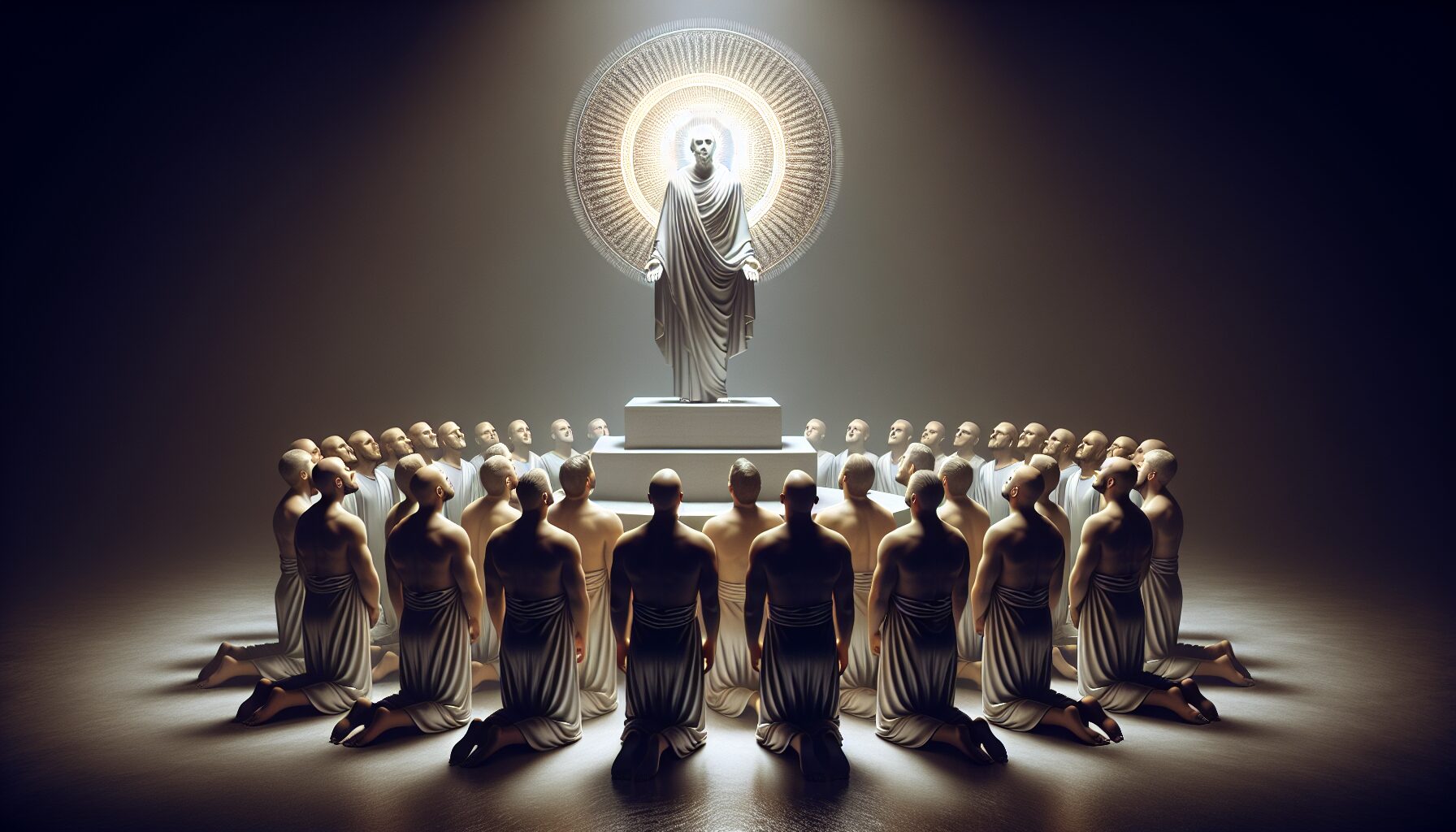
    In an increasingly complex world, where global tensions and diverse ideologies collide, spiritual leaders often find themselves in the line of fire. These leaders, who are usually at the helm of guiding moral and ethical compasses, face numerous challenges. Their influence extends beyond religious boundaries, impacting societal norms and actions, making them prominent targets for scrutiny and even attack.

    The Role of Spiritual Leaders

    Spiritual leaders have played pivotal roles in shaping cultures and societies across the globe. They are anchors in times of moral ambiguity and offer guidance amidst chaos. For instance, Mahatma Gandhi, through his spiritual and political leadership, once said,

    “A man is but the product of his thoughts. What he thinks, he becomes.”

    His leadership continues to resonate with millions today, underlining the potential impact of spiritual guidance.

    However, these leaders’ influence is not limited to their followers. Pope Francis, leading the Roman Catholic Church, has consistently addressed global issues from environmental conservation to social justice, drawing attention worldwide and placing his leadership in the public eye.

    Challenges Faced by Spiritual Leaders

    • Secularization: In modern, secular societies, religious leaders often face the challenge of remaining relevant. As traditional religious observance declines in many parts of the world, spiritual authorities must find new ways to connect with individuals who might not identify with traditional religious practices.
    • Political Pressures: It is not uncommon for spiritual leaders to find their teachings politicized. The intersection of faith and politics can blur the original spiritual message, leading to misinterpretations and potentially putting leaders at risk.
    • Globalization and Diversity: As communities become more diverse, spiritual leaders often have to address a wider array of cultural and religious contexts. This diversity can lead to misunderstandings or misrepresentations of spiritual messages.
    • Crisis of Faith: Scandals within religious organizations can lead to widespread disillusionment. Recovering faith in spiritual leadership requires transparency and accountability, which some leaders struggle to implement effectively.

    Attack on Spiritual Leadership

    There are instances where spiritual leaders have been direct targets of violence and hostility. This targeting can stem from political, ideological, or even theological differences. For example, The New York Times reported on the violent backlash faced by leaders advocating for peace and reconciliation in conflict zones: “Pope Francis Appeals for Peace in Myanmar as Rohingya Violence Escalates”.

    Such instances highlight the vulnerability of spiritual leaders who take stands against authoritarian regimes or extremist ideologies. Their commitment to truth and justice often places them in perilous positions.

    Strategies for Protection and Support

    Given the risks, there are several measures that can be employed to protect spiritual leaders:

    • Building Alliances: Forming supportive networks with other religious and secular organizations can provide spiritual leaders with broader platforms to advocate for their causes.
    • Media Engagement: Actively engaging with the media to accurately convey messages can combat misinformation. Effective communication with the public can also garner support and understanding.
    • Educational Initiatives: Developing educational programs that emphasize the positive role of spiritual leadership in society can cultivate respect and mutual understanding.
    • Legal Protections: Advocacy for policies and laws that protect religious leaders from persecution and violence is necessary. Emphasizing the importance of freedom of religion and expression is crucial in legislative environments.

    The Path Forward

    As society grapples with unprecedented challenges, the role of spiritual leaders as moral compasses is crucial. Their leadership not only guides religious followers but also impacts secular communities by upholding principles of compassion, justice, and inclusivity.

    Spiritual leaders must navigate complex terrains, balancing tradition with modernity, and faith with societal progress. Their resilience and persistence, often under significant threat, highlight their significant role in maintaining peace and ethical governance.

    In reflecting on the future of spiritual leadership, it is instructive to consider the words of Dalai Lama:

    “This is my simple religion. There is no need for temples; no need for complicated philosophy. Our own brain, our own heart is our temple; the philosophy is kindness.”

    Such timeless wisdom underscores the enduring necessity of spiritual guidance in nurturing a harmonious coexistence.

  • Witness to Power – Understanding Domination in Spiritual Structures

    Witness to Power – Understanding Domination in Spiritual Structures

    Witness to Power: Understanding Domination in Spiritual Structures

    Spiritual organizations often provide a sense of community, guidance, and purpose for millions around the world. However, they are not immune to the dynamics of power and control that affect all human institutions. Recognizing the structure of power within these spiritual organizations is crucial for both members and outsiders seeking to understand their influence and impact.

    The Nature of Spiritual Power

    Power in spiritual contexts often derives from a perceived connection to the divine or the transcendent, offering leaders a unique form of authority over their followers. As noted by scholar Max Weber, religious authority can take on a “charismatic” form, where followers believe their leaders possess special gifts or insights. He states,

    “Charisma is a certain quality of an individual’s personality by virtue of which they are set apart from ordinary people and treated as endowed with supernatural, superhuman, or at least specifically exceptional powers or qualities.”

    Forms of Domination

    • Charismatic Dominance: This occurs when leaders command significant influence based on their personal qualities or spiritual insight. Followers often ascribe to them exceptional powers which can create an unquestioned authority.
    • Hierarchical Control: Many spiritual organizations have established hierarchies, mirroring organizational or bureaucratic structures. This creates a clear chain of command that can concentrate power in the hands of a few leaders at the top.
    • Doctrinal Authority: By controlling the interpretation of sacred texts or spiritual teachings, leaders can exert significant ideological influence over their followers. This often includes the power to dictate behavioral norms and standards.

    Impact on Followers

    The effects of these power structures on followers can be profound. In some cases, members find security and guidance in strong leadership. However, when power becomes concentrated or abused, it can lead to negative consequences, such as manipulation, loss of autonomy, or exclusion of dissenting voices. As journalist and author Tom Bissell observes,

    “There is a tendency in all social organizations for power to become centralized and authoritative.”

    Seeking Balance

    To counteract potential abuses of power, many recommend introducing checks and balances within spiritual organizations. This could include transparent decision-making processes, accountability of leaders, and fostering environments where questioning and dialogue are encouraged.

    Ultimately, understanding the dynamics of power in spiritual structures requires a nuanced approach that acknowledges the unique nature of spiritual authority while advocating for ethical leadership and accountability. By doing so, spiritual communities can maintain their integrity and continue to offer solace and inspiration to their members.

  • The Wolves in Robes – Predators in Spiritual Authority

    The Wolves in Robes – Predators in Spiritual Authority

    Throughout history, individuals have sought spiritual guidance and solace from religious leaders, viewing them as paragons of virtue and ethical conduct. However, lurking within the ranks of esteemed spiritual guides are those who exploit their positions of power for personal gain or, even worse, for predatory purposes. These individuals, often described metaphorically as “wolves in sheep’s clothing,” manipulate their spiritual authority to prey on the vulnerable.

    Understanding Spiritual Authority

    Spiritual authority is the power or right to influence religious teachings, practices, and the lives of followers. It can be vested in individuals, such as priests, imams, or monks, or institutions, like churches, mosques, or temples. This authority is typically derived from:

    • Doctrinal Knowledge: Spiritual leaders are often seen as experts in religious texts and traditions.
    • Moral Conduct: They are expected to live by and exemplify the moral and ethical standards of their faith.
    • Community Position: Leadership roles that enhance their influence and decision-making power within spiritual communities.

    For many, the unquestioned faith and respect accorded to spiritual leaders stem from the belief that they are chosen or anointed by a divine power. However, it is this very faith that can be manipulated by those “wolves” who don the robes of piety to conceal their true nature.

    The Mask of Piety: Manipulation Tactics

    Predators in spiritual authority often employ several manipulation tactics to exploit their position. Understanding these tactics can help communities protect themselves and ensure spiritual spaces remain safe and nurturing:

    • Charismatic Authority: Predatory leaders are often highly charismatic, using their personal charm to attract and influence followers. They may portray themselves as uniquely wise or as possessing special spiritual insights or abilities.
    • Gaslighting and Confusion: Leaders may create confusion by contradicting themselves, making followers doubt their understanding and rely even more on the leader’s “spiritual insight.”
    • Isolation: Isolating followers from their families or the broader community can reinforce the leader’s control and diminish external interference.
    • Grooming: This involves building trust and dependency over time, often by giving special attention or favor to target individuals, before engaging in exploitation.

    One alarming case is the crimes of Naasón Joaquín García, leader of the La Luz del Mundo church, who was sentenced to 16 years in a California prison for the sexual abuse of minors. Known to his many followers as “the Apostle of Jesus Christ,” García used his preeminent spiritual position to prey on the young members of his congregation.

    Victims in Spiritual Settings

    Those most susceptible to predatory spiritual leaders are often among society’s most vulnerable. Their spiritual, emotional, or social needs make them ideal targets for manipulative leaders. These can include:

    • Youth: Young people seeking guidance and acceptance are vulnerable, particularly if they have not developed a strong personal or spiritual identity.
    • Women: In many traditions and communities, women are often encouraged to be submissive, which can lead to being exploited by those in authority.
    • The Grieving: Those who have recently experienced loss often seek comfort and answers through spiritual counseling, making them more susceptible to manipulation.

    “Evil preaches tolerance until it is dominant, then it tries to silence good.” — Charles J. Chaput

    The imbalance of power inherent in these relationships means victims often fear retribution, disbelief, or stigmatization should they speak out. This is exacerbated by the respect and authority generally afforded to spiritual leaders, which cultivates an environment where predators can operate with impunity.

    Breaking the Silence: Survivors’ Voices

    In recent years, the courage of survivors has begun to illuminate the shadows where these predators lurk. Their stories are powerful tools for healing and societal change. Efforts to document and publicize instances of abuse have gained traction, giving a platform to those who once lacked a voice. Organizations such as SNAP (Survivors Network of those Abused by Priests) are at the forefront of advocating for survivors, seeking justice and institutional reform.

    Mary McAleese, former President of Ireland, has been vocal about addressing abuses within spiritual authority, particularly within the Catholic Church. She stated, “If the Church does not, as a matter of urgency, come to terms with this issue and create the [necessary] space for victims of abuse, then truly it is sleepwalking to its ruin.”

    Institutional Responsibility

    Religious institutions play a critical role in both perpetuating and preventing abuse. They must take proactive steps to safeguard their communities. This includes:

    • Establishing Clear Protocols: Instituting zero-tolerance policies regarding abuse, with clear reporting mechanisms and support systems for victims.
    • Training and Education: Providing training for leaders and members alike to recognize and respond to signs of predatory behavior.
    • Independent Oversight: Ensuring that investigations into misconduct are conducted by independent bodies to prevent bias and cover-ups.

    Pope Francis, addressing ongoing concerns within the Catholic Church, highlighted the need for perpetual vigilance: “To say ‘never again’ is not enough. Saying it is fine, but it is not enough. What is needed is the action to prepare ourselves, pastors, and those who work with them to have procedures that prevent, handle, and resolve things.”

    Toward a Safer Future

    Addressing the presence of predators within spiritual authority requires enacting comprehensive change. While the process may be arduous, the safety and sanctity of spiritual spaces depend on the vigilance and courage of entire communities.

    By empowering victims, enabling truth-telling, and enforcing accountability, we can strive to ensure that those in spiritual leadership fulfill their roles as true guides toward moral and spiritual well-being, rather than deceptive threats to it. In shining a consistent light on these issues, we echo the sentiment that darkness can only persist in absence of light, and that ignorance is the accomplice of an abuser.

    Through renewed dedication to transparency, understanding, and justice, it is possible to reclaim spiritual spaces as sanctuaries of genuine support and healing, ensuring the wolves in robes are laid bare for all to see.


  • When Spirituality Is Used to Silence – Sacred Language as Control

    When Spirituality Is Used to Silence: Sacred Language as Control

    Throughout history, spirituality has served as a source of empowerment, offering individuals solace and a deeper understanding of the universe. However, there are instances when sacred language is manipulated, serving not as a beacon of enlightenment, but as a tool for silencing dissent and exerting control.

    When spiritual jargon becomes a means of coercion, it transforms into a powerful mechanism of control. This phenomenon is observed across various belief systems and can stifle personal expression and suppress critical thought.

    The Persuasive Power of Sacred Language

    “Language exerts hidden power, like a moon on the tides.” – Rita Mae Brown

    Religious and spiritual leaders often wield sacred language to convey authority. Such language, rich in symbolic meaning, can create an aura of supremacy and inscrutability. Followers, in their quest for divine approval, may hesitate to question teachings out of reverence or fear.

    Rhetoric replete with spiritual terminology is difficult to challenge precisely because it engages deep-seated emotional and psychological responses in individuals, leading them to act in ways that align with the leader’s vision.

    Examples of Spiritual Language as a Tool of Control

    • Mystification: Complex spiritual concepts can be mystified to discourage questions. By presenting ideas as incomprehensible to the layperson, leaders can maintain an imbalance of power.
    • Divine Authority: Claiming teachings or decrees are the will of a divine entity makes dispute challenging. This authority figures use language attributed to the gods to justify their positions.
    • Shaming Dissent: Those who question or oppose spiritual mandates are often labeled as heretics or spiritually impure, marginalizing dissenting voices.

    The Path to Awareness and Empowerment

    Recognizing the use of spiritual language as a tool of control is the first step toward empowerment. Understanding that spirituality should foster personal growth rather than stifle it is crucial. As scholar Karl Marx famously noted, religion can become an “opiate of the masses,” but awareness and education can uncouple individuals from manipulation.

    In seeking genuine spiritual growth, individuals must remain vigilant, examining not only the language used by spiritual leaders but also the impact it has on their autonomy and freedom. Encouraging dialogue, fostering critical thinking, and embracing diverse interpretations can transform spirituality from a silencing tool to an empowering force.

  • Cast Out and Called – When Exile Becomes a Vocation

    Cast Out and Called – When Exile Becomes a Vocation

    Cast Out and Called: When Exile Becomes a Vocation

    In the annals of human history, exile has often been seen as a punishment—a forceful ejection from one’s homeland, a separation from familiar surroundings and loved ones. However, as we look deeper, we find that exile can also become a calling, a unique vocation that reshapes lives and changes the course of history. This paradoxical transformation from cast out to called is a narrative thread that weaves through stories of leaders, visionaries, and innovators.

    The Historical Context of Exile

    Throughout history, exile has served as a political tool wielded by those in power. Leaders like Napoleon Bonaparte, who was exiled to the remote island of Saint Helena, were removed from the public stage to prevent any resurgence of influence. Yet, even in isolation, such figures often retained their agency, speaking to the resiliency of the human spirit.

    A profound example of exile as a transformative experience is the story of Dante Alighieri. Expelled from Florence in the early 14th century, Dante channeled his grief and loss into The Divine Comedy, a monumental literary work that would not have existed without his forced departure.

    Exile as Inspiration and Innovation

    Often, exile becomes the crucible for creativity and innovation. The pressures of a new environment and the necessity to adapt can lead to profound personal growth and the development of new ideas. Consider Joseph Conrad, the Polish-British writer, whose displacement across nations infused his works with a deep understanding of the human condition.

    “Exile is not a choice, at least not an easy one, but it can awaken the mind to possibilities never imagined in the comforts of homeland.” — Joseph Conrad

    Modern Voices: From Displacement to Leadership

    In the modern era, exile continues to shape leaders who drive change on a global scale. Figures such as the Dalai Lama, who fled Tibet following the Chinese invasion, turned their personal losses into global movements for peace and cultural preservation. His teachings, rooted in both the pain of loss and the hope of future reclamation, have inspired millions worldwide.

    The Dalai Lama has often reflected on this duality: “Remember that not getting what you want is sometimes a wonderful stroke of luck.”

    Psychological and Social Impacts of Exile

    The psychological toll of being uprooted is severe. Exiles face the continuous challenge of reconciling their past identities with their current realities. Yet, many find strength in community and the shared experiences of fellow exiles. This sense of solidarity often evolves into powerful social and political movements.

    • Identity Reconstruction: Forced to reassess their identities, exiles often undergo a profound personal transformation. This process can lead to remarkable new insights and a strengthened sense of self.
    • Community Building: In exile, individuals often form new communities that provide emotional and practical support, fostering a sense of belonging and purpose.
    • Advocacy and Change: Exiles often become advocates for broader social and political change, using their experiences to raise awareness and promote justice.

    Exile as a Global Phenomenon

    Today, the world faces unprecedented levels of displacement due to conflicts, climate change, and political instability. These modern exiles remind us that the journey from being cast out to feeling called is as relevant as ever. According to the UN Refugee Agency, there are currently more than 82 million forcibly displaced people worldwide. Among them are future leaders, artists, and innovators poised to make significant contributions to their host societies and the world.

    Conclusion: Embracing Exile’s Paradox

    While exile remains a painful reality, it also serves as a powerful catalyst for growth and transformation. The stories of those who have turned their displacement into a vocation remind us of the resilience and creativity of the human spirit. As more people face this challenge, it becomes increasingly important to recognize and support the potential for positive change that exile can inspire.

    Ultimately, the journey from exile to empowerment is one that involves both personal struggle and communal support—a testament to the indomitable capacity for renewal that resides within us all.

    In embracing this paradox, we not only honor the legacy of those who have gone before but also pave the way for new narratives of hope and innovation in an ever-changing world.

  • Spiritual Narcissism – Leaders Who Demand Devotion

    Spiritual Narcissism – Leaders Who Demand Devotion

    In a world increasingly focused on personal growth and spiritual journeys, the rise of “spiritual narcissism” is a concern for both followers and critics of new age movements. This phenomenon often manifests when leaders of spiritual groups, or those claiming enlightenment, demand unwavering devotion and admiration from their followers.

    Understanding Spiritual Narcissism

    Spiritual narcissism is a term used to describe the ego-driven behavior of individuals who exploit their supposed spiritual enlightenment to gain authority or admiration. Unlike traditional narcissism, which might center on material wealth or physical appearance, spiritual narcissism is often cloaked in a veil of wisdom, peace, and benevolence.

    “Spiritual narcissism can arise when our spiritual ‘insight’ becomes both an identity and a destination, rather than an ongoing practice of acceptance and humility,” explains Dr. Craig Malkin, a clinical psychologist and lecturer at Harvard University.

    The allure of spiritual teachings can be magnetic. They promise personal growth, connection to something greater than oneself, and newfound purpose. However, within this search for meaning lies a vulnerability that some leaders exploit, using charisma and perceived wisdom to manipulate followers.

    Signs of a Spiritually Narcissistic Leader

    • Demands for Absolute Devotion: Such leaders often insist that their followers place them above all else, sometimes even severing ties with friends and family who do not conform to the same beliefs.
    • Claim of Exclusive Knowledge: They may assert that they possess a unique understanding of the universe that others do not, thus justifying their elevated status.
    • Manipulation Tactics: Techniques such as gaslighting or guilt-tripping are used to discourage criticism and maintain control over group members.
    • Lack of Accountability: These leaders often deflect any form of criticism or questioning, portraying dissenters as spiritually deficient or unenlightened.

    The Impact on Followers

    For followers, being part of such groups can be both emotionally and psychologically taxing. The pressure to uphold the leader’s demands can lead to feelings of isolation, anxiety, and the abandonment of one’s personal values. “The problem with spiritual narcissism is that it uses spirituality as a means to bolster the ego rather than dismantle it,” notes Meggan Watterson, an author known for her work on integrating the human experience with the spiritual.

    Despite the challenges, awareness of spiritual narcissism is growing. As people become more discerning in their spiritual pursuits, they learn to recognize the red flags of leaders who prioritize self-glorification over genuine guidance and support. By focusing on authenticity and grounded spiritual practices, followers can protect themselves from the pitfalls of spiritual narcissism.

  • Fear as a Ruler – How Leaders Maintain Power Through Threats

    Fear as a Ruler – How Leaders Maintain Power Through Threats

    Throughout history, fear has been an omnipresent force manipulated by rulers to consolidate and maintain power. From emperors and kings to modern-day autocrats, the strategic deployment of fear, whether through implicit threats or overt violence, has been a time-tested tool used to control subject populations. This article delves deep into how leaders exploit fear, the psychological mechanisms at play, and the historical examples that illustrate this pervasive strategy.

    The Psychology of Fear

    Before exploring the methods employed by leaders, it is essential to understand the psychological foundation of fear. As noted by psychologist John B. Watson, fear is an “emotion aroused by impending danger, evil, pain, etc., whether the threat is real or imagined.” This primal emotion triggers a fight-or-flight response, compelling individuals to avoid perceived threats at all costs. Leaders, aware of this instinctual reaction, use fear to shape behavior and ensure compliance.

    Research in neuropsychology suggests that fear can significantly alter decision-making processes. When individuals are gripped by fear, they are more likely to accept decisions and policies they would otherwise oppose. This dynamic is precisely what many leaders count on when harnessing fear as a tool of rule.

    Historical Precedents of Rule by Fear

    • The Roman Empire: The Roman rulers were masters of instilling fear through power displays and brutal demonstrations of authority. The crucifixion of slaves and rebels not only served as punishment but also as a deterrent to others who might challenge the status quo.
    • Stalin’s USSR: Joseph Stalin’s regime is one of the 20th century’s quintessential examples of ruling through fear. The Great Purge eliminated millions perceived as threats, instilling widespread paranoia and compliance among the population and political elite. Historian Robert Conquest writes, “Fear was induced so deep that it became the reflexive response to political and even social life.”
    • Nazi Germany: Adolf Hitler used a combination of propaganda and the SS (Schutzstaffel) terror to build and sustain a culture of fear. The Gestapo’s surveillance and punitive measures kept the populace in check by ensuring that opposition seemed futile.

    Methods of Instilling Fear

    Leaders employ various methods to ingratiate fear within society. These methods often combine psychological manipulation, legal tools, and physical force. Below are some common tactics:

    • Propaganda: By controlling the narrative, leaders can amplify perceived threats or create enemies out of dissenters. In George Orwell’s “1984,” the omnipresent threat of “Big Brother” serves to keep civilians under constant watch, convincing them that resistance is futile.
    • Public Punishments: Serving both as a spectacle and a warning, public punishment demonstrates the consequences of defiance. The public executions during the French Revolution’s Reign of Terror were not mere punishment but a mechanism to instill fear in citizens.
    • Surveillance: The knowledge that “someone is watching” can be a powerful deterrent. Modern technology has amplified this method, with mass surveillance tactics reminiscent of Philip K. Dick’s warning: “Living is keeping your eye on the possibility of disaster.”
    • Legal Manipulation: Laws designed to restrict freedoms in the guise of national security are often tools of fear. Such laws can suppress dissent and restrict free speech, thus promulgating an environment of fear and uncertainty.

    Modern-Day Manifestations

    While ancient and early 20th-century examples may seem distant, the strategy of ruling by fear is alive in contemporary politics. The psychological understanding of fear, combined with technological advancements, provides a nuanced toolkit for modern leaders:

    • North Korea: The Kim family regime’s tight control over information and the brutal treatment of those considered disloyal is a textbook case of maintaining power through fear. Public executions and labor camps serve as stark reminders of the regime’s zero tolerance for dissent.
    • China: While China presents a less brutal picture, its sophisticated surveillance state helps maintain tight control over its citizens. The recent establishment of a social credit system emphasizes control through monitoring and restricting individuals’ movements based on “trustworthiness.”
    • Russia: Vladimir Putin’s Russia is said to deploy a combination of legal threats, media dominance, and subtle intimidation to suppress opposition. According to the journalist Masha Gessen, the environment under Putin reflects “a fear of standing apart from the masses,” compelling compliance through cultural conditioning.

    The Effects and Consequences

    The dominant atmosphere of fear can keep populations subdued, but it also comes with unintended consequences. Fear invariably leads to a breakdown in trust—both in government institutions and within communities. The suppression of dissent stunts intellectual growth and innovation, as individuals become hesitant to express novel ideas that might be perceived as subversive.

    Furthermore, a regime built solely on fear is precarious and brittle. It’s a phenomenon the historian Hannah Arendt described in her analysis of totalitarianism, observing that “fear and isolation breed an environment where no one stands out, creating a façade of stability that can collapse when pressure mounts.”

    Overcoming the Strategy of Fear

    If fear can be a tool of control, knowledge and courage can be its antidotes. Encouraging an informed populace that questions rather than cowers is essential. Historic changes have occurred when collective bravery faced down fear-mongering; the Fall of the Berlin Wall is a quintessential example. As Václav Havel aptly stated, “The kind of hope I often think about… is, I believe, a state of mind, not of the world. Either we have hope within us or we don’t, and it is a dimension of the soul.”

    Ultimately, while rulers may lean on fear as a method of consolidating power, history teaches us that the human spirit, with its resilience and capacity for courage, finds ways to transcend fear. The stories of those who rise above fear continue to inspire and demonstrate that though fear may serve as a ruler, it does not have to be an eternal one.

  • The Cult of Control – How Leaders Manufacture Loyalty

    The Cult of Control – How Leaders Manufacture Loyalty

    Throughout history, the phenomenon of leaders cultivating unwavering loyalty has recurrently emerged as a potent tool in the quest for power. The intricate dance of control and loyalty serves not only as a foundation for leadership but also as a mechanism for maintaining influence and dominance over groups. This article delves into the strategies and psychological manipulations employed by leaders to forge and sustain loyalty among their followers.

    The Foundations of Influence

    Effective leadership often hinges on a delicate balance of characteristics, including charisma, communication skills, and psychological insight. Leaders employ a variety of techniques to deepen followers’ loyalty, and these methods can often border on psychological manipulation. From ancient empires to modern-day political regimes, the core foundations of influence have remained largely the same.

    • Charisma and Communication: Charismatic leaders possess an extraordinary ability to connect with their audience, often utilizing persuasive language and emotive storytelling to create a shared sense of purpose and community. Barack Obama, during his presidential campaigns, exemplified this by using inspiring rhetoric that resonated deeply with a wide demographic. As Forbes notes, charisma can “influence people by capturing their imaginations.”
    • Symbols and Rituals: Many leaders understand the power of symbols and rituals, crafting them to create a sense of belonging and identity. The use of flags, emblems, and uniforms fosters unity and reinforces a shared identity, as seen in numerous organizations, from military units to religious movements.

    Psychological Manipulations

    To deepen and maintain loyalty, leaders often employ psychological tactics that manipulate perception and engender supporters’ trust and devotion.

    • Creating a Common Enemy: Uniting a group against a perceived external threat is a timeless tactic used to strengthen internal bonds. By cultivating an “us versus them” narrative, leaders can solidify group identity and allegiance. This technique was conspicuous during the Cold War, where tensions between opposing ideologies served to rally and polarize supporters on both sides.
    • Cognitive Dissonance: As per Leon Festinger’s theory of cognitive dissonance, when individuals are presented with conflicting information or choices, they often change their beliefs to align with their actions, reducing discomfort. Leaders exploit this by gradually introducing new ideologies or practices that followers justify to remain consistent with group loyalty. This is evident in closed communities, such as cults, where drastic shifts in dogma are more readily upheld.

    Social Proof and Conformity

    Human nature is inherently social, and the desire to conform is a powerful motivator. Leaders leverage social proof—the idea that individuals look to others for guidance in behavior—as a mechanism to maintain control. As Psychology Today discusses, “people are more likely to do or believe something if they see others doing it.”

    “Individuals will change their behavior to align with the actions and expectations of a group, particularly when uncertainty is high or when leaders appear to have strong conviction.”– Psychology Today

    • Encouraging Public Commitment: By encouraging followers to publicly commit to beliefs or actions, leaders harness the powerful psychological tendency to remain consistent with one’s declarations. Social media platforms have become instrumental in broadcasting public endorsements and declarations of support, further cementing these commitments.
    • Utilizing Popular Opinion: Highlighting endorsements by influential members within a community or industry can create a bandwagon effect, drawing others into conformity. This is evident in political campaigns where celebrity endorsements are often used to sway public opinion.

    The Role of Reward and Punishment

    Another critical component of manufacturing loyalty involves a strategic balance of reward and punishment. Rewards can include promotions, privileges, or social acceptance, while punishments often involve ostracism, disfavor, or direct penalties.

    • Positive Reinforcement: By encouraging specific behaviors through rewards, leaders can foster loyalty. This practice is widespread in corporate settings, where employees are motivated by the prospect of bonuses, recognition, and career advancement.
    • Fear and Intimidation: Conversely, maintaining control through fear is another tactic employed by leaders. By threatening negative consequences or fostering a culture of intimidation, groups can be kept in line, as was historically noted in authoritarian regimes.

    Ethical Considerations

    While control strategies can effectively galvanize loyalty, they also raise significant ethical concerns. The manipulation of truth, emotional exploitation, and coercion can infringe upon individual autonomy and well-being, leading to harmful consequences. As George Orwell once articulated, “The essence of being human is that one does not seek perfection, that one is sometimes willing to commit sins for the sake of loyalty.”

    Understanding these manipulations empowers individuals and organizations to foster loyalty through more ethical and transparent means, ensuring resilience against the darker aspects of control.

    Conclusion

    The complex interplay of control and loyalty continues to shape the landscape of leadership across various domains. While the tactics employed by leaders to manufacture loyalty may serve their immediate goals, they also pose an ethical dilemma that challenges the principles of autonomy and freedom. Ultimately, fostering genuine loyalty should emerge from mutual trust, respect, and ethical leadership.

  • The Wounded Flock — The trauma of spiritual betrayal

    The Wounded Flock — The trauma of spiritual betrayal

    In the sanctuary of faith, where spiritual beings seek solace and strength, betrayal can shatter the very foundation on which belief is built. Spiritual betrayal, often manifested through the misconduct of religious leaders, can leave a wound so deep it challenges both personal and collective faith. As believers strive to reconcile their hurt with their beliefs, understanding the trauma of spiritual betrayal becomes essential.

    The Nature of Spiritual Betrayal

    At its core, spiritual betrayal occurs when religious leaders, who are entrusted with guiding and nourishing their congregations, exploit their positions for personal gain or immoral conduct. This breach of trust can manifest in various ways:

    • Sexual Misconduct: Notorious cases, such as those involving priests within the Catholic Church, have brought this issue to light profoundly, leaving many to grapple with feelings of betrayal and disbelief.
    • Financial Manipulation: Leaders exploiting congregations for financial gain can leave members questioning their faith’s foundation.
    • Emotional Abuse: Manipulation or coercion can severely impact a follower’s mental well-being, leading to long-term psychological effects.

    “Spiritual abuse is the misuse of a position of power, leadership, or influence to further the selfish interests of someone other than the individual who needs help.” — Psychology Today

    The Healing Process: From Betrayal to Belief

    Healing from spiritual betrayal is a complex journey. It is not merely about restoring faith in an institution but also about rebuilding an individual’s internal beliefs and trust in others. This process often involves:

    • Acknowledgment: Recognizing the betrayal and its impact is the first step toward healing.
    • Seeking Support: Joining support groups or seeking professional counseling can offer a safe space to share experiences and feelings without judgment.
    • Re-evaluation: Individuals may need to reassess their beliefs and the role of religion and spirituality in their lives.
    • Forgiveness: While not essential for all, forgiveness can be a powerful tool in the healing journey, allowing individuals to let go of the burden of resentment.

    According to BBC News, many victims of clerical abuse have found peace by separating their personal faith from the church institution, allowing them to continue their spiritual journeys without the weight of institutional betrayal

    The Wider Impact on Communities

    The trauma of spiritual betrayal reverberates beyond individual experiences. Congregations, communities, and even societies can feel the impact as trust erodes and divides grow. Several consequences of widespread spiritual betrayal include:

    • Divided Congregations: As trust in leaders falters, communities may fracture, leading to reduced congregation sizes and a loss of communal support structures.
    • Skepticism and Suspicion: Continued exposure to scandals can foster a culture of suspicion and skepticism towards religious institutions as a whole.
    • Decline in Religious Affiliation: Pew Research Center indicates a rise in religiously unaffiliated individuals, partly attributed to disillusionment with institutional religious practices.

    Moving Forward: Restoring Trust and Integrity

    Despite the scourge of spiritual betrayal, there are pathways to restore trust and integrity within religious communities:

    • Transparency and Accountability: Religious institutions must actively engage in transparent practices, holding leaders accountable for their actions.
    • Reformative Training: Adequate training and support for religious leaders can help prevent misconduct and promote ethical leadership.
    • Inclusive Practices: Encouraging open dialogue within congregations can help rebuild trust and foster a sense of community.

    The road to healing may be long, but by addressing the roots of betrayal and fostering an environment of transparency and support, communities can begin to mend.

    Spirituality, as a personal and communal journey, thrives on integrity and trust. Though the trauma of spiritual betrayal cuts deep, it also unveils the resilience and capacity for growth that lies within individuals and their communities.

  • The Hollow Throne — Leadership without compassion

    The Hollow Throne — Leadership without compassion

    The Hollow Throne — Leadership without Compassion

    The Hollow Throne — Leadership without Compassion

    In today’s fast-paced world, the concept of leadership is constantly evolving. While traditional leadership focused on authority and command, modern-day challenges demand a more compassionate approach. Yet, some leaders continue to sit on what can only be described as a hollow throne—bearing the title but lacking the empathy that binds people together.

    The Cost of a Detached Leadership

    Leadership without compassion often results in a disconnected workplace. Employees may feel undervalued and unappreciated, leading to high turnover rates and lackluster performance. Forbes contributor Glenn Llopis notes, “Empathy is the greatest creator of energy. It’s the foundation to building trust if you want to create a common bond.” However, when leaders fail to practice empathy, it leaves a chasm that cannot simply be filled with authority.

    “The best way to lead people into the future is to connect with them deeply in the present.” — James M. Kouzes and Barry Z. Posner

    The Emotional Disconnect

    Research shows that leaders who lack compassion are often feared rather than respected. This fear can stifle innovation and creativity within organizations. According to a study by the Center for Creative Leadership, empathy in the workplace is positively correlated with job performance. Compassionate leaders empower their teams and inspire loyalty.

    • A compassionate leader listens and values their employees’ opinions.
    • They cultivate an environment where employees feel safe to express themselves.
    • They prioritize the well-being of the team over mere productivity metrics.

    Why Compassion Matters

    The late Maya Angelou wisely said, “I’ve learned that people will forget what you said, people will forget what you did, but people will never forget how you made them feel.” This illustrates the enduring impact of compassionate leadership. A leader armed with empathy can convert a siloed team into a cohesive unit working towards a common goal. Here’s why compassion is critical in leadership:

    1. Enhanced Engagement

    Compassionate leaders tend to increase employee engagement. When employees feel cared for, they are more motivated to contribute and invest in their roles:

    • McKinsey & Company found that companies with compassion as a core leadership value foster a warmer workplace culture.
    • This translates into higher productivity and increased organizational loyalty.

    2. Building Trust and Commitment

    Trust forms the cornerstone of any successful relationship, personal or professional. Compassionate leadership engenders trust, encouraging employees to put forth their best efforts.

    “Trust is the lubrication that makes it possible for organizations to work.” — Warren Bennis

    3. Resilience in Trying Times

    Organizations helmed by compassionate leaders are more resilient in the face of crisis. Such leaders ensure that their teams have enough support to navigate challenges:

    • They provide mental health support and create avenues for open communication.
    • They keep morale high even when facing external pressures.

    Breaking the Cycle

    To dethrone the hollow leadership, organizations must foster a leadership culture that prioritizes compassion. This transformation begins with training and development programs that emphasize emotional intelligence and empathetic communication. Furthermore, employees should be encouraged to provide feedback, and leaders should be receptive to it:

    • Introducing mentorship programs where potential leaders learn from experienced, compassionate leaders.
    • Creating safe spaces for dialogue about the emotional needs of employees.

    Conclusion

    The difference between a thriving, resilient organization and one that merely survives can often be traced back to leadership. The hollow throne of detached leadership may stand tall, but it is no substitute for the robust foundation built on compassion. As the world continues to change, so must our understanding of leadership. Only by embracing compassion as a core tenet can leaders truly inspire, transform, and succeed.

    It is time for the hollow throne to crumble and give way to leadership rooted in genuine human connection.