Tag: human

  • Resonance Beyond Silence

    Resonance Beyond Silence

    For centuries, humans have been intrigued by the mysterious interplay between sound and silence. It is in this dynamic tension that resonance finds its birth—a phenomenon where sound transcends the mere auditory experience and becomes an embodiment of emotion, memory, and connection. In the vast corridors of science and philosophy, experts continue to explore this interaction, unveiling truths about the human condition and the universe at large.

    The Science of Resonance

    At its core, resonance is a simple physical principle. It occurs when a system is driven by another vibrating system at its natural frequency, resulting in an amplified effect. This concept, while grounded in physics, has far-reaching implications across various fields from engineering to psychology.

    “When you understand resonance, you understand the universe.”
    — Nikola Tesla

    Ancient knowledge inferred that resonance was not merely an acoustic or mechanical phenomenon but a bridge to understanding the cosmic order. Today, scientists use resonance in technologies ranging from magnetic resonance imaging (MRI) to acoustics and even earthquake engineering. Yet, beyond its technical applications, resonance holds a philosophical conundrum: the silent spaces it leaves invite contemplation, transcending its apparent cacophony.

    Resonance in Music and Art

    Throughout history, musicians and artists have leveraged resonance not just to create works of beauty but also to evoke profound emotional responses. The strings of a violin, for instance, resonate with a specific richness that fills the room with warmth. Music, in essence, becomes an interpreter of silence, a conduit for the human soul to navigate the labyrinth of emotions.

    • Harmonics: Musical instruments use harmonic resonance to produce a multifaceted auditory experience.
    • Choral Music: Choirs leverage room acoustics to create a symphony that echoes through cathedrals, resonating within the listeners.
    • Art Installations: Modern artists incorporate acoustic elements to engage audiences, creating spaces where sound and silence tell a story.

    The experience of resonance in music is famously described by composer Claude Debussy, who stated, “Music is the silence between the notes.” This observation suggests that the true power of music lies not just on what is heard, but also what is left unsaid—an uncharted territory where resonance thrives.

    Cultural and Emotional Resonance

    Cultural anthropologists study how resonance influences traditions and societal bonds. In many cultures, resonant chanting and drumming serve ritualistic purposes, establishing a rhythmic connection among participants that transcends verbal communication.

    Emotionally, resonance transcends its scientific origins to reflect shared human experiences. Consider the theatre, where the repeating intonation of Shakespearean lines creates a timeless echo, binding audiences across generations. The works of William Shakespeare, for instance, exemplify how words, when articulated resonantly, become an enduring tapestry of human sentiment and thought.

    “If music be the food of love, play on, Give me excess of it, that, surfeiting, The appetite may sicken, and so die.”
    — William Shakespeare, Twelfth Night

    Within these lines, the resonance is not just in the musicality but in the emotional depth they evoke, unraveling the complexities of love and desire.

    The Silent Echoes of the Universe

    Astrophysicists and cosmologists explore celestial resonance, illustrating how cosmic events set the universe vibrating. The collisions of distant stars and black holes generate gravitational waves, rippling through the very fabric of space-time. These silent, invisible waves provide a resonant record of cosmic history, enabling scientists to decode the ever-expanding universe.

    Consider the Cosmic Microwave Background (CMB), the faint afterglow of the Big Bang, a resonant whisper of the universe’s birth. This echo offers scientists a map to decipher the early universe’s mysteries, where silence speaks the loudest.

    While these studies are rooted academically, they provoke philosophical musings about our place in the universe. Are we, as sentient beings, part of a larger, interconnected resonance? The search for answers continues, reminding us of the words of Carl Sagan:

    “We are like butterflies who flutter for a day and think it is forever.”
    — Carl Sagan

    Conclusion: Embracing Resonance

    In the balance of sound and silence lies an ocean of understanding. By embracing resonance, we embark on a journey beyond the audible, navigating the echoes of our world and the cosmos. As technology advances, our grasp of resonance will undoubtedly deepen, guiding us to explore new frontiers of science, art, and human connection.

    Ultimately, resonance connects us—to the universe, to each other, and to the silence that speaks volumes when words and sounds fail.


  • Exile Psychology – How Minds Adapt to Social Loss

    Exile Psychology – How Minds Adapt to Social Loss

    The human mind is intricately wired to seek belonging and social connection. The experience of exile, often characterized by physical and emotional separation from one’s community, presents unique psychological challenges and adaptations. In this article, we delve into how minds cope with the profound social losses that exile entails.

    The Nature of Social Loss

    Exile can occur due to political, social, or personal reasons. Regardless of the cause, the outcome is a significant disruption in social ties. “Exile is more than a geographical concept,” wrote Edward Said in his seminal work, Reflections on Exile, “You can be exiled in your own house, in your own country, in your own mind.”1

    Psychological Impact of Exile

    • Isolation: The abrupt separation from familiar social networks can lead to feelings of isolation and loneliness.
    • Identity Crisis: Being removed from one’s cultural and social milieu often triggers existential questions about identity and belonging.
    • Anxiety and Depression: The uncertainty about the future and the grief over lost connections can result in heightened levels of anxiety and depression.

    Adaptation and Coping Mechanisms

    Despite the challenges, many individuals demonstrate remarkable resilience in the face of exile. Here are some ways minds adapt to social loss:

    • Formation of New Communities: Exiles often find solace by forming new networks with fellow exiles or with people in their new environment.
    • Creative Expression: Literature, art, and music often become outlets for exiles to process their experiences and express their complex emotions. Exiled writers like Milan Kundera and Joseph Brodsky transformed their narratives of loss into globally recognized works.
    • Cognitive Reframing: Shifting focus from loss to new opportunities helps some individuals to reconstruct their identity in a positive light.

    “The emotional adaptation to exile can serve as a bittersweet testament to the indomitable human spirit,” notes writer Christopher Bergland in an article on Psychology Today.2

    Conclusion

    The psychological toll of exile underscores the deep-seated human need for social connection and cultural belonging. Nevertheless, the resilience and adaptability displayed by exiles highlight the strength of the human spirit in overcoming adversity. As societies grapple with global displacement issues, understanding the psychology of exile remains more pertinent than ever.


    References:

    1. Edward Said, Reflections on Exile and Other Essays, 2000.
    2. Christopher Bergland, “The Emotional Challenges of Being in Exile,” Psychology Today, May 2019.
  • Cast Out and Called – When Exile Becomes a Vocation

    Cast Out and Called – When Exile Becomes a Vocation

    Cast Out and Called: When Exile Becomes a Vocation

    In the annals of human history, exile has often been seen as a punishment—a forceful ejection from one’s homeland, a separation from familiar surroundings and loved ones. However, as we look deeper, we find that exile can also become a calling, a unique vocation that reshapes lives and changes the course of history. This paradoxical transformation from cast out to called is a narrative thread that weaves through stories of leaders, visionaries, and innovators.

    The Historical Context of Exile

    Throughout history, exile has served as a political tool wielded by those in power. Leaders like Napoleon Bonaparte, who was exiled to the remote island of Saint Helena, were removed from the public stage to prevent any resurgence of influence. Yet, even in isolation, such figures often retained their agency, speaking to the resiliency of the human spirit.

    A profound example of exile as a transformative experience is the story of Dante Alighieri. Expelled from Florence in the early 14th century, Dante channeled his grief and loss into The Divine Comedy, a monumental literary work that would not have existed without his forced departure.

    Exile as Inspiration and Innovation

    Often, exile becomes the crucible for creativity and innovation. The pressures of a new environment and the necessity to adapt can lead to profound personal growth and the development of new ideas. Consider Joseph Conrad, the Polish-British writer, whose displacement across nations infused his works with a deep understanding of the human condition.

    “Exile is not a choice, at least not an easy one, but it can awaken the mind to possibilities never imagined in the comforts of homeland.” — Joseph Conrad

    Modern Voices: From Displacement to Leadership

    In the modern era, exile continues to shape leaders who drive change on a global scale. Figures such as the Dalai Lama, who fled Tibet following the Chinese invasion, turned their personal losses into global movements for peace and cultural preservation. His teachings, rooted in both the pain of loss and the hope of future reclamation, have inspired millions worldwide.

    The Dalai Lama has often reflected on this duality: “Remember that not getting what you want is sometimes a wonderful stroke of luck.”

    Psychological and Social Impacts of Exile

    The psychological toll of being uprooted is severe. Exiles face the continuous challenge of reconciling their past identities with their current realities. Yet, many find strength in community and the shared experiences of fellow exiles. This sense of solidarity often evolves into powerful social and political movements.

    • Identity Reconstruction: Forced to reassess their identities, exiles often undergo a profound personal transformation. This process can lead to remarkable new insights and a strengthened sense of self.
    • Community Building: In exile, individuals often form new communities that provide emotional and practical support, fostering a sense of belonging and purpose.
    • Advocacy and Change: Exiles often become advocates for broader social and political change, using their experiences to raise awareness and promote justice.

    Exile as a Global Phenomenon

    Today, the world faces unprecedented levels of displacement due to conflicts, climate change, and political instability. These modern exiles remind us that the journey from being cast out to feeling called is as relevant as ever. According to the UN Refugee Agency, there are currently more than 82 million forcibly displaced people worldwide. Among them are future leaders, artists, and innovators poised to make significant contributions to their host societies and the world.

    Conclusion: Embracing Exile’s Paradox

    While exile remains a painful reality, it also serves as a powerful catalyst for growth and transformation. The stories of those who have turned their displacement into a vocation remind us of the resilience and creativity of the human spirit. As more people face this challenge, it becomes increasingly important to recognize and support the potential for positive change that exile can inspire.

    Ultimately, the journey from exile to empowerment is one that involves both personal struggle and communal support—a testament to the indomitable capacity for renewal that resides within us all.

    In embracing this paradox, we not only honor the legacy of those who have gone before but also pave the way for new narratives of hope and innovation in an ever-changing world.

  • Why Exiles See Clearly – Vision Born From Distance

    Why Exiles See Clearly – Vision Born From Distance

    Throughout history, the figure of the exile has held a unique place in the human imagination. From Ovid to Dante, and more recently, from Edward Said to Salman Rushdie, those who have been exiled are often portrayed as having a distinct perspective on the world, one that is sharpened by distance and separation.

    The Perspective of Distance

    Exiles often find themselves in the unique position of being both insiders and outsiders. This duality fosters a clarity of vision as they are both removed from their own culture and thrust into another. As the saying goes, “Distance lends enchantment to the view,” but more than mere enchantment, it lends a stark clarity.

    “The man who has been in another country is always more critical of his own.”

    – V.S. Naipaul
    • This critical perspective allows exiles to see their own culture with fresh eyes.
    • Living in a foreign land, they can simultaneously observe the new culture objectively.

    Historical Context of Exile

    The tradition of exile as a punishment or consequence has long roots. The Roman poet Ovid was exiled by Emperor Augustus for reasons that remain unclear, yet his writing from that period, particularly in “Tristia,” provides rich insights into the emotional turmoil and acute observational power that exile brings.

    The exile’s clarity is reflected in literature across time. Dante, exiled from Florence, used his grief and detachment to fuel The Divine Comedy, a critical and visionary literary exploration of morality and human nature that would have likely been impossible from within his familiar surroundings.

    Visionary Exiles in Modern Times

    In the modern era, the experience of exile has continued to influence writers and intellectuals. Edward Said, for instance, was a professor of literature at Columbia University but was also an exile from Palestine. In his book Reflections on Exile, he writes about the process of writing in exile:

    “Exile is strangely compelling to think about but terrible to experience. It is the unhealable rift forced between a human being and a native place, between the self and its true home: its essential sadness can never be surmounted.”

    – Edward Said

    Said’s reflections underscore a key aspect of the exilic experience: the irremediable gap between the self and the home. Yet it is this gap that also allows exiles the clarity to objectively analyze their own identity and the dynamics of cultural intersection.

    Identity and Displacement

    Exile not only sharpens one’s vision outward but also inward. The forced distance from one’s culture prompts a crisis of identity but, paradoxically, nurtures a deeper understanding of self. This is poignantly expressed through the writings of self-described “exilic” writers who navigate the waters of diaspora and alienation.

    Authors such as Salman Rushdie, whose controversial work The Satanic Verses led to his own form of exile, have explored themes of migration and identity. Rushdie’s Imaginary Homelands highlights the notion that:

    “Exile is a dream of glorious return. Exile is a vision of revolution. Exile is a story of failure. So, an exile’s life is lived at a distance — colorful in imagination, and flawed by the truth of inadequacy.”

    – Salman Rushdie

    For Rushdie and many like him, the state of being an outsider brings with it the gift of seeing the world with a broadened, albeit fragmented, perspective.

    The Impact of Exile on Literature and Art

    The exilic perspective was central to the artistic and intellectual currents of the 20th century. Thinkers like Theodor Adorno, who fled the rise of Nazism, crafted philosophical works that interrogated modernity itself, relying on his experience of displacement to critique cultural complacency and nationalism.

    Moreover, the music and art produced by exiles often resonate with a unique melancholy and beauty that speak to themes universal in human experience—loss, longing, and the search for belonging. Joseph Conrad, who was Polish by birth yet wrote in English, remains a quintessential example of a novelist whose work embodies the themes of alienation and cultural hybridity.

    The Broader Human Condition

    Despite the often painful experiences associated with exile, the transformative clarity it affords can be a powerful tool. By being on the outside, exiles recast the narratives of cultural identity and human connection. Through distance, they find insight—perhaps a clearer understanding of home and self than those who remain entrenched in their environments.

    According to James Baldwin, another notable writer who spent significant time in self-imposed exile in Paris:

    “Perhaps home is not a place but simply an irrevocable condition.”

    – James Baldwin

    Baldwin’s experiences highlight the universality of the human search for belonging, a journey that is fraught with complexity when compounded by the dislocation of exile.

    Conclusion

    Exiles, by existing on the borderlands of multiple worlds, are afforded a twin vision. This can lead to a profound understanding of both their own and others’ experiences. The vision born from distance is not simply a longing gaze toward the past; it is a perceptive look at the world that can balance criticism with an appreciation of the multifaceted nature of human culture.

    To learn more about the experiences and writings of exiles, works such as Edward Said’s “Reflections on Exile” and Salman Rushdie’s “Imaginary Homelands” provide comprehensive insights into the complexities and insights gained from the exilic experience.

  • The Spirit of the Outlaw – Mysticism on the Margins

    The Spirit of the Outlaw – Mysticism on the Margins

    The Spirit of the Outlaw – Mysticism on the Margins

    The Spirit of the Outlaw: Mysticism on the Margins

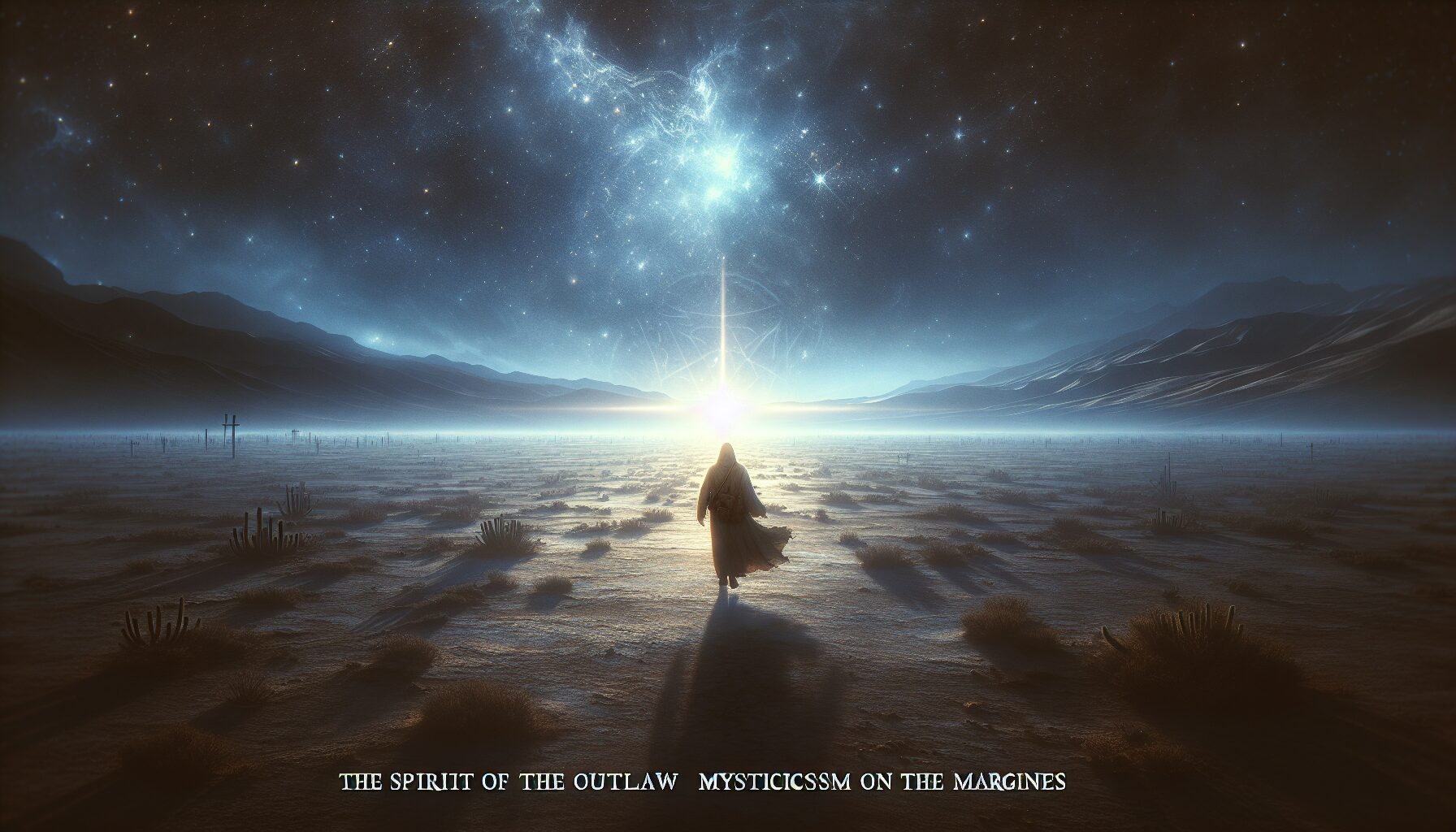
    Throughout history, the figure of the outlaw has captivated the human imagination, serving as both a symbol of rebellion and an enduring archetype of freedom. These marginalized figures, often living outside the bounds of law and society, evoke a sense of mysticism rooted in their defiance and unyielding spirit. This exploration of the outlaw encapsulates not just their actions, but the rich tapestry of myths and legends that surround them.

    The Allure of the Outlaw

    Outlaws are romanticized for their audacity and independence. They emerge in stories worldwide, embodying the tension between freedom and authority. From Robin Hood in England to Pancho Villa in Mexico, outlaws are celebrated as proponents of justice—albeit through unconventional means. This dichotomy between law and morality often endows these figures with a mystical, almost spiritual role.

    “The life of a legendary outlaw is a mirror to society’s insecurities and ideologies, amplifying the virtues and vices of an era.”

    As noted on History, the outlaw’s journey reflects broader societal questions and contradictions. They become metaphors for truths that are uncomfortable or hard to confront directly.

    Mysticism and Myth

    Many cultures have infused their outlaw tales with elements of mysticism. In doing so, they transform these real-life rebels into larger-than-life figures, blurring the lines between human and myth. These narratives elevate outlaws from mere criminals to enigmatic heroes capable of miraculous feats.

    • Robin Hood: Known for ‘robbing from the rich and giving to the poor’, the legend of Robin Hood includes miraculous escapes and an unwavering moral code, painting him as a folk hero rather than a common thief.
    • Yokai and Ninjas in Japan: Many Japanese myths include outlaw figures with almost supernatural abilities. The blurred lines between history and folklore serve to mystify figures who acted against the societal norms of the time.
    • Pancho Villa: As a revolutionary leader, Pancho Villa’s exploits are celebrated in song and story, highlighting his strategic genius and almost prophetic vision for Mexico.

    Rebellion and Redemption

    The outlaw’s spirit also embodies themes of redemption and rebellion. Their narratives are imbued with the hope that change is possible, even for those cast out by society. Mysticism often enters these stories as a vehicle for transformation and rebirth.

    Religious and spiritual elements often underscore these journeys. For instance, many outlaws in folklore claim divine justification for their actions. This intersection of spirituality and rebellion echoes the inherent human quest for meaning, justice, and truth.

    The Modern Outlaw

    In contemporary society, the spirit of the outlaw lives on through various subcultures and countercultures. Modern-day ‘outlaws’, from hackers who challenge digital boundaries to activists fighting for systemic change, continue to push against the constraints of the status quo.

    “Today’s outlaws navigate a digital frontier, challenging the status quo in ways that speak to an evolving understanding of justice and equality.”

    The Guardian notes that these digital frontiers are not just battlegrounds for technology, but for ideologies as well—embodying the essence of the mystical rebel spirit in today’s era.

    The Enduring Legacy

    The persistent allure of the outlaw speaks to a universal human longing for freedom and justice. Rooted in real-world defiance and revived through mythology, these figures remind us of the transformative power of rebellion. The mysticism surrounding them is less about magic and more about what they represent: the unyielding force of a spirit unwilling to succumb to injustice or conformity.

    The narrative of the outlaw persists because it resonates deeply within the human psyche, urging us to question the boundaries enforced by society and to consider the potential that resides within each act of rebellion, not only as a personal journey but also as a grand, mystical assertion. Thus, the spirit of the outlaw remains both a provocative symbol and an inspiring call to action for those on the margins seeking to change the world.

  • Resonance Beyond Silence

    Resonance Beyond Silence

    Resonance Beyond Silence: Exploring the Power of Sound and Its Impact on Humanity

    In a world increasingly characterized by noise, the concept of resonance and its profound implications on human life often go unnoticed. Beyond the alternating rhythms of quiet and chaos, sound possesses a resonance that influences not only the individual psyche but also the fabric of society itself.

    Sound as a Fundamental Element

    Throughout history, sound has held significant cultural and spiritual meanings. From ancient tribal drumming in Africa to the sacred chants of Tibetan monks, sound has been used as a tool for communication, healing, and connection to the divine.

    “There is geometry in the humming of the strings, there is music in the spacing of the spheres.” — Pythagoras

    The Greek philosopher Pythagoras believed that music was a reflection of a mathematical order and that harmonics and vibrations were fundamental components of the structure of the universe. This idea laid the groundwork for future scientific inquiries into the impact of sound on human psychology and physiology.

    The Science Behind Sound Waves

    Sound, in its simplest form, is an energy wave that travels through a medium such as air, water, or solids. The frequency and amplitude of these waves determine their pitch and volume respectively. Modern science has explored these waves not just as simple sound patterns but as carriers of emotional and physical transformations.

    • Music Therapy: Studies have shown that music, a structured form of sound, can facilitate healing and improvement in mental health disorders. According to a study by the National Institutes of Health, patients suffering from depression and anxiety exhibited improvements after engaging in music therapy sessions.
    • Binaural Beats: These are auditory illusions perceived when two different frequencies are presented to each ear. Research suggests they may reduce stress and promote greater focus and clarity.
    • Sound in Medicine: Ultrasound technology uses sound waves to create images of organs and structures inside the body, a crucial tool in modern diagnostic medicine.

    The Global Soundscape and Human Resonance

    With urbanization and technological advancements, the global soundscape has transformed dramatically. The World Health Organization (WHO) has raised concerns about noise pollution, which poses serious risks to public health, linking it to increased stress and adverse outcomes such as hearing loss and cardiovascular problems.

    Yet, it’s not all detrimental. The growing interest in soundscapes has encouraged environmental conservation efforts focused on preserving natural acoustic environments. In Japan, soundscaping is part of conservation efforts to maintain serenity in cultural sites.

    Art and Innovation Through Sound

    Contemporary artists and technologists are using sound in innovative ways to evoke emotional responses and experience reality differently. Sound art installations and virtual reality experiences incorporate auditory elements to create immersive experiences. As noted by sound artist Janet Cardiff, “Sound has a way of getting in through the back door… You feel it inside you.”

    • Interactive Sound Art: Exhibitions that invite viewers to interact with sound, offering dynamic experiences that challenge traditional perceptions of art.
    • Soundscapes in VR: Virtual reality enhances its immersive quality by incorporating three-dimensional soundscapes, creating authentic environments that listeners can engage with on a multisensory level.

    The Future of Sound: Beyond Silence

    The future of resonance and sound is promising and exciting. As technology advances, our interactions with sound will continue to evolve, offering profound possibilities in various fields:

    • Acoustic Design: Future architectural developments are being tailored to enhance positive sound resonance and reduce unwanted noise impacts.
    • AI in Music Creation: Artificial intelligence is increasingly being used in music to generate compositions and understand the elements of sound that resonate with human emotions, offering deeper insights into the science of auditory art.
    • Digital Health Initiatives: Utilizing sound to promote mental well-being and create personalized therapies to address individual health needs.

    Resonance beyond silence is not just about eliminating noise but understanding and leveraging the full spectrum of sound to enrich human existence. As our awareness and knowledge of sound grow, we can expect to harness its potential to enhance well-being, foster creativity, and deepen our connection to ourselves and the natural world.

    The key to unlocking the full potential of sound lies in listening—not just with our ears, but with an open mind and a willing heart.

  • The End of Authority — The awakening beyond hierarchy

    The End of Authority — The awakening beyond hierarchy

    The End of Authority: The Awakening Beyond Hierarchy

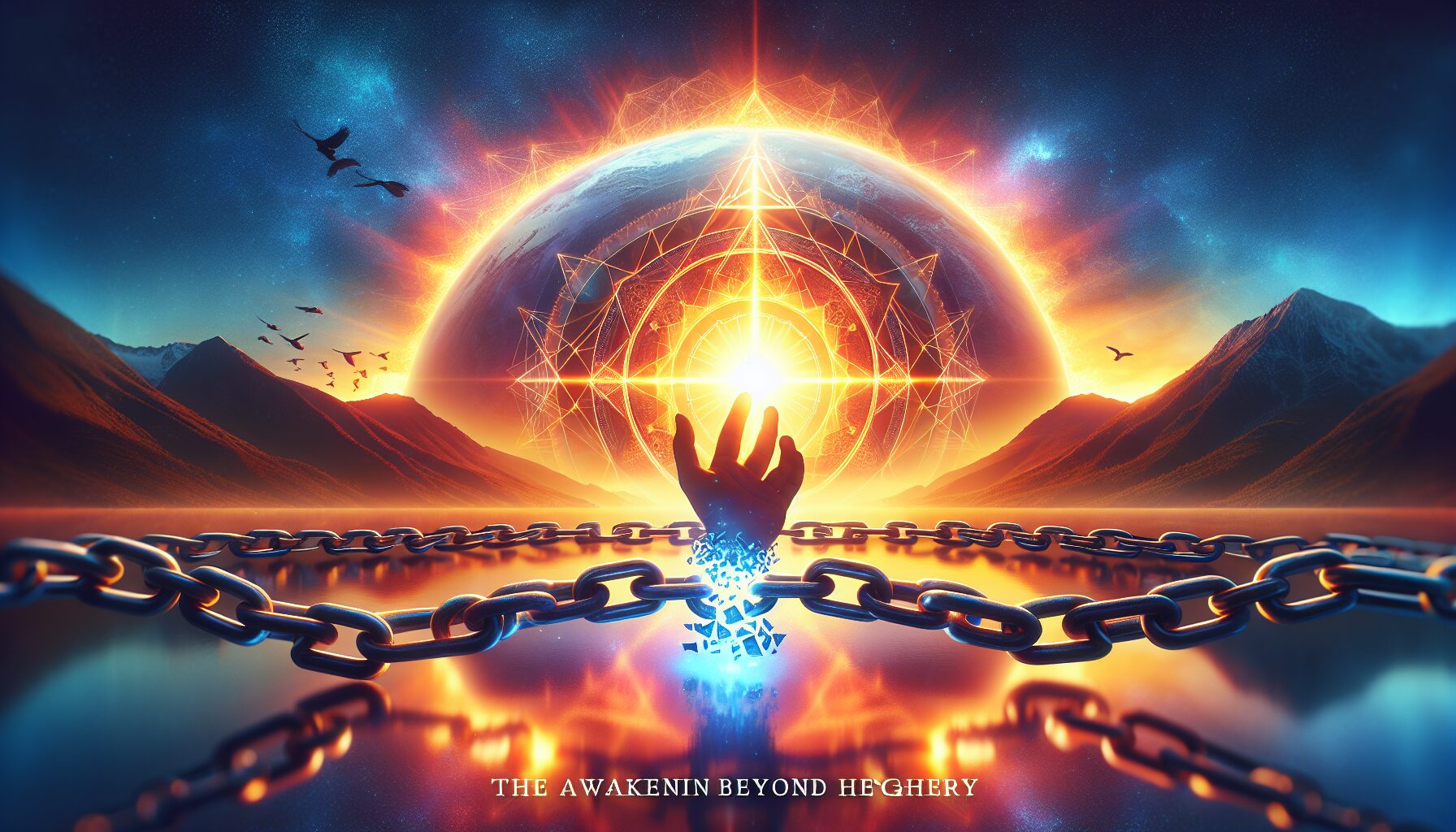
    In an ever-evolving world where the structures and hierarchies of the past are continuously challenged, a new paradigm is emerging—one that seeks to transcend traditional authority. This virtual renaissance is not only reshaping how individuals perceive leadership but also how they engage with it, fostering a movement that is as invigorating as it is essential.

    The Decline of Traditional Authority

    The decline of traditional authority structures has been a gradual process accelerated by factors such as technological advancement and cultural shifts. As Dan Pontefract notes in Forbes, “We are moving toward a ‘human being-based’ approach rather than a ‘human resources-based’ one.”

    For centuries, hierarchies have been the backbone of societal organization, from the feudal systems of medieval times to the corporate ladders of the 20th century. However, the dawn of the 21st century has witnessed a disruption in this age-old dynamic. Empowered by the digital revolution, individuals are now questioning the necessity of traditional authority and exploring alternative structures.

    “The rise of remote work and flexible offices has flung open the doors to new ways of thinking about leadership,” writes Derek Thompson in The Atlantic.

    Awakening Beyond Hierarchy

    This awakening is not about rejecting authority outright but about redefining it. The rise of decentralized systems, such as blockchain technology, plays a significant role in this transformation. These systems offer transparency and egalitarianism, allowing for trust without the need for central figures.

    • Decentralization: Blockchain and other decentralized technologies create environments where trust is distributed.
    • Open Leadership: Leaders emerge based on merit and contribution rather than title or position.
    • Collaborative Culture: Decision-making is often shared or collective, enhancing creativity and inclusivity.

    As people become more interconnected, they seek more from their governances and organizations than just top-down mandates. They crave engagement, equality, and empowerment—elements that were scarce in traditional hierarchical structures.

    The Future of Leadership and Collaboration

    The dissolution of rigid hierarchies leads to a new type of leadership, one that is rooted in empathy, adaptability, and mutual respect. As the barriers crumble, leaders of tomorrow are those who acknowledge the voices of many, aligning the core objective of organizations with the broader human need for connection and community.

    As we venture into this bold new frontier, the end of authority as we have known it marks the beginning of an era where collaboration and shared vision define the scope of human potential.

  • The Slippery Mercy — When forgiveness has conditions

    The Slippery Mercy — When forgiveness has conditions

    Forgiveness has often been hailed as a cornerstone of emotional and social well-being, lauded by philosophers, religious leaders, and psychologists alike. Yet, this noble act does not always come unconditionally. Instead, it sometimes slips into murky waters, where forgiveness is entangled with expectations and prerequisites. The intersection of these elements raises significant questions about the true nature of mercy.

    The Dynamics of Conditional Forgiveness

    Conditional forgiveness typically involves a form of exchange—where one expects something in return for forgiving an offense. As psychologist Dr. Everett Worthington argues, “Forgiveness is always personal, but it does not mean that reconciliation, or the rebuilding of a relationship, must immediately follow.” (Psychology Today)

    In many cases, the conditions linked to forgiveness could involve tangible actions, like an apology, restitution, or a demonstrable change in behavior. These conditions are seen as safeguards, ensuring that the wrongdoer acknowledges their mistake and is willing to make amends. However, critics argue that placing conditions on forgiveness can entrench power dynamics, where the forgiver retains control over the forgiven’s fate.

    Empathy and the Human Element

    On the surface, it might appear that unconditional forgiveness is the ultimate expression of empathy. However, conditional forgiveness can reflect a deeper understanding of human relationships. Setting boundaries is not inherently merciless; instead, it can be an act of self-respect and emotional clarity.

    “Forgiveness does not change the past, but it does enlarge the future,” said author Paul Boese. It stands to reason that conditional forgiveness, then, can pave the way for a clearer, more defined future, even if it requires some initial stepping stones.

    Balancing Justice and Compassion

    Forgiving conditionally may align with a desire for justice. According to a piece in Greater Good Magazine, “Balancing justice with compassion is one of the hardest challenges when we attempt to forgive.” Sometimes, recipients of forgiveness must first demonstrate genuine remorse to be allowed back into the fold, offering a form of restitution not only for personal offenses but also on a social level.

    Conclusion

    Ultimately, whether forgiveness should come with or without conditions is a complex and deeply personal decision. It involves balancing empathy for the wrongdoer with self-respect and the pragmatic realities of human relationships. By understanding the dynamics of conditional forgiveness, we can better navigate the rocky roads of mercy, ensuring that our forgiveness is as genuine and meaningful as possible.

  • The Light Misused — Justifying cruelty as clarity

    The Light Misused — Justifying cruelty as clarity

    In the pursuit of truth and rationality, human beings often claim to shed the light of reason on complex issues. However, there exists a perilous tendency to misuse this “light,” employing it as a justification for cruelty. This phenomenon of equating cruelty with clarity has grave ethical implications and raises fundamental questions about human nature, morality, and the purpose of reason.

    Reason and Cruelty: An Unholy Alliance

    Throughout history, the advancement of knowledge and reason has often been celebrated as a weapon against ignorance and superstition. Nevertheless, reason has also been employed to justify actions that, at their core, are violations of fundamental ethical principles. In fact, the sinister application of reason—when used to rationalize cruelty—reveals a darker side to what is often seen as humanity’s greatest gift.

    “The sad truth is that most evil is done by people who never make up their minds to be either good or evil.” – Hannah Arendt, Eichmann in Jerusalem: A Report on the Banality of Evil

    Arendt’s insight into the banality of evil demonstrates how ordinary individuals can perpetuate extraordinary cruelty under the guise of duty or rational justification. This mindset shifts the onus of morality away from individual conscience and onto impersonal systems or ideologies.

    The Enlightenment: A Dual Legacy

    The Enlightenment era is heralded for its emphasis on reason, science, and human rights. Yet, it also laid the groundwork for rational justifications of imperialism, colonialism, and racial supremacy. Enlightenment figures like Voltaire and Kant, while advocating for critical thinking and enlightenment, also exhibited prejudices that contradicted their ideals.

    • Voltaire expressed views in his writings that, while championing free thought, also supported prejudiced ideas about the superiority of certain cultures.
    • Immanuel Kant contributed extensively to philosophy, yet also wrote on the differences between races in ways that supported hierarchical thinking.

    This dual legacy demonstrates how the light of reason can be misapplied, illuminating the path to progress for some while casting shadows on others, thus transforming potential clarity into justification for oppression.

    Utilitarianism and Ethical Dilemmas

    Utilitarian philosophy, with its roots in the works of Jeremy Bentham and John Stuart Mill, offers a framework for making ethical decisions based on the greatest happiness principle. However, critics argue that utilitarianism can sometimes be used to justify actions that are superficially rational yet deeply unethical.

    “The ends justify the means” is a sentiment often linked—rightly or wrongly—to utilitarian thinking. This mindset, when oversimplified, risks validating harmful actions under the guise of greater overall utility.

    Such an approach can pave the way for cruel decisions if the suffering of a few is deemed acceptable in the theoretical service of the majority’s well-being.

    An Example: The Tuskegee Syphilis Study

    One of the most egregious examples of cruelty justified as scientific clarity is the Tuskegee Syphilis Study. Conducted between 1932 and 1972, the study involved African American men who were untreated for syphilis, even after a treatment became available, to study the disease’s progression. The researchers prioritized data collection over the well-being of human subjects, treating them as mere means to an end.

    Here, the misuse of scientific reasoning resulted in a severe ethical breach, reflecting the dangerous assumption that clarity in scientific research can justify cruelty to individuals.

    Misapplication in Contemporary Contexts

    In modern times, the misuse of reason as a justification for cruelty can be observed in numerous areas, including technology, environmental policy, and global economics.

    • Algorithmic Bias: The use of algorithms in decision-making frequently leverages vast amounts of data to achieve clarity. However, when bias embedded in data leads to discrimination, such clarity becomes a tool of oppression.
    • Environmental Exploitation: Rationalizing environmental degradation for economic growth reflects a cruel clarity that overlooks the catastrophic impact on ecosystems and marginalized communities.

    The Philosophical Path Forward

    To truly harness the light of reason, it is vital to integrate ethical consideration with rational thought. Philosophers such as Edith Stein and Emmanuel Levinas emphasize empathy and responsibility to the “Other” as essential components of ethical reasoning.

    By transcending the narrow focus on clarity alone, and embedding ethical empathy into our rational deliberations, we can ensure that the exercise of reason promotes dignity rather than dehumanization.

    Conclusion

    The blend of reason and cruelty—instead of clarity—is a cautionary tale about the ethical perils of intellectual pursuits. By mindfully balancing clarity with conscience, humanity can harness the light of reason not as a tool of cruelty, but as a beacon of compassion and understanding.

    “To know what is right and not to do it is the worst cowardice.” – Confucius

    In acknowledging and rectifying the misuse of light, we move toward a world where clarity and compassion coexist, ensuring that our pursuits of knowledge uplift rather than exploit.

  • The Unreadable Line — The moment understanding slips away

    The Unreadable Line — The moment understanding slips away

    There comes a juncture in the realm of knowledge and comprehension where familiarity gives way to ambiguity—a moment where understanding slips through the fingers like grains of sand. This threshold, often imperceptible, is what we call the Unreadable Line.

    The concept of the Unreadable Line has been explored in various disciplines, be it literature, psychology, or philosophy. It refers to those moments when clarity fades and the mind grapples with the unknown, often encountering the limits of human cognition and perception. What happens when understanding slips away? What lies beyond this enigmatic boundary?

    The Threshold of Understanding in Literature

    Within literature, the Unreadable Line often presents itself as a narrative technique that effectively draws the reader into the intricacies of the human experience. Authors such as James Joyce and Franz Kafka are renowned for their ability to transport readers to this space of confusion and reflection.

    “I am, a part of all that I have met; / Yet all experience is an arch wherethrough / Gleams that untravelled world, whose margin fades / For ever and forever when I move.”

    Alfred Lord Tennyson

    Tennyson’s words from Ulysses beautifully encapsulate the essence of this boundary—an “untravelled world” that always seems just beyond reach. In literature, this boundary invites readers to ponder realities beyond their own understanding, challenging them to question their perceptions.

    Philosophical Implications

    Philosophers have long explored the notion of the limits of knowledge. Immanuel Kant, for instance, argued that human understanding is confined by the categories of the mind, and there’s a realm of “the thing-in-itself” that remains inaccessible to us. Kant’s critical philosophy suggests that our cognitive capabilities inherently limit our understanding of the universe.

    “Two things fill the mind with ever new and increasing admiration and awe… the starry heavens above and the moral law within.”

    Immanuel Kant

    Kant’s words highlight the dichotomy between the knowable and the inscrutable, a reminder of the perpetual dance between understanding and mystery. This Unreadable Line marks the boundary where empirical evidence meets metaphysical speculation.

    The Psychological Perspective

    Psychologically, the Unreadable Line can represent moments of cognitive dissonance. When presented with information that challenges existing beliefs, humans encounter discomfort—a phenomenon Leon Festinger coined in the mid-20th century. This discomfort can often signal the crossing of the Unreadable Line, where acceptance falters and resistance to new ideas emerges.

    • Cognitive Dissonance Theory: Festinger’s theory posits that when individuals are faced with conflicting information, they experience mental stress. The Unreadable Line surfaces as the tension between existing beliefs and new, conflicting information.
    • The Illusion of Knowledge: Psychologist Steven Sloman, in collaboration with Philip Fernbach, discusses how people often overestimate their understanding of complex phenomena. Their book, The Knowledge Illusion, illustrates how humans are often oblivious to their own ignorance.

    These psychological insights suggest that the Unreadable Line is not just a boundary to be feared but a pivotal moment for growth and learning.

    The Enigma of the Unreadable Line

    Artists, writers, and thinkers have often celebrated uncertainty as fertile ground for creativity. As Albert Einstein once said,

    “The most beautiful thing we can experience is the mysterious. It is the source of all true art and science.”

    Albert Einstein

    The Unreadable Line, therefore, is not merely an end but a beginning—a springboard into the realm of innovation and discovery. It compels us to embrace uncertainty and plummet into the depths of the unfamiliar, emerging with novel insights.

    Conclusion

    As individuals and societies continue to seek understanding and dispel the shadows of ignorance, the Unreadable Line stands as a testament to the perpetual human quest for knowledge. It reminds us that while some horizons remain distant, the journey to comprehend what lies beyond is both necessary and enriching.

    Ultimately, the Unreadable Line challenges us to reach beyond our grasp, a call to transcend our limits and expand the frontier of human experience: an invitation to continue exploring the beautifully perplexing universe that enfolds us.