Tag: faith

  • From Temple to Prison Cell – The journey of persecuted believers

    From Temple to Prison Cell: The Journey of Persecuted Believers

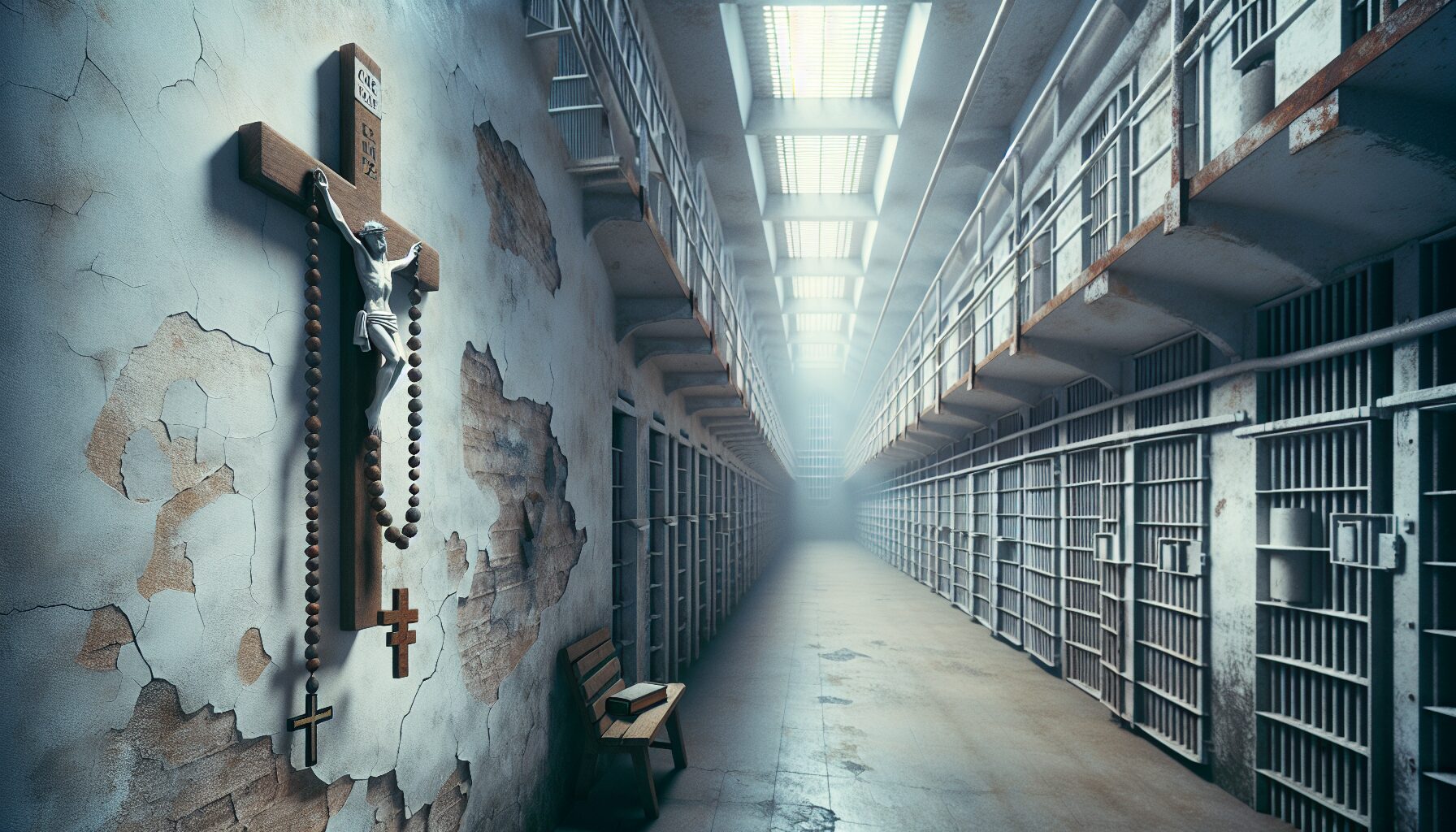
    The practice of faith has often been a sanctified, personal journey for many throughout history. Yet for millions around the world, this journey is fraught with peril, fundamentally transformed into a constant struggle for survival. From the solemnity of temples to the harsh realities of prison cells, religious believers face persecution for their adherence to their faith.

    Historical Context

    Religious persecution is not a novel concept. The Acts of the Apostles in the Christian New Testament recounts the trials of early Christians. As stated in Acts 8:1, “A great persecution broke out against the church in Jerusalem, and all except the apostles were scattered throughout Judea and Samaria.” This scattering of believers is an early instance of a recurring theme across eras and geographies.

    Modern-Day Persecution

    Today, persecution continues unabated. According to a report by Open Doors USA, over 340 million Christians live in places where they experience high levels of persecution. The organization ranks countries like North Korea, Afghanistan, and Somalia as some of the most perilous places for Christians.

    • North Korea: Known for its extreme stance against religious activities, being found with a Bible can result in execution or life imprisonment.
    • Afghanistan: Converts to Christianity face severe repercussions, often forced into hiding.
    • Somalia: Christians are at constant risk of targeted execution by extremist groups.

    Voices of Hope

    Despite these challenges, the resilience of believers is profound. Organizations like the International Society for Human Rights observe that numerous individuals continue to participate in their faith under threat of persecution. As Jan Figel, former EU Special Envoy for the promotion of freedom of religion or belief, noted, “Faith is not to be imposed nor to be eliminated. It proposes.

    “The fundamental aim of all forms of persecution is the destruction of freedom, an essential human right.”

    Concluding Thoughts

    From the austerity of ancient temples to the bleak confines of modern prison cells, the journey of persecuted believers highlights their tenacity and enduring hope. The world must heed their stories, not only as tales of suffering but as testament to the indomitable spirit of faith amid adversity.

    For those who traverse this perilous path, their faith remains both a guiding light and an unwavering companion, illuminating even the darkest of prison cells.

  • Praying in the Shadows – Everyday life under religious persecution

    Praying in the Shadows – Everyday life under religious persecution

    In many parts of the world, practicing one’s faith freely is a cherished right. Yet, for millions, exercising this freedom is fraught with danger. In these regions, religious persecution shadows everyday life, forcing individuals to worship in secrecy and live in constant fear.

    Globally, over 360 million Christians live in areas with high levels of persecution or discrimination, according to the Open Doors World Watch List 2022. This number represents just one faith tradition among many experiencing relentless suppression. From Asia to Africa, stories resound of believers who risk all to maintain their spiritual practices.

    The Reality of Persecution

    • Restricted Worship: In countries like North Korea and Afghanistan, religious assemblies are non-existent or heavily monitored. Gathering to worship can result in imprisonment or worse. “Every time we pray, it feels like defying the odds,” shares an anonymous Christian from Kabul.
    • Social Ostracism: Believers often face alienation from their communities. Individuals such as Rohingya Muslims in Myanmar experience systemic societal exclusion, which compounds their suffering with economic difficulties.
    • Violence and Displacement: In Nigeria, religious conflict has led to widespread violence, particularly against Christian communities in the north. This violence results in forced displacement, disrupting families and livelihoods.

    “Persecution against the Baha’is in Iran has spiked in recent months—driven by the government’s exponential rise in suppressive measures,” detailed a report from the Human Rights Watch.

    The Courage to Persevere

    Despite these hardships, many persecuted individuals find solace in their faith. Under the oppressive regimes, underground worship communities thrive, representing resilience and hope. In China, where the government strictly controls religious activities, the growth of unregistered “house churches” reflects a defiant commitment to faith.

    Efforts to alleviate these injustices often depend on international attention. Organizations advocate for increased awareness and pressure on offending governments to uphold religious freedoms. “Building a global movement is vital to protect these vulnerable populations,” says Amnesty International.

    The struggle for religious freedom is ongoing and demands a unified global response. By supporting these communities through advocacy and awareness, there is hope that one day, praying in the shadows will no longer be necessary.

  • Silenced by Faith – How modern states criminalize belief

    Silenced by Faith – How modern states criminalize belief

    Silenced by Faith: How Modern States Criminalize Belief

    In a world where the freedom to believe is ostensibly heralded as a foundational right, the reality presents a stark contrast. Across various regions, modern states continue to wield the power of legislation and coercion to curtail religious expression, often under the guise of maintaining secularism or national security. This article explores how belief, something deeply personal and existential, becomes entangled in the intricate web of state control.

    The Historical Context

    The intertwining of religion and politics historically dates back centuries. From the reigns of divine monarchs to theocracies, governing systems have frequently exploited religion as a means of consolidating power. However, the Enlightenment era saw the emergence of secularism as a counterbalance, promoting a clear division between church and state. As historian Karen Armstrong notes,

    “The rise of secularism was to protect the sanctity of religion from the corrupting influence of politics.”

    Despite such intentions, the dynamics of faith and state often remain contentious.

    The Modern Landscape

    Today, the situation is paradoxical. While international conventions such as the Universal Declaration of Human Rights enshrine freedom of thought, conscience, and religion, many countries have laws that infringe upon these rights. The global landscape is riddled with instances where states criminalize or otherwise suppress religious belief and practice.

    • China: The Chinese government’s handling of religious groups, particularly Tibetan Buddhists, Falun Gong practitioners, and Uighur Muslims in Xinjiang, is well-documented. Under the guise of combating extremism, China has implemented what it terms “re-education centers,” where reports indicate that cultural and religious indoctrination occurs.[1]
    • Saudi Arabia: Despite being the birthplace of Islam, the Kingdom imposes strict controls over religious practice. The only recognized faith is Wahhabism, and deviation can lead to severe punishments. Amnesty International has reported numerous cases of religious discrimination and persecution against Shi’a Muslims.[2]
    • Russia: The Russian Federation has enacted laws targeting “extremist” religious factions, impacting groups like Jehovah’s Witnesses. In 2017, the Russian Supreme Court labeled them an extremist organization, effectively banning their activities.[3]

    Legislative Instruments of Suppression

    States employ a variety of legislative tools to manage religious expression. Anti-blasphemy laws, anti-terror laws, and strict registration requirements for religious organizations serve as common tactics. These laws often become weapons of persecution against minority faiths.

    Blasphemy Laws

    Blasphemy laws present one of the most evident forms of religious suppression. According to Human Rights Watch, over 70 countries maintain legislation that penalizes blasphemy, apostasy, or defamation of religion.[4] While generally framed as protecting community harmony, these laws are frequently used to target and silence dissenting religious or secular voices.

    Anti-terror Legislation

    In the post-9/11 world, many governments have expanded their rationale for cracking down on religious groups under anti-terror laws. These regulations cast a wide net, often leading to arbitrary arrests and detentions without due process, thus infringing on religious expression and freedom.

    The Impact on Society

    Such repressive measures carry profound social ramifications. Persecution for beliefs often leads to societal fragmentation, deepening divides between different religious and ethnic communities. Fear and mistrust grow pervasive, stifling dialogue and understanding across cultural lines. As theologian Reza Aslan articulates,

    “When people’s identities are criminalized, they are more likely to retreat into extremes.”

    A Way Forward

    Addressing the criminalization of belief requires a concerted international effort. Civil society, international human rights organizations, and progressive state actors must collaborate to monitor and call out rights violations. Furthermore, global governance structures, such as the United Nations, should reinforce accountability mechanisms for states that violate religious freedoms.

    Education and interfaith dialogue initiatives also play a critical role in fostering a more inclusive environment where diversity in belief is respected rather than feared. As globalization continues to interweave disparate cultures and religions, promoting understanding becomes essential to maintaining peace and coexistence.

    Humans have long sought answers to the profound questions of existence through faith. Ensuring the freedom to explore these answers without fear of persecution remains a fundamental challenge and a litmus test for the true progress of any society.


    Footnotes:

    1. Human Rights Watch. “Eradicating Ideological Viruses”: China’s Campaign of Repression Against Xinjiang’s Muslims. Source.
    2. Amnesty International. “The State of the World’s Human Rights.” Source.
    3. BBC News. “Russian Supreme Court Bans Jehovah’s Witnesses.” Source.
    4. Human Rights Watch. “Blasphemy laws are rife across the world.” Source.
  • The Standalone Spirit – Strong Faith Outside the Fold

    The Standalone Spirit – Strong Faith Outside the Fold

    The Standalone Spirit: Strong Faith Outside the Fold

    The journey of faith is often seen as a communal enterprise, bound by traditions, followed alongside a worship community. Yet, for some, faith takes on a unique form—thriving independently, unanchored by established institutions. This standalone spiritualism is not a solitary descent into isolation but a robust, personal exploration of the divine.

    The Rise of Independent Belief

    In a world increasingly driven by individuality, it’s no surprise that many choose to embrace their spirituality outside the structures of organized religion. A study by the Pew Research Center highlights that while participation in formal religious institutions is declining, personal spirituality is experiencing growth. The research noted that people who describe themselves as spiritual but not religious (SBNR) are on the rise, reflecting a shift towards a more individualized approach to faith.

    “Religion is like a pair of shoes… Find one that fits for you, but don’t make me wear your shoes.” – George Carlin

    This quote encapsulates the sentiment held by many who tread this path, emphasizing personal comfort and fit over conformity and uniformity.

    Characteristics of Standalone Spirituality

    Standalone spirituality is characterized by a few distinct traits:

    • Personal Relationship with the Divine: Practitioners often strive for a direct, personal connection with their idea of a higher power or universal energy.
    • Eclectic Practices: They may draw on various religious traditions or spiritual practices, selecting elements that resonate personally.
    • Ethical Flexibility: Moral and ethical beliefs are often self-defined rather than dictated by religious laws or doctrines.
    • Focus on Inner Growth: There is an emphasis on self-improvement, personal growth, and mindfulness.

    Challenges Faced by Independent Believers

    Embracing spirituality outside the fold is not without its challenges. One major hurdle is the absence of community support, which traditional religions often provide through consistent fellowship, shared rituals, and collective worship experiences. Independent believers may struggle with:

    • Loneliness and Alienation: Without a community, they may feel isolated in their spiritual journey.
    • Lack of Structured Guidance: The absence of formal religious teachings or leaders can leave individuals searching for guidance.
    • Societal Skepticism: They may face misunderstanding or criticism from those who see their path as non-conformist or unconventional.

    The Benefits of Spiritual Independence

    Despite these challenges, many find immense fulfillment and peace in walking an independent path. The freedom to explore, question, and discover without boundaries can lead to a profound sense of spiritual satisfaction and personal empowerment:

    • Authentic Self-Expression: Individuals can express their spiritual beliefs and practices sincerely, without fear of judgment.
    • Adaptability: Their faith can evolve with personal growth, allowing for greater flexibility in beliefs and practices over time.
    • Creative Exploration: They enjoy the liberty of crafting unique rituals and ceremonies that hold personal significance.
    • Enhanced Personal Insight: The journey often fosters deeper self-awareness and inner understanding.

    Stories of Independent Believers

    From famous personalities to everyday individuals, many have traversed the path of faith outside the fold and have shared their experiences of profound personal transformation. Oprah Winfrey, often vocal about her spiritual views, once explained her belief in a power greater than herself stating:

    “I am a Christian who believes that there are certainly many more paths to God other than Christianity.” – Oprah Winfrey

    Such perspectives illustrate that independent faith allows for openness to the vast tapestry of human spirituality, embracing wisdom across boundaries of creed or dogma.

    Nurturing Standalone Faith

    For those venturing into independent spirituality, several practices can help nurture their journey:

    • Meditation and Mindfulness: Regular mindfulness practices can deepen awareness and inner peace.
    • Journaling: Keeping a spiritual journal can help document insights, growth, and questions that arise.
    • Community of Like-minded Individuals: While not attached to a formal religion, finding or forming groups with similar values can provide much-needed support.
    • Educational Exploration: Reading a diverse range of spiritual and philosophical texts can stimulate thought and inspire new viewpoints.

    Conclusion

    The standalone spirit of those who practice independent spirituality exemplifies the courage to traverse beyond conventional boundaries. In crafting a personal path, they embody a faith that is both resilient and adaptable—a testament to the diverse and evolving nature of human belief.

    The journey may not be paved or predictable, but the potential for connection, transformation, and inner peace remains limitless. Whether within a community or afar, faith persists, inviting each seeker to discover their unique place within the universe’s vast and wondrous tapestry.

  • Spiritual Flight – Escaping Oppression Without Losing Faith

    Spiritual Flight – Escaping Oppression Without Losing Faith

    Throughout history, individuals and communities have sought refuge from oppression through spiritual means, a journey often described as a “spiritual flight.” This transformative process involves transcending physical and emotional constraints, seeking liberation through the power of faith and introspection.

    The Essence of Spiritual Flight

    At its core, spiritual flight is an inner journey, a movement away from the shackles of external circumstances to a place of inner peace and resilience. As Rainer Maria Rilke aptly puts it, “The only journey is the one within” (source).

    This journey often requires a deep commitment to personal faith and spiritual practices, which can include prayer, meditation, and mindfulness. These practices help individuals cultivate a sense of purpose and strength, allowing them to navigate challenging situations without being consumed by them.

    Faith as a Source of Strength

    Faith plays a pivotal role in guiding individuals on their spiritual flight. It provides a sense of connection to something greater than oneself, offering comfort and guidance in times of distress. As Desmond Tutu once said, “Hope is being able to see that there is light despite all of the darkness” (source).

    • Connection to the Divine: Establishing a relationship with a higher power can create a sense of security and trust, making it easier to navigate life’s challenges.
    • Community Support: Engaging with a faith community can provide emotional support, companionship, and strength, reinforcing the individual’s pursuit of spiritual liberation.
    • Personal Growth: Faith inspires continuous self-reflection and growth, encouraging individuals to overcome personal limitations and achieve spiritual enlightenment.

    Balancing Reality and Spirituality

    While spiritual flight involves transcending one’s current circumstances, it is crucial to maintain a balance between spiritual aspirations and reality. It is not about escaping challenges but rather facing them with renewed strength and perspective. As philosopher Søren Kierkegaard stated, “Life can only be understood backwards; but it must be lived forwards” (source).

    “Faith is taking the first step even when you don’t see the whole staircase.” — Martin Luther King Jr.

    Ultimately, the journey of spiritual flight is one of resilience, empowerment, and transformation. By embracing faith and spirituality, individuals can escape the confines of oppression, not by fleeing their circumstances, but by changing the lens through which they view and engage with the world.

  • Spiritual Exoskeleton – Defenses Built Under Persecution

    Spiritual Exoskeleton – Defenses Built Under Persecution

    Spiritual Exoskeleton: Defenses Built Under Persecution

    In times of adversity, humanity’s natural instinct is to guard itself, not only physically but spiritually as well. The concept of the spiritual exoskeleton emerges as an emotional and psychological defense mechanism built during periods of persecution. Just as a physical exoskeleton provides protection and structure to certain animals, a spiritual one fortifies and shields individuals against external threats and internal turmoil.

    The Historical Context of Spiritual Perseverance

    Throughout history, communities have faced persecution on the grounds of religion, belief systems, and ideologies. The Spanish Inquisition and the oppression of early Christians in Rome highlight how deeply-rooted faith and communal support structures become bastions of strength during turbulent times.

    “If you want to find the secrets of the universe, think in terms of energy, frequency, and vibration,” said Nicola Tesla. His insight reflects the resonance within spiritual communities that endure persecution — they draw strength from collective energies and shared faith.

    Core Components of a Spiritual Exoskeleton

    Just as an architectural marvel rests on its foundational pillars, the spiritual exoskeleton relies on key components that underpin its strength:

    • Faith and Belief: The cornerstone of any spiritual defense. During the Jewish diaspora, for example, the unwavering belief in cultural and religious traditions provided a resilient backbone. Believers find solace and direction in sacred texts and teachings that bolster their spirits.
    • Community Support: In times of persecution, communities often rally together to provide mutual support and encouragement. This unity was evident during the Civil Rights Movement, where faith leaders played crucial roles.
    • Rituals and Traditions: These serve as critical methods of enduring and overcoming hardship. Rituals offer structure, a sense of normalcy, and connection to ancestry.
    • Personal Practices: Mindfulness, meditation, and prayer fortify individuals, acting as a shield against external stressors. These practices foster internal peace and resilience.

    Psychological Underpinnings of Spiritual Armour

    The psychological perspective on why spiritual beliefs offer such profound solace during persecution is deeply rooted in its capacity to provide meaning and purpose, as per research by the American Psychological Association. A well-integrated belief system often aligns with deeper constructs of identity, allowing individuals and groups to endure formidable hardships.

    According to Victor Frankl, a Holocaust survivor and psychiatrist, “Those who have a ‘why’ to live, can bear with almost any ‘how’.” This sentiment captures the essence of spiritual armor—it is the ‘why’ that offers purpose and navigates individuals through grueling circumstances.

    Modern Parallels and Spiritual Resilience

    The concept of a spiritual exoskeleton extends to modern-day situations. Take, for instance, the Uyghur Muslims in Xinjiang, China, who face cultural and religious persecution. According to reports from Human Rights Watch, despite severe repression, their commitment to faith practices remains indomitable. Similarly, the racial and socio-political unrest in many countries has seen communities harness spiritual strength to fight for justice and equality.

    The digital age has also redefined community building and spiritual practice. While traditionally, places of worship served as physical locations for people to gather, the internet has now allowed for spiritual bonding across borders. Virtual congregations and online prayer groups have emerged as new forms of spiritual solidarity, demonstrating that the essence of community transcends physical limitations.

    Challenges and Critiques of a Spiritual Exoskeleton

    Despite its benefits, there are critiques and challenges surrounding the concept of a spiritual exoskeleton. Detractors argue that reliance on spiritual defenses might sometimes predispose individuals to ignore practical solutions. Moreover, in situations where external persecution evolves into systemic discrimination, spiritual resilience alone may not suffice to navigate the socio-political landscape adequately.

    “Faith is taking the first step even when you don’t see the whole staircase,” said Martin Luther King Jr.. This notion underscores the delicate balance between spiritual conviction and pragmatic action.

    Conclusion

    The spiritual exoskeleton is a powerful metaphor for the resilience, strength, and comfort that individuals and communities derive in the face of adversity. It underscores the profound human capability to transcend immediate circumstances through faith, community, and personal spiritual practices. While facing persecution, propelled by the fortifying elements of their spiritual exoskeleton, people not only survive but often emerge profoundly transformed.

    Understanding and nurturing this spiritual armor may not necessarily halt adversities, but it reinforces an indomitable spirit, inspiring generations to persist through trials with dignity and hope.

  • Faith Under Siege – What Belief Looks Like When Attacked

    Faith Under Siege – What Belief Looks Like When Attacked

    The endurance of faith under extreme circumstances has long been a testament to the resilience of the human spirit. Throughout history and in contemporary settings, the trials faced by communities of belief reflect a steadfastness that transcends the mere dogmas or rituals of any single religion. Instead, these moments highlight universal themes of identity, perseverance, and hope.

    Historical Context

    Religious persecution is as ancient as religion itself. From the early Christians facing the lions in Roman arenas to Jewish communities enduring pogroms in Eastern Europe, faith under siege has often evoked profound personal and collective transformations. Take, for instance, the words of Nelson Mandela, who once remarked:

    “Your freedom and mine cannot be separated.”

    His sentiment speaks not only to political liberation but also the spiritual freedom that religions often promise their adherents. Mandela, during his own trials in prison, reportedly found solace in a higher belief system that transcended his immediate circumstances.

    Modern-Day Examples

    In the contemporary world, faith communities face both old and new challenges. Consider the plight of Uyghur Muslims in China, where reports indicate ongoing suppression of religious practices. The United Nations has raised concerns over alleged “re-education camps” aimed at eradicating cultural and religious identity. A New York Times article highlights the gravity of the situation, quoting former detainees who described being forced to renounce their faith.

    Similarly, in Myanmar, Rohingya Muslims have faced systematic violence and displacement. The international community has frequently heard heart-wrenching accounts from refugees recounting how their homes were burned and their families attacked simply for espousing a belief system seen as “other.”

    Personal Stories of Resilience

    Stories of persecution are met with tales of remarkable courage. For many, faith is not just a system of belief but a source of inner strength during times of crisis.

    • The Dalai Lama – Forced to flee Tibet in 1959 following China’s invasion, the Dalai Lama has lived in exile ever since. Despite the loss of his homeland and the suppression of Tibetan Buddhism, he continues to teach and preach about the power of compassion and forgiveness.
    • Mahatma Gandhi – Through his unwavering belief in nonviolence, Gandhi transformed the Indian independence movement into a spiritual quest. His faith in the innate goodness of humanity and the divine inspired millions to resist oppression through nonviolent means.

    The Psychological Impact

    Psychologically, faith serves as a buffer against despair. In his book Man’s Search for Meaning, Viktor Frankl, a Holocaust survivor, wrote about finding purpose through suffering. He observed that those who maintained a sense of meaning or faith in something larger than themselves were more likely to survive the horrors of concentration camps.

    Frankl’s insights illustrate a broader truth: belief systems provide structure and hope amidst chaos. In a world where uncertainty often reigns, faith offers individuals a stable foundation upon which to rebuild their lives after trauma.

    Interfaith Solidarity

    The siege on faith does not occur in isolation. More often than not, it acts as a call to action for interfaith solidarity. Various organizations and alliances across the globe work tirelessly to support persecuted communities. The Amnesty International campaign for religious freedom is one such example, defending the rights of individuals to worship freely, regardless of geography or circumstance.

    The Internet – A Double-Edged Sword

    In today’s digital age, the internet acts as both a potential tool for repression and a platform for unity. While repressive regimes may use technology to monitor or suppress religious expression, the same technology empowers oppressed believers to connect globally. Social media platforms allow for the organization of global campaigns and provide a voice to the voiceless.

    Conclusion

    The battle for faith in the face of adversity is not merely a struggle against external forces but a testament to the unyielding spirit of human belief. Whether it is in ancient history or our modern world, faith’s endurance under siege inspires the ongoing pursuit of justice, freedom, and understanding. In the words of Martin Luther King Jr., “Faith is taking the first step even when you don’t see the whole staircase.”

    Faith, at its core, is an act of bravery. It is a quiet yet powerful assertion of identity in a world often hostile to difference, reminding us that in the fight for justice and peace, belief and hope are never truly vanquished.

  • Sanctified Violence – When Faith Justifies Harm

    Sanctified Violence – When Faith Justifies Harm

    Sanctified Violence: When Faith Justifies Harm

    Throughout history, faith has been a cornerstone of human culture, offering solace, guidance, and a moral compass. However, it has also been wielded as a tool for justifying acts of violence. The dichotomy of religion as both a force for good and a pretext for conflict raises intricate questions about the nature of belief and the complexities of human morality.

    The Historical Context of Sanctified Violence

    Historically, religious violence can be traced back to the dawn of organized faiths. From the Crusades in the Middle Ages to ancient religious wars, actions undertaken in the name of a higher power have profoundly shaped the world’s geopolitical landscape.

    “In the name of God and perpetrated in the nature of belief, religion often ignites more wars than it pacifies,” notes the BBC in a discussion of historical religious conflicts (BBC).

    These conflicts are often exacerbated by the absolutist nature of religious doctrines. When individuals or groups believe they possess the sole truth, it can justify the eradication of dissenting beliefs, sometimes through violent measures.

    Religious Extremism: A Modern Challenge

    In the contemporary world, religious extremism continues to be a significant source of violence. Groups such as ISIS and Boko Haram use radical interpretations of religious texts to justify terror and disorder. This form of sanctified violence is not confined to any single faith but is a global phenomenon, affecting societies worldwide.

    “As religious extremism increases, so do incidents of violence and conflict in the name of God,” writes The Washington Post (Washington Post).

    Religious leaders and scholars often emphasize that extremism distorts the core teachings of their respective faiths, which typically advocate peace and compassion. The deviation from mainstream religious tenets to justify harm underscores the complicated relationship between belief and violence.

    The Psychology Behind Faith-Justified Harm

    Understanding why faith justifies harm requires delving into the psychology of belief. Cognitive dissonance, groupthink, and indoctrination play critical roles in aligning individual actions with violent religious ideologies.

    • Cognitive dissonance: The mental discomfort a person experiences when holding two or more contradictory beliefs. To alleviate this, individuals may reinterpret religious teachings to align with their violent actions.
    • Groupthink: Within intense religious communities, the pressure to conform can suppress dissenting thoughts and foster unanimity in harmful beliefs or actions.
    • Indoctrination: Continuous exposure to radical ideologies can erode one’s ability to question and independently assess moral actions, leading to acceptance of violence as a divine mandate.

    Psychotherapist Dr. John Smith posits, “When people feel a divine cause sanctions their actions, their sense of personal accountability diminishes, sometimes leading to extreme behavior” (Psychology Today).

    Addressing and Mitigating Religious Violence

    Efforts to mitigate violence justified by faith must be multifaceted, involving education, dialogue, and policy. Promoting religious literacy helps demystify and dispel misconceptions, reducing the susceptibility to radical ideologies. Interfaith dialogues can foster understanding and break down barriers between disparate religious groups.

    “Engaging religious leaders in peace-building actions is crucial,” states a report by the United Nations (United Nations), highlighting the importance of collaboration in addressing faith-based violence.

    Moreover, policies aimed at social integration and economic equity can diminish the appeal of extremist ideologies by addressing the socioeconomic grievances often exploited by radical groups.

    Conclusion

    While faith offers profound personal and communal benefits, its potential to justify violence remains a challenge. By understanding the historical, psychological, and social factors that contribute to sanctified violence, societies can work towards minimizing its occurrence. Faith, when misused, can wield tremendous destructive power. But when harnessed for understanding and compassion, it has the potential to be a formidable force for peace.

  • When Faith Becomes a Weapon – Power Dynamics in Closed Groups

    When Faith Becomes a Weapon – Power Dynamics in Closed Groups

    In the complex interplay between faith and power, closed religious or spiritual groups often present a unique microcosm that reveals how belief systems can be manipulated to consolidate control. This dynamic is particularly evident in groups characterized by strong hierarchical structures where faith not only serves as a spiritual compass but also as a powerful tool for governance and, sometimes, oppression.

    The Entrenchment of Power

    • Authoritarian Leadership: Leaders within closed groups frequently possess an outsized influence over followers, often justified by spiritual pretexts. This authority is not just based on religious teachings but is also bolstered by the perception of divine endorsement. The leader’s word becomes inarguable truth.
    • Control Over Information: Closed groups often restrict external influences and manage what information reaches followers. According to Psychology Today, “cults and other closed groups achieve control in part through limiting the information available to their members.” This control ensures that dissent is minimized, and the group’s narrative remains unchallenged.

    Manipulation of Belief

    The power dynamics in these groups are intricately tied to the manipulation of faith. Beliefs are often exaggerated or distorted to serve the agenda of those in control. This manipulation can manifest as:

    • Guilt and Fear: Followers may be persuaded to believe that leaving the group or questioning the leader is synonymous with spiritual failure or eternal damnation. This emotional blackmail ensures compliance and discourages critical thinking.
    • Us vs. Them Mentality: An insular mindset is perpetuated where the group sees itself as the sole possessor of truth, and outsiders are viewed with suspicion or hostility. This fosters a sense of community but also isolation from differing perspectives.

    The Aftermath and Beyond

    For individuals who manage to break away from such environments, there can be significant emotional and psychological aftermaths. According to research by Langone et al., “former members often require considerable support to rebuild their personal identity and worldviews.” Recovery involves disentangling personal beliefs from the dogmatic teachings of their former groups.

    In conclusion, while faith can offer genuine spiritual fulfillment, it becomes problematic when used as a tool for manipulation. Understanding how power dynamics operate within closed groups helps in recognizing warning signs and supporting those seeking to reclaim their autonomy. As society becomes more aware of these dynamics, the hope is for greater empathy and resources to help individuals caught in these power plays of belief.

    “I suppose leadership at one time meant muscles; but today it means getting along with people.” – Mahatma Gandhi

  • Paths Through the Fire – Spiritual Growth Under Systemic Persecution

    Paths Through the Fire – Spiritual Growth Under Systemic Persecution

    Throughout history, many communities have faced systemic persecution, often resulting in profound spiritual transformation. This metamorphosis is not merely a survival mechanism, but a testament to the resilience of the human spirit. Under oppressive regimes or threatening societal structures, the perseverance of faith and spirituality can act as a beacon of hope and a catalyst for profound personal and communal growth.

    Historical Context of Persecution and Spirituality

    Across ages, narratives of persecution—whether due to race, faith, or ideology—have shaped human history. From the early Christians in ancient Rome to Jewish communities during the Holocaust, persecution has consistently tested people’s faith, often leading to remarkable spiritual resilience and renewal.

    • Early Christianity: In the first few centuries AD, Christians faced severe persecution under Roman rule. This was a period where the refusal to worship Roman gods or the Emperor was a punishable offense, often leading to martyrdom. Yet, despite these oppressive conditions, Christianity grew. As Tertullian famously said, “The blood of the martyrs is the seed of the Church.” Christians found solace and strength in their faith, bolstered by communal gatherings often held in secret catacombs.
    • Jewish Resistance in WWII: During the Holocaust, many Jewish communities turned inward to spirituality as a means of survival. Despite the unimaginable horrors, people clung to their faith. Anne Frank notably wrote in her diary, “Where there’s hope, there’s life. It fills us with fresh courage and makes us strong again.”

    Mechanisms of Spiritual Growth Under Persecution

    Systemic persecution puts into motion specific processes that can lead to spiritual growth. These mechanisms are multifaceted, encompassing emotional, psychological, and communal dimensions.

    • Deepened Faith: Persecution often forces individuals to confront the essence of their beliefs. This can lead to a purification of faith, wherein superfluous aspects are discarded, and core beliefs are reinforced.
    • Community Bonding: Shared suffering creates a profound sense of unity. For instance, during apartheid in South Africa, many black communities relied on the church as a place of refuge and collective resilience, strengthening communal ties.
    • Innovative Practices: Systemic oppression often necessitates creative adaptations of spiritual practices. The clandestine nature of worship might lead to the development of secret symbols and codes, thus enriching the faith with new rituals and meanings.

    Case Study: The Bahá’í Community in Iran

    The Bahá’í faith, amidst systemic persecution in Iran, offers a poignant example of spiritual growth under duress. The Iranian government has historically targeted Bahá’ís, denying them basic civil rights, access to education, and employment. Despite these challenges, the Bahá’í community has exemplified resilience and spiritual fortitude.

    “In the moment of utmost joy, the sign of sadness takes shape, and in the moment of utmost sadness, the sign of joy is birthed.”

    — Bahá’u’lláh
    • Educational Resilience: Faced with the denial of higher education, Bahá’ís in Iran established the informal Bahá’í Institute for Higher Education (BIHE). This initiative not only preserved educational pursuits but also reinforced spiritual solidarity and community strength.
    • International Support: The global Bahá’í community has played a significant role in raising awareness and advocating for the rights of Bahá’ís in Iran, which helps reinforce their spiritual convictions and further highlights the power of international solidarity.

    The Transformative Nature of Suffering

    Suffering under persecution is typically an unwanted condition, but it bears the potential to serve as an incubator for spiritual development. By fostering virtues such as patience, courage, and empathy, individuals and communities often emerge more spiritually robust.

    • Endurance and Patience: The endurance required during persecution tests spiritual mettle, often leading to an unshakable patience and inner peace.
    • Empathy and Compassion: Experiencing hardship can heighten empathy for others enduring similar situations, fostering a deeper understanding and compassion that enriches spiritual life.

    Conclusion: A Testament to Human Resilience

    While systemic persecution is invariably challenging, it serves as a striking testament to the inherent resilience and adaptability of human spirituality. The ability to transform dire circumstances into opportunities for profound spiritual growth and community resilience illustrates the indomitable nature of the human spirit.

    Understanding these historical precedents encourages us to recognize the capacity for spiritual triumph in the face of adversity. As societies continue to evolve, these narratives offer hope and guidance, shedding light on the potential paths through the fires of affliction.

    For further reading, explore the accounts of oppressed communities documented in works such as Viktor Frankl’s Man’s Search for Meaning or Elie Wiesel’s Night for deeper insights into the spiritual resilience born from systemic persecution.