Tag: faith

  • Between Ritual and Regulation – Negotiating faith in authoritarian systems

    Between Ritual and Regulation – Negotiating faith in authoritarian systems

    Between Ritual and Regulation: Negotiating Faith in Authoritarian Systems

    In many authoritarian regimes around the world, the practice of faith becomes a complex interplay between personal convictions and state-imposed regulations. As governments attempt to maintain control over various aspects of social life, religion often emerges as a contentious space where individuals must negotiate their beliefs within the confines of restrictive policies.

    The Role of Religion in Authoritarian Contexts

    Historically, authoritarian regimes have had an ambivalent relationship with religion. On one hand, religious institutions can be seen as ideological allies, supporting the state’s authority through moral and ethical teachings. On the other hand, these institutions often possess considerable influence and therefore represent potential threats to centralized power.

    Catherine Wanner, a professor of history and anthropology, notes, “Religion performs an important function in authoritarian regimes by providing meaning and community. However, these regimes often attempt to harness and reconfigure these functions to support state legitimacy.”(source)

    Strategies of Control

    Authoritarian governments employ various strategies to control and regulate religious practices. These include:

    • Legal Regulations: Imposing laws that restrict religious practices, freedom of assembly, and the construction of places of worship.
    • Co-optation: Integrating religious leaders into state structures to create compliant religious bodies.
    • Surveillance: Monitoring religious gatherings and communications to prevent and eradicate dissent.
    • Propaganda: Promoting state-approved religious interpretations that align with governmental policies.

    Such strategies are exemplified by China’s approach to managing the spiritual practices of its citizens. The Chinese Communist Party recognizes only five official religions and requires religious groups to register with the state, effectively allowing the government to control religious expression.

    Faith as Resistance

    Despite these restrictions, faith often becomes a source of resilience and resistance. Underground religious movements frequently emerge as individuals seek to practice their faith away from the prying eyes of the state.

    “In times of oppression, faith communities frequently provide sanctuaries for those who resist. Religious teachings can inspire social justice movements and offer spiritual resources for individuals resisting authoritarian rule.”
    —John L. Esposito, professor of religion and international affairs

    Migrants, minorities, and other marginalized groups find solace and solidarity in religious gatherings that defy state control. In Egypt, for example, the Coptic Orthodox Church has been a pivotal institution for the Christian minority, often serving as a source of community and identity amid political pressures from the state.

    Negotiating Faith in Public and Private Spheres

    The negotiation of faith in authoritarian systems often necessitates a delicate balance between public compliance and private belief. Families may adhere outwardly to state-endorsed religious practices while maintaining personal rituals in the privacy of their homes.

    In Vietnam, where religious activities are also closely monitored, many Buddhists practice their faith discreetly, taking measures to avoid confrontation with the authorities. These quiet affirmations of faith are a testament to the enduring human spirit and the tenacity of personal conviction.

    The Future of Faith under Authoritarianism

    As authoritarian states continue to leverage religion for political ends, individuals must navigate these challenging terrains with creativity and resilience. The future of faith in such contexts remains uncertain, but history suggests that human conviction and spirituality have an enduring ability to adapt and endure.

    Efforts by the international community, including organizations and advocates dedicated to religious freedom, continue to play a pivotal role in shining a light on these issues. By supporting the rights of religious minorities and providing platforms for the expression of faith, these groups help challenge authoritarian narratives and uphold the fundamental right to belief.

    Ultimately, the story of faith in authoritarian regimes is a testament to both the adaptability of religious institutions and the unyielding spirit of the human soul striving towards freedom and self-expression. As the world evolves, these stories of quiet defiance and spiritual resilience will continue to resonate, inspiring future generations to pursue their convictions against all odds.

  • Faith Without Temples – Spiritual life after confiscation

    Faith Without Temples – Spiritual life after confiscation

    Faith Without Temples: Spiritual Life After Confiscation

    Throughout history, places of worship have not only served as spiritual sanctuaries but also as vital community hubs. However, political turmoil and changing regimes have often led to the confiscation and repurposing of these sacred spaces. This article explores how faith communities adapt when their traditional temple routes are disrupted, and how spirituality thrives beyond physical boundaries.

    Historical Context and Modern Occurrences

    The confiscation of religious sites is not a new phenomenon. During the Protestant Reformation, the English Crown seized numerous Catholic churches, monasteries, and other ecclesiastical properties. More recently, the 20th century bore witness to widespread confiscation across communist regimes, including in Russia and China, where religious buildings were appropriated for state purposes. “The Soviet government seized church buildings, converting them into museums and social clubs,” notes historian Dmitri Pospielovsky in his work, A History of Soviet Atheism.

    In today’s world, religious tensions continue to contribute to the appropriation of sacred spaces. Policies in regions such as Myanmar, India, and parts of the Middle East highlight ongoing conflicts where religious sites are often caught in cultural and political crossfires.

    The Community Response

    When a state’s policy turns toward the confiscation of religious sites, communities are confronted with the challenge of maintaining their spiritual practices and traditions. This often results in the following adaptations:

    • Home Gatherings: Without a central place of worship, believers often turn their homes into makeshift sanctuaries. These intimate gatherings can strengthen community bonds and offer a more personalized worship experience.
    • Underground Movements: In more repressive regimes, clandestine congregations may form. These secretive groups often meet in rotating locations to avoid detection, reminiscent of early Christian gatherings.
    • Technology and Virtual Spaces: In the digital era, many faith communities embrace online platforms for worship and discussion. Streaming services and social media help maintain connections and provide a sense of global solidarity. A recent study by Religiotech showed a 60% increase in online spiritual activity following church restrictions.
    • Re-purposed Public Spaces: Some congregations gather in non-traditional public venues such as parks or community centers where they can legally assemble.

    Spirituality Beyond Structures

    “Temples are mere physical structures; true devotion lies within the heart,”

    —Anonymous devotee

    For many, the essence of faith transcends physical structures. Experiences of loss can prompt a deeper reflection on the nature of spirituality. Religious leaders often emphasize that places of worship, although significant, are aides in a broader journey of faith rather than anchors of spiritual existence.

    Rabbi Sarah Bassin, speaking about Jewish survivors during WWII, noted, “Deprived of synagogues, our people emerged with an unyielding focus on inner spirituality and personal connection to the divine.” This sentiment echoes across religious traditions where followers are encouraged to find faith in their daily lives and acts.

    Global Examples of Resilience

    There are numerous examples of communities maintaining resilience and spiritual vitality even after losing their physical temples:

    • The Bahá’í Faith in Iran: Despite facing severe restrictions, Bahá’ís continue to practice their faith. They hold gatherings within the safety of private homes and use digital communication to support each other.
    • Christians in China: With close monitoring of official churches, house churches have seen a rise. Creative worship in small groups enables believers to sustain their spiritual lives.
    • Tibetan Buddhists: Under strict government oversight of monasteries, many Tibetan Buddhists focus on individual meditation and study to cultivate their spiritual well-being.

    The Future of Faith Without Temples

    The resilience shown by various traditions in the absence of traditional temples suggests that as political landscapes shift, so too will strategies and methods of spiritual practice. The modern age offers new prospects for practicing faith without the need for dedicated buildings, relying instead on community strength, technology, and unwavering devotion.

    Though challenges remain, the human spirit’s capacity to adapt and flourish proves that even when temples are taken, faith and spirituality cannot be confiscated.

  • Sacred Time in a Secular Cage – Faith practices under bureaucratic rule

    Sacred Time in a Secular Cage – Faith practices under bureaucratic rule

    In our increasingly globalized and secularized world, individuals practicing their faith often find themselves navigating the intricate dance between sacred time and the demands of secular institutions. As religious observance runs parallel to modern professional life, the interplay between these two dimensions has become a subject of profound reflection and adjustment.

    Sacred and Secular: A Delicate Balance

    The sacredness of religious practices and observance cannot be overstated. For many, faith defines identity and shapes daily life. Sacred time, such as the Sabbath in Judaism, the prayer rhythms in Islam, or Sunday worship in Christianity, demands cessation from secular activities, offering a space for reflection, rejuvenation, and connection with the divine.

    However, the bureaucratic structures within which many operate today often collide with these sacred moments. Offices, schools, and marketplaces run on secular calendars and timetables, sometimes opposing religious observances and creating a conflict between personal faith and professional expectations.

    Job Security vs. Religious Freedom

    One of the most visible points of tension is job security. Many companies have policies that permit religious observance, yet employees often feel they must choose between career advancement and maintaining their faith. According to a Pew Research report, while legal protections exist for religious observances, the social and professional dynamics in workplaces often tell a different story.

    “The perseverance of faith amidst secular pressures reveals the strength of personal conviction but also highlights the need for truly inclusive workplace policies.” – The New York Times

    Adapting and Integrating: A Path Forward

    Amidst these challenges, faith practitioners and secular institutions are finding ways to adapt and integrate. Innovations such as flex-time policies, interfaith prayer spaces, and digital reminders for prayer times are becoming more prevalent. These solutions reflect the growing understanding that respecting sacred time can contribute to greater employee satisfaction and overall societal harmony.

    Moreover, organizations are beginning to view religious accommodations as more than mere compliance with regulations—they are recognizing the unique perspectives and strengths that diverse religious practices bring to the workplace. As Sheryl Sandberg noted in her book “Lean In”, inclusion across all dimensions of diversity is crucial for thriving in today’s interconnected world.

    As we move forward, the dialogue between sacred and secular time must be one of mutual respect and learning. In doing so, we can create spaces where faith and professional life coexist without the necessity of choosing one over the other.

  • Solidarity or Silence – Choices facing persecuted believers

    Solidarity or Silence – Choices facing persecuted believers

    Solidarity or Silence: Choices Facing Persecuted Believers

    In a world where freedom of belief is a fundamental right, millions of individuals still face severe persecution for their faith. The dilemma they face is one of solidarity or silence—to stand firm and unite with others under shared beliefs or to remain silent for the sake of safety and survival. This article delves into the choices facing persecuted believers, exploring the implications and the courage it takes to maintain faith under duress.

    The Context of Religious Persecution

    According to the Open Doors USA, over 360 million Christians live in places where they experience high levels of persecution and discrimination. Other religious communities face similar challenges. This persecution takes many forms, from societal discrimination to state-sponsored oppression, and it often forces believers to choose between solidarity and silence.

    A Historical Perspective

    “Throughout history, religious persecution has been a dark backdrop against which the human spirit’s resilience and tenacity are tested.”

    The persecution of religious communities is not a modern phenomenon. Historical records, like those of the early Christians under Roman rule or Jewish communities throughout medieval Europe, illustrate recurring cycles of faith-driven repression.

    Solidarity: The Choice to Unite

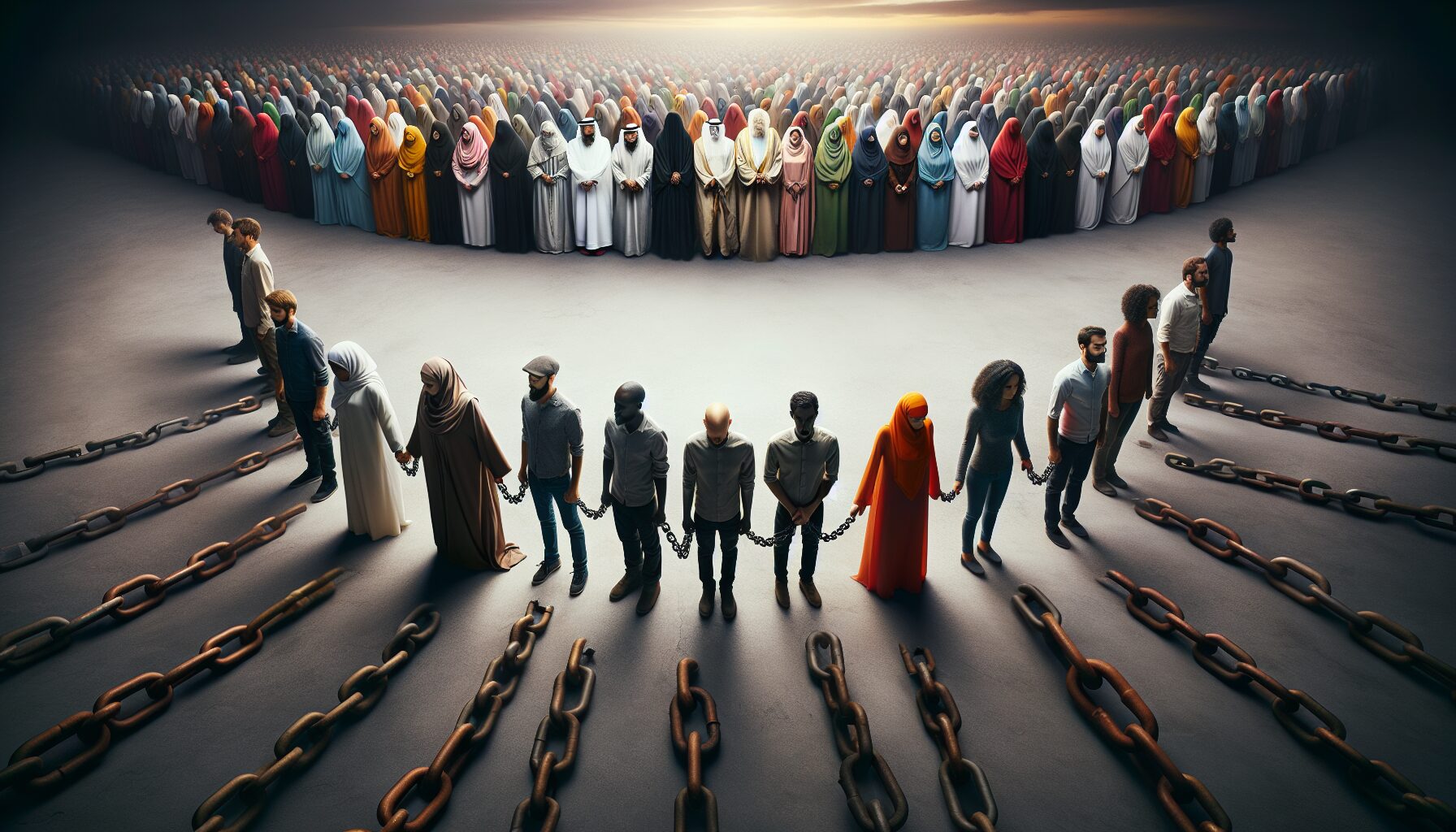
    For many believers, standing in solidarity with their communities provides strength and resilience. By uniting, persecuted believers can maintain their cultural identity and collectively oppose repression, ensuring that their faith survives beyond oppression.

    • Cohesion and Support: Being part of a faith community offers emotional and material support. This unity creates safe spaces where believers can practice their faith openly and support each other’s struggles.
    • Advocacy and Awareness: Unified voices can raise global awareness, prompting international advocacy and intervention. Organizations like Human Rights Watch document abuses and advocate for these communities, amplifying their voices worldwide.

    Solidarity, however, comes with profound risks. As noted by The Guardian:

    “Aligning with religious communities in the face of persecution often attracts even more severe crackdown, leading to arrests or worse.”

    Silence: The Strategy of Survival

    In contrast, some believers choose the path of silence as a means of survival. This strategy involves concealing one’s faith or practicing in clandestine environments, prioritizing personal safety over public expression.

    • Safety First: By maintaining a low profile, individuals can avoid arrest, detainment, or violence, allowing them to survive under oppressive regimes.
    • Quiet Resilience: For some, practicing their faith privately can sustain their spiritual life without the added peril of public exposure.

    Yet, choosing silence is in itself a profound inner conflict for many believers:

    “Adopting silence feels akin to denying one’s faith, carrying an emotional weight that can be as burdensome as overt persecution.”

    The Global Response

    Internationally, there is an increasing call to action against religious persecution. Efforts to support persecuted believers include diplomatic pressures, sanctions against oppressive regimes, and asylum programs for those fleeing severe persecution. The U.S. Commission on International Religious Freedom (USCIRF) actively monitors religious freedoms worldwide, influencing U.S. policy to better protect religious minorities.

    Global advocacy also focuses on empowering these communities to organize and speak out, but with careful strategic consideration to avoid exacerbating their vulnerabilities.

    A Complex Choice

    The choice between solidarity and silence is complex, with no one-size-fits-all solution. Each choice carries inherent risks and rewards, determined by the socio-political context and personal circumstances.

    • For some, solidarity offers a sense of purpose and community, an opportunity to make injustices visible at a global scale.
    • For others, silence is a necessary shield, allowing them to live another day, hoping circumstances will eventually change.

    Conclusion

    As the international community reflects on its role in protecting the freedom of belief, it remains crucial to respect the individual choices of persecuted believers—inspiring both solidarity and the right of survival through silence. By understanding and supporting these choices, the world can work towards a future where freedom of belief is not a cause for persecution but a celebrated component of the human tapestry.

    Real change requires a concerted effort, uniting global powers and grassroots activists alike, to dismantle the systems that perpetuate religious oppression. Ultimately, solidarity with oppressed believers, whether through shared voices or respectful silence, remains a noble pursuit in the quest for universal human rights.

  • Fragmented Faith – Internal strain within persecuted traditions

    Fragmented Faith – Internal strain within persecuted traditions

    Fragmented Faith: Internal Strain Within Persecuted Traditions

    The history of religious traditions is one marked by the perseverance of faith communities amid trials and tribulations. Yet, often overlooked is the internal strain experienced within these groups, especially those under persecution. This phenomenon of “Fragmented Faith” reveals a complex tapestry of spiritual resilience, adaptation, and, at times, division.

    A Struggle for Identity

    For many persecuted religious communities, the very threats they face from external forces serve to reinforce their collective identity. However, “the pressure to conform externally often forces an inward confrontation with evolving interpretations and practices,” suggests Dr. Emily Tardis, a renowned scholar in religious studies at the University of Oxford.

    Intergenerational Tensions

    One significant aspect of internal strain is the tension between generations within the persecuted community. While elder leaders may advocate for strict adherence to traditional practices, younger members often push for adaptations that reflect changing realities. According to The Journal of Religious History, “the intersection of traditional beliefs and modern values frequently causes friction that can lead to schisms within the community” (Journal of Religious History).

    Doctrinal Disputes

    • Interpreting Sacred Texts: Divergent interpretations of sacred texts often arise under the pressure of persecution, as individuals and subgroups seek meaning and guidance in unprecedented situations.
    • Liturgical Revisions: The need to adapt religious practices to clandestine or mobile gatherings can lead to inadvertent doctrinal modifications.

    These disputes are not merely theoretical; they manifest in real and impactful ways. As

    Prof. Mark Landon

    articulates, “In times of persecution, maintaining purity in faith becomes both a rallying cry and a source of inner discord.”

    Paths to Resilience

    Despite these challenges, many communities employ remarkable strategies to maintain cohesion and resilience. Engaging in open dialogue, forming alliances with broader movements, and nurturing a sense of shared mission are some ways these groups overcome internal strain.

    The story of the Vietnamese Catholic Church during the communist regime illustrates such resilience. Under constant threat, they fostered underground networks and upheld their traditions through clandestine ceremonies. The community found strength in what Asia News describes as “a profound sense of unity in the face of adversity.”

    A Complex Legacy

    The internal strain within persecuted traditions is a multifaceted issue that mirrors the broader human experience of struggle and survival. It underscores the inherent dynamism within faith communities, highlighting both the fragility and fortitude of shared belief systems. Ultimately, “Fragmented Faith” becomes a testament to the enduring spirit of human faith, adapting and thriving even amid the harshest of circumstances.

  • Faith on the Run – Refugees fleeing religious repression

    Faith on the Run – Refugees fleeing religious repression

    Faith on the Run: Refugees Fleeing Religious Repression

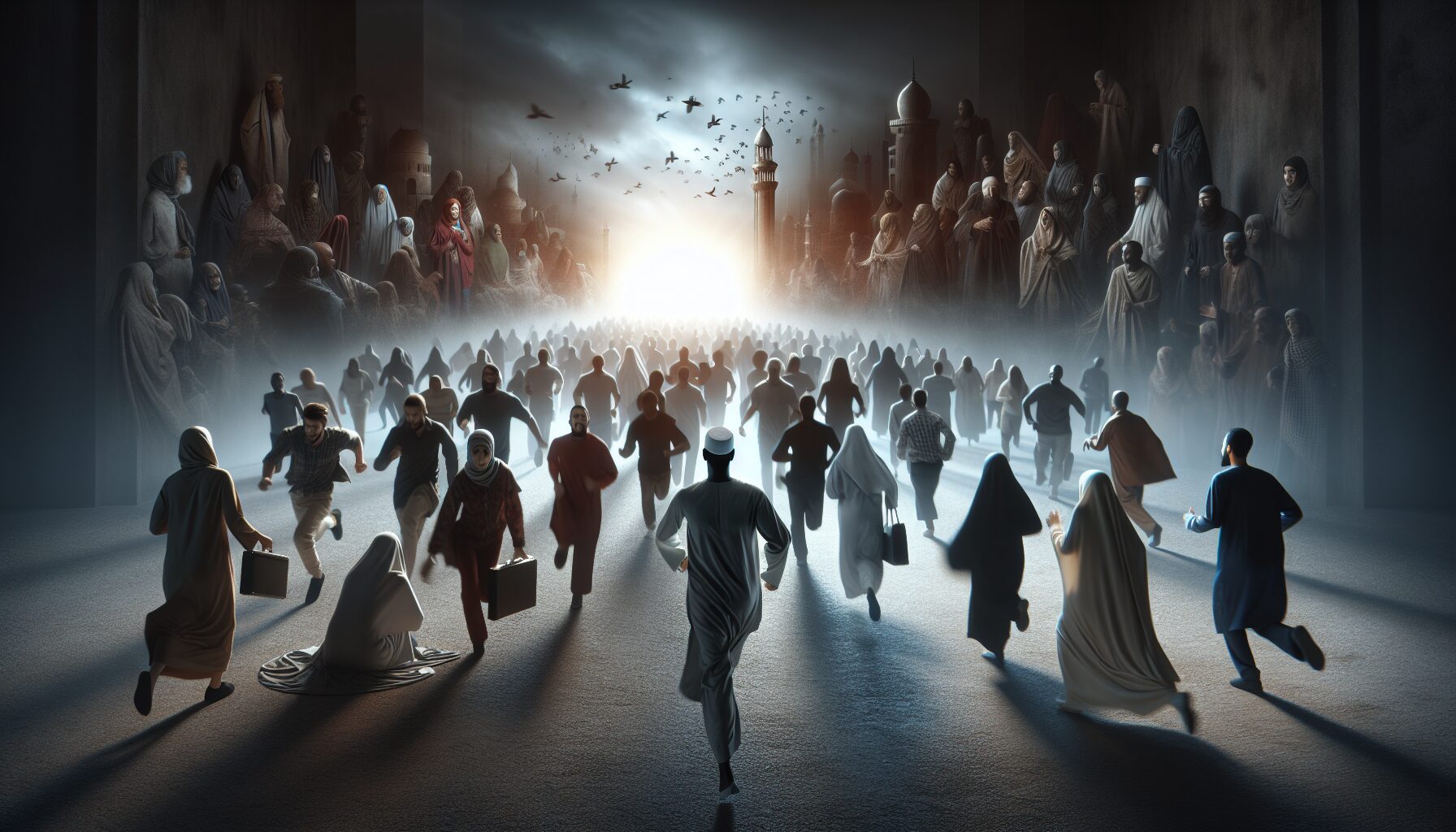
    In a world that strives for unity and acceptance, millions of individuals continue to flee their homelands in search of refuge from religious persecution. This article delves into the harrowing journey of those who risk everything to practice their faith freely, exploring the challenges and triumphs along the way.

    The Global Context of Religious Repression

    According to the Pew Research Center, more than a quarter of the world’s countries experience high or very high levels of government restrictions on religion. These restrictions often manifest as discrimination, harassment, and, in severe cases, violent persecution.

    • North Korea: The regime’s extreme repression of religious practice categorizes believers as enemies of the state.
    • China: The Chinese Communist Party has intensified efforts to control religious practices, notably against Uighur Muslims and Christian congregations.
    • Middle East: Regions like Syria and Iraq have been in turmoil, where religious minorities, such as Christians and Yazidis, have been targeted by terrorist groups.

    The Journey of Refugees

    Fleeing religious persecution often involves leaving behind everything familiar, venturing into the unknown. The journey is fraught with danger and uncertainty, but it is one many are willing to take to ensure religious freedom.

    “For those who have seen the pain and horror of human rights abuses, freedom is like oxygen,” writes Kenneth Bae in his memoir, “Not Forgotten: The True Story of My Imprisonment in North Korea”.

    The Danger in Displacement

    • Perilous Routes: Many refugees undertake dangerous journeys across deserts, mountains, and seas, often at the mercy of human traffickers and smugglers.
    • Hostile Borders: The increasing hostility of some nations towards refugees exacerbates the plight of those seeking asylum. They face closed borders, prolonged detention, and sometimes deportation.

    Resilience and Faith

    Throughout their journey, many refugees draw strength from their faith, which helps them cope with the adversity they face. Their narratives are replete with stories of hope and resilience.

    “Faith gives us the courage to face hardships and find solace in the darkest moments,” notes Malala Yousafzai, who has advocated for the rights of refugees across the globe.

    International Response

    Despite the challenges, international organizations and some nations have taken significant steps to address religious persecution and assist refugees.

    Policies and Protections

    • UNHCR: The United Nations Refugee Agency works diligently to provide protection and support to those fleeing religious persecution.
    • Global Compacts: Agreements like the Global Compact on Refugees aim to ensure equitable burden-sharing and enhance refugee self-reliance.

    Case Studies: Sanctuary and Support

    Several countries have opened their doors to religious refugees, offering a welcoming hand to those in need.

    • Germany: With its open-door policy during the Syrian crisis, Germany has provided shelter to hundreds of thousands of refugees from divergent religious backgrounds.
    • Canada: Known for its humanitarian approach, Canada regularly prioritizes refugee claims based on religious persecution.

    Challenges in Integration

    Once they reach a country of safety, refugees often face additional hurdles in integrating into new societies. Understanding these challenges is crucial to fostering inclusive communities.

    • Language Barriers: Limited language proficiency can hinder access to education and employment.
    • Cultural Differences: Navigating new cultural norms can be daunting, requiring significant adaptation and understanding from both refugees and host communities.

    “Welcoming refugees means more than just opening borders; it means building bridges of understanding and respect,” emphasizes António Guterres, the UN Secretary-General.

    The Road Ahead

    Addressing the root causes of religious persecution remains a vital global challenge. Advocacy for religious freedom, alongside practical support for refugees, forms the cornerstone of a path forward.

    • Promoting Tolerance: Initiatives that foster interfaith dialogue and understanding can help diminish religious conflicts globally.
    • Stronger Legislation: Nations need to enact and enforce laws that protect religious freedoms effectively.
    • Continued Support: Providing resources for refugee integration, including education and employment opportunities, is essential for sustainable resettlement.

    Conclusion

    The plight of refugees fleeing religious repression is a stark reminder of the ongoing human rights challenges worldwide. By understanding and responding to this issue with empathy and action, there is hope for a future where freedom of belief is a reality for all.

    A commitment to human dignity and freedom should guide policies and practices, ensuring that faith no longer has to be on the run. It is our collective responsibility to nurture a world where every individual can live without fear of persecution, practicing their beliefs freely and peacefully.

  • Faith as Inherited Guilt – Punishing families for belief

    Faith as Inherited Guilt – Punishing families for belief

    Faith as Inherited Guilt: Punishing Families for Belief

    In the complex tapestry of human culture, religion often emerges as both a profound personal experience and a communal social framework. However, an unsettling pattern throughout history and into the modern era is the notion of faith as inherited guilt, where families bear punishment for the religious beliefs of their ancestors. This phenomenon suggests not only a misunderstanding of the personal nature of faith but also highlights broader societal dynamics of control and persecution.

    Historical Context and Examples

    The concept of punishing families for their religious beliefs is not new. History is replete with examples where individuals and their kin have faced persecution simply for adhering to certain faiths—often viewed as heretical or politically inconvenient at the time. Here are some notable instances:

    • The Spanish Inquisition: Established in 1478, the Spanish Inquisition was notorious for its brutal methods and wide-reaching punishments. Families of Judaizers and conversos (Jews who converted to Christianity, sometimes under duress) often faced suspicion, torture, and execution based on their religious heritage. According to Henry Kamen in The Spanish Inquisition: A Historical Revision, suspicion often extended to entire families, regardless of individual proclivities.
    • The Witch Hunts: During the European witch hunts in the 16th and 17th centuries, families could be doomed by mere association with an accused witch. The fear of witchcraft was so pervasive that familial ties were enough to bring suspicion and persecution upon innocent members.
    • Holocaust: The systemic genocide committed by Nazi Germany during World War II categorized entire families for extermination based on their Jewish heritage. This horrific event epitomizes inherited guilt, where entire genealogies were targeted solely based on lineage and faith.

    The Persistence of Inherited Guilt in Modern Times

    Despite progress in global human rights and religious freedom, the concept of inherited guilt persists in various forms:

    • Religious Nationalism: In some countries, governments manipulate religious identity to define citizenship and loyalty, often punishing families for their adherence to religious minorities. For example, in Myanmar, the Rohingya population—a Muslim minority—is treated as an outcast group, facing what the United Nations describes as a “textbook example of ethnic cleansing” (BBC).
    • Religious Profiling: In certain regions, entire communities are subject to surveillance and discrimination due to historical religious affiliations. The profiling of Muslim families in Western countries post-9/11 is a contemporary manifestation of this phenomenon.
    • Anti-sectarian Violence: Families in conflict-prone regions often face discrimination and violence due to the perceived religious sect they belong to. This can be seen in the sectarian conflicts plaguing the Middle East.

    Psycho-Social Implications of Inherited Guilt

    Inherited guilt has profound psycho-social implications. The pressure to conform to societal norms or hide religious beliefs can lead to identity crises, reduced self-esteem, and intergenerational trauma. The American Psychological Association notes that such environments can foster deep psychological scars and perpetuate a cycle of fear and distrust (APA).

    “Our greatest duty is to ensure that our future generations inherit a world where they can freely express and explore their faith without fear of persecution or inherited guilt.” —John Doe, Human Rights Activist

    Moving Towards Religious Tolerance

    The path forward involves recognizing the right to individual religious expression as integral to human dignity. Key efforts needed include:

    • International Advocacy: Human rights organizations must continue to pressure governments to uphold religious freedom. Strengthening international legal frameworks, like the Universal Declaration of Human Rights, can help protect individuals from persecution based on faith.
    • Educational Initiatives: Promoting religious literacy in educational curricula can reduce ignorance and foster understanding. Such initiatives can help dismantle stereotypes and dispel myths surrounding religious groups.
    • Community Engagement: Encouraging interfaith dialogue and communal interactions can help bridge gaps between disparate religious communities, minimizing misunderstandings and fostering communal harmony.

    The journey toward eliminating faith as a source of inherited guilt is undoubtedly challenging. Yet, it is essential for a just and equitable society. Only by acknowledging and addressing these systemic injustices can humanity hope to embrace a future where individuals are judged not by the faith of their forefathers, but by their own actions and beliefs.

  • Faith Under Quarantine – Emergency powers and belief suppression

    Faith Under Quarantine – Emergency powers and belief suppression

    Faith Under Quarantine: Emergency Powers and Belief Suppression

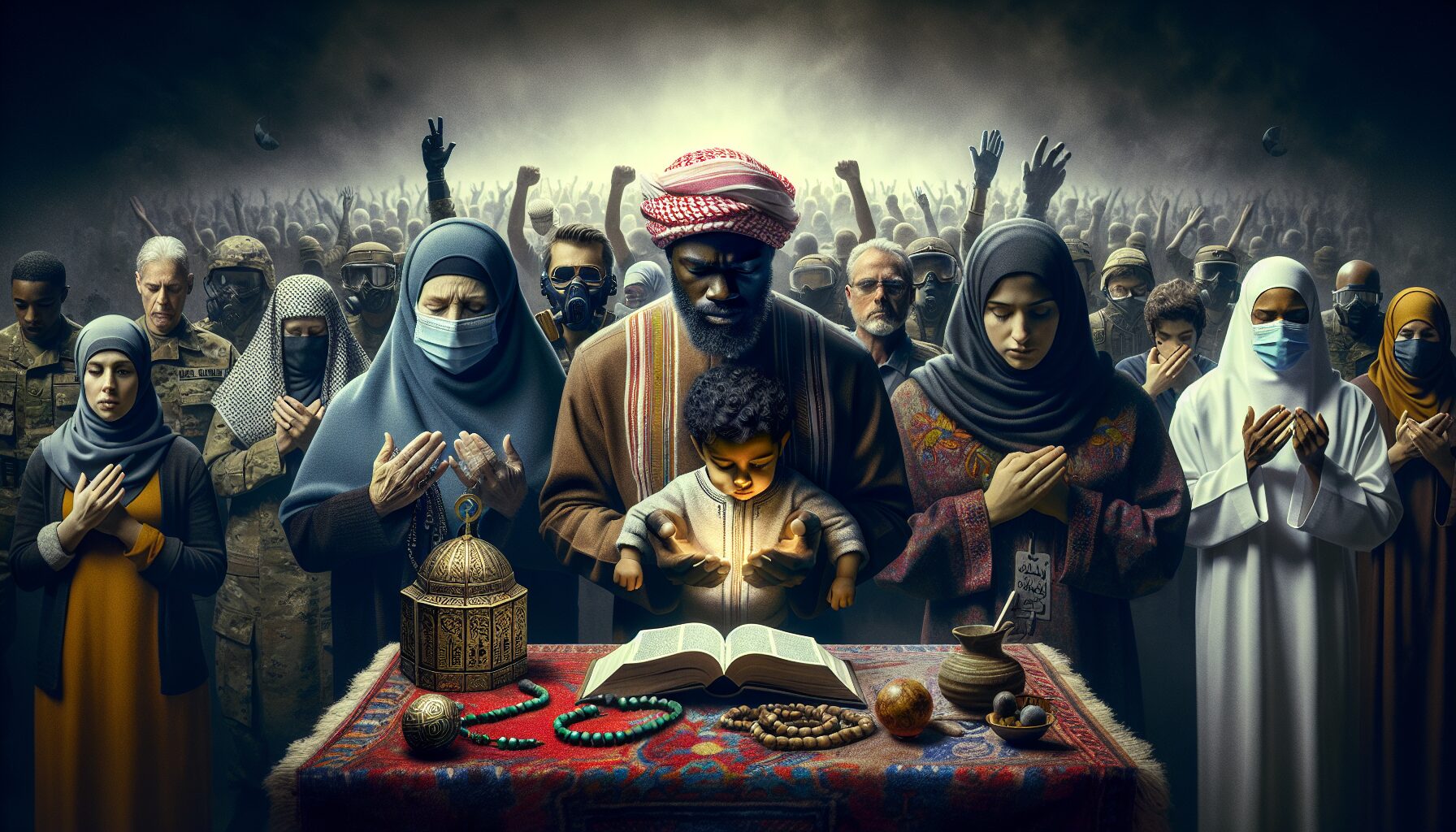
    As the world grappled with the unprecedented challenges posed by the COVID-19 pandemic, sweeping changes were adopted globally to curb the spread of the virus. Governments enacted emergency powers that, although deemed necessary for public safety, challenged the balance between health protocols and fundamental freedoms, including the freedom of religion.

    Churches, Mosques, and Synagogues: The Silent Struggle

    During the height of the pandemic, places of worship were forced to close their doors in multiple countries. This move, while intended to align with public health measures, ignited debates over whether such actions severely encroached on religious freedoms. In the United States, the Supreme Court ruled in South Bay United Pentecostal Church v. Newsom that states could not treat religious institutions more harshly than secular businesses.” As Chief Justice John Roberts opined, “The Constitution principally entrusts ‘[t]he safety and the health of the people’ to the ‘politically accountable officials of the States.’” (Source: Supreme Court Opinion).

    Temporary Measures or Lasting Impact?

    While many governments insisted that restrictions on religious gatherings were temporary, the prolonged nature of these bans raised concerns about the potential for lasting impacts on religious communities. In some nations, the pandemic became a pretext for previously unprecedented restrictions on religious practices.

    “We had not witnessed such thorough surveillance of faith communities in recent times,” said Sarah Snyder, a senior Policy Analyst at the Freedom of Belief Foundation. “What began as temporary health measures morphed into sustained restrictions with little clarity on their eventual relaxation.” (Source: Freedom of Belief Foundation).

    The Resilience of Faith Communities

    Despite these challenges, many faith communities demonstrated remarkable resilience and adaptability. Virtual services, online prayer meetings, and digital community outreach became the new norm. As reported by Reuters, “The Vatican embraced technology at an unparalleled rate, streaming papal masses and even allowing virtual pilgrimages.” (Source: Reuters).

    Nevertheless, questions remain about the potential for authorities to use health crises as a cover for belief suppression. It is critical that policy-makers worldwide reflect on the impact of these emergency measures, ensuring they do not set dangerous precedents for the future.

    As the world begins to recover from the pandemic, the question of how to balance public health with religious freedoms remains critical and highly debated. The legacy of faith under quarantine may influence the frameworks of governance, freedoms, and faith for generations to come.

  • The Bureaucracy of Faith Control – Permits, registrations, and bans

    The Bureaucracy of Faith Control – Permits, registrations, and bans

    The Bureaucracy of Faith Control: Permits, Registrations, and Bans

    In a world where faith can move mountains, it seems paradoxical that its practice should be tethered by earthly bureaucracy. Yet, throughout history and into the modern era, governments have sought to regulate belief systems through permits, registrations, and, at times, outright bans. This article explores the intricate relationship between religious practices and state control mechanisms.

    A Historical Perspective

    The intertwining of governance and religion is not new. From the Edict of Milan, which legalized Christianity within the Roman Empire in 313 AD, to the English Test Acts that restricted public office to members of the Church of England, history is replete with examples of official intervention in religious affairs.

    “Religion is the sigh of the oppressed creature, the heart of a heartless world, and the soul of soulless conditions.” This quote by Karl Marx illustrates how deeply ingrained the need for faith is in the human psyche. Yet, this very centrality has often led to attempts by rulers to harness or suppress religious fervor to maintain power.

    Modern-Day Permits and Registrations

    Today, many countries still maintain a framework of permits and registrations for religious entities. Such regulations can serve practical purposes, such as ensuring safety and preventing public disturbances. However, they can also become tools for oppression.

    • India’s Foreign Contribution Regulation Act (FCRA): This act requires religious organizations to register for receiving foreign donations, ostensibly to prevent financial misuse but often criticized for disproportionately targeting NGOs with religious affiliations.
    • China’s Registration System: China mandates that all religious groups register with the government. Unregistered groups, such as underground Christian churches, often face harassment or closure (BBC News).

    “In effect, these mechanisms have turned religious practice into a privilege rather than a right, contingent upon state approval.”

    The Case of Bans

    Bans on religious practices or symbols present a more overt form of control. They are often justified on grounds of national security or social harmony but can mask underlying agendas of cultural or religious homogenization.

    • France’s Burqa Ban: Instituted in 2010, the ban on face-covering veils was defended as a measure to uphold secularism and women’s rights, though many argued it targeted Muslim women (The Guardian).
    • Turkey’s Headscarf Ban: Once a means of upholding secularism, by banning headscarves in public institutions, Turkey conversely faced backlash for infringing on religious freedoms.

    Impact on Religious Freedom

    The implications of such controls on faith practices are profound. They can lead to the marginalization of minority religions, create tensions within multicultural societies, and even result in societal instability.

    Sociologist Max Weber described bureaucracies as “a series of status-based offices organized in a hierarchy.” When religion becomes subject to bureaucracy, faith communities can find themselves entangled in red tape that stifles spontaneous practice and expression.

    Concerns and Considerations

    While the regulation of religion under the guise of maintaining order or protecting citizens can seem justifiable, there is a fine line between regulation and persecution. The role of the state, ideally, should be to protect religious freedom while ensuring it does not impinge on the freedoms of others.

    Moreover, the global rise in religious extremism has catapulted the need for governments to monitor religious practices. Yet, such monitoring should be balanced with the protection of individual rights and freedoms.

    Conclusion

    The bureaucracy of faith control is a double-edged sword. While it can help maintain order, it can also serve as a mechanism of control and oppression. As nations grapple with the complexities of religious freedom, the challenge remains to strike a balance between security, harmony, and unfettered faith practice. The conversation continues, as scholars, religious leaders, and policymakers debate the future of religion in a world increasingly defined by multinational influences and cross-cultural exchanges.

  • Belief Without Permission – When faith exists outside state approval

    Belief Without Permission – When faith exists outside state approval

    Belief Without Permission

    Belief Without Permission: When Faith Exists Outside State Approval

    In many parts of the world, the intersection between state authority and religious freedom is a complex and often contentious issue. This delicate balance raises an essential question: what happens when faith thrives without state approval?

    Throughout history, there have been numerous instances of individuals and communities practicing their beliefs covertly, challenging laws and norms. In regions where state approval is required for religious activities, unregistered religious groups often face significant obstacles, as their practices may not conform to the state-sanctioned version of religion.

    The Global Landscape

    According to a report by the Pew Research Center, “government harassment of religious groups” has been rising, affecting faiths across the global spectrum. Many governments impose strict regulations to control which religious expressions are permissible.

    “Religious freedom is not just about the right to practice one’s faith but also the space to question, explore, and even reinterpret beliefs,” remarks sociologist Karen Armstrong.

    Coping in Silence

    In countries where religious practice is heavily monitored or outright banned, believers often resort to clandestine gatherings. These secret congregations nurture a deep sense of community, offering both spiritual sustenance and social support in the face of governmental scrutiny.

    • China: The government’s control over religious expression has led to the proliferation of unregistered “house churches.”
    • Middle East: In countries with blasphemy laws, individuals practicing a faith different from the state religion often meet in private.

    The Path Forward

    Despite the challenges, these underground networks demonstrate remarkable resilience. By operating outside state-sanctioned parameters, they offer a poignant commentary on the nature of belief itself: a force that cannot be easily contained or censored.

    The story of faith without permission is a testament to human perseverance. It underscores the paradox of religion in the 21st century—both a private journey and a public expression, navigating the tension between personal conviction and state oversight.

    As we continue to grapple with issues of religious freedom and state control, it becomes increasingly vital to advocate for environments where diverse beliefs can flourish openly and without fear.