Tag: cultural

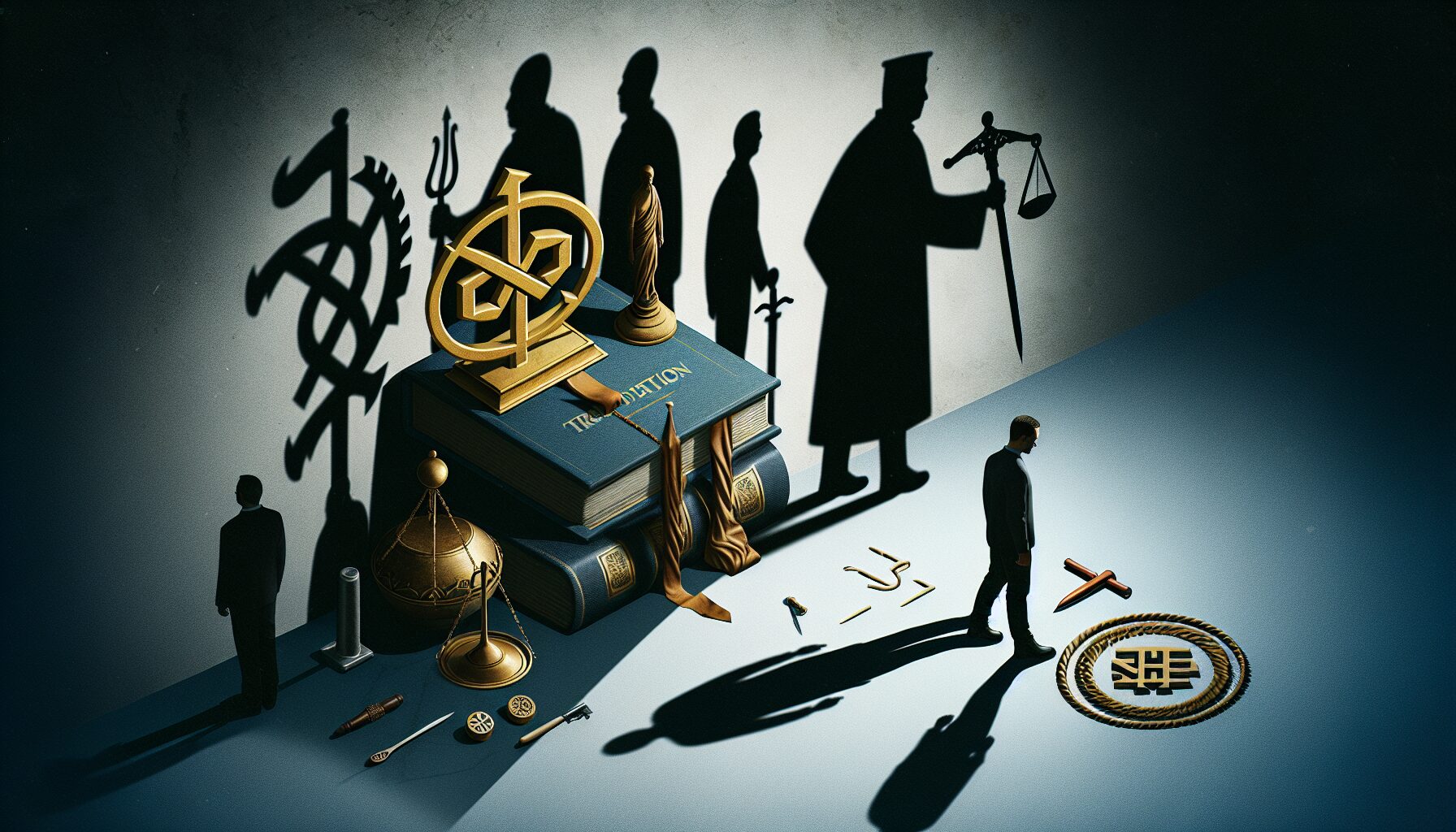
  • Tradition’s Shadow — When preservation becomes oppression

    Tradition’s Shadow — When preservation becomes oppression

    Throughout human history, traditions have served as the backbone of cultures and societies around the globe. They provide a sense of belonging and continuity, offering a link to the past while shaping the future. However, as these cultural rituals and practices transcend generations, there’s an increasing need to scrutinize when the preservation of tradition becomes a tool for oppression rather than cultural enrichment.

    The Role of Tradition in Society

    Traditions, by their very nature, are steadfast. According to anthropologist Clifford Geertz, they involve “stories we tell ourselves about ourselves.” As these stories are passed down, they imbue individuals with a sense of identity and shared purpose.

    “There is an invisible thread that binds us to the past, ensures our present, and secures our future.” – Unknown

    Traditionally, this thread has been perceived as positive, painting culture with the brush of unity and cooperation. However, the rigidity of these traditions can sometimes become a mechanism of control, used by those in power to maintain the status quo.

    When Culture Becomes Constraining

    • Gender Roles: Many traditions continue to reinforce archaic gender roles, limiting the potential and freedom of women and men alike. For instance, in some cultures, outdated beliefs about “appropriate” roles for women still prevent them from pursuing careers.
    • Religious Practices: In certain societies, religious traditions can mandate strict adherence to practices that suppress individual freedoms. Religious laws may dictate behavior, dress codes, and even legal systems.
    • Caste and Class Systems: Numerous cultures perpetuate systems that stratify society based on hereditary status. These systems can ostracize large groups of people and deny them equal opportunities.

    The Clash With Modern Values

    As global connectivity expands and progressive values spread, traditions that once seemed untouchable are under scrutiny. Young people worldwide are increasingly questioning practices that, while traditional, run contrary to modern human rights principles. As The Times of India reported, many Indian youth are challenging outdated caste norms through education and social collaboration.

    In many cases, this confrontation fosters conflict between generations. Older generations, often set in their ways, fear the loss of cultural identity and power. Conversely, younger generations may see the adherence to outdated traditions as a pathway to injustice and inequality.

    Finding a Balance

    Despite these tensions, it’s crucial to acknowledge that abandoning all traditions is neither feasible nor desirable. The key lies in adaptation and evolution.

    • Inclusion of Diverse Voices: Encouraging open dialogues and including voices from various demographics can help evolve traditions in ways that respect both heritage and contemporary values.
    • Focus on Core Values: Reassessing traditions to focus on the core values that promote unity, such as cooperation and mutual respect, can help reinforce positive aspects while shedding oppressive elements.
    • Innovation: Embracing technological and societal innovations can introduce new, inclusive traditions that resonate with modern life.

    Cultural Preservation without Oppression

    The challenge lies in preserving cultural identity without succumbing to the pitfalls of oppression. As societies become more connected, there remains a unique opportunity to redefine traditional values in ways that honor the past while embracing the future.

    In the words of Laurence W. Mitchell, “Culture is not a fixed set of values but a dynamic and fluid collection of practices.” By acknowledging this fluidity, societies can navigate the complexities of tradition and progress hand in hand.

    Ultimately, the path forward requires a delicate balance—a recognition that while preservation is important, it should never come at the cost of oppression. By giving voice to diverse perspectives and prioritizing inclusivity, the shadow of tradition can transform into a guiding light for the future.

  • Tradition as Fortress — How protection becomes separation

    Tradition as Fortress — How protection becomes separation

    Throughout history, traditions have been the bedrock upon which countless civilizations have constructed their identity and cohesiveness. They serve as a collective memory, offering a sense of permanence in an ever-changing world. However, as these customs evolve into steadfast fortresses that defend a culture’s heritage, they may also inadvertently result in isolation and alienation. This complex interplay between protection and separation merits deeper exploration.

    “A nation’s culture resides in the hearts and in the soul of its people.” — Mahatma Gandhi

    Traditions provide a sense of belonging and continuity. They connect generations, fusing past, present, and future. Such practices reinforce community bonds and offer individuals a refuge in the familiar. However, as traditions crystallize, they often become less inclusive and more exclusive, creating barriers to understanding and acceptance.

    The Role of Tradition as a Protective Fortress

    • Preservation of Identity: Traditions serve as a vehicle for cultural expression. They maintain linguistic diversity, culinary uniqueness, religious practices, and other cultural identifiers that define a community.
    • Stability and Continuity: In times of turmoil, traditions can be a source of comfort, offering a framework of stability amidst chaos.
    • Value Transmission: Through customs, values are effectively transmitted from one generation to the next, ensuring the survival of ethical and moral codes.

    While these aspects underscore the importance of traditions as protective mechanisms, they can simultaneously act as barriers that keep others out, generating an ‘us-versus-them’ mentality that is resistant to incorporating new thoughts or practices.

    When Tradition Becomes a Wall

    In various societies, deeply entrenched traditions have led to the marginalization of minority groups and newcomers. The reinforcement of a singular cultural narrative often means that diverse or dissenting voices are not only ignored but actively silenced.

    • Cultural Erosion: When a society clings too strictly to its traditions, it may resist necessary change, leading to cultural stagnation.
    • Exclusivity: Traditions can create insular communities, where entry is barred to those who do not conform to established norms.
    • Hampering Progress: Some traditions, despite their historical significance, may hinder social progress and integration by perpetuating outdated norms and practices.

    This duality of protection and separation is evident in numerous instances around the world, where the urge to preserve cultural heritage leads to conflicts of identity and belonging within a multicultural world. For example, traditional roles and expectations in certain societies have created gender disparities and social stratification that seem at odds with modern human rights standards.

    A Path Forward: Balancing Tradition with Inclusivity

    Given the intricate tapestry of benefits and drawbacks that traditions present, how can societies negotiate a balance? Here are some strategies for opening the gates of these traditional fortresses:

    • Adaptive Renewal: By encouraging a culture of adaptive renewal, traditions can evolve, allowing new elements to merge with the old, reflecting the continuous journey of cultural identity.
    • Dialogue and Education: Open dialogue and education about other cultures’ customs can reduce prejudices and foster inclusivity.
    • Embracing Fluidity: Recognizing that identity is fluid, not fixed, can help societies embrace multiple cultural inputs without feeling threatened.

    As famed writer Haruki Murakami once noted, “When you come out of the storm, you won’t be the same person who walked in. That’s what the storm is all about.” Murakami’s words remind us that change is a part of cultural evolution, and embracing this change does not necessarily mean losing one’s cultural grounding but, rather, enriching it. Explore more quotes.

    Conclusion

    While traditions have the potential to act as protective fortresses safeguarding our cultural legacies, they should never become impenetrable walls that prevent growth and harmony. The challenge lies in reimagining traditions for the modern world, where the preservation of cultural identity goes hand in hand with inclusivity and progress. Only then can traditions continue to enrich and fortify societies in a manner that brings people together rather than keeping them apart.

  • The Interpreter’s Dilemma — Owning the pain one’s words create

    The Interpreter’s Dilemma — Owning the pain one’s words create

    In an ever-connected world teeming with diverse languages and cultures, interpreters serve as the glue binding disparate communities together. Yet, for these linguistic mediators, translating words transcends mere communication; it involves navigating the minefield of emotions and cultural nuances embedded in every utterance. This is where the interpreter’s dilemma unfolds—a quandary that examines the responsibility an interpreter holds over the pain their words might create.

    The Interpreter’s Role in Bridging Worlds

    Interpreters are not just translators; they are cultural liaisons. When performing their duties, they must gauge not only the accuracy of the language they are translating but also interpret and communicate the emotional tone and cultural context of those words. In doing so, they attempt to remain neutral, a difficult feat in situations charged with tension and high stakes.

    As Virginia Valian discusses in her work on bilingualism, “Interpreters face a dual responsibility: to accurately convey the speaker’s message while simultaneously managing the emotions it might evoke.” The inherent challenge lies in balancing fidelity to the speaker’s intent with sensitivity to the listener’s potential reaction.

    The Consequence of Words

    Each word an interpreter chooses can hold the power to heal or to harm. In contexts such as legal or medical interpretations, the stakes are particularly high. A misplaced word or phrase can lead to dire consequences, affecting the outcomes of court cases or the understanding of medical diagnoses.

    “To interpret is to filter reality through language,” says Neil Munro, a renowned linguist. “Understanding the impact of that filtered reality on real lives is a monumental responsibility.”

    For example, in legal settings, interpreters might wrestle with how specific terms or phrases might be perceived across cultural lines. The linguistic precision required in justice matters can significantly affect courtroom outcomes and the fairness of judicial processes.

    Managing Emotional and Ethical Weight

    Interpreters often find themselves under emotional and ethical strain. As they relay sensitive information, they might witness the distress or comfort their words awaken, carrying the emotional weight of their delivery beyond their linguistic obligations.

    Emotional management becomes crucial. Interpreters need to adopt a certain level of stoicism, all the while acknowledging their human reaction to the situations they witness.

    How do interpreters cope? Training and professional development often include strategies for dealing with these challenges. Role-play scenarios, stress-management workshops, and peer-support networks are frequent in interpreter programs, helping professionals prepare for real-world complexities.

    Case Studies Highlighting the Dilemma

    • Medical Interpretations: An interpreter was tasked with delivering a cancer diagnosis to a non-English speaking patient. The tremor in her voice was unclear whether it was because of the complexity of medical terminology or her empathy for the patient’s situation. The situation required more than protocol; it required compassion intertwined with professionalism.
    • Asylum Interviews: In asylum interviews, interpreters frequently handle stories of trauma and persecution. An interpreter must convey the gravity of these narratives, capturing an applicant’s desperation without editing their emotional truth.
    • Courtroom Testimonies: A misinterpreted phrase in a courtroom can mean the difference between guilt and innocence. Interpreters must often navigate doubly challenging technical language while considering the immediate implications for litigants.

    Taking Ownership and Moving Forward

    Owning the pain their words might create requires interpreters to possess more than linguistic proficiency; it demands ethical introspection and emotional resilience. Continuous discussion and awareness-raising on the issue—as through seminars and literature—are vital in equipping interpreters to handle such complexities with grace and responsibility.

    The global landscape continually evolves, and interpreters sit at the juncture of cultural exchange. The necessity of maintaining integrity while understanding the profound impact their words wield stands as a critical, ongoing challenge. As author and scholar bell hooks once noted, “Language is also a place of struggle.” These linguistic custodians face that struggle head-on, seeking to bridge the gap across human experience without diminishing each word’s inherent dignity.

    Ultimately, interpreters must embrace their vital role, fostering communication in its truest form—endeavoring to translate, not only words, but the heart of human connection.