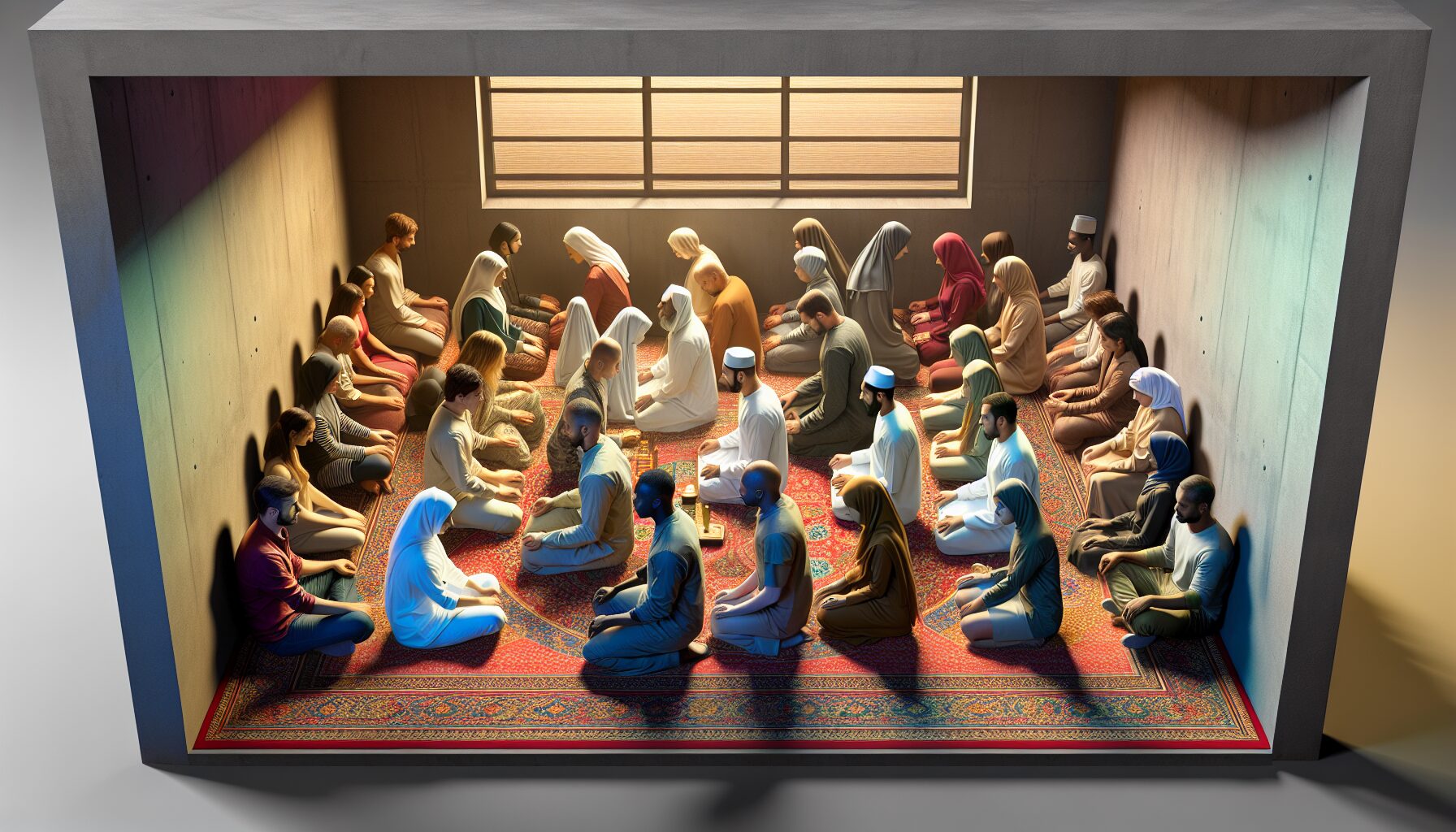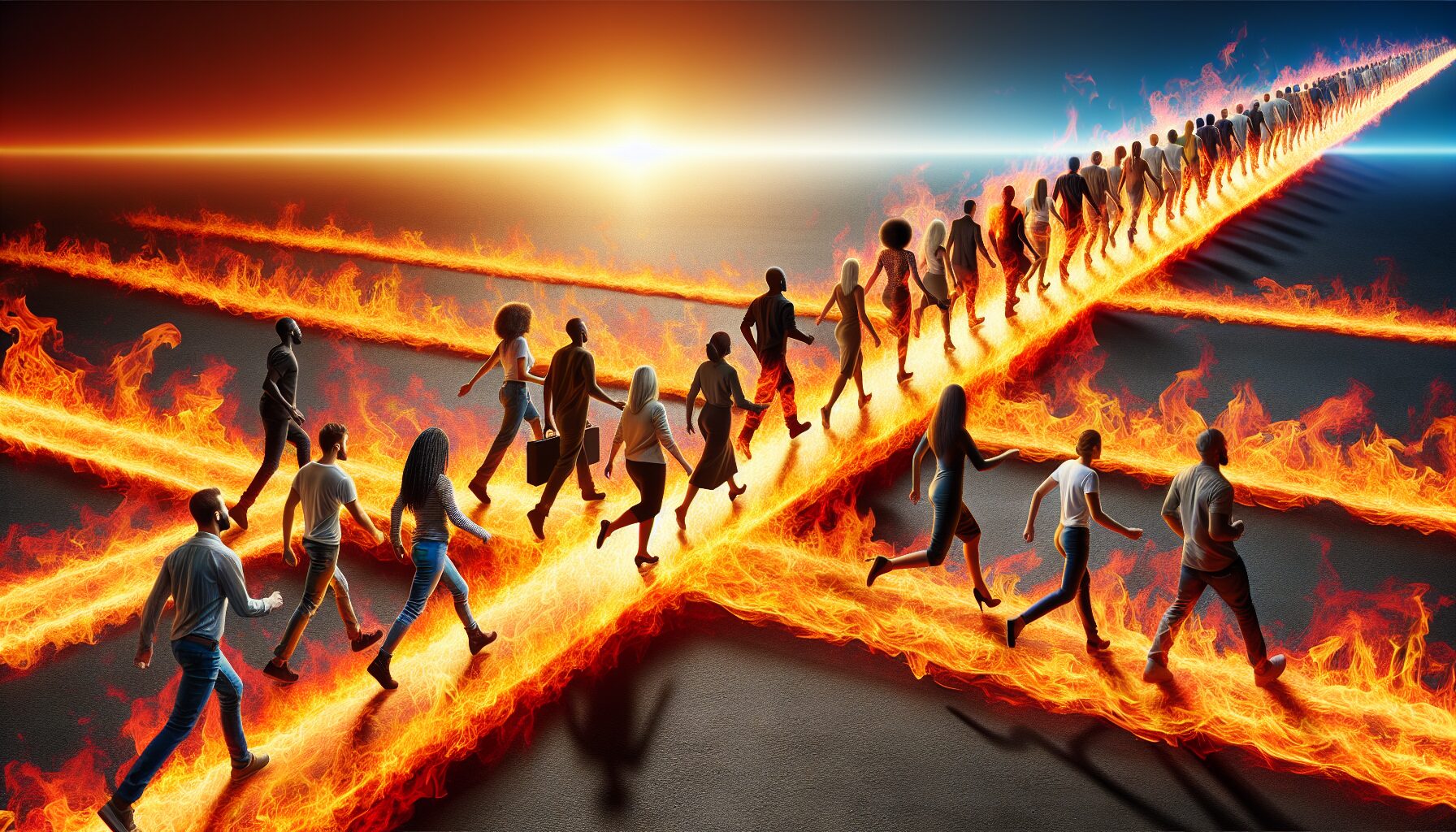
Tag: cultural

  • Modernity’s Intolerance – Why progress narratives erase spiritual heritage

    Modernity’s Intolerance – Why progress narratives erase spiritual heritage

    Modernity’s Intolerance: Why Progress Narratives Erase Spiritual Heritage

    In our fast-paced, technologically driven world, the narrative of progress often dominates our understanding of societal development. This prevailing narrative equates progress with scientific advancement and technological innovation. However, as we march forward, this perspective has inadvertently sidelined and, at times, actively erased spiritual heritage. This article explores how modernity’s intolerance is reshaping cultural landscapes and eroding the spiritual foundations that have been integral to human societies.

    The Progress Narrative: A Double-Edged Sword

    The narrative of progress that underpins modern society is often equated with notions of economic growth, technological advancements, and scientific rationality. This narrative assumes that human history is a lineal journey from primitivism towards enlightenment, marked by technological triumphs and scientific breakthroughs. Such a perspective, while fostering innovation and improving living standards, often diminishes the value of spiritual and cultural traditions.

    • Economic and Technological Focus: The emphasis on economic performance and technological prowess often creates an environment where spiritual values are viewed as obstacles to growth. As societies prioritize GDP growth and technological superiority, traditional practices and beliefs are sidelined or deemed archaic.
    • Scientific Rationalism: The rise of scientific rationalism in the modern era has positioned empirical analysis and objective reasoning as the ultimate paths to truth and knowledge. While this has led to phenomenal advancements, it has often delegitimized forms of knowledge rooted in spirituality.

    The Cultural Erosion of Spiritual Heritage

    As the world becomes increasingly connected through globalization and digitization, cultural homogenization poses a significant threat to spiritual diversity. The global spread of Western modernity often carries with it the unintentional consequence of eroding indigenous cultures and spiritual practices.

    • Globalization and Cultural Homogenization: Global markets and media have a pervasive influence on cultural expressions, often prioritizing Western cultural products over indigenous traditions. This leads to a homogenization of cultural norms, overshadowing diverse spiritual practices.
    • Urbanization and Displacement: The migration from rural areas to urban centers in search of economic opportunities often results in the loss of connection to ancestral lands and traditional spiritual practices tied to them.

    Paul Kingsnorth’s Perspective on Progress and Spirituality

    “Our myth is ‘Progress’,” says author Paul Kingsnorth, “and its inevitability is rarely questioned… but in reality, progress has always been a double-edged sword.” (The Guardian)

    Kingsnorth critiques progress narratives by arguing that they often dismiss the complex, interconnected relationship between humans and their spiritual environments. These progress narratives can impose a singular way of life that negates the essential spiritual experiences that have been nurtured by communities for centuries.

    Preserving Spiritual Heritage in a Modern Age

    Preserving spiritual heritage amid advancing modernity necessitates a balanced approach that respects the role of technological progress without compromising spiritual identities. Strategies include:

    • Integrating Spirituality with Modern Practices: Encouraging practices that merge traditional spiritual rituals with modern lifestyles, thus creating a symbiotic relationship rather than a confrontational one.
    • Promoting Cross-Cultural Education: Education systems that include teachings of diverse spiritual traditions can foster understanding and appreciation of cultural heritage.
    • Supporting Indigenous Movements: Promoting and supporting initiatives by indigenous communities that aim to protect and revive their spiritual and cultural practices.

    The Role of Modern Spiritual Movements

    Modern spiritual movements play a crucial role in bridging the gap between ancient wisdom and contemporary life. Practices such as mindfulness, yoga, and holistic medicine, which draw from ancient spiritual traditions, are seeing a resurgence in popularity in Western societies. These practices suggest a growing awareness of the benefits of integrating spiritual elements into modern living, emphasizing balance between technological advancements and spiritual well-being.

    Conclusion: Embracing Diverse Narratives

    While progress and technological advancements undoubtedly offer numerous benefits, it is crucial to acknowledge and preserve the spiritual heritages that enrich human existence. This requires a conscious effort to create narratives that value both scientific achievements and the wisdom of spiritual traditions. By cultivating a societal framework that embraces diverse perspectives, humanity can steer towards a future that honors its past.

    As society stands at a crossroads, there exists an opportunity to redefine modernity—one that recognizes that true progress includes the spiritual well-being of individuals and communities. In this reconceptualized modernity, spiritual heritage is not merely an artifact of the past but a vibrant and essential part of our collective future.

  • Tradition Versus the State – When ancient values defy modern regimes

    Tradition Versus the State – When ancient values defy modern regimes

    Throughout history, one of the most enduring conflicts has been the tension between age-old traditions and the regulations imposed by modern state governance. This dichotomy sheds light on deep-rooted cultural identities and the struggle for such identities to be recognized in a rapidly globalizing world.

    The Resilience of Tradition

    Traditions form the bedrock of cultural identity. They encompass rituals, beliefs, and customs passed down through generations, often holding profound spiritual and social significance. In many societies, these ancient practices serve as a guide for life, providing continuity amidst change.

    • Example 1: The Hopi Tribe – In the United States, the Hopi tribe holds onto their kachina ceremonies, despite pressures from external entities that sometimes threaten their sacred practices. Kachinas are spirit beings revered in Hopi religion, and their rituals are believed to sustain the universe’s equilibrium.
    • Example 2: India’s Tribal Communities – Many tribal communities in India continue to practice age-old worshipping customs despite governmental pressure to conform to mainstream Hindu traditions or secular laws.

    Modern Regimes and Their Influence

    State mechanisms tend to standardize practices, often in favor of a unified national identity. In doing so, they sometimes clash with traditional customs, viewing them as obstacles to modernization and development. This can be seen in instances where governments attempt to impose educational, economic, or religious uniformity.

    “Many governments see indigenous groups with ancestral practices as living relics that need to adapt to modern policies, often disregarding the cultural diversity that makes them unique” — Human Rights Watch

    Finding a Balance

    While the state provides the structure necessary for society to function harmoniously, overlooking traditional values can lead to cultural erosion. To achieve a balance, some governments and communities have been exploring ways to integrate traditional practices within modern legislative frameworks.

    • In New Zealand, for example, Māori protocols have been incorporated into national ceremonies and governance, acknowledging the importance of indigenous heritage.
    • Similarly, several nations have enacted laws that protect linguistic diversity, recognizing native languages as official.

    In conclusion, the interplay between ancient values and modern regimes is a delicate dance. As countries continue to evolve, respecting and adapting traditional practices within modern contexts remains a critical challenge. The unity between the ancient and the contemporary may indeed hold the key to sustainable development and cultural harmony.

    For more insights on the subject, explore Cultural Survival Quarterly.

  • Rituals in Hiding – Preserving tradition under constant risk

    Rituals in Hiding – Preserving tradition under constant risk

    Introduction

    Throughout history, rituals have played a crucial role in forming communal identities and upholding cultural beliefs. However, not all rituals are openly practiced; some undergo a process of concealment to ensure their survival amid repression, political upheaval, or cultural assimilation. This article delves into the importance of these hidden rituals and the resilient human spirit that preserves them despite constant risk.

    The Role of Rituals in Society

    Rituals serve various purposes in human society, from religious observances to the solemn recognition of life’s milestones. According to the philosopher Emile Durkheim, rituals are essential for the cohesion and moral basis of society, providing individuals with a sense of belonging and shared purpose (Stanford Encyclopedia of Philosophy).

    • Religious Significance: Rituals are often inherent in religious beliefs, offering a tangible connection to the divine.
    • Cultural Identity: They represent the values, traditions, and history of a community.
    • Social Structure: Rituals can reinforce hierarchies and social roles, providing a sense of order.

    The Threats to Rituals

    Despite their importance, rituals can come under threat from various forces, endangering their continuity:

    Cultural assimilation can lead to the erosion of traditional practices as communities adapt or are coerced into adopting the dominant culture’s customs.” – James Clifford, cultural anthropologist

    Political Repression

    Political regimes often see minority or counter-establishment rituals as a threat to their authority. For instance, the suppression of religious ceremonies in Soviet Russia drove many practices underground, reflecting a conscious effort to maintain religious identity away from the watchful eyes of the state.

    Globalization and Homogenization

    The monolithic spread of global culture often leaves traditional practices vulnerable. The young may abandon ancestral ways in favor of global trends, leading to a gradual fading of tradition.

    Hidden Rituals: A Form of Resistance

    In response to these threats, many communities have resorted to hiding their rituals, transforming them into acts of cultural defiance and resilience.

    The Crypto-Jews of Spain and Portugal

    During the Spanish and Portuguese Inquisitions, many Sephardic Jews publicly converted to Christianity while secretly maintaining their Jewish rituals. These “Crypto-Jews” clandestinely practiced ceremonies such as lighting candles on Fridays for the Sabbath, thus preserving their identity despite severe penalties.

    Indigenous Practices in Latin America

    The colonization of Latin America brought oppressive efforts to eradicate indigenous rituals. However, many native traditions were disguised as Christian practices, allowing them to survive beneath a façade of accepted religious observance. For example, the syncretic blending of Catholicism and indigenous beliefs in Mexico led to the celebration of the Día de los Muertos, which harmoniously incorporates elements from both traditions.

    The Importance of Preserving Hidden Rituals

    The preservation of hidden rituals is not merely about maintaining customs but is a matter of safeguarding cultural heritage and identity.

    Cultural Diversity

    Rituals contribute to the vibrant tapestry of human culture. Their preservation allows for cultural diversity to thrive, fostering understanding and respect among different communities.

    Empowerment and Resilience

    Engaging in hidden rituals can empower marginalized communities, instilling a sense of pride and resilience. It enables a connection to ancestral traditions and reinforces a strong cultural identity in the face of adversity.

    The revitalization of rituals sustains a culture’s heart, breathing life into traditions that define and distinguish a community.” – Clifford Geertz, anthropologist

    Conclusion

    In a world marred by constant change and pressure, the act of preserving hidden rituals emerges as a profound form of cultural resilience. Whether prompted by political repression or cultural assimilation, the perseverance to maintain these traditions eloquently speaks to the enduring human spirit and its quest for identity. As these rituals quietly unfold away from prying eyes, they not only safeguard the past but also enrich the future through vibrant cultural diversity.

    From the echoes of the past to the whispers of today, hidden rituals remain a powerful testament to humanity’s unwavering dedication to preserving its rich tapestry of beliefs and practices.

    Thus, in hiding, these rituals continue to thrive against all odds, perpetually fueling the fires of cultural endurance.

  • When Healing Is Illegal – Banning spiritual and traditional practices

    When Healing Is Illegal – Banning spiritual and traditional practices

    When Healing Is Illegal: Banning Spiritual and Traditional Practices

    The spiritual and traditional healing practices have been a cornerstone of human culture for centuries. However, in recent years, these practices have come under scrutiny, with several countries imposing bans or restrictions. This article explores these bans’ implications, the cultural heritage they threaten, and the debate over regulation and legitimacy.

    The Significance of Spiritual and Traditional Healing

    • Cultural Heritage: Spiritual and traditional healing methods are deeply entwined with cultural identities. They connect people to their ancestors’ wisdom and practices, offering a sense of continuity and identity.
    • Holistic Health: Unlike conventional medicine, which often focuses on treating symptoms, traditional practices usually take a holistic approach, addressing the mind, body, and spirit as interconnected.
    • Accessibility: Especially in rural and underserved areas, these practices can be more accessible than mainstream medical services due to geographical or economic constraints.

    The Legal Landscape

    Despite their significance, many jurisdictions have placed restrictions on spiritual and traditional healing practices. The reasons for these legal challenges are varied:

    • Safety Concerns: Governments often cite safety concerns—both physical and psychological—as reasons for imposing bans. Some traditional practices may not align with modern understandings of health and risk, leading to potential harm.
    • Regulatory Challenges: Regulatory frameworks in many countries are not equipped to handle the nuances of these practices, leading to blanket bans rather than nuanced regulations.
    • Economic Interests: There is a significant economic impact of traditional healing practices competing with the pharmaceutical and medical industries.

    Case Studies from Around the World

    To understand the global impact of banning spiritual and traditional practices, let’s examine some examples:

    South Africa’s Witchcraft Suppression Act

    The Witchcraft Suppression Act was enacted in 1957 in South Africa, leading to the criminalization of specific traditional practices associated with witchcraft. Critics argue that the act fails to distinguish between harmful practices and legitimate traditional healing, thus endangering a rich cultural tradition.

    Australia’s Therapeutic Goods Administration

    The Australian Therapeutic Goods Administration (TGA) regulates the inclusion of herbal medicines under strict guidelines. While this ensures safety and efficacy, it also presents barriers that may exclude traditional Aboriginal healing practices from being recognized.

    The Debate: Regulation vs. Banning

    As societies grapple with how to handle spiritual and traditional healing practices, the debate often centers on whether regulation or outright banning is more appropriate. Both sides present compelling arguments:

    Arguments for Regulation

    • Preservation of Cultural Heritage: Regulation can ensure these practices continue, passing cultural knowledge to future generations while ensuring safety.
    • Integration with Modern Medicine: In a regulated environment, traditional practices can complement conventional medicine, offering treatments that are both effective and culturally respectful.

    Arguments for Banning

    • Risk of Harm: Practices that involve the use of unverified remedies or rites that could cause physical or psychological harm warrant cautious handling.
    • Fraud Prevention: Banning these practices can be seen as a means of protecting individuals from fraudulent claims of healing that exploit the vulnerable.

    Quotes from Experts

    “In many traditional societies, healing was a communal affair involving spiritual dimensions… rather than drawing a line between science and tradition, it is perhaps the spirit of inquiry that should guide medicine in the future.” — Dr. Linda Tuhiwai Smith, Professor of Indigenous Education

    “The question is not whether traditional healing should be modernized or abandoned, but how it can be integrated responsibly into the broader healthcare system.” — Walid Abdulrahim, Cultural Anthropologist

    Navigating a Path Forward

    The path forward involves finding a balance that respects cultural heritage while ensuring public safety. Collaborative efforts between traditional healers, medical professionals, and policymakers could pave the way for an inclusive approach that celebrates diversity in healing practices.

    • Inclusive Dialogues: Involving traditional healers in discussions about health regulations can lead to more culturally sensitive outcomes.
    • Research and Documentation: More research into the efficacy of traditional therapies can help integrate successful practices into mainstream healthcare.

    Conclusion

    When healing is illegal, it becomes imperative to question not only the decision itself but also the societal values and priorities it reflects. The challenge lies in striking a balance between preserving valuable cultural traditions and protecting public health. As the world becomes increasingly globalized, embracing diverse healing paradigms might lead to richer, more holistic health outcomes for all.

  • Erasing the Sacred – Cultural cleansing through religious policy

    Erasing the Sacred: Cultural Cleansing Through Religious Policy

    The term “cultural cleansing” refers to the systemic removal or suppression of cultural heritage and identity, often enacted through overt or covert religious policies. This process has been observed throughout history as a means of exerting control over communities and eroding their cultural identity.

    A Historical Perspective

    Cultural cleansing is not a phenomenon confined to modern times. Ancient empires frequently employed religious policy as a tool for domination. The Roman Empire, for instance, systematically assimilated local deities and religious customs into their pantheon, a process known as interpretatio Romana. As noted by scholar Richard Hingley, “the Romans appropriated the gods of conquered peoples, transforming them to suit Roman traditions” (Hingley, 2010).

    Similarly, during the Spanish conquest of the Americas, indigenous belief systems were aggressively targeted. The forced conversion of Indigenous Americans to Christianity was not merely religious zeal but a calculated strategy to dismantle existing cultural structures. Churches were often built atop desecrated sacred sites, symbolizing the physical and spiritual dominance of the new regime.

    Modern Manifestations

    Today, cultural cleansing is manifest in several forms, often under the guise of religious and socio-political reforms. The persecution of the Uighurs in Xinjiang, China, involves the destruction of mosques and the banning of traditional practices, a clear depiction of religious policy being wielded to suppress cultural expression.

    “The Chinese government’s destruction of Uighur identity is a strategy to erase their culture under the pretense of eliminating extremism,” stated Nicholas Bequelin, a regional director for Amnesty International (Amnesty International).

    The Consequences

    The impact of cultural cleansing policies is profound and destructive. It leads to the loss of intangible cultural heritage, undermines the social fabric, and breeds resentment and conflict. These actions do not merely suppress diversity but threaten the survival of entire cultures and their wisdom, values, and history.

    Resilience and Revival

    Despite the pervasive nature of cultural cleansing, communities around the world continue to demonstrate remarkable resilience. Efforts to revive and protect cultural practices are evident, from the Maori revitalization of language in New Zealand to the global support for preserving Tibetan cultural heritage.

    The international community’s role in recognizing and mitigating cultural cleansing is crucial. By supporting cultural preservation initiatives and holding perpetrators accountable, there is hope for reversing the tides of cultural erasure.

    In conclusion, cultural cleansing through religious policy remains a potent tool of oppression, yet the resilience of affected communities offers a beacon of hope. Protecting cultural diversity is essential for fostering global coexistence and mutual respect.

  • Faith as Resistance – Spiritual groups that refuse to disappear

    Faith as Resistance – Spiritual groups that refuse to disappear

    Faith as Resistance: Spiritual Groups That Refuse to Disappear

    In a world increasingly driven by technology and rapid societal changes, some spiritual groups continue to assert their presence and relevance amidst the noise. These spiritual communities often embody a form of quiet resistance, standing firm in their beliefs and practices despite external pressures. This article explores how various spiritual groups are persisting and thriving in modern times.

    A Historical Perspective

    Throughout history, spirituality has been both a source of solace and a catalyst for resistance. Religious and spiritual groups have long played pivotal roles in movements for social change. The Civil Rights Movement, for instance, was heavily influenced by the teachings of Christian doctrine, with leaders like Martin Luther King Jr. emphasizing the importance of faith in the struggle for equality.

    “Faith is taking the first step even when you don’t see the whole staircase.”

    — Martin Luther King Jr.

    From the Quakers, who were instrumental in the abolition of slavery, to the Sufis, whose mystical teachings often served as a counterbalance to rigid doctrinal interpretations, spirituality has frequently been intertwined with progressive societal shifts.

    Modern Spiritual Movements

    In contemporary times, several spiritual groups are resisting cultural assimilation and asserting their identity through intentional practice. Below are a few notable examples:

    • The Amish: Known for their simple living, refusal of modern technology, and community-centric life, the Amish population in the United States has been growing. According to a Pew Research study, the Amish community has nearly doubled in size in the past two decades. By living according to their Anabaptist faith, they resist the fast-paced change of modern society.
    • Tibetan Buddhists: Despite facing significant challenges, particularly from political forces in their homeland, Tibetan Buddhists keep their traditions alive through global communities. The preservation of their spiritual practices is a form of cultural resistance and identity affirmation.
    • The Rastafarians: Emerging in the 1930s in Jamaica, Rastafarianism combines Christian elements, Pan-African ideology, and a strong cultural identity. As stated in the work of Leonard Barrett, author of “The Rastafarians”, the movement persists as a testament to cultural resilience.

    Institutional and Grassroots Support

    Many spiritual groups survive and even thrive due to both institutional support and grassroots efforts. Initiatives such as interfaith dialogue platforms and cultural heritage sites serve as resources for spiritual communities to learn, grow, and maintain their traditions.

    • Interfaith Coalitions: Projects such as The Parliament of the World’s Religions promote understanding and cooperation among diverse faiths. The Parliament serves as a critical organization in fostering peace and improving the visibility of smaller religious groups.
    • Cultural Heritage Sites: UNESCO’s efforts to protect traditional religious sites reinforce the cultural significance of these spaces. As an example, the listing of Buddhist temples in Nepal ensures both preservation and worldwide recognition.

    Digital Adaptation and Global Reach

    Many religious and spiritual groups have embraced digital platforms to expand their reach and impact. Churches offering online services, meditation apps promoting mindfulness, and social media engagement provide fertile grounds for these communities to grow. According to a Pew Research Center survey, a significant number of people access religious teachings online, showing a blend of traditional faiths with modern technology.

    “While religion always changes, we are living through a massive expansion of religious creativity,”

    — Stephan Pickard, Australian theologian.

    This digital shift allows spiritual groups to reach new audiences, inviting participation from those who might not have engaged in a traditional setting.

    Challenges and Opportunities

    Despite their resilience, spiritual communities face significant challenges, including secularization, political pressures, and demographic shifts. However, these challenges also present opportunities for growth and reinterpretation of beliefs.

    • Secularization: As secular values become more prominent, religious groups are pushed to articulate their relevance in a modern context. This can lead to engaging dialogues and critical reflections within these communities about their roles and teachings.
    • Political Pressures: Religious groups often face scrutiny and opposition from governmental authorities. However, these challenges can unite communities in a common cause, reinforcing their spiritual and cultural identities.

    The Future of Spiritual Resistance

    Looking ahead, the resilience of these spiritual groups will likely depend on their ability to balance tradition with modernity, fostering connections both within and outside their borders. Organizations like The Guardian predict that religious innovations might lead the way to more harmonious coexistence.

    Ultimately, the persistence of spiritual communities illustrates how deeply human beings value their cultural and spiritual heritages. Through careful adaptation and unwavering resistance, these groups continue to light the path for future generations.

    By continuing to stand firm in their beliefs, these spiritual communities play an integral role in maintaining cultural diversity and fostering a deeper understanding across global societies. Their message of faith as a form of resistance is as relevant now as ever.

  • Tradition Under Siege – Ancient faiths facing modern power

    Tradition Under Siege – Ancient faiths facing modern power

    Tradition Under Siege: Ancient Faiths Facing Modern Power

    In a rapidly evolving world, ancient faiths find themselves in an ongoing struggle to preserve their traditions against the tides of modernization and globalization. These religious practices, some of which have existed for thousands of years, are increasingly challenged by societal changes, technological advancements, and political pressures.

    The Clash of Old and New

    As globalization continues its relentless march, traditional beliefs often come into conflict with new ideas and practices. The Economist notes, “Traditional societies face pressure to adapt to new cultural norms and technologies, impacting both their spiritual and daily lives” (The Economist).

    • Technology’s Double-Edged Sword: While modern technology offers platforms for wider communication and the spread of traditional cultures, it also brings westernized cultural values that can dilute or replace indigenous beliefs.
    • Political Pressures: Governments may impose regulations that conflict with religious practices. Countries like China and India face criticism for policies seen as infringing on religious freedoms.

      “Faith communities struggle to maintain their customs in the face of political frameworks that often prioritize national unity over individual freedoms,” stated a report from Human Rights Watch.

    Preservation Efforts

    To combat these challenges, numerous initiatives worldwide aim to preserve and honor these ancient traditions:

    • Cultural Education: Some communities have initiated educational programs to teach younger generations their history and traditions. For instance, Maori schools in New Zealand incorporate traditional crafts and language into their curricula.
    • Digital Archives: Projects like the Endangered Languages Project work to document and archive obscure languages that are at risk of extinction due to declining native speaker numbers.

    Global Support and Recognition

    International organizations are also stepping up to support the survival of these cultural heritages. UNESCO, for instance, has designated numerous traditional practices as part of the “Intangible Cultural Heritage of Humanity.” Such recognition helps raise awareness and appreciation for these practices globally.

    The intersection of ancient faiths and modern power presents both challenges and opportunities. While the clash of cultures threatens the continuity of traditional practices, increased global attention and efforts at preservation signify hope for the endurance of these ancient legacies. As the world becomes more interconnected, the preservation of these sacred traditions becomes not just about maintaining cultures but also about fostering global diversity and understanding.

  • The Burning Line – What Happens When You Cross Group Boundaries

    The Burning Line – What Happens When You Cross Group Boundaries

    In the complex tapestry of human interaction, group boundaries serve as invisible lines that define societal norms, professional alliances, cultural affiliations, and personal tribes. Crossing these boundaries can lead to profound changes, both positive and negative. But what truly happens when one steps across the burning line?

    The Nature of Group Boundaries

    Group boundaries are essential for the formation of identity and community. They offer a sense of belonging, security, and understanding among members. These boundaries can be rooted in a wide array of factors, including ethnicity, religion, occupation, political ideology, or shared experiences.

    “Boundaries are to protect life, not to limit pleasures.” — Edwin Louis Cole

    Edwin Louis Cole’s words highlight an essential truth: the boundaries create an environment where individuals can thrive within a group by offering protection. However, they also set limits and, sometimes, these necessary reports can become restrictions.

    The Outcomes of Crossing Boundaries

    When an individual crosses a group boundary, the outcomes can vary widely depending on the context and the groups involved. Below are some of the common experiences and outcomes associated with crossing these boundaries:

    • Cultural Enrichment: Venturing into a new group can offer a wealth of new knowledge, perspectives, and experiences. Cultural exchange initiatives between communities often illustrate this, showing how music, art, language, and customs can enrich lives.
    • Identity Challenges: Crossing into a new group may challenge one’s identity. The exposure to different belief systems or practices can lead to internal conflicts and a reevaluation of one’s values and lifestyle. This can be a necessary part of personal growth but is often uncomfortable.
    • Exclusion and Isolation: There can be social costs to stepping outside one’s native group. Ostracization can happen when a member abandons group norms, as established groups may view the act as betrayal or disloyalty.
    • Conflict and Tension: Often, longstanding biases and historical grievances can lead to tension and conflict when boundaries are crossed. Misunderstandings can easily arise due to differing communication styles or cultural practices.

    Historical Perspectives

    History provides numerous examples of boundary crossing. One prominent example is that of immigrants who often face the challenge of integrating into new societies. Their stories tell of the pursuit of opportunity and liberation but also of the struggle against xenophobia and isolationism.

    “We all have an obligation as citizens of this earth to leave the world a healthier, cleaner, and better environment for our children and future generations.” — Blythe Danner

    This quote can be adapted to boundary crossing, suggesting that as global citizens, expanding our understanding and bridging cultural divides is essential for building a harmonious future for the next generations.

    The Digital Frontier

    The advent of the digital age has dramatically transformed how boundaries are perceived and crossed. Online platforms blur the lines, allowing individuals to explore diverse groups freely.

    • Virtual Communities: Social media and online forums offer a platform where individuals can engage with communities worldwide, learn new perspectives, and collaborate across traditional boundaries.
    • Challenges of Anonymity: While the digital world offers the opportunity for identity exploration, it also presents challenges such as misinformation, trolling, and echo chambers that reinforce existing biases rather than foster understanding.

    Navigating Boundary Crossing

    It’s crucial to approach boundary crossing with sensitivity and understanding to maximize its positive potential. Here are some strategies to consider:

    • Empathy and Open-Mindedness: Approaching new groups with a willingness to listen and understand divergent viewpoints fosters respect and learning.
    • Education and Awareness: Understanding a group’s history, challenges, and core values before engaging can ease the transition and prevent misunderstandings.
    • Effective Communication: Building dialogue across boundaries is essential for mutual respect and learning. Engaging in thoughtful conversations and constructive debates can bridge divides.

    Conclusion

    Crossing group boundaries, metaphorically stepping over the burning line, can open a world rich with possibilities and growth opportunities. While it can challenge one’s identity and result in conflict, the potential for cultural enrichment and personal development is immense. By approaching these boundaries with empathy and curiosity, individuals can forge new connections that transcend traditional divisions and build an inclusive future.

  • The Closed Circle – Why Some Groups Fear the Outside

    The Closed Circle – Why Some Groups Fear the Outside

    The Closed Circle: Why Some Groups Fear the Outside

    In a rapidly globalizing world, where information and ideas transcend borders at the speed of light, the persistence of closed groups can appear puzzling. Yet, for many of these communities, insularity serves as a protective mechanism against a variety of perceived threats to their cultural heritage, economic survival, and collective identity.

    Preservation of Cultural Identity

    One of the primary reasons groups may choose to remain closed off from the broader world is the desire to preserve their cultural identity. As Dr. Sarah Thompson, a cultural anthropologist at the University of Cambridge, notes, “For many communities, especially those with a rich and distinctive cultural heritage, openness can lead to a dilution of tradition.” The fear of losing language, religious practices, and traditional customs to the influences of modernity can compel communities to build proverbial walls around themselves.

    Examples of such communities include the Amish in the United States or certain indigenous tribes worldwide, who strictly regulate their interactions with outsiders. These groups have often meticulously developed guidelines that dictate the extent to which they will engage with external entities.

    Economic Survival

    Economic factors also play a significant role in why some groups opt for insulation. For groups with limited resources, opening up to external competition can pose a risk to their very livelihoods. An enclosed system can often sustain a small community more effectively than one exposed to the volatility of global markets. As highlighted in an article from The Economist, small-scale economies often thrive in isolation where the balance of supply and demand remains relatively stable.

    Collective Security

    Security concerns, whether physical, social, or psychological, also contribute to the fear of the outside for many groups. Outsiders can be perceived as threats that bring potential violence, criminal activity, or social unrest. This sentiment is expressed by historical precedent, where invasions and colonization have left indelible marks on the collective memories of societies.

    “Closed societies often emerge from the scars of historical traumas, seeking solace in what’s familiar while warding off what’s unknown,” says Jonathan Arliss, a historian specializing in post-colonial studies.

    The View from Inside

    While from an outsider’s perspective, such insularity can seem like fear or paranoia, it often stems from a rational evaluation of potential threats. The decision to remain closed is frequently a strategic one—born from centuries of evolving experiences and challenges. Understanding the dynamics of these decisions requires a sensitive and respectful examination of each community’s unique history and values.

    In the end, open dialogue, mutual respect, and measured engagement may pave the way for bridging divides, allowing closed communities to experience the benefits of outside interaction without sacrificing their core values.

  • Minor Wrongs as Cultural Code — When cruelty hides in custom

    Minor Wrongs as Cultural Code — When cruelty hides in custom

    Cultural practices often encompass a range of behaviors, some of which may subtly perpetuate harm, even as they masquerade as tradition or social norms. These “minor wrongs,” though seemingly innocuous, can carry undercurrents of cruelty that reflect deeper societal issues.

    Understanding Minor Wrongs

    Anthropologically, minor wrongs refer to actions or behaviors that, while not overtly damaging, perpetuate negative stereotypes or reinforce inequitable power dynamics within a culture. These actions are often ingrained in the fabric of society to the point where they go unnoticed or unquestioned. According to cultural theorist Edward Said, “Understanding the way cultures create and distribute knowledge is critical to understanding underlying power dynamics.” (Britannica).

    Cruelty veiled as Tradition

    • Social Rituals: Some social customs, such as hazing rituals in fraternities or sororities, which are seen as rite of passage, often include mental and sometimes physical degradation. These acts, though trivialized as playful or character-building, can leave long-lasting scars.
    • Everyday Language: Certain colloquialisms or jokes can perpetuate stereotypes and perpetuate cycles of prejudice. Humor, when at the expense of marginalized groups, becomes a tool of subtle cruelty.
    • Gender Norms: In some cultures, minor actions such as “mansplaining” or dismissing domestic contributions as less significant reinforce gender inequalities, sustaining a balance of power that favors one group over another.

    Challenging the Status Quo

    Breaking away from harmful cultural codes requires awareness and deliberate action. Sociologist Pierre Bourdieu suggests that “Social space is an active and dynamic force. It requires us to think critically about how power is distributed and maintained.” This implies that recognizing subtle wrongs is the first step toward change.

    Communities and individuals can challenge these norms by:

    • Educating: Providing forums for discussion where individuals can learn about the origins and impacts of certain practices helps foster understanding and empathy.
    • Reevaluating customs: Encouraging ongoing evaluation of traditions to ensure they are inclusive and respectful to all members of the society.
    • Advocacy: Advocates can utilize platforms to campaign against practices that subtly promote cruelty, shining a spotlight on areas needing reform.

    Ultimately, the task of uncovering and dismantling cultural codes that harbor diluted forms of cruelty falls to each member of society. As communities grow more aware and vigilant, the hope is for tradition and custom to evolve alongside an increasing recognition of human dignity and equality.