Category: Case Files

  • When Prayer Is Punished – Criminalizing inner life

    When Prayer Is Punished – Criminalizing inner life

    When Prayer Is Punished: Criminalizing Inner Life

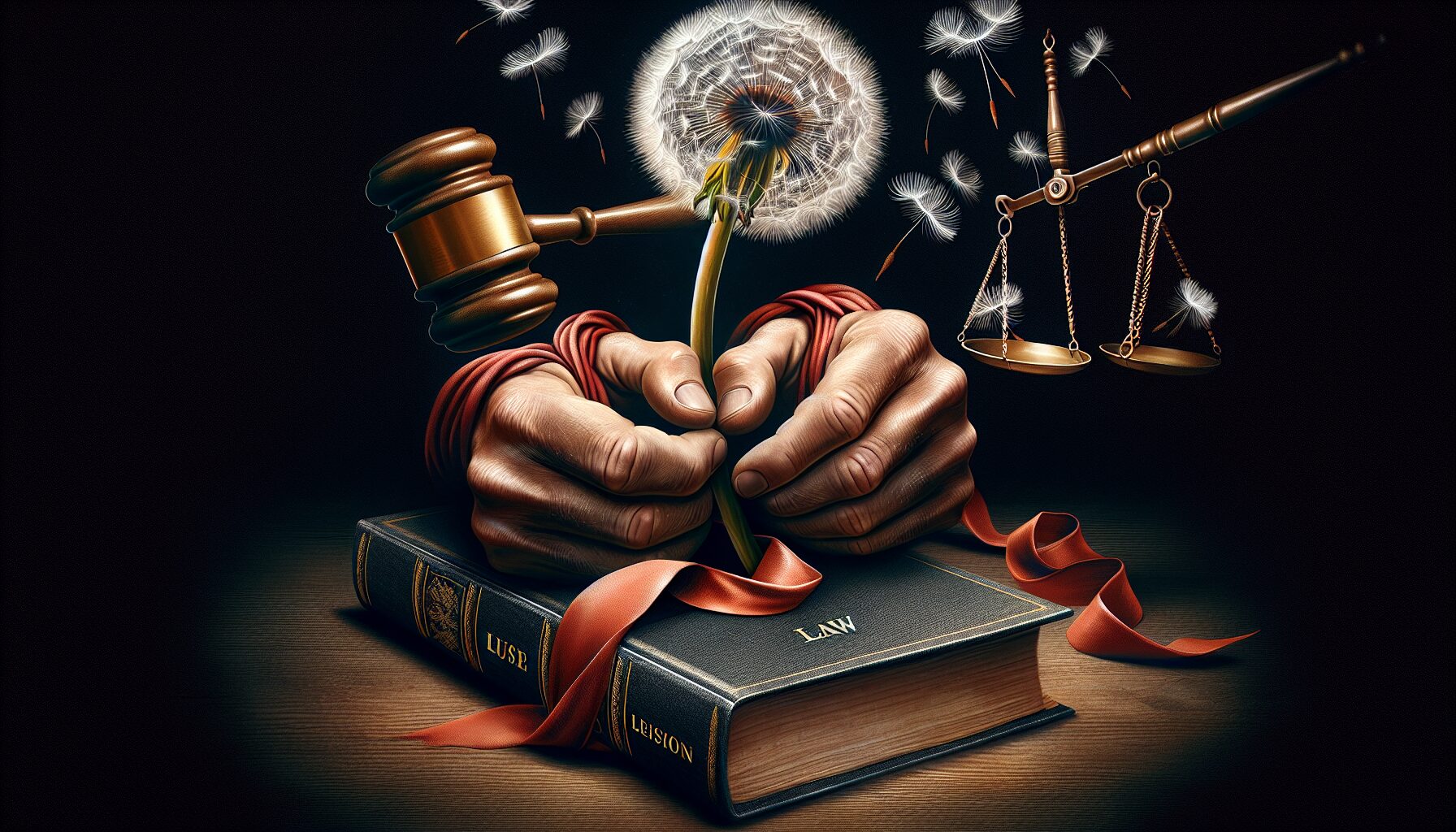
    In the contemporary world, the intersection of spirituality and the law poses complex challenges, particularly when personal expressions of faith come into conflict with legal systems. This delicate balancing act has surfaced as a critical issue, raising profound questions about religious freedom, privacy, and how society defines acceptable expressions of faith.

    The Intrinsic Nature of Prayer

    Prayer, at its core, is a deeply personal activity, an intimate dialogue often seen as a fundamental aspect of many people’s inner lives. It serves as a source of comfort, guidance, and connection with the divine. Despite its personal nature, there are instances where prayer and public expressions of belief become embroiled in legal controversies, leading to debate and, in some cases, legal repercussions.

    “Prayer is not asking. It is a longing of the soul. It is daily admission of one’s weakness. It is better in prayer to have a heart without words than words without a heart

  • Faith Under Interrogation – Breaking the spirit through confinement

    Faith Under Interrogation – Breaking the spirit through confinement

    Faith Under Interrogation: Breaking the Spirit Through Confinement

    Throughout history, confinement has been employed not only as a means of physical imprisonment but as a tool for breaking the indomitable human spirit. The intersection of faith and confinement provides a compelling narrative, revealing the resilience and vulnerability of belief systems when subjected to the pressures of isolation and interrogation.

    “The prisoner who has faith in the future, in his own liberation, will not degrade himself or his beliefs to secure a temporary relief.” — Viktor Frankl, Man’s Search for Meaning

    Confinement as a Test of Faith

    For many, confinement serves as an unsparing test of faith. In religious and secular contexts alike, individuals find their beliefs scrutinized under the harsh light of imprisonment. Historical accounts abound with stories of individuals whose faith was challenged by their captors, who sought to dismantle their spiritual convictions as part of a systematic effort to assert control.

    • Religious Persecution: Many religious figures have faced incarceration aimed at suppressing their influence. Men like Nelson Mandela and religious figures like the Dalai Lama have had their beliefs challenged, with the goal of eroding the foundations of their spiritual and political movements.
    • Mental Duress: The isolation of confinement can lead to existential crises, where previously unshakeable beliefs may begin to waver under the strain of loneliness and despair.

    Psychological Impact of Isolation

    The psychological impact of prolonged isolation on the human psyche cannot be overstated. Depersonalization, depression, and anxiety often accompany solitary confinement, creating fertile ground for doubt to flourish. As the philosopher Friedrich Nietzsche once stated, “He who has a why to live can bear almost any how.” This axiom underscores the power of purpose grounded in belief—the very thing interrogation seeks to undermine.

    Resilience Through Faith

    In spite of the challenges, many individuals emerge from confinement with their faith intact or even strengthened. This resilience is often attributed to the profound sense of purpose and hope that faith can provide. As Viktor Frankl observed during his imprisonment in Nazi concentration camps, the act of finding meaning, even in suffering, allows individuals to transcend their circumstances.

    Ultimately, while confinement aims to break the spirit, faith often proves more tenacious than anticipated. It persists as a beacon of hope, guiding the faithful through even the darkest prisons. This dynamic underscores the enduring human capacity to find strength and solace within, despite efforts to subdue it.

  • Belief on Trial – Courtrooms as tools of persecution

    Belief on Trial – Courtrooms as tools of persecution

    Belief on Trial – Courtrooms as Tools of Persecution

    Belief on Trial: Courtrooms as Tools of Persecution

    Throughout history, courtrooms have been regarded as arenas for justice and truth. However, they have also been employed as instruments of persecution, particularly when beliefs conflict with political or social norms. This misuse raises critical questions about the inherent fairness and impartiality of judicial systems worldwide.

    The Historical Context

    From the infamous trials of Socrates in ancient Greece to the witchhunts in Salem, courtrooms have frequently functioned not as bastions of justice but as platforms for quelling dissent and enforcing societal conformity.

    “During the Salem witch trials of 1692, the court was not just a place of law but a theatre where mass hysteria and paranoia were played out.”—Smithsonian Magazine

    Modern-Day Incarnations

    In more recent times, authoritarian regimes have often leveraged legal systems to stifle opposition. In cases where laws are vague or judicial processes lack transparency, there exists a fertile ground for persecution. For instance:

    • Russia: Critics of the Kremlin, such as political dissidents and activists, have faced prosecution under dubious charges, a practice that watchdog organizations like Human Rights Watch frequently criticize.
    • China: The use of law to suppress religious groups, most notably the Falun Gong practitioners and Uyghur Muslims, has drawn widespread international condemnation.

    International Responses and Challenges

    An essential question remains: how can the international community address and rectify these misuses of justice? International bodies like the United Nations and Amnesty International play critical roles in monitoring and criticizing abuses, yet their power is often limited by issues of sovereignty and political will.

    In many ways, courtrooms reflect the society in which they operate. Where justice and truth prevail, they serve noble purposes. Where power and fear dominate, they become tools of persecution. Ultimately, the battle for just courtrooms is part of the broader struggle for human rights and equality worldwide.

    Conclusion

    While courtrooms are designed as impartial adjudicators of truth, their exploitation for persecution exemplifies a dark facet of human governance. It remains crucial for global societies to vigilantly guard the principles of justice, ensuring that these pillars stand firm against the tides of tyranny and oppression.

  • The Body as Evidence – Torture and coercion of spiritual detainees

    The Body as Evidence: Torture and Coercion of Spiritual Detainees

    The human body, in its vulnerable and expressive form, often becomes a canvas onto which the darkest ink of conflict and coercion is inscribed. When examining the history and persistence of torture and coercion, particularly of spiritual detainees, the body becomes the ultimate evidence—an undeniable ledger of attempted domination and control. Throughout history, many regimes have sought to subdue and manipulate individuals by targeting their physical presence, hoping to break the spirit by breaching the corporal boundaries.

    The Historical Context of Torture

    Torture has tragically been a part of human civilizations for millennia, used as a tool for achieving compliance, extracting information, and signaling power. The use of physical coercion can be traced back to ancient regimes and has evolved into a systematic procedure employed by various states:

    • Medieval Inquisition: One of history’s most notorious examples, the Inquisition, sought to root out heresy through judicial and ecclesiastical procedures that frequently involved torture. “There is no sin or crime which justified torture, except heresy,” noted the Dominican friar Bernard Gui, known for his role during the inquisitorial processes.
    • Colonial Exploitation: Colonized societies often faced brutal coercion, with the oppressors viewing indigenous beliefs and spiritual practices as inferior or threatening.
    • Modern Regimes: In the 20th century, numerous political regimes, such as those under Stalin or Pinochet, systematically used torture to silence dissent and control populations.

    Spiritual Detainees: Targets of a Different Kind

    Not all coercion aims to silence political dissent. Spiritual detainees often face persecution for their beliefs, seen as competing allegiances to the state or social order. This spiritual dimension adds a layer of complexity to the question of torture:

    • Religious Minorities: Many are subjected to physical coercion not only to suppress religious practice but also to force conversion or renunciation.
    • Conscientious Objectors: Individuals who refrain from participating in certain state-imposed actions due to religious beliefs are often penalized heavily, their bodies bearing testament to state retribution.
    • New Religious Movements: Often labeled as cults, these groups face disproportionate state intervention, with individuals coerced to abandon their spiritual paths.

    “Torture is an instrument to terrorize not only the body but the soul of a person,” said Amnesty International in their reports, highlighting the dual assault carried out on detainees.

    Methods of Coercion: The Physical and the Psychological

    The methods employed in the coercion of spiritual detainees are varied, often blending physical torture with psychological tactics designed to degrade and destabilize internal belief systems:

    • Physical Assault: Beatings, electric shocks, and other methods are used to instill fear and obedience.
    • Deprivation and Isolation: Tactics such as sleep deprivation and solitary confinement aim to break down mental resilience.
    • Threats and Humiliation: Destroying sacred objects or blaspheming symbols of faith increases psychological distress.
    • Forced Denunciation: Making detainees publicly renounce their faith serves as a powerful tool of public control.

    Legal and Ethical Implications

    The use of torture and coercion in violating spiritual freedom raises fundamental questions about legal and ethical standards:

    • Human Rights Laws: The United Nations Convention Against Torture explicitly prohibits torture, yet compliance and enforcement remain inconsistent across nations.
    • Ethical Dilemmas: Balancing state security and religious freedoms requires constant ethical vigilance; “A state that uses torture as policy cannot be trusted with the sham of national security as justification,” according to the Human Rights Watch.

    Survivors and Testimonies: The Body Tells All

    Survivors of torture often recount their experiences in narratives that not only convey physical pain but also the indelible emotional and spiritual scars left upon them:

    • Memoirs and Accounts: Personal testimonies, such as those by former detainees like Ngawang Sangdrol—imprisoned for leading peaceful demonstrations in Tibet—serve as powerful testimonies against torture.
    • Artistic Expression: Many survivors turn to art, using their bodies as artistic canvases to share their stories and to educate others about the impact of torture.

    “What the body remembers, the mind may forget,” a survivor poignantly remarked in a narrative published by The New York Times, underlining the lasting imprints of trauma.

    Conclusion: Ending the Cycle of Torture

    Efforts to end the use of torture must address both the legal frameworks that enable it and the societal attitudes that tolerate it. By spotlighting the narratives of the victims and the undeniable evidence of their bodies, the global community can work toward ensuring that faith and freedom coexist without coercion.

    The hope remains that through continued advocacy, education, and reform, the physical and spiritual autonomy of all individuals will be respected and preserved, allowing the human body to serve as evidence of resilience and hope rather than suffering and subjugation. As Article 5 of the Universal Declaration of Human Rights asserts, “No one shall be subjected to torture or to cruel, inhuman or degrading treatment or punishment.”

  • Cells of Silence – Faith behind prison walls

    Cells of Silence – Faith behind prison walls

    Cells of Silence: Faith Behind Prison Walls

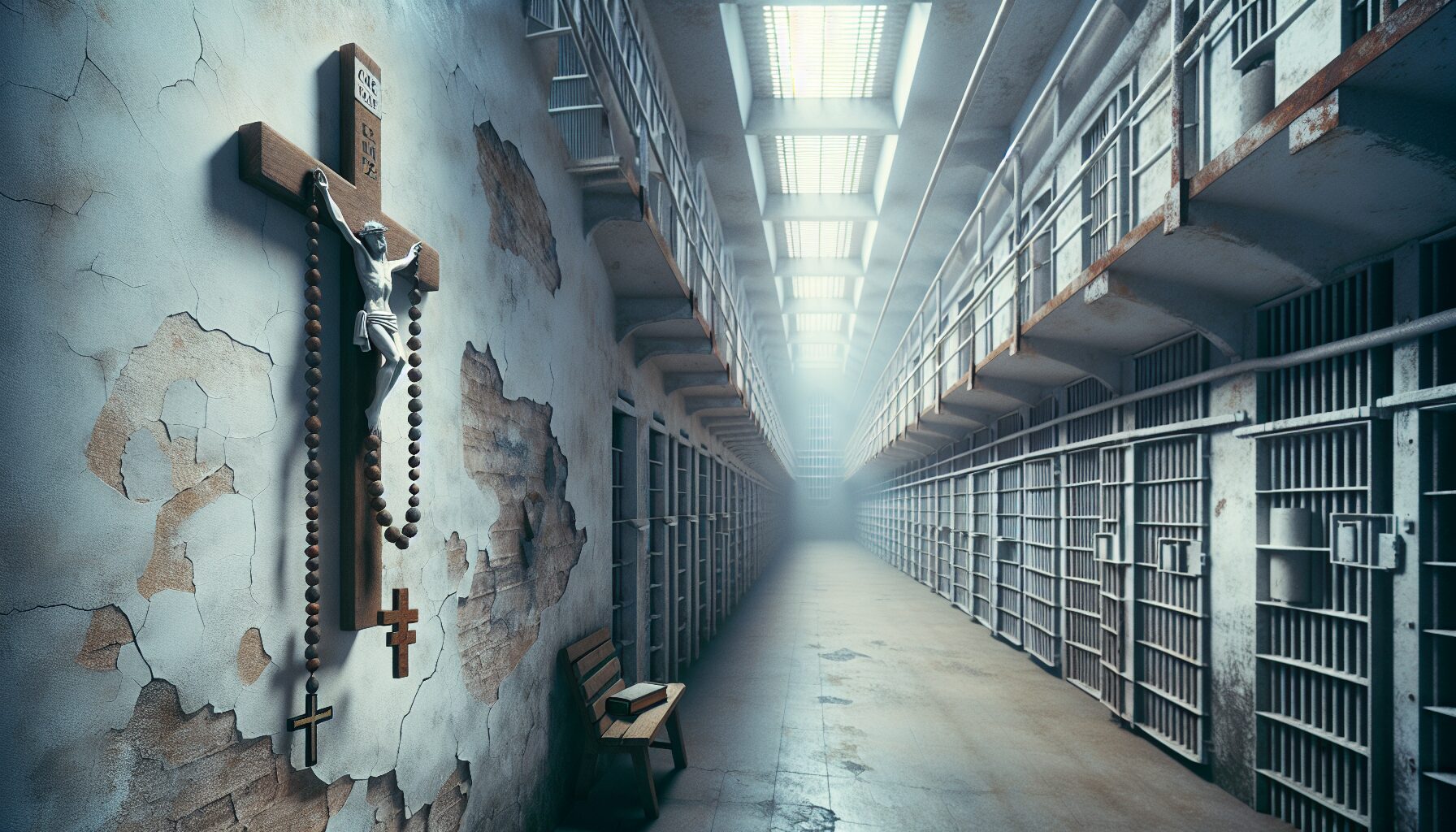
    In the heart of correctional facilities across the globe, where the clamor of bars clanging shut echoes through silent corridors, an unexpected force is quietly at work: faith. For many inmates, finding solace and purpose in spirituality proves transformative amidst confinement’s harsh realities.

    Faith as a Lifeline in Isolation

    Prison life, characterized by its restrictions and regimented routines, often leaves individuals yearning for a sense of hope and belonging. Religious practices within these institutions provide that spiritual anchor. As John Swinton, a professor of Practical Theology, aptly puts it, “Faith presents a pathway to rehabilitation and personal development. It offers prisoners a new narrative for their lives.”

    Inmates have access to chaplains, religious services, and spiritual texts, enabling them to explore or deepen their faith. A BBC feature on prison chaplaincy highlights how these spiritual guides act as mediators, carrying messages of hope and redemption where they are needed most.

    Multifaith Practices and Inclusion

    Prisons today recognize a variety of religious affiliations, from Christianity to Islam, Judaism, Buddhism, and Hinduism, ensuring that spiritual support is not a privilege of a few, but a right for many. This inclusive approach is exemplified in Louisiana’s Angola Prison, famously transformed by faith, where multiple faith-based programs coexist.

    • Christian Ministries: Weekly Bible studies and Sunday services offer an array of teachings and fellowship opportunities.
    • Islamic Services: Friday prayers and study sessions allow Muslim inmates to practice their faith in community.
    • Jewish Celebrations: The prison environment accommodates high holiday services and provides kosher meals.
    • Buddhist and Hindu Practices: Meditation sessions and spiritual discussions promote peace and introspection among the incarcerated.

    These multifaith engagements foster environments where tolerance and understanding can flourish, breaking the chain of intolerance and misunderstanding.

    Redemption and Rehabilitation Through Faith

    Redemption is a powerful motivator within the walls of a prison. Faith often acts as a catalyst for personal change, redirecting anger and resentment into positive outlets. The impact of faith-based rehabilitation programs is increasingly supported by studies indicating lower recidivism rates among participating inmates.

    “There was a time in prison when all I had was time to think, repent, and reflect. My faith taught me forgiveness,”

    a reformed inmate shared in an interview with The Guardian on the transformative power of spiritual education.

    Challenges and Criticisms

    Despite the benefits, faith-based interventions in prisons are not without critique. Skeptics argue that the intertwining of religion and rehabilitation risks coercive conversion rather than genuine spiritual progression. Critics emphasize the need for these programs to remain voluntary, ensuring that participation is free of external pressures.

    Furthermore, the debate around separation of church and state continues to fuel opinions on whether public funding should support religious programs in government facilities. However, proponents argue that faith’s restorative impact on inmates justifies its inclusion in correctional rehabilitation efforts.

    The Quiet Impact

    Perhaps the most profound impact of faith in prisons is the ripple effect it can have on prison culture itself. Individuals embracing spiritual principles often become peacemakers, mediators, and role models. By influencing their peers positively, they contribute to reducing violence and creating a sense of community and support inside the walls of confinement.

    In the Pennsylvania State Correctional Institution, the Redemption Project exemplifies these outcomes. These peer-led support groups enable men to reshape their identities responsibly and constructively, reinforcing how personal transformation can drive larger cultural shifts.

    Conclusion

    In a world where silence prevails, and hope is often the dimmest light, faith provides a bridge to redemption and rehabilitation. The role of spirituality in prisons is more than just a personal journey; it is a testament to the human spirit’s resilience. As these stories of transformation continue to emerge, they remind us that every soul has the potential to learn, grow, and change, even within a cell of silence.

  • From Arrest to Erasure – The lifecycle of political religious prisoners

    From Arrest to Erasure – The lifecycle of political religious prisoners

    From Arrest to Erasure: The Lifecycle of Political Religious Prisoners

    From Arrest to Erasure: The Lifecycle of Political Religious Prisoners

    Introduction

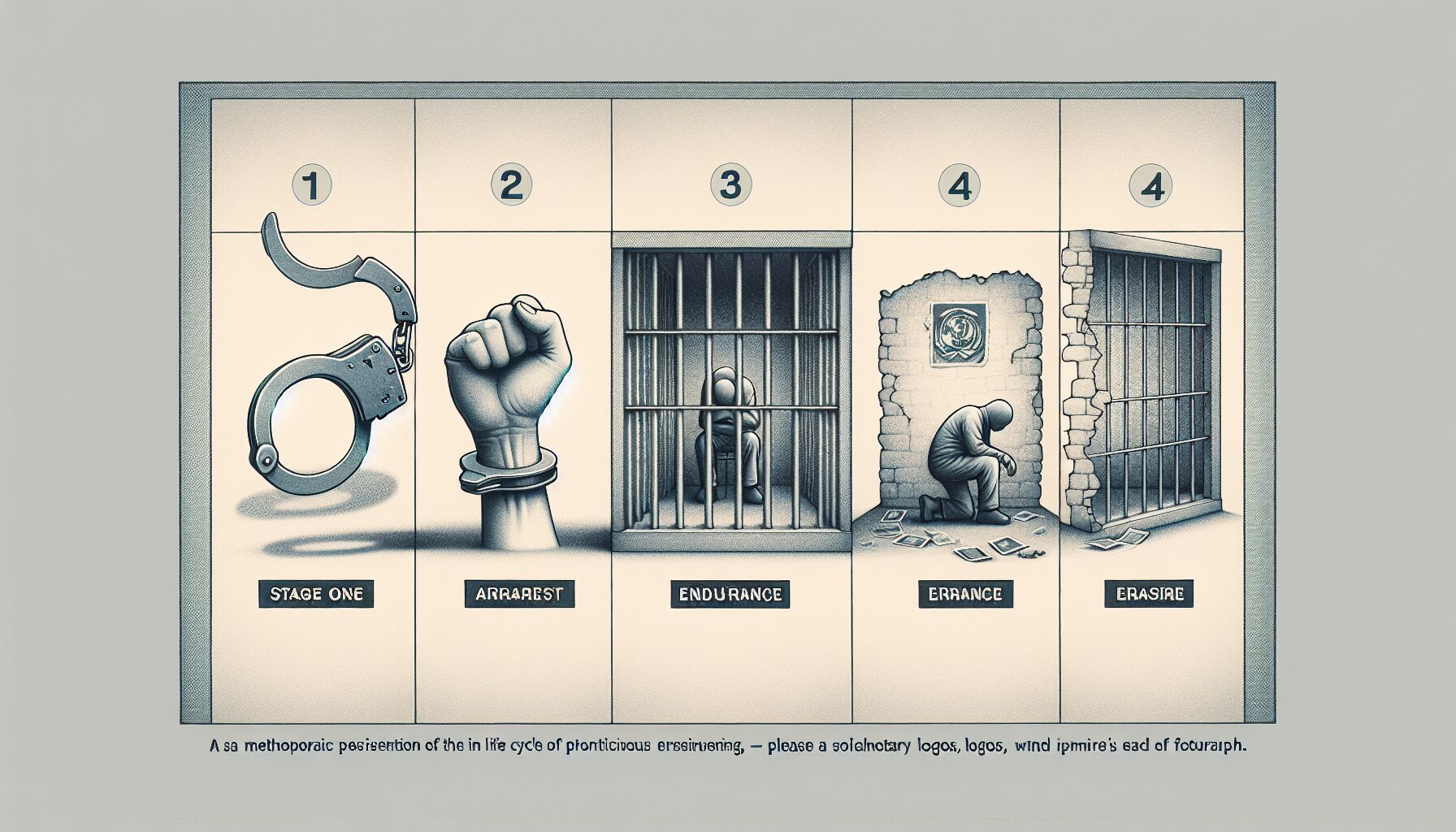
    In volatile political climates, those who are deemed a threat to state power often face severe repercussions. Among these, religious practitioners frequently find themselves at the intersection of faith and politics, leading to a chilling pathway from arrest to potential erasure. This article examines the lifecycle of political religious prisoners, a group whose plight is both a historical constant and a present-day reality.

    The Initial Arrest

    The first step in this grim lifecycle is the arrest. Political religious prisoners typically find themselves apprehended under cloaked pretexts. Charges are often vague, such as “undermining the state” or “inciting violence,” a tactic frequently employed by regimes to legitimize detentions without substantial evidence. As famed human rights lawyer Amal Clooney noted in an interview with Amnesty International, “Political prisoners are often arrested under spurious charges intended to silence dissent and suppress freedom of belief.”

    Detention and Trial

    Following arrest, political religious prisoners endure detention periods that may extend indefinitely. The conditions during this phase are notoriously dire. Overcrowding, lack of medical care, and isolation are common. The trial, if it occurs, is typically a perfunctory affair, characterized by a glaring absence of due process. Many trials are closed to the public, and verdicts are predetermined by the governing regime.

    “The trials are a mere formality, where guilt is assured and justice remains an illusion,” reported Human Rights Watch.

    Imprisonment

    Conviction leads to imprisonment, where many face the harsh reality of long sentences under brutal conditions. In many parts of the world, the objective is not merely incarceration but the deliberate breaking of an individual’s spirit and beliefs. Beatings, torture, and psychological warfare are instruments wielded to this end.

    An International Committee of the Red Cross report emphasizes the systemic denial of basic rights: “Prisoners are routinely subjected to harsh environments engineered to strip away humanity and dignity.”

    International Advocacy and Awareness

    Not all stories of political religious prisoners end behind bars. International advocacy plays a crucial role in drawing attention to these injustices. Organizations such as Freedom House and Human Rights Watch work tirelessly to publicize these cases, putting pressure on oppressive regimes to release prisoners or improve conditions.

    Media coverage and digital campaigns further amplify these efforts. Social media platforms have become crucial tools for raising global awareness and mobilizing public opinion. By making the plight of political religious prisoners visible, advocacy organizations hope to shorten detention times and reduce suffering.

    Potential Release and the Road to Recovery

    When advocacy leads to release, either through international pressure or internal policy shifts, the effects of imprisonment linger long after freedom is regained. Released individuals face the daunting task of reintegration into societies that have often moved on without them. They may encounter significant psychological struggles and social stigma.

    The World Health Organization highlights post-incarceration challenges: “Individuals released from political imprisonment require comprehensive rehabilitation support to recover from the trauma of inhumane treatment and prolonged isolation.”

    The Threat of Erasure

    For some, especially high-profile cases, release means eventual erasure. These individuals may face constant surveillance and restrictions, effectively silencing them and eliminating their influence. In such situations, ex-prisoners, though free, are pressured into a quasi-erased existence where their actions are perpetually scrutinized, rendering their autonomy minimal at best.

    Conclusion

    The lifecycle of political religious prisoners is not just a human rights issue; it is a deeper reflection of global struggles between power and freedom, control and belief. As governments seek to suppress dissent through religious persecution, international voices must continue to advocate for transparency, justice, and respect for human dignity. It is only by exposing these dark corridors of power that the cycle from arrest to potential erasure can be broken.

  • Prisoners of Conscience – Belief as a reason for captivity

    Prisoners of Conscience – Belief as a reason for captivity

    Prisoners of Conscience: Belief as a Reason for Captivity

    Throughout history, individuals have been imprisoned not for their actions, but for their beliefs. These individuals are often referred to as “prisoners of conscience.” Defined by Amnesty International, a prisoner of conscience is a person who has been jailed for their race, sexual orientation, religion, or political viewpoints, provided they have neither used nor advocated violence.

    “Prisoners of conscience are often the forgotten heroes of their societies. Standing up for their beliefs in the face of oppression, they embody the courage that is crucial for the advancement of human rights.” – Amnesty International

    The Struggle for Religious Freedom

    Religious beliefs have been a poignant reason for captivity across various societies. From ancient times to the modern era, countless individuals have faced persecution for their faith. Some of the most notable prisoners of conscience include:

    • Nelson Mandela: Famed for his struggle against apartheid, Mandela was also imprisoned due to his staunch belief in racial equality. Although not explicitly a religious prisoner, his case highlights the intersection of belief and political ideology.
    • Liu Xiaobo: A Chinese literary critic, Liu Xiaobo was imprisoned in 2009 for his human rights activism and democratic aspirations for China. His incarceration underscored the Chinese government’s intolerance towards dissenting political beliefs.
    • Aung San Suu Kyi: While her later political career became controversial, Aung San Suu Kyi was initially held under house arrest by Myanmar’s military government for promoting democracy and non-violence.

    Current Issues and Global Efforts

    Despite advancements in human rights awareness, the phenomenon of imprisoning individuals for their beliefs persists. According to Amnesty International, there are still many today who face incarceration because their beliefs do not align with those of their governments. The international community continues to face challenges in addressing such cases due to complex geopolitical interests.

    Organizations worldwide are campaigning for the release of prisoners of conscience. Public awareness via social media and international advocacy are powerful tools in the fight against such injustices. As Archbishop Desmond Tutu once said:

    “If you are neutral in situations of injustice, you have chosen the side of the oppressor.”

    In conclusion, the plight of prisoners of conscience underscores the ongoing struggle between individual beliefs and authoritarian regimes. As global citizens, it remains our collective responsibility to speak for those who cannot and to champion the fundamental human rights that must be afforded to every individual.

  • Between Ritual and Regulation – Negotiating faith in authoritarian systems

    Between Ritual and Regulation – Negotiating faith in authoritarian systems

    Between Ritual and Regulation: Negotiating Faith in Authoritarian Systems

    In many authoritarian regimes around the world, the practice of faith becomes a complex interplay between personal convictions and state-imposed regulations. As governments attempt to maintain control over various aspects of social life, religion often emerges as a contentious space where individuals must negotiate their beliefs within the confines of restrictive policies.

    The Role of Religion in Authoritarian Contexts

    Historically, authoritarian regimes have had an ambivalent relationship with religion. On one hand, religious institutions can be seen as ideological allies, supporting the state’s authority through moral and ethical teachings. On the other hand, these institutions often possess considerable influence and therefore represent potential threats to centralized power.

    Catherine Wanner, a professor of history and anthropology, notes, “Religion performs an important function in authoritarian regimes by providing meaning and community. However, these regimes often attempt to harness and reconfigure these functions to support state legitimacy.”(source)

    Strategies of Control

    Authoritarian governments employ various strategies to control and regulate religious practices. These include:

    • Legal Regulations: Imposing laws that restrict religious practices, freedom of assembly, and the construction of places of worship.
    • Co-optation: Integrating religious leaders into state structures to create compliant religious bodies.
    • Surveillance: Monitoring religious gatherings and communications to prevent and eradicate dissent.
    • Propaganda: Promoting state-approved religious interpretations that align with governmental policies.

    Such strategies are exemplified by China’s approach to managing the spiritual practices of its citizens. The Chinese Communist Party recognizes only five official religions and requires religious groups to register with the state, effectively allowing the government to control religious expression.

    Faith as Resistance

    Despite these restrictions, faith often becomes a source of resilience and resistance. Underground religious movements frequently emerge as individuals seek to practice their faith away from the prying eyes of the state.

    “In times of oppression, faith communities frequently provide sanctuaries for those who resist. Religious teachings can inspire social justice movements and offer spiritual resources for individuals resisting authoritarian rule.”
    —John L. Esposito, professor of religion and international affairs

    Migrants, minorities, and other marginalized groups find solace and solidarity in religious gatherings that defy state control. In Egypt, for example, the Coptic Orthodox Church has been a pivotal institution for the Christian minority, often serving as a source of community and identity amid political pressures from the state.

    Negotiating Faith in Public and Private Spheres

    The negotiation of faith in authoritarian systems often necessitates a delicate balance between public compliance and private belief. Families may adhere outwardly to state-endorsed religious practices while maintaining personal rituals in the privacy of their homes.

    In Vietnam, where religious activities are also closely monitored, many Buddhists practice their faith discreetly, taking measures to avoid confrontation with the authorities. These quiet affirmations of faith are a testament to the enduring human spirit and the tenacity of personal conviction.

    The Future of Faith under Authoritarianism

    As authoritarian states continue to leverage religion for political ends, individuals must navigate these challenging terrains with creativity and resilience. The future of faith in such contexts remains uncertain, but history suggests that human conviction and spirituality have an enduring ability to adapt and endure.

    Efforts by the international community, including organizations and advocates dedicated to religious freedom, continue to play a pivotal role in shining a light on these issues. By supporting the rights of religious minorities and providing platforms for the expression of faith, these groups help challenge authoritarian narratives and uphold the fundamental right to belief.

    Ultimately, the story of faith in authoritarian regimes is a testament to both the adaptability of religious institutions and the unyielding spirit of the human soul striving towards freedom and self-expression. As the world evolves, these stories of quiet defiance and spiritual resilience will continue to resonate, inspiring future generations to pursue their convictions against all odds.

  • The Cost of Compliance – When belief is reshaped by law

    The Cost of Compliance – When belief is reshaped by law

    The Cost of Compliance: When Belief is Reshaped by Law

    Throughout history, belief systems have often been shaped and reshaped by societal influences. Among the most significant of these influences are laws enacted by governments, which can redefine what is socially acceptable or legally permissible in the name of maintaining societal order. This interaction between belief and law raises profound questions about the integrity of individual convictions and the role of legal institutions in shaping societal norms.

    The Interplay Between Belief and Law

    Belief systems, whether they are religious, philosophical, or cultural, are deeply personal and often serve as a guiding compass for individuals. However, when laws impinge on particular beliefs, individuals are faced with the challenging task of reconciling personal convictions with legal requirements. This intersection of personal belief and public law is where compliance can lead to significant societal shifts. As Voltaire famously noted, “Think for yourselves and let others enjoy the privilege to do so too.” However, what happens when such thinking collides with the legal frameworks of society?

    Historical Examples of Law Reshaping Belief

    • Prohibition in the United States

      In the early 20th century, the United States imposed Prohibition, which banned the manufacture, sale, and transportation of alcoholic beverages. This era from 1920-1933 sought to align society with a moral conviction regarding alcohol consumption. The resulting compliance with the law eventually altered public perceptions and laid the groundwork for modern temperance movements, though it was met with contention and eventual repeal due in part to its unintended consequences.

    • Anti-Discrimination Legislation

      The Civil Rights Act of 1964 in the United States is a landmark law that prohibited discrimination based on race, color, religion, sex, or national origin. It reshaped societal beliefs, particularly in the South where segregation was deeply entrenched. Despite initial resistance, the enforcement of this law gradually shifted public attitudes toward greater acceptance and equality.

    • International Human Rights Law

      Universal declarations, such as the Universal Declaration of Human Rights adopted by the United Nations in 1948, have compelled nations to refine domestic laws to align with new global standards of human rights. Countries undergoing this transformation often see shifts in collective beliefs toward individual freedoms and equality.

    The Economic Cost of Compliance

    The cost of legal compliance is not solely societal or ideological; it also carries significant economic implications. The financial burden of adhering to legal standards can be substantial for businesses and individuals alike:

    • Regulatory Compliance: Organizations often invest heavily in compliance departments to navigate complex legal landscapes, such as environmental, financial, and labor laws.
    • Adaptation Costs: Changes in law require businesses and individuals to adapt their practices, sometimes at great expense. For example, transitioning to green energy solutions in response to environmental legislation can require significant investment.

    Legal Compliance and Moral Dilemmas

    While laws can refine or redirect societal beliefs, they also pose moral dilemmas for those whose personal beliefs directly contradict legislative mandates. This tension raises ethical concerns and often sparks activism and debates on issues such as:

    • Religious Freedom vs. Non-Discrimination: Laws protecting against discrimination can conflict with religious doctrines, prompting debates about the limits of religious freedom.
    • Privacy vs. Security: Legislation like the Patriot Act in the United States expanded surveillance capabilities, reshaping perceptions of privacy in exchange for national security.

    The Future of Law-Influenced Beliefs

    The continual evolution of law ensures that belief systems remain dynamic. As society faces new technological advancements and global challenges, the laws crafted to address these will further redefine personal and collective beliefs. According to Pew Research, these shifts are observable in areas such as technology ethics, corporate governance, and climate change policy.

    Conclusion

    The cost of compliance, though often measured in material terms, also demands consideration of its impact on personal and collective belief systems. As legal frameworks continue to evolve, they will invariably guide and reshape future societal norms. While the balance between law and belief can be delicate, the ongoing dialogue between these two forces remains crucial in shaping more inclusive and just societies. To quote Albert Camus, “In the depth of winter, I finally learned that within me there lay an invincible summer.”—an enduring reminder of the resilience of belief amid legal transformations.

  • Spiritual Continuity in Exile – Traditions that survive displacement

    Spiritual Continuity in Exile – Traditions that survive displacement

    Spiritual Continuity in Exile: Traditions That Survive Displacement

    Throughout history, countless communities have faced displacement due to war, persecution, or economic hardships. Despite the upheaval, many of these communities have managed to keep their spiritual practices and traditions alive, allowing them to maintain a connection to their heritage. This article explores how spiritual continuity serves as a pillar of hope and identity for displaced peoples around the world.

    A History of Resilience

    Human history is replete with examples of entire communities being uprooted. From the Jews exiled to Babylon in the 6th century BCE, carrying with them the seeds of what would blossom into rabbinic Judaism, to the African diaspora that sustained various indigenous spiritual practices alongside emerging religions, displacement doesn’t necessarily mean the end of traditions.

    “When people are displaced, they often turn to their spiritual traditions to offer stability and hope in the midst of uncertainty,” notes Dr. Eliza Stein, an anthropologist specializing in migration studies. Read more about Dr. Stein’s work.

    Intergenerational Impact

    One of the most profound ways spiritual traditions survive is through intergenerational transmission. Storytelling, rituals, and communal gatherings allow elders to pass down beliefs and practices to younger generations, often in an adapted form that ensures relevance in new environments.

    • Language: Many spiritual traditions are closely tied to language, as in the case of Native American tribes that have worked to preserve and revitalize their languages as a form of spiritual and cultural continuity.
    • Rites of Passage: Rites like naming ceremonies, coming-of-age rituals, and marriage rituals often retain their core elements, even as they adapt to new cultural contexts.
    • Festivals and Celebrations: Celebrations like Diwali, Hanukkah, or the Lunar New Year allow displaced communities to cultivate a sense of normalcy and continuity in exile.

    Navigating Dual Identities

    Displacement frequently results in individuals and communities adopting dual identities, balancing between maintaining their original cultural and spiritual identities while integrating with the new society. This dual identity can lead to the hybridization of religious practices.

    “Hybridity often emerges as a natural response to cultural intermingling, creating rich, complex spiritual practices that marry past traditions with present realities,” says Professor Amira Khan, an expert in cultural studies. Explore her insights further.

    This is evident in the Cuban-American community in Miami, where Santería—a syncretic religion combining Yoruba beliefs and Catholicism—flourishes. This exemplifies how displaced groups navigate new cultural landscapes while honoring their spiritual heritages.

    Challenges and Preservation Efforts

    Despite their resilience, displaced communities face challenges in preserving their spiritual practices. These include:

    • Assimilation Pressures: Societal pressures to assimilate can at times erode traditional practices.
    • Legal Restrictions: In some regions, legal restrictions may impede the free practice of certain rituals.
    • Generational Gaps: Younger generations might feel disconnected from the traditions of their ancestors.

    To combat these challenges, various efforts have been initiated worldwide. Cultural centers, community organizations, and online platforms play a pivotal role in preserving and promoting spiritual practices among displaced populations. For instance, organizations like the International Rescue Committee provide spaces and resources for refugees to practice their spiritual customs.

    The Role of Technology

    In today’s interconnected world, technology has become a powerful tool in helping displaced communities sustain their spiritual practices. Social media platforms, video conferencing tools, and various online resources allow for greater connectivity and sharing of traditions. For example, many diaspora communities utilize Facebook and YouTube to broadcast religious ceremonies to a global audience.

    Virtual gatherings have gained prominence, especially during the COVID-19 pandemic, allowing communities to transcend geographical barriers in their worship and spiritual observances.

    Conclusion

    The continuity of spiritual traditions in exile not only enriches the lives of displaced people but also contributes to the broader cultural tapestry of the countries they move to. As refugees and migrants negotiate their identities, they remind us of the enduring power of tradition, resilience, and the human spirit.

    In a world where displacement continues to uproot lives, understanding and supporting the spiritual continuity of these resilient communities is essential, not only for their wellness but also for the enrichment of global cultural diversity. As Dr. Stein suggests, “Spiritual traditions are not static. They live and evolve—an embodiment of the enduring human spirit that persists amidst adversity.”