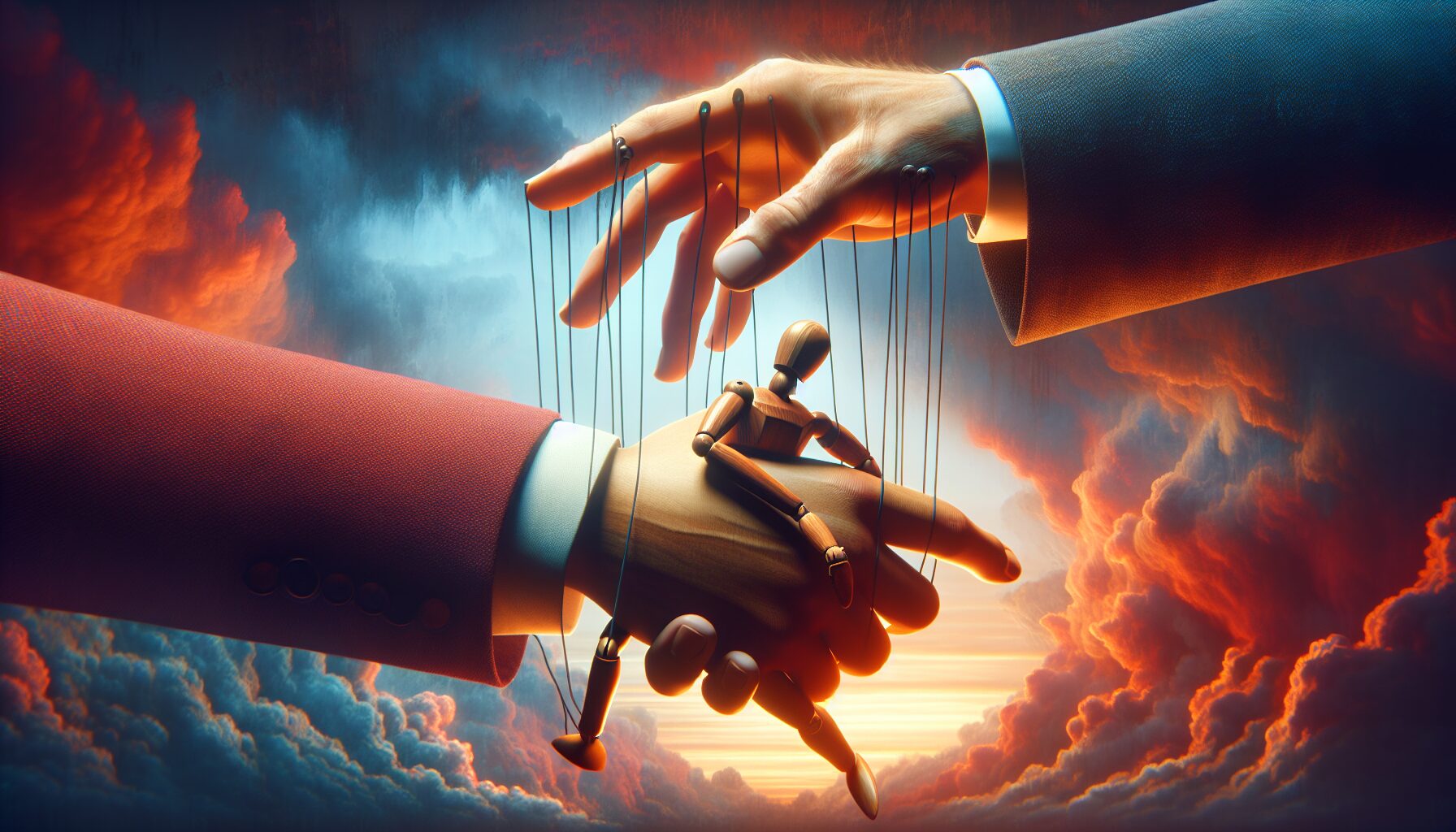
In the intricate tapestry of human relationships, love is often celebrated as an unconditional force. However, lurking in the shadows of community interactions and personal relationships lies the more complex and sinister phenomenon of emotional blackmail, where affection becomes conditional. This subtle form of manipulation can be both pervasive and damaging, altering the dynamics within families, social groups, and wider communities.
Understanding Emotional Blackmail
According to Dr. Susan Forward, author of “Emotional Blackmail: When the People in Your Life Use Fear, Obligation, and Guilt to Manipulate You”, emotional blackmail is characterized by the use of “fear, obligation, and guilt,” tactics powerful enough to bend even the most stalwart individuals.
“Blackmailers know how to make you feel like you owe them something. They have an uncanny ability to use our fear of upsetting them, our sense of obligation, and our feeling of guilt as a weapon against us.”
In communities, these tactics may present themselves subtly. Perhaps it’s the volunteer group where members feel pressured to comply with excessive demands out of fear of being ostracized, or within families where compliance is extracted through threats of withdrawal of love and support.
Signs of Conditional Love
- Withholding Affection: The individual may threaten or actually withhold love and warmth until certain demands are met.
- Playing the Victim: Constant reiteration of past sacrifices or emotional injuries can be leveraged to elicit compliance.
- Intimidation: Subtle threats of emotional withdrawal or more overt intimidation techniques that enforce compliance under duress.
The impact of these behaviors is profound, leading to internalized stress, diminished self-esteem, and an unbalanced power dynamic that can fracture community cohesiveness.
How Communities Foster Emotional Blackmail
It’s not just individuals who perpetrate emotional blackmail. Communities themselves can become breeding grounds for such behavior. In closely-knit communities where reputation and social standing are paramount, individuals may find themselves coerced into actions against their will, fearing social isolation.
- Cultural Expectations: Norms and traditions that dictate behavior can create an environment ripe for manipulation.
- Groupthink: The phenomenon where a group makes faulty decisions based on the pressure it places on members to conform can lead to emotional manipulation.
- Peer Pressure: The desire to belong to a group may outweigh personal values, leading individuals to submit to emotional manipulation.
Communities often unwittingly perpetuate cycles of emotional blackmail through shared narratives and pressure to conform, which can leave little room for personal dissent or individual expression.
Breaking the Cycle
To break free from the cycle of emotional blackmail, awareness and communication are key. Here are some ways individuals and communities can combat this:
- Self-awareness: Recognize the signs of emotional manipulation and understand your own susceptibility to these tactics.
- Setting Boundaries: Establish clear and healthy boundaries, asserting the right to prioritize one’s own needs without guilt.
- Community Dialogues: Encourage open communication and dialogue within communities to address concerns and grievances robustly.
- Education: Promote and engage in educational initiatives that discuss the negative effects of emotional manipulation.
Dr. Robert Firestone, a clinical psychologist, emphasizes, “It takes courage to confront emotional blackmail, but without addressing it, individuals and communities remain trapped in a cycle of fear and obligation that stifles true connection.”
“Commitment to combating emotional manipulation starts with understanding the legitimate power of sincerity and vulnerability as tools for authentic interaction,” Dr. Firestone notes.
The Path to Authentic Love
True love and connection must move beyond obligation and fear into realms of genuine care and respect. By recognizing and addressing emotional blackmail at both individual and community levels, we take an essential step towards nurturing healthier, more supportive environments where empathy and authenticity can flourish.
By fostering authentic connections and understanding the deeper dynamics of our relationships, communities can break free from the manipulative clutches of conditional love, paving a path towards a more inclusive and loving future.