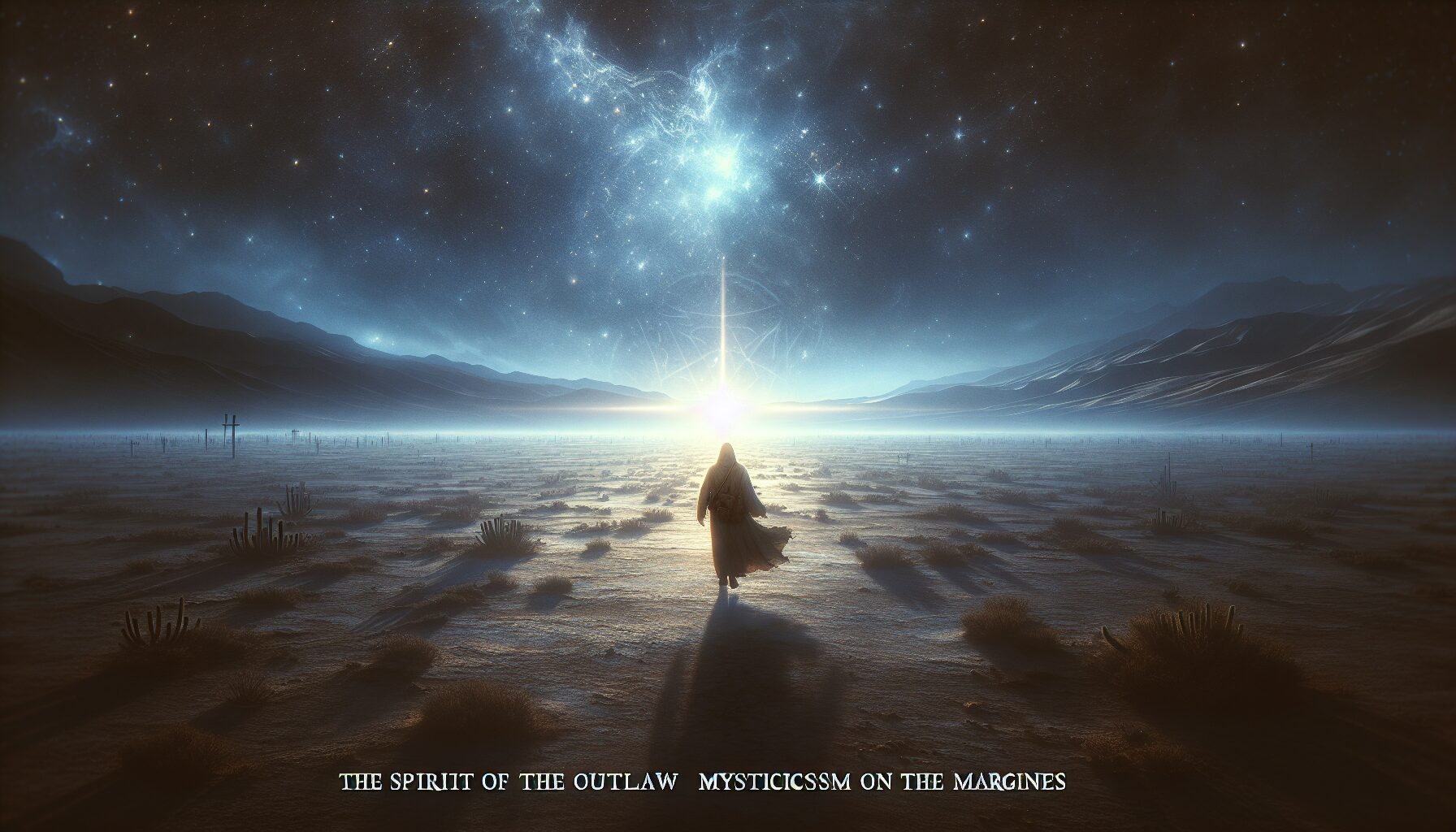
The Spirit of the Outlaw: Mysticism on the Margins
Throughout history, the figure of the outlaw has captivated the human imagination, serving as both a symbol of rebellion and an enduring archetype of freedom. These marginalized figures, often living outside the bounds of law and society, evoke a sense of mysticism rooted in their defiance and unyielding spirit. This exploration of the outlaw encapsulates not just their actions, but the rich tapestry of myths and legends that surround them.
The Allure of the Outlaw
Outlaws are romanticized for their audacity and independence. They emerge in stories worldwide, embodying the tension between freedom and authority. From Robin Hood in England to Pancho Villa in Mexico, outlaws are celebrated as proponents of justice—albeit through unconventional means. This dichotomy between law and morality often endows these figures with a mystical, almost spiritual role.
“The life of a legendary outlaw is a mirror to society’s insecurities and ideologies, amplifying the virtues and vices of an era.”
As noted on History, the outlaw’s journey reflects broader societal questions and contradictions. They become metaphors for truths that are uncomfortable or hard to confront directly.
Mysticism and Myth
Many cultures have infused their outlaw tales with elements of mysticism. In doing so, they transform these real-life rebels into larger-than-life figures, blurring the lines between human and myth. These narratives elevate outlaws from mere criminals to enigmatic heroes capable of miraculous feats.
- Robin Hood: Known for ‘robbing from the rich and giving to the poor’, the legend of Robin Hood includes miraculous escapes and an unwavering moral code, painting him as a folk hero rather than a common thief.
- Yokai and Ninjas in Japan: Many Japanese myths include outlaw figures with almost supernatural abilities. The blurred lines between history and folklore serve to mystify figures who acted against the societal norms of the time.
- Pancho Villa: As a revolutionary leader, Pancho Villa’s exploits are celebrated in song and story, highlighting his strategic genius and almost prophetic vision for Mexico.
Rebellion and Redemption
The outlaw’s spirit also embodies themes of redemption and rebellion. Their narratives are imbued with the hope that change is possible, even for those cast out by society. Mysticism often enters these stories as a vehicle for transformation and rebirth.
Religious and spiritual elements often underscore these journeys. For instance, many outlaws in folklore claim divine justification for their actions. This intersection of spirituality and rebellion echoes the inherent human quest for meaning, justice, and truth.
The Modern Outlaw
In contemporary society, the spirit of the outlaw lives on through various subcultures and countercultures. Modern-day ‘outlaws’, from hackers who challenge digital boundaries to activists fighting for systemic change, continue to push against the constraints of the status quo.
“Today’s outlaws navigate a digital frontier, challenging the status quo in ways that speak to an evolving understanding of justice and equality.”
The Guardian notes that these digital frontiers are not just battlegrounds for technology, but for ideologies as well—embodying the essence of the mystical rebel spirit in today’s era.
The Enduring Legacy
The persistent allure of the outlaw speaks to a universal human longing for freedom and justice. Rooted in real-world defiance and revived through mythology, these figures remind us of the transformative power of rebellion. The mysticism surrounding them is less about magic and more about what they represent: the unyielding force of a spirit unwilling to succumb to injustice or conformity.
The narrative of the outlaw persists because it resonates deeply within the human psyche, urging us to question the boundaries enforced by society and to consider the potential that resides within each act of rebellion, not only as a personal journey but also as a grand, mystical assertion. Thus, the spirit of the outlaw remains both a provocative symbol and an inspiring call to action for those on the margins seeking to change the world.