Tag: soft

  • The Soft Banishment – Being Present but Not Welcome

    The Soft Banishment – Being Present but Not Welcome

    The Soft Banishment: Being Present but Not Welcome

    In realms of mystical folklore, there exists a nuanced form of exile known as “The Soft Banishment.” Unlike its harsh, more conventional counterpart, this concept allows an individual to remain physically present within a community while existing on the fringes of social acceptance.

    This phenomenon is not unique to fantasy. In the world of magical societies, individuals who have committed minor transgressions or defied the cultural norms may find themselves victims of this subtle form of ostracism. They walk among their peers, participate in the daily rites and rituals, yet remain as shadows—acknowledged but not embraced.

    The Subtle Mechanisms of Isolation

    Soft banishment manifests through silent disapproval and passive neglect. An individual might receive curt, polite conversations but is never invited to the inner circles or critical discussions. Their opinions are heard but rarely considered, their presence noticed but not cherished.

    “There is no greater sorrow than to recall in misery the time when we were happy.”

    — Dante Alighieri, The Divine Comedy

    In authors like Dante Alighieri, one can find traces of this subtle punishment. While harder to detect than physical exile, the burden can weigh as heavily on the soul. In a world where connection and belonging are as essential as food and water, existing without acceptance is a form of profound suffering.

    Surviving Soft Banishment

    • Understanding the Cause: Self-reflection is crucial. Understanding the cause of one’s isolation, whether a breach of communal rules or a simple misunderstanding, is the first step toward reconciliation.
    • Seeking Alliances: Identifying allies who value your presence and contributions can gradually integrate the outcast back into the fold.
    • Contributing Quietly: Sometimes actions speak louder than words. Consistent, meaningful contributions to the community might eventually erode the barriers of silent disdain.

    As literature and folklore often mirror life, the concept of soft banishment underscores the human need for acceptance and the pain that can arise from its absence. To be present but not welcome is to inhabit an invisible cage, where the boundaries are unseen but ever-present, restricting the spirit’s flight.

    In essence, to navigate such a complex social labyrinth is a journey requiring patience, self-awareness, and resilience. As witnessed in various tales, those who persevere are often rewarded not only with acceptance but a deeper insight into the intricate emotional tapestry of their world.

    For more information on how to cope with such societal dynamics, visit this Psychology Today article discussing the psychological impacts and remedies of social exclusion.
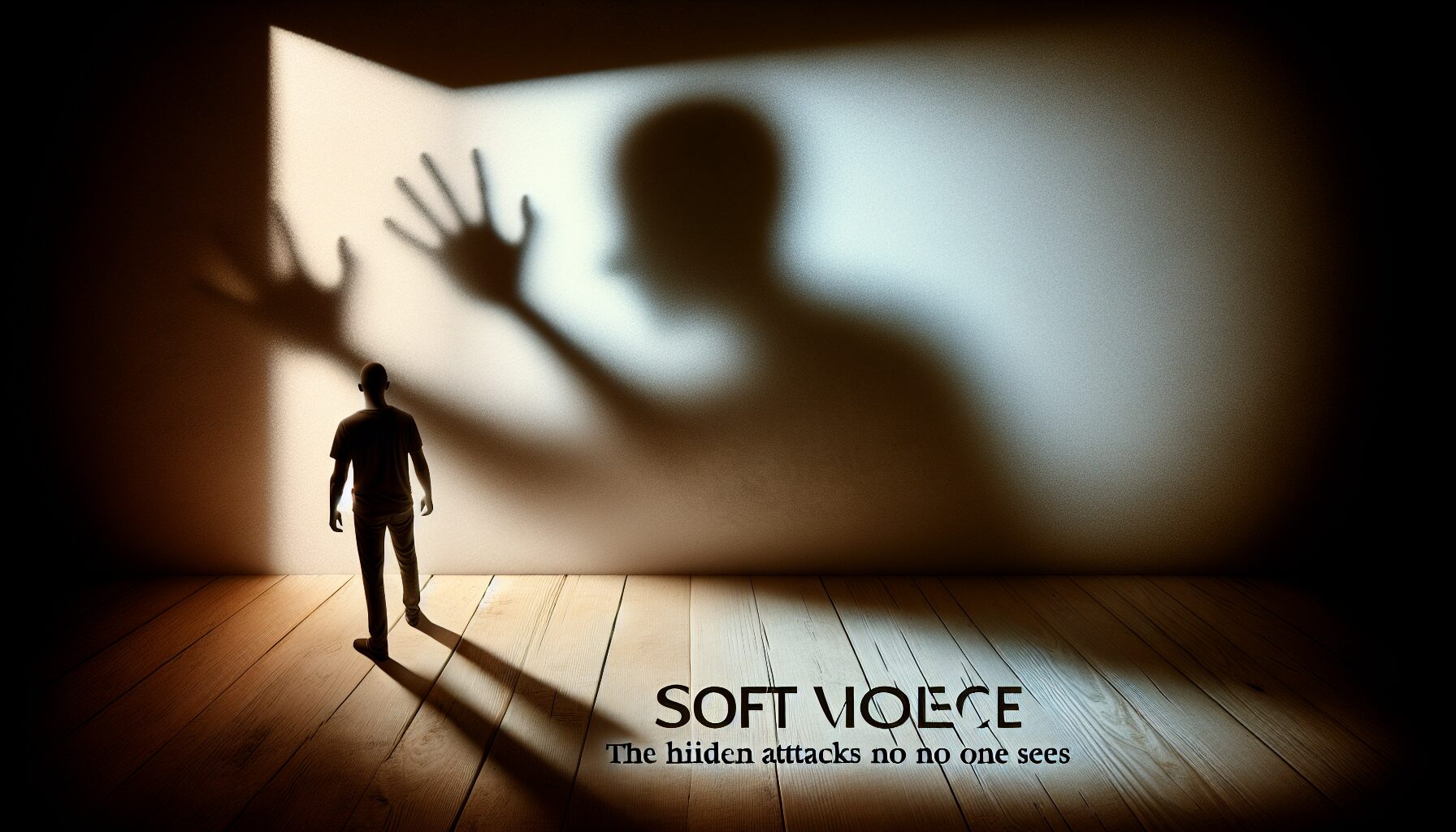
  • Soft Violence – The Hidden Attacks No One Sees

    Soft Violence – The Hidden Attacks No One Sees

    Soft Violence: The Hidden Attacks No One Sees

    In the shadows of everyday interactions, a subtle and often overlooked form of aggression lurks—soft violence. Unlike the physical blows that are more easily spotted and addressed, soft violence consists of nuanced, psychological attacks that manipulate and degrade their victims’ emotional and mental stability.

    Understanding Soft Violence

    Soft violence can best be described as a suite of behaviors that aim to silently undermine one’s self-esteem, confidence, and sense of reality. These behaviors include gaslighting, passive-aggression, silent treatment, and persistent criticism. According to renowned psychologist Paula E. Caplan, “Gaslighting produces anxiety, depression, and a variety of self-doubt in the victim.” (Psychology Today October 2019).

    Victims of soft violence often find themselves in a continuous loop of self-doubt and psychological disarray. The subtlety of these attacks makes them difficult to address and leaves many victims questioning the validity of their experiences.

    Common Forms of Soft Violence

    • Gaslighting: This involves making someone doubt their memories or perceptions through outright denial, manipulation, and lying.
    • Passive Aggression: This indirect expression of hostility can manifest as procrastination, feigned incompetence, or deliberate failure to complete tasks.
    • Silent Treatment: Using silence as a weapon to control or punish the victim.
    • Persistent Criticism: Constant, subtle put-downs that erode a person’s self-worth over time.

    The Impact of Soft Violence

    While it may not result in physical scars, soft violence leaves profound psychological impacts. Victims often experience chronic stress, anxiety, and depression. In the words of Dr. Deborah Khoshaba, “The scars that are suffered are deep and often ignored because they lack the physical manifestation.”

    Addressing Soft Violence

    To combat soft violence, awareness must be raised about its existence and consequences. Open dialogues about mental health and emotional abuse are crucial steps to empower victims and hold perpetrators accountable. Staging interventions or seeking professional guidance can provide the necessary support for those entangled in such toxic dynamics.

    “Emotional abuse is just as damaging as physical abuse, though it is often harder to recognize and comes with the excuse that it’s not really that bad.” — Cat Lantigua, Everyday Feminism (2015)

    By spotlighting these hidden attacks, society can foster a more supportive environment for victims, helping them reclaim their power and sense of self-worth.