Tag: social

  • The Criminalization of Gathering – When meeting becomes subversion

    The Criminalization of Gathering – When meeting becomes subversion

    The Criminalization of Gathering: When Meeting Becomes Subversion

    In a world where autonomy and freedom of association are hailed as fundamental human rights, there is a disturbing trend emerging: the criminalization of gatherings. Whether it be protests, community meetings, or merely social congregations, events once seen as a staple of democratic society are now being scrutinized and sometimes branded as acts of subversion.

    The Erosion of Public Spaces

    Public spaces, historically the heart of community and democracy, are increasingly being monitored and restricted. Governments around the world have tightened their grip on public assembly, often citing security concerns or public order as justifications.

    “Public space is an essential part of a society’s structure. It usually holds a wide range of crucial roles, from the social to the political,” said Antonio Guterres, UN Secretary-General.

    While maintaining order is necessary, the balance between safety and freedom has tilted alarmingly towards authoritarianism in various parts of the world.

    Legislative Overreach and Its Consequences

    The introduction of laws aimed at curbing public gatherings has raised significant concerns among civil rights advocates. In many instances, these laws are intentionally vague, allowing for broad interpretation and application.

    • Russia: The foreign agents law requires organizations receiving foreign funding and engaged in political activity to undergo stringent registration processes.
    • Hong Kong: The National Security Law has been used to justify crackdowns on protests, resulting in numerous arrests of pro-democracy activists.
    • United States: Several states proposed bills imposing harsh penalties on protesters, significantly escalating the risks involved in joining demonstrations.

    These legislative tools, once enacted, place tremendous power in the hands of authorities, often disproportionately affecting marginalized groups and dissenters.

    The Impact on Civil Society

    The criminalization of gatherings has profound implications for civil society. Non-governmental organizations (NGOs) and grassroots movements find it increasingly challenging to operate under such laws. The efficacy of movements that strive to promote social justice, environmental concerns, and human rights is unduly compromised.

    Human Rights Watch describes this trend as a “shrinking space for civil society and dissent,” as noted in their 2021 World Report.

    Furthermore, the fear of legal repercussions discourages many from participating in public demonstrations, thereby weakening one of society’s crucial tools for checks and balances on authority.

    Digital Surveillance: Extending the Arm of Authority

    Compounding the issue of criminalized gatherings is the rise of digital surveillance. Governments have harnessed technology to monitor communications and networks, essentially extending their reach beyond the physical into the virtual world. This digital overreach adds another layer of suppression to physical assemblies.

    • Facial Recognition: Increasing use of facial recognition technology at public events has raised alarm over privacy encroachments.
    • Data Mining: Collection of personal data via social media platforms is often used to track and influence dissenters.

    The fear of being watched or recorded not only affects the approach to physical protests but also stifles online discussions and organizing efforts, eroding privacy and stifling free speech.

    The Path Forward: Resilience and Resistance

    Despite these challenges, there is hope in the form of resilience and innovation among activists. New methods of organizing, such as encrypted communication channels and decentralized networks, are emerging as ways to circumvent restrictions. Moreover, legal challenges against restrictive laws are gaining traction in international courts, setting precedents that may inspire reform.

    For genuine democratic freedom, it is imperative that the international community recognizes and responds to the dangers of criminalizing gatherings. Protecting the right to assemble and ensuring a free and open society should remain a priority for all nations committed to democracy and human rights.

    As stated by Amnesty International, “Silencing people affected by injustice is no route to equality or justice.” (Global State of Human Rights 2020).

    Thus, it becomes a shared responsibility to stand against the criminalization of gatherings and to uphold the universal right to peaceful assembly and expression for everyone.

  • The Anatomy of a Witch Hunt – Modern persecution without superstition

    The Anatomy of a Witch Hunt: Modern Persecution Without Superstition

    In the dark corners of history, witch hunts have long been associated with the frenzied persecution of those believed to possess maleficent supernatural powers. Yet, as we advance into the modern age, the phenomenon of witch hunts persists—stripped of its superstitious trappings, but alive in the form of political, social, and digital persecution. This article explores the anatomy of modern witch hunts, dissecting the patterns and motivations that drive society to scapegoat individuals or groups without the invocation of the supernatural.

    Anatomy of a Modern Witch Hunt

    Modern witch hunts unfold through a series of identifiable stages. While they lack the burning stakes or spectral evidence of the past, they are fueled by the same human tendencies toward fear, suspicion, and the desire for homogeneity. The phases of a contemporary witch hunt typically include:

    • Identification: A trigger event, often a scandal or a crime, brings a person or group into the public eye. The identified party is frequently portrayed as a symbolic enemy, embodying broader societal anxieties.
    • Amplification: Media institutions and social networks play a critical role in propagating the perceived threat. The virality and reach of online platforms can accelerate the spread of information—and misinformation—beyond control.
    • Polarization: The issue becomes divisive, forcing individuals and communities to take sides. Norms of civil discourse break down as adversarial identities are reinforced.
    • Condemnation: The targeted party is subjected to public shaming, ridicule, or penalty. This may include formalized condemnation by institutions or informal retribution by online communities.
    • Resolution (or Persistence): The witch hunt either resolves with a formal conclusion, such as a court ruling or retraction, or continues indefinitely, affecting the lives of those targeted.

    Historical Parallels and Patterns

    “The witch-hunt is both the symbol and the practice of irrational aggression in times of stress.” – Arthur Miller, The Crucible

    Arthur Miller’s The Crucible, though set in the Salem witch trials, offers timeless insight into how fear and suspicion can escalate into mass hysteria. This allegory of McCarthyism in 1950s America underlines a fundamental pattern: the exploitation of communal fears to target outliers as a means of reinforcing collective identity. Such patterns persist today in various forms.

    The Role of Media

    In the digital age, the media’s influence on modern witch hunts cannot be overstated. Viral social media campaigns and 24-hour news cycles have created an environment where information is rapidly disseminated, often without adequate verification. According to a Pew Research Center report, a significant portion of Americans obtains news through social media platforms, which not only amplify messages but also sometimes distort them through algorithms that prioritize engagement over accuracy.

    The consequences of this media landscape manifest in immediate public reactions, ranging from hashtag campaigns to more severe outcomes, such as doxxing or SWATting. Media can both ignite witch hunts and serve as platforms for targets to plead their case, though the latter often comes too late or goes unnoticed amidst the noise.

    Psychological Underpinnings

    The psychology of witch hunts has its roots in human nature. The need for belonging, compounded by fear and anxiety, can lead individuals to conspire against perceived threats. Social psychologist Gustave Le Bon remarked on the susceptibility of crowds to irrational behavior in his work, “The Crowd: A Study of the Popular Mind,” noting that crowds unite under emotions rather than logic.

    • Conformity: Individuals are prone to adopting the attitudes and actions of their social groups, particularly during crises.
    • Projection: Society often projects its frustrations and insecurities onto a scapegoat, relieving collective stress through blame.
    • In-group vs. Out-group Dynamics: There’s an inherent tendency to vilify those perceived as outsiders, particularly when social cohesion is threatened.

    Consequences

    The aftermath of a modern witch hunt can have profound effects on both the victims and society at large. For individuals, the impact ranges from loss of reputation and privacy to ongoing threats to personal safety. The damage to victims can be long-lasting, with consequences such as job loss, social isolation, and mental health issues.

    On a societal level, witch hunts erode trust in institutions and media, sow division among communities, and stifle open dialogue. Trust in social and governmental institutions can decrease significantly, leading to a fragmented social fabric.

    Moving Forward: Prevention and Mitigation

    To prevent and mitigate modern-day witch hunts, society must foster environments where reasoned discourse and critical thinking prevail over mob mentality. This involves cultivating media literacy, promoting empathy, and encouraging dialogue across different social strata. Addressing the root causes of fear and division can also alleviate the underlying tensions that fuel witch hunts.

    Organizations and individuals can take proactive steps by advocating for responsible journalism, fact-checking news stories, and holding social media platforms accountable for the content shared on their networks. Education systems can play a pivotal role by incorporating media literacy and critical thinking skills into curriculums, equipping future generations to navigate the complexities of information in the digital age.

    In conclusion, while the trappings of witch hunts may have evolved, their essence remains rooted in shared human vulnerabilities. By understanding the anatomy of modern witch hunts, society can better recognize and counteract these episodes of collective persecution, ensuring that justice and reason prevail over fear and aggression.

  • Us and Them – The social mechanics behind religious scapegoating

    Us and Them – The social mechanics behind religious scapegoating

    Us and Them: The Social Mechanics Behind Religious Scapegoating

    Throughout history, societies have often resorted to scapegoating certain religious groups, a phenomenon that has both social and psychological roots. Understanding the mechanisms behind this behavior reveals much about how humans interact in complex social structures.

    The Concept of Scapegoating

    Scapegoating involves unfairly blaming a person or a group for problems they did not cause. This practice is often harnessed to deflect responsibility, unite communities against a common “enemy,” and reinforce social cohesion within the dominant group. The term originates from an ancient ritual described in the Bible, where a goat was symbolically burdened with the sins of the people and driven away into the wilderness.

    Psychological Underpinnings

    According to Dr. Robert Jones, CEO of PRRI (Public Religion Research Institute), “When societies experience upheaval, individuals look for a cause; religious minorities often become the convenient scapegoat.” The American Psychological Association notes that scapegoating fulfills psychological needs, such as the need for a clearly defined foe during times of fear and uncertainty.

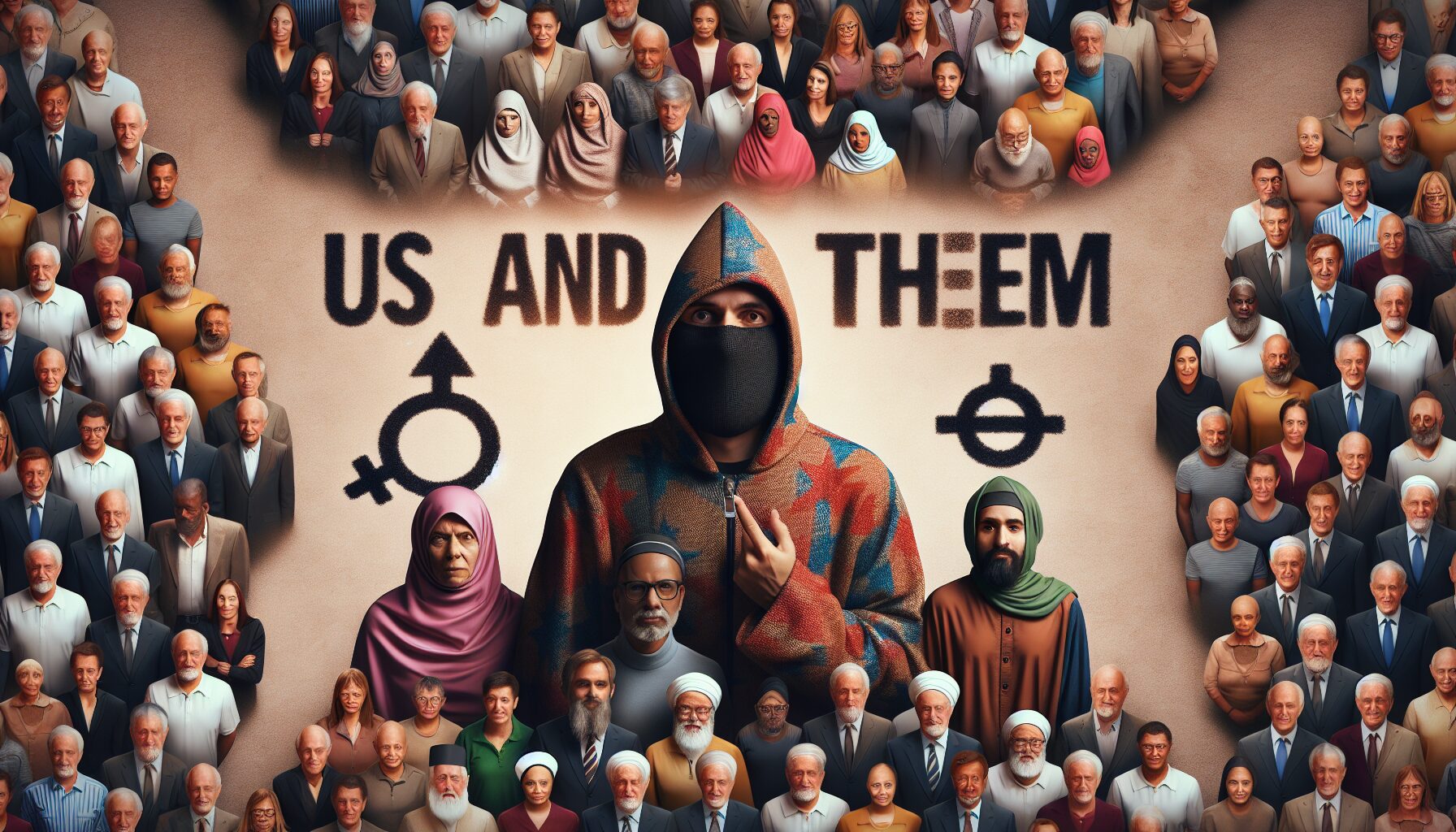
    The Mechanism of ‘Us vs. Them’

    • Identity: Religion is a core part of identity for many, and any threat to that can provoke defensive and aggressive responses.
    • Group Dynamics: Social Identity Theory suggests that people derive pride from their group membership. Distinguishing “us” from “them” reinforces group solidarity.
    • Perceived Threat: Sociologist Ervin Staub explains that perceived threats—whether economic, social, or cultural—often catalyze scapegoating dynamics.

    Historical Examples

    The persecution of Jewish communities throughout history, particularly during the Black Death in medieval Europe, is a classic example of religious scapegoating.

    “Jews were accused of poisoning wells and causing the plague, resulting in widespread violence and massacres,”

    recounts the Yad Vashem Institute. This illustrates how myths and stereotypes are often fabricated or exaggerated to serve the scapegoating agenda.

    The Cost of Scapegoating

    While scapegoating serves as a temporary balm for societal fears and anxieties, it ultimately negates the principles of inclusivity and mutual respect. It also perpetuates cycles of violence and misunderstanding. Psychologist Gordon Allport warned that, “Continual discrimination against minority groups not only destructs humanity but corrodes the soul of the society that indulges in it.”

    Studying the social mechanics of religious scapegoating compels us to question how we can prevent history from repeating itself. By fostering environments that emphasize empathy, understanding, and education, we can begin to dismantle the destructive mechanisms of “us” versus “them.”

  • Sacred Targets – Why spiritual communities are singled out by the state

    Sacred Targets: Why Spiritual Communities Are Singled Out by the State

    Throughout history, spiritual communities have often found themselves under the scrutiny of state powers. From ancient times to the modern era, governments have maintained a complex relationship with these groups, sometimes promoting them, at other times, seeking to control or suppress them. This article explores why spiritual communities often become focal points of state attention and regulation.

    The Historical Context

    The relationship between church and state is a tale as old as civilization itself. In ancient Egypt, the Pharaohs were considered divine rulers, blending spiritual authority with political power. Similarly, in medieval Europe, kings and emperors ruled by divine right, and the Catholic Church wielded significant influence over state matters.

    “Religion is the sigh of the oppressed creature, the heart of a heartless world, and the soul of soulless conditions. It is the opium of the people.”
    Karl Marx

    Karl Marx’s observation underscores the power spiritual communities can hold. They offer solace and a sense of belonging, which can be particularly appealing in turbulent times. For the state, such influence can be seen as a double-edged sword—an opportunity for social stability or a threat to political control.

    Why Spiritual Communities Are Singled Out

    There are several reasons why states may single out spiritual communities:

    • Social Influence: Faith-based organizations often wield significant influence over their followers. Mass assemblies, rituals, and religious fervor can mobilize large groups, which may threaten state authority or societal norms.
    • Economic Power: Many spiritual communities control vast resources. From the land holdings of medieval monasteries to the modern-day megachurches, economic power translates to social influence, which the state may seek to regulate.
    • Ideological Conflict: When the teachings or beliefs of a group challenge the dominant ideology, whether it be secularism, capitalism, or a particular political doctrine, the state may view them as a threat that needs to be neutralized.
    • Security Concerns: Governments may regulate or surveil religious groups under the pretext of ensuring national security, fearing extremism, or subversion.

    Case Studies

    The Persecution of the Early Christians

    In the Roman Empire, Christians were persecuted for their refusal to worship the emperor and the Roman gods. Their rapidly growing numbers and the secretive nature of their meetings aroused suspicion and hostility from the Roman authorities.

    “If the Tiber reaches the walls, if the Nile does not rise to the fields, if the sky does not move or the earth yes, if there is famine, if there is plague, the cry at once arises: ‘The Christians to the lion!’”
    Tertullian, Apology

    The Tibetan Buddhists and the Chinese State

    Since China’s annexation of Tibet in 1950, there has been an ongoing conflict between the Chinese government and Tibetan Buddhists. To this day, Tibetan spiritual practices and expressions of political autonomy are often suppressed.

    The Council on Foreign Relations notes that the Chinese government controls religious affairs and has subjected the populace to assimilation policies, seeing the Dalai Lama and Tibetan Buddhism as a threat to their control.

    Modern Surveillance in the Name of Security

    In today’s digital age, several countries have implemented surveillance measures targeting spiritual communities. Religious gatherings are often monitored under the guise of preventing terrorism, leading to debates over privacy and religious freedom.

    For example, in the United States, post-9/11 legislation expanded the state’s powers to monitor Muslim communities. This policy has prompted ongoing discussions about the balance between security and civil liberties.

    The Role of the Internet and Social Media

    The rise of the internet and social media has further complicated state-religion dynamics. On the one hand, these platforms provide spiritual communities with powerful tools to spread their message, mobilize followers, and exert influence across borders. On the other hand, they offer states new means of surveillance and regulation.

    Nina K. Berman, writing in Social Media & Society, points out that digital spaces have become battlegrounds for religious expression and state control.

    Concluding Thoughts

    The state’s focus on spiritual communities is a complex interplay of control, fear, and respect. These groups can act as bastions of social cohesion and moral guidance, making them both allies and threats to government powers. As we move deeper into the 21st century, finding a balance between religious freedom and state interests will be crucial for peaceful coexistence.

    Ultimately, the ongoing dialogue between the sacred and secular worlds shapes cultural, social, and political landscapes worldwide. Understanding this relationship helps us appreciate the nuanced role spiritual communities play in our societies.

  • When Community Demands Your Soul – The Cost of Absolute Belonging

    When Community Demands Your Soul – The Cost of Absolute Belonging

    Belonging to a community can be a deeply rewarding experience. It offers a sense of purpose, companionship, and support in times of need. However, the desire to belong can sometimes require sacrificing individual identity and autonomy, leading to profound implications on one’s personal life.

    The Allure of Belonging

    Traditionally, human societies have thrived on the bonds formed within communities. Robert D. Putnam, in his book Bowling Alone: The Collapse and Revival of American Community, highlights the epidemic of loneliness in modern society. He explains, “The correlation between increased social capital and positive outcomes is overwhelming.” Indeed, the shared experiences and collective identity foster a powerful sense of belonging.

    The Undercurrent of Conformity

    Conversely, the pressure to conform to communal norms can sometimes overshadow personal desires and individuality.

    “The human capacity for conformity is quite staggering, and often for our own detriment,”

    says Dr. Solomon Asch, a prominent social psychologist known for his experiments on social pressure.

    Conformity acts as a double-edged sword. While it provides social cohesiveness, it can lead to an identity crisis when personal beliefs and community expectations are at odds. Members may mask their true selves in fear of exclusion or judgment, a phenomenon known as the “chameleon effect.”

    Navigating the Balance

    • Set Personal Boundaries: Clearly define what you are willing to compromise for the sake of belonging. Ensure these boundaries are respected by the group.
    • Find Aligned Communities: Seek out communities that resonate with your beliefs and values to minimize internal conflict.
    • Practice Self-Reflection: Regularly assess your feelings about your role within the community. Are you feeling energized or drained?

    The journey to finding a meaningful place within a community without losing oneself is a delicate and ongoing voyage. Balancing the demands of group identity with personal authenticity is crucial. While absolute belonging can come at a high personal cost, with awareness and effort, it is possible to find communities that nurture rather than consume individual identities.

    Ultimately, the goal is to cultivate connections that enrich lives, respecting both the community’s values and individual uniqueness.

  • The Long Road Home – Reclaiming Self After Social Death

    The Long Road Home – Reclaiming Self After Social Death

    In the corridors of human existence, there lies an insidious yet profound concept: social death. This term, often relegated to discussions about existentialism, sociology, and psychology, denotes a state where individuals are ostracized or marginalized within their communities. Social death strips away a person’s identity, rendering them invisible in the societal fabric they once belonged to.

    The Anatomy of Social Death

    The idea of social death finds its roots in sociological and philosophical discussions. According to the philosopher Orlando Patterson, social death occurs when an individual is forcibly severed from their relational ties, ultimately leading to symbolic annihilation (source). Historically, this has been most vehemently encapsulated in the plight of enslaved individuals, who were deprived of their social identities and familial bonds.

    However, the specter of social death looms beyond the historical confines of slavery. Any marginalized group or individual—be it due to race, gender, sexual orientation, or socioeconomic status—can become its victim. Social death takes place when society systematically invalidates one’s identity, numbing personal agency and self-expression.

    The Path to Self-Reclamation

    Emerging from this abyss is a herculean task, yet it is achievable. Reclaiming oneself after experiencing social death is akin to a phoenix rising from the ashes. This process involves several key milestones:

    • Reconnecting with Personal Identity: It begins with unraveling the cords that bind one’s thoughts to societal perceptions. This involves introspection and acceptance of one’s intrinsic worth. As Nietzsche beautifully asserted, “He who has a why to live can bear almost any how.”
    • Community and Support Systems: Rebuilding one’s place in the community is essential. Finding support in like-minded groups or individuals fosters a sense of belonging, counteracting isolation. Viktor Frankl, in his exploration of human suffering, emphasized finding meaning through suffering, community, and human connection.
    • Asserting Personal Narratives: Reclaiming selfhood involves creating and owning one’s narratives. Through storytelling, art, and expression, individuals can project their truths, making them visible and undeniable.
    • Healing and Forgiveness: Moving forward requires healing past traumas and forgiving those who contributed to one’s social death, including oneself. This emotional liberation is critical to breaking free from the chains of psychological oppression.

    The Role of Society

    While individual effort is vital, societal transformation is equally crucial to counteract social death. To foster inclusivity and recognition, society must address and dismantle structures of oppression:

    • Recognize and Validate Diversity: Societal norms must embrace diversity, allowing individuals to express their identities without fear of retribution or marginalization.
    • Policy and Change: Implementing equitable policies that protect marginalized groups can prevent social death from occurring on a systemic level.
    • Education and Awareness: Spreading awareness about the effects of social exclusion encourages empathy and broadens perspectives, reducing prejudices and biases.

    An Ongoing Journey

    The journey to reclaim oneself after social death is an ongoing process of transformation and resilience. As Jean-Paul Sartre noted, “Freedom is what we do with what is done to us.” Those who emerge from social death not only reclaim their identities but often become catalysts for societal change, inspiring others to transcend similar challenges.

    “Although social death can devastate a life, it cannot obliterate the human spirit’s inherent drive for autonomy and self-expression.”
    — Unknown

    In conclusion, reclaiming the self after experiencing social death is a profound act of defiance against forces that seek to diminish individuality. It involves an arduous yet rewarding journey towards autonomy, acceptance, and connection. By fostering environments that champion inclusion and empathy, both individually and collectively, society can pave the long road home for those seeking to rediscover their essence and regain their rightful place in the world.

  • Forced Belief – How Pressure Replaces Conviction

    Forced Belief – How Pressure Replaces Conviction

    In an era where media saturation is overwhelming and groupthink can overshadow individual reasoning, the concept of forced belief emerges as a pressing issue. Rather than convictions formed through critical thought, individuals find themselves coerced into adopting beliefs under external pressure. This article explores the dynamics of forced belief, its historical contexts, impacts, and how individuals can maintain personal conviction amidst external pressures.

    Historical Perspectives: The Roots of Forced Belief

    Throughout history, the imposition of belief systems has been a tool for control. From the religious crusades to totalitarian regimes, authorities have long sought to mold the thoughts of the masses. Philosophers like John Locke have decried such coercion, advocating instead for the rights to freedom of thought and expression as essential human liberties.

    “No man’s knowledge here can go beyond his experience.” ― John Locke

    This insistence on experience and personal conviction vs. imposed belief structures is a continuing conversation. As power structures evolved, so did methods of enforcing belief, adapting to the social and technological changes in each era.

    The Modern Arena: Media, Social Platforms, and Echo Chambers

    In the contemporary context, the digital landscape plays a pivotal role in propagating forced beliefs. Social media platforms, with their algorithms designed to keep users engaged, often create echo chambers where only similar and reinforcing views are presented. This digital isolation can silo individuals within a specific worldview, making it challenging to form beliefs independently.

    • Algorithmic Influence: Platforms like Facebook and Twitter utilize algorithms that prioritize content based on user interaction history, effectively reinforcing existing beliefs without exposure to diverse perspectives.
    • Viral Misinformation: False or misleading information can spread rapidly online, swaying public opinion and pressuring individuals to conform to popular but inaccurate narratives. For example, during crucial elections, misinformation on these platforms has been known to alter perceptions significantly (BBC News).

    Psychological Mechanisms Behind Forced Belief

    Understanding why people succumb to forced belief requires a look into psychology. Two primary phenomena contribute to this:

    • Social Conformity: As illustrated in Solomon Asch’s experiments, individuals often conform to group norms to fit in or avoid conflict, even if it contradicts their beliefs.
    • Cognitive Dissonance: As defined by Leon Festinger, cognitive dissonance occurs when individuals experience discomfort due to inconsistent beliefs and actions. To resolve this, one may change their beliefs under social pressure to reduce the dissonance.

    “We all live with the objective of being happy; our lives are all different and yet the same.” ― Anne Frank

    This quote reinforces that while the quest for social acceptance and happiness is universal, forcing beliefs in pursuit of this can lead to a superficial alignment with truth.

    Impact on Society and the Individual

    The implications of forced belief on society are profound and far-reaching. When large populations subscribe to beliefs without genuine conviction, the likelihood of rational discourse and progress diminishes. This scenario fosters environments ripe for manipulation by those in power, as seen in numerous historical and contemporary examples.

    • Polarization: The schism between differing belief systems can create an entrenched divide among communities, turning ideological conflicts into all-out cultural wars.
    • Stifled Innovation: In suppressing dissenting opinions, forced belief can deter innovation and the healthy exchange of new ideas, limiting societal growth.

    Resistance to Forced Belief: Upholding Conviction

    The question then arises: how can individuals resist the tide of externally pressured beliefs to uphold personal conviction? Here are some strategies:

    • Critical Thinking: Encouraging education systems that prioritize critical thinking skills is essential. Thought leaders argue for curricula that prompt students to question, analyze, and understand various viewpoints rather than rote memorization.
    • Media Literacy: As consumers of information, individuals must develop skills to discern credible sources from misinformation and recognize bias.
    • Openness to Dialogue: Actively engaging in discussions with those holding opposing views can strengthen personal conviction and cultivate empathy.

    “The measure of intelligence is the ability to change.” ― Albert Einstein

    Einstein’s words serve as a reminder that while change is essential, it should result from thoughtful analysis and not coercive pressures.

    Conclusion: Navigating the Complexities of Belief Formation

    The battle between forced belief and conviction will persist as long as external pressures exert influence over personal thoughts. It is the responsibility of individuals and institutions alike to promote environments where free thought is championed. By encouraging critical engagement with information and fostering open dialogues, society can resist the dangers of forced belief and uphold the sanctity of individual conviction.

    For further reading on belief systems and social psychology:

  • The Price of Dissent – Social Consequences of Independent Thought

    The Price of Dissent – Social Consequences of Independent Thought

    In the fabric of societal norms and mores, the thread of dissent weaves a pattern that disturbs the symmetry yet enriches the texture. Independent thought, while often celebrated as a hallmark of progressive societies, carries its own cost in personal and professional domains. This article explores the multifaceted impacts of dissent, addressing questions about its necessity, the social costs incurred, and the individuals who stand as exemplars of its importance.

    The Necessity of Dissent

    Historically, progress has often hinged on those willing to question the status quo. Philosopher John Stuart Mill famously remarked, “If all mankind minus one were of one opinion, mankind would be no more justified in silencing that one person than he, if he had the power, would be justified in silencing mankind.” Mill’s advocacy for freedom of speech underscores the notion that dissent is essential for intellectual diversity and societal improvement.

    Major movements in human history, from the Renaissance to the civil rights movement, were catalyzed by individuals who dared to think differently. These moments underscore the idea that dissent is not merely personal stubbornness but a critical component of collective evolution.

    The Social Costs of Being a Dissenter

    While dissent is fundamental to societal progress, the personal cost can be steep. Dissenters often face isolation, ridicule, and even persecution. Consider the case of Galileo Galilei, who faced the Inquisition for his support of heliocentrism. While his work eventually became foundational to modern astronomy, the immediate consequences were dire, leading to house arrest and a life marked by conflict with authorities.

    In modern contexts, whistleblowers and activists today often encounter similar pushbacks. Edward Snowden, for example, faced legal and social backlash after leaking classified information about the U.S. government’s surveillance programs. Although lauded by some as a hero and vilified by others as a traitor, Snowden’s story highlights the precarious balance between public good and personal sacrifice.

    Professional Repercussions

    In professional environments, dissent can lead to what is known as “career suicide.” Creative industries might celebrate out-of-the-box thinking, but even here, stepping too far can lead to marginalization. Employees who question company policies, such as those related to environmental impact or ethical concerns, may find themselves sidelined.

    “In any bureaucracy, there’s a natural tendency to sacrifice the individual who points out the problem, rather than deal with the problem itself.” — Harvard Business Review

    Organizations often prioritize cohesion and operational efficiency over individual expression, making it risky for employees to voice concerns or propose radical changes. This reality begs the question: How can organizations foster environments where dissent is regarded as a catalyst rather than a disruption?

    Cultural and Social Isolation

    Beyond the professional arena, independent thought can lead to social alienation. Societies with rigid hierarchies or strong cultural norms may view dissenters with suspicion or hostility. This is particularly true in communities where tradition holds sway over innovation. To publicly challenge religious or social norms in such settings may result in ostracism or even violence.

    Consider the situation faced by women’s rights advocates in countries with strict gender roles. Often, these individuals risk not only their social standing but their physical safety to promote change. Organizations such as Amnesty International regularly report cases where advocates face imprisonment or worse, highlighting the severe personal costs involved.

    Celebrating the Brave Few

    Despite these challenges, the contributions of dissenting voices are invaluable. They bring to light uncomfortable truths and challenge complacency, driving societies forward even when the immediate repercussions seem daunting. From Martin Luther King Jr. to Malala Yousafzai, history celebrates those who paid the price of dissent for the greater good.

    These figures remind us that while dissent can be a lonely road, it is also a path paved with the potential for monumental change. As Albert Einstein noted, “Great spirits have always encountered violent opposition from mediocre minds.”

    Conclusion: A Call for Balance

    Ultimately, the price of dissent should not overshadow its importance. Societies must strive to create conditions where independent thought is not only tolerated but welcomed. By building cultures that encourage discourse and respect differences, we pave the way for innovation and improvement.

    In this balancing act, both individuals and organizations have roles to play—to listen, to challenge respectfully, and to protect the voices that disrupt the status quo for the benefit of all.

  • Exile Psychology – How Minds Adapt to Social Loss

    Exile Psychology – How Minds Adapt to Social Loss

    The human mind is intricately wired to seek belonging and social connection. The experience of exile, often characterized by physical and emotional separation from one’s community, presents unique psychological challenges and adaptations. In this article, we delve into how minds cope with the profound social losses that exile entails.

    The Nature of Social Loss

    Exile can occur due to political, social, or personal reasons. Regardless of the cause, the outcome is a significant disruption in social ties. “Exile is more than a geographical concept,” wrote Edward Said in his seminal work, Reflections on Exile, “You can be exiled in your own house, in your own country, in your own mind.”1

    Psychological Impact of Exile

    • Isolation: The abrupt separation from familiar social networks can lead to feelings of isolation and loneliness.
    • Identity Crisis: Being removed from one’s cultural and social milieu often triggers existential questions about identity and belonging.
    • Anxiety and Depression: The uncertainty about the future and the grief over lost connections can result in heightened levels of anxiety and depression.

    Adaptation and Coping Mechanisms

    Despite the challenges, many individuals demonstrate remarkable resilience in the face of exile. Here are some ways minds adapt to social loss:

    • Formation of New Communities: Exiles often find solace by forming new networks with fellow exiles or with people in their new environment.
    • Creative Expression: Literature, art, and music often become outlets for exiles to process their experiences and express their complex emotions. Exiled writers like Milan Kundera and Joseph Brodsky transformed their narratives of loss into globally recognized works.
    • Cognitive Reframing: Shifting focus from loss to new opportunities helps some individuals to reconstruct their identity in a positive light.

    “The emotional adaptation to exile can serve as a bittersweet testament to the indomitable human spirit,” notes writer Christopher Bergland in an article on Psychology Today.2

    Conclusion

    The psychological toll of exile underscores the deep-seated human need for social connection and cultural belonging. Nevertheless, the resilience and adaptability displayed by exiles highlight the strength of the human spirit in overcoming adversity. As societies grapple with global displacement issues, understanding the psychology of exile remains more pertinent than ever.


    References:

    1. Edward Said, Reflections on Exile and Other Essays, 2000.
    2. Christopher Bergland, “The Emotional Challenges of Being in Exile,” Psychology Today, May 2019.
  • Social Execution – The Anatomy of Public Shaming

    Social Execution – The Anatomy of Public Shaming

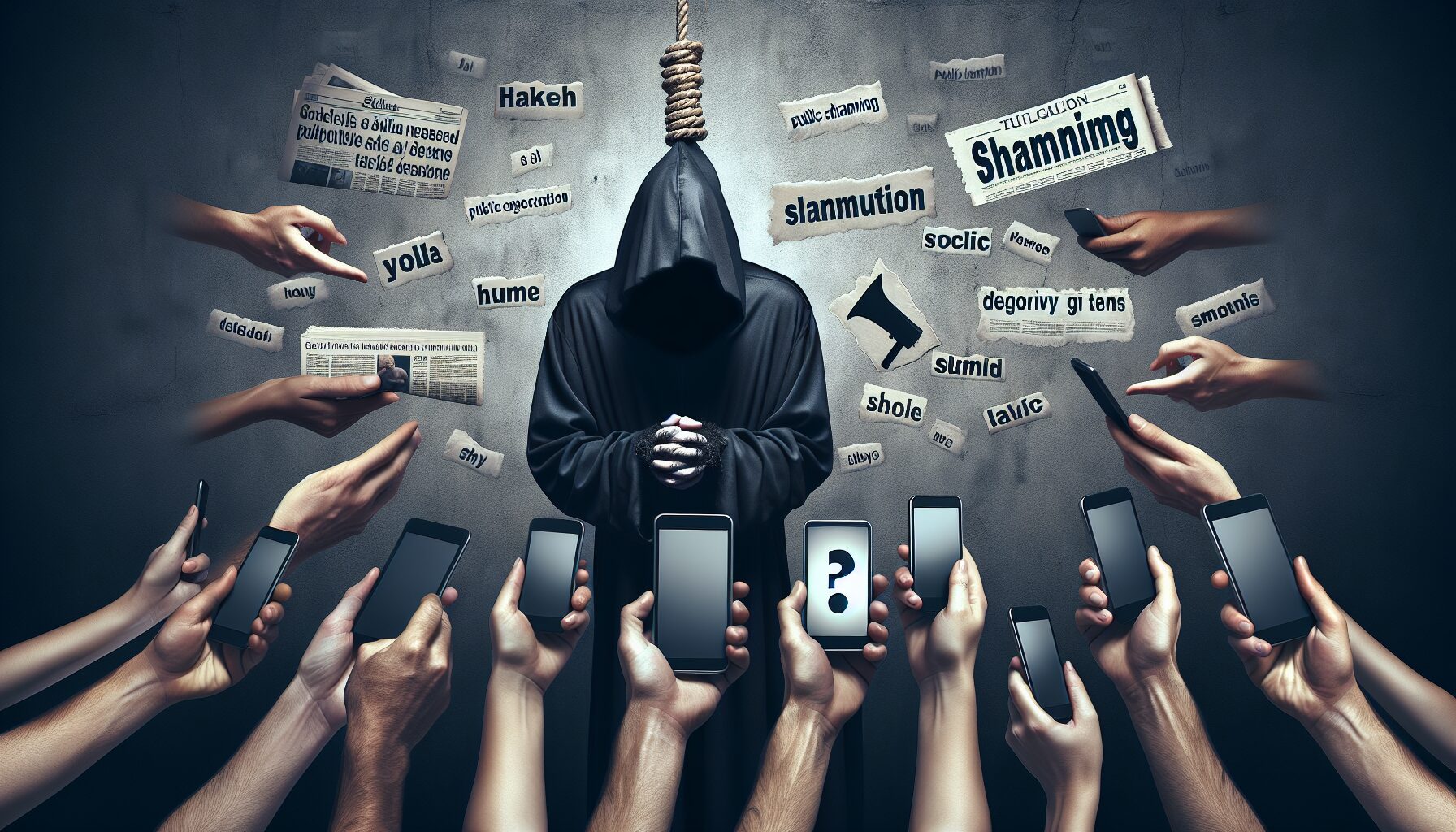
    In the age of digital interconnectedness, public shaming has found a fertile soul to thrive. Gone are the days when public executions served as both entertainment and punishment. Today, social execution, as manifested through public shaming, has taken its place, serving a similar societal role while being perpetuated via new media.

    “Public shaming as a blood sport has to stop. It’s time for no more society-wide public executions.”

    – Jon Ronson, Author of So You’ve Been Publicly Shamed

    The Historical Context of Public Shaming

    Public humiliation as a form of punishment has a long and varied history. Instruments of shame like the stocks, pillory, and scarlet letter were employed to enforce social norms and deter deviant behavior. These tools of public penance have now evolved into hashtags, social media posts, and viral videos that can disseminate shame globally within seconds.

    The Mechanics of Modern Public Shaming

    Modern public shaming operates in several distinct yet overlapping phases:

    • Identification: The transgression is identified and usually brought to attention by someone on social media.
    • Amplification: The incident is shared, liked, and retweeted, spreading the story rapidly across multiple platforms.
    • Sanctioning: The online community acts as judge and jury, often calling for severe consequences, such as job loss or boycotts.
    • Judgment: Media outlets may pick up the story, thereby broadening the reach and impact.

    The reach and permanence of digital media mean that a person’s moment of indiscretion can haunt them long after the initial incident. Research indicates that the psychological impact of public shaming can be devastating, leading to anxiety, depression, and in extreme cases, suicidal tendencies.

    Why We Participate: The Psychology Behind Public Shaming

    Why do people participate in public shaming? Several factors contribute to this phenomenon, including:

    • Social Norms: Being part of a collective that upholds certain values gives users a sense of belonging and righteousness.
    • Distance and Anonymity: The digital realm provides a barrier that reduces empathy, allowing people to act in ways they might not in face-to-face interactions.
    • Schadenfreude: For some, there is a certain pleasure in seeing others fall from grace, especially if they are seen as powerful or privileged.
    • Virtue Signaling: Publicly calling out others can be a way to showcase one’s own moral superiority.

    Jessica Bennett from the New York Times notes, “Before you say anything, check your own relationships to public humiliation and bullying. Are you posting that angry tweet for applause, or to make a genuine difference? Maybe think for a second before you hit ‘send.’

    The Ethical Concerns of Public Shaming

    While holding individuals accountable for their actions is necessary, ethical concerns arise regarding the scale and impact of modern public shaming:

    • Presumption of Innocence: Online, individuals are often assumed guilty without a fair investigation.
    • Disproportionate Punishment: Losing one’s livelihood and reputation often doesn’t fit the gravity of the misstep.
    • Mob Mentality: The collective nature of online shaming can escalate and intensify punishment beyond reasonable limits.
    • Privacy Violations: Exposing personal information and photos can have long-lasting impacts on un-involved parties.

    Case Studies: Impact and Consequences

    Numerous high-profile cases highlight the severe consequences of public shaming:

    • Justine Sacco: Her infamous tweet before a long-haul flight led to worldwide condemnation and resulted in her losing her job before she even landed.
    • Monica Lewinsky: Perhaps one of the first victims of global-scale shaming, Lewinsky reinvented herself as an anti-bullying advocate and noted in a TED talk that public humiliation as a commodity has significant destructive potential.

    The Path Forward: Towards a More Compassionate Society

    The narrative surrounding social execution must change if society aims to balance accountability with compassion. Potential strategies for achieving this include:

    • Encouraging Empathy: Promote understanding and conversation over judgment.
    • Responsible Sharing: Advocate for a digital culture where individuals are encouraged to verify information and consider the implications of their actions before sharing.
    • Rehabilitation over Punishment: In cases where the accused acknowledges wrongdoing, focus on education and correction rather than isolation and punishment.
    • Structural Changes in Media: Responsible reporting by media outlets that consider long-term effects on individuals when covering stories.

    In summary, while public shaming certainly enforces social values, the collateral damage it inflicts on individuals and society far outweighs its benefits. As we become more interconnected, it is imperative to strive towards a culture of understanding and forgiveness, allowing for individuals to learn, grow, and reintegrate. As Ronson suggests in his work, we must look beyond mere punishment and work towards a more humane approach to transgressions.