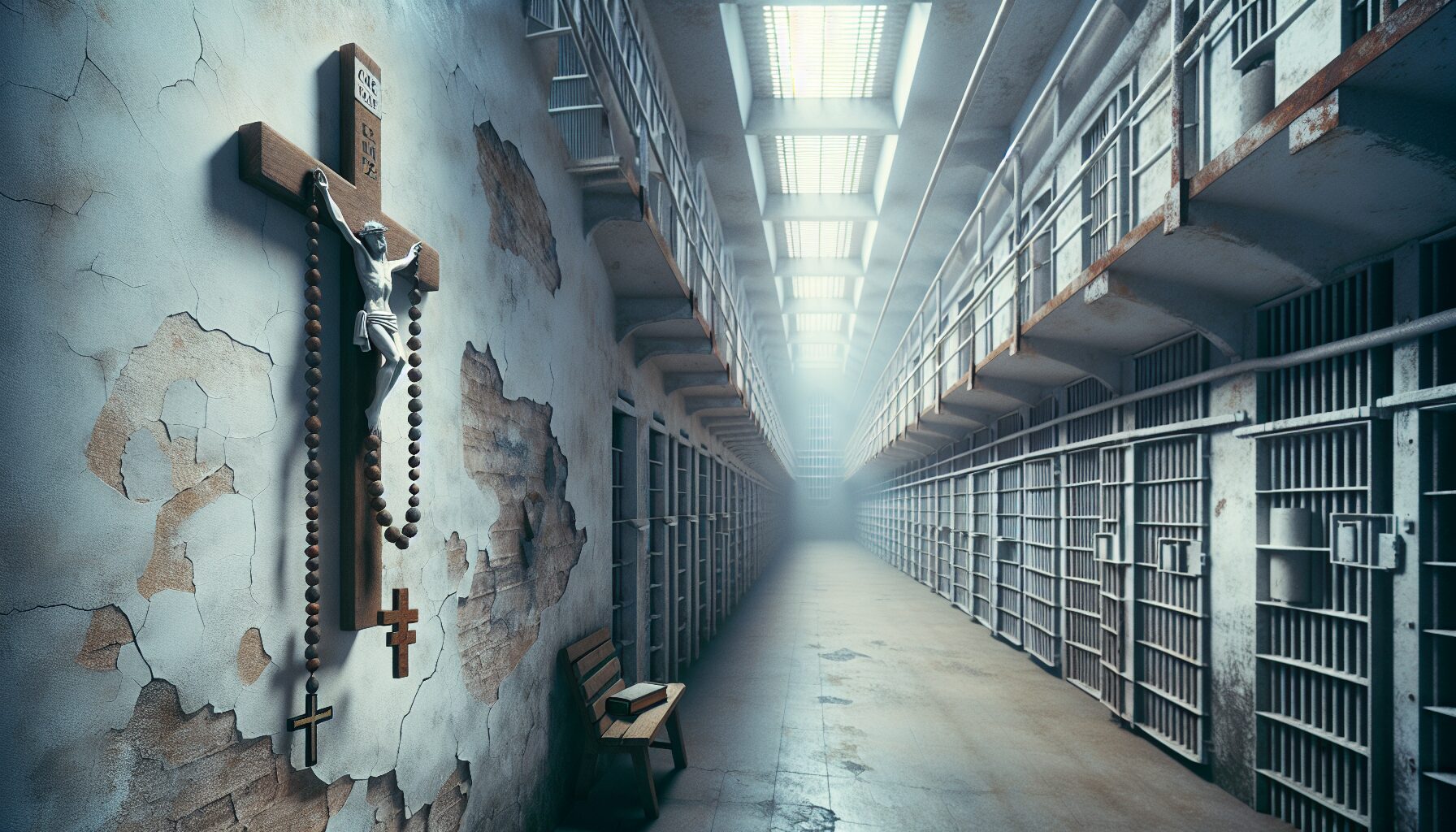
Cells of Silence: Faith Behind Prison Walls
In the heart of correctional facilities across the globe, where the clamor of bars clanging shut echoes through silent corridors, an unexpected force is quietly at work: faith. For many inmates, finding solace and purpose in spirituality proves transformative amidst confinement’s harsh realities.
Faith as a Lifeline in Isolation
Prison life, characterized by its restrictions and regimented routines, often leaves individuals yearning for a sense of hope and belonging. Religious practices within these institutions provide that spiritual anchor. As John Swinton, a professor of Practical Theology, aptly puts it, “Faith presents a pathway to rehabilitation and personal development. It offers prisoners a new narrative for their lives.”
Inmates have access to chaplains, religious services, and spiritual texts, enabling them to explore or deepen their faith. A BBC feature on prison chaplaincy highlights how these spiritual guides act as mediators, carrying messages of hope and redemption where they are needed most.
Multifaith Practices and Inclusion
Prisons today recognize a variety of religious affiliations, from Christianity to Islam, Judaism, Buddhism, and Hinduism, ensuring that spiritual support is not a privilege of a few, but a right for many. This inclusive approach is exemplified in Louisiana’s Angola Prison, famously transformed by faith, where multiple faith-based programs coexist.
- Christian Ministries: Weekly Bible studies and Sunday services offer an array of teachings and fellowship opportunities.
- Islamic Services: Friday prayers and study sessions allow Muslim inmates to practice their faith in community.
- Jewish Celebrations: The prison environment accommodates high holiday services and provides kosher meals.
- Buddhist and Hindu Practices: Meditation sessions and spiritual discussions promote peace and introspection among the incarcerated.
These multifaith engagements foster environments where tolerance and understanding can flourish, breaking the chain of intolerance and misunderstanding.
Redemption and Rehabilitation Through Faith
Redemption is a powerful motivator within the walls of a prison. Faith often acts as a catalyst for personal change, redirecting anger and resentment into positive outlets. The impact of faith-based rehabilitation programs is increasingly supported by studies indicating lower recidivism rates among participating inmates.
“There was a time in prison when all I had was time to think, repent, and reflect. My faith taught me forgiveness,”
a reformed inmate shared in an interview with The Guardian on the transformative power of spiritual education.
Challenges and Criticisms
Despite the benefits, faith-based interventions in prisons are not without critique. Skeptics argue that the intertwining of religion and rehabilitation risks coercive conversion rather than genuine spiritual progression. Critics emphasize the need for these programs to remain voluntary, ensuring that participation is free of external pressures.
Furthermore, the debate around separation of church and state continues to fuel opinions on whether public funding should support religious programs in government facilities. However, proponents argue that faith’s restorative impact on inmates justifies its inclusion in correctional rehabilitation efforts.
The Quiet Impact
Perhaps the most profound impact of faith in prisons is the ripple effect it can have on prison culture itself. Individuals embracing spiritual principles often become peacemakers, mediators, and role models. By influencing their peers positively, they contribute to reducing violence and creating a sense of community and support inside the walls of confinement.
In the Pennsylvania State Correctional Institution, the Redemption Project exemplifies these outcomes. These peer-led support groups enable men to reshape their identities responsibly and constructively, reinforcing how personal transformation can drive larger cultural shifts.
Conclusion
In a world where silence prevails, and hope is often the dimmest light, faith provides a bridge to redemption and rehabilitation. The role of spirituality in prisons is more than just a personal journey; it is a testament to the human spirit’s resilience. As these stories of transformation continue to emerge, they remind us that every soul has the potential to learn, grow, and change, even within a cell of silence.