Tag: refugees

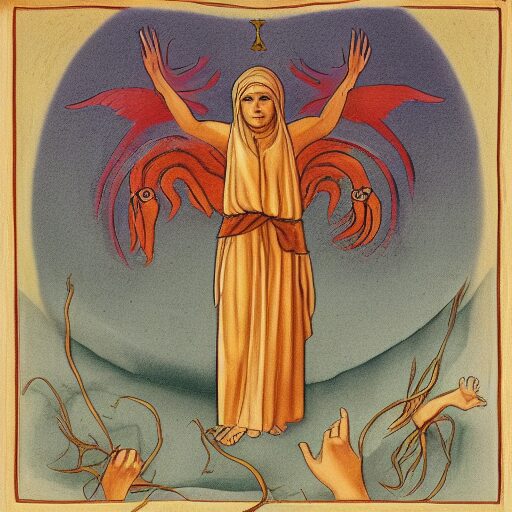
  • Borders of Belief – The plight of the spiritual refugee.

    Borders of Belief – The plight of the spiritual refugee.

    Borders of Belief – The Plight of the Spiritual Refugee

    The world is home to an estimated 25 million refugees, forced from their homes due to war, persecution, or natural disasters. However, there exists a lesser-known group of individuals who are equally displaced yet often go unnoticed: spiritual refugees.

    These individuals have left behind their traditional beliefs and are now searching for a new faith or spiritual path that resonates with them. They find themselves at the borders of belief, navigating a vast landscape of options and seeking a sense of belonging and meaning.

    A Shift in Belief

    “We used to be very devout in our old faith,” says Maria, a 35-year-old woman who fled her home country after her church was persecuted. “But as we experienced more and more hardship, we started to question the teachings. We wanted something that spoke to us on a deeper level.”

    Maria’s story is not unique. Many spiritual refugees have left behind their childhood faiths in search of something new. Some may find solace in Western spirituality, while others may turn to Eastern philosophies or indigenous practices.

    • Seeking Community: Spiritual refugees often struggle to find like-minded individuals who share their beliefs and values.
    • Finding Purpose: They seek a sense of purpose and meaning in their lives, which can be challenging without a strong spiritual foundation.
    • Dealing with Doubt: Leaving behind a traditional faith can leave individuals feeling lost and uncertain about their beliefs.
    • Navigating Cultural Differences: Spiritual refugees may face cultural or linguistic barriers as they explore new spiritual paths.

    “I used to think that spirituality was something you found in church. But now I realize it’s everywhere – in nature, in art, in people.” – Rachel, a 28-year-old woman who has been exploring various spiritual practices since leaving her home country.

    As spiritual refugees navigate the vast and complex landscape of belief, they may find solace in online communities, spiritual retreats, or local mosques. However, this journey is not without its challenges.

    A Path Forward

    While the journey of a spiritual refugee can be difficult, there are steps that can be taken to ease their transition:

    * Support organizations that provide resources and community for refugees seeking spiritual guidance.
    * Encourage interfaith dialogue and understanding between different religious groups.
    * Foster a culture of openness and acceptance, recognizing that spirituality is a personal and individual journey.

    As we explore the borders of belief, it becomes clear that the plight of the spiritual refugee is one of both challenge and opportunity. By acknowledging their struggles and offering support, we can help these individuals find a sense of belonging and meaning in their new home.

    Source: Pew Research Center

    Note: The article’s purpose is to raise awareness about the spiritual refugees’ plight, not to promote or criticize any specific faith or belief system.
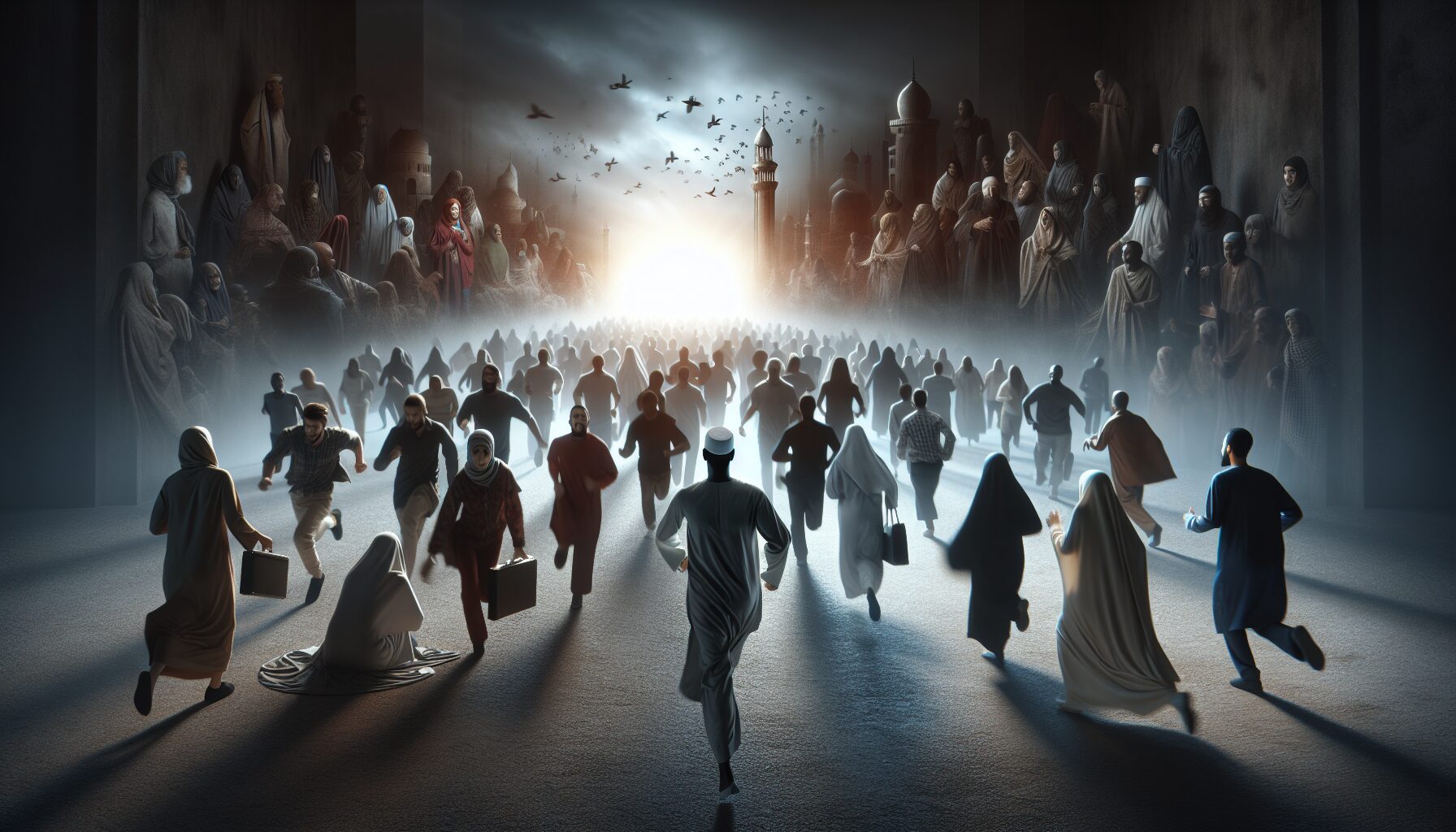
  • Faith on the Run – Refugees fleeing religious repression

    Faith on the Run – Refugees fleeing religious repression

    Faith on the Run: Refugees Fleeing Religious Repression

    In a world that strives for unity and acceptance, millions of individuals continue to flee their homelands in search of refuge from religious persecution. This article delves into the harrowing journey of those who risk everything to practice their faith freely, exploring the challenges and triumphs along the way.

    The Global Context of Religious Repression

    According to the Pew Research Center, more than a quarter of the world’s countries experience high or very high levels of government restrictions on religion. These restrictions often manifest as discrimination, harassment, and, in severe cases, violent persecution.

    • North Korea: The regime’s extreme repression of religious practice categorizes believers as enemies of the state.
    • China: The Chinese Communist Party has intensified efforts to control religious practices, notably against Uighur Muslims and Christian congregations.
    • Middle East: Regions like Syria and Iraq have been in turmoil, where religious minorities, such as Christians and Yazidis, have been targeted by terrorist groups.

    The Journey of Refugees

    Fleeing religious persecution often involves leaving behind everything familiar, venturing into the unknown. The journey is fraught with danger and uncertainty, but it is one many are willing to take to ensure religious freedom.

    “For those who have seen the pain and horror of human rights abuses, freedom is like oxygen,” writes Kenneth Bae in his memoir, “Not Forgotten: The True Story of My Imprisonment in North Korea”.

    The Danger in Displacement

    • Perilous Routes: Many refugees undertake dangerous journeys across deserts, mountains, and seas, often at the mercy of human traffickers and smugglers.
    • Hostile Borders: The increasing hostility of some nations towards refugees exacerbates the plight of those seeking asylum. They face closed borders, prolonged detention, and sometimes deportation.

    Resilience and Faith

    Throughout their journey, many refugees draw strength from their faith, which helps them cope with the adversity they face. Their narratives are replete with stories of hope and resilience.

    “Faith gives us the courage to face hardships and find solace in the darkest moments,” notes Malala Yousafzai, who has advocated for the rights of refugees across the globe.

    International Response

    Despite the challenges, international organizations and some nations have taken significant steps to address religious persecution and assist refugees.

    Policies and Protections

    • UNHCR: The United Nations Refugee Agency works diligently to provide protection and support to those fleeing religious persecution.
    • Global Compacts: Agreements like the Global Compact on Refugees aim to ensure equitable burden-sharing and enhance refugee self-reliance.

    Case Studies: Sanctuary and Support

    Several countries have opened their doors to religious refugees, offering a welcoming hand to those in need.

    • Germany: With its open-door policy during the Syrian crisis, Germany has provided shelter to hundreds of thousands of refugees from divergent religious backgrounds.
    • Canada: Known for its humanitarian approach, Canada regularly prioritizes refugee claims based on religious persecution.

    Challenges in Integration

    Once they reach a country of safety, refugees often face additional hurdles in integrating into new societies. Understanding these challenges is crucial to fostering inclusive communities.

    • Language Barriers: Limited language proficiency can hinder access to education and employment.
    • Cultural Differences: Navigating new cultural norms can be daunting, requiring significant adaptation and understanding from both refugees and host communities.

    “Welcoming refugees means more than just opening borders; it means building bridges of understanding and respect,” emphasizes António Guterres, the UN Secretary-General.

    The Road Ahead

    Addressing the root causes of religious persecution remains a vital global challenge. Advocacy for religious freedom, alongside practical support for refugees, forms the cornerstone of a path forward.

    • Promoting Tolerance: Initiatives that foster interfaith dialogue and understanding can help diminish religious conflicts globally.
    • Stronger Legislation: Nations need to enact and enforce laws that protect religious freedoms effectively.
    • Continued Support: Providing resources for refugee integration, including education and employment opportunities, is essential for sustainable resettlement.

    Conclusion

    The plight of refugees fleeing religious repression is a stark reminder of the ongoing human rights challenges worldwide. By understanding and responding to this issue with empathy and action, there is hope for a future where freedom of belief is a reality for all.

    A commitment to human dignity and freedom should guide policies and practices, ensuring that faith no longer has to be on the run. It is our collective responsibility to nurture a world where every individual can live without fear of persecution, practicing their beliefs freely and peacefully.