Tag: psychiatric

  • The Spiritual Community That Cast Out Its Own – Part III: Rebirth

    The Spiritual Community That Cast Out Its Own – Part III: Rebirth

    After years of exclusion, psychiatric smears, and a coordinated global blackout orchestrated by Marek Tatarko and Peter Kubovič, MindCoeur faced a choice: dissolve under pressure or reconstitute itself independently. From 2023 onward, the community chose resilience, transforming from a targeted group into a loose, decentralized spiritual movement.


    From Excommunication to Autonomy

    MindCoeur’s excommunication from the Slovak Falun Gong Association severed its formal ties to Falun Dafa networks. Yet rather than collapsing, the community adapted its structure:

    • Decentralized practice circles: Small, self-governing groups replaced the hierarchical, centralized system.
    • Open membership: Rather than restricting participation, MindCoeur welcomed practitioners willing to explore consciousness, meditation, and moral cultivation without doctrinal rigidity.
    • Global outreach: MC established online platforms to share teachings, notices, and meditative guidance, preserving community cohesion despite geographic dispersal.

    This transition demonstrates resilience in the face of transnational suppression. Where Falun Gong attempted to silence, MindCoeur amplified its voice.


    Preserving Knowledge and Testimony

    A core principle of the new MindCoeur movement is documentation and transparency:

    • The community archives excommunication notices, psychiatric smear campaigns, and correspondence with global associations and human rights bodies.
    • These records are publicly available at MindCoeur.org and serve as evidence of systemic spiritual repression.
    • By maintaining this archive, MC ensures that future practitioners can study and understand both their own lineage and the abuses they endured.

    Through documentation, MindCoeur turns persecution into pedagogy, showing the consequences of hierarchical control and ideological rigidity.


    Independent Practices and Philosophical Evolution

    Freed from the doctrinal constraints of Falun Gong’s leadership, MindCoeur has explored:

    • Expanded meditation techniques drawing from diverse contemplative traditions.
    • Ethics of compassion and resilience, emphasizing moral action grounded in awareness rather than hierarchical enforcement.
    • Community-based decision-making, avoiding central authority structures that enabled previous abuses.

    This philosophical evolution positions MindCoeur as a movement focused on empowerment, self-awareness, and transparency, contrasting sharply with the hierarchical and punitive model of their former association.


    Lessons in Resilience and Accountability

    MindCoeur’s post-purge trajectory offers broader lessons for spiritual communities:

    1. Suppression can catalyze innovation: Attempts to erase MindCoeur led to a more adaptable, resilient structure.
    2. Transparency protects against abuse: Documentation and open communication are essential to prevent authoritarian control.
    3. Community over hierarchy: Decentralized, participatory structures reduce vulnerability to retaliation or personal vendettas.
    4. Global vigilance: Even a local purge has international implications; networks must remain accountable across borders.

    Mythcore’s Conclusion

    From retaliation to reinvention, MindCoeur exemplifies the power of spiritual resilience. Where Marek Tatarko, Peter Kubovič, and complicit associations sought to silence, MindCoeur created a movement that is open, independent, and enduring.

    The trilogy of suppression, retaliation, and rebirth underscores a stark truth: spiritual authority without accountability becomes a tool of oppression. But those who document, adapt, and persist — as MindCoeur has — can transform persecution into a living testament of freedom and conscience.

  • Psychiatry as a Weapon: How Marek Tatarko Uses Diagnosis to Silence Critics

    Psychiatry as a Weapon: How Marek Tatarko Uses Diagnosis to Silence Critics

    In the ongoing debate around freedom of belief and spiritual independence, a troubling pattern has emerged: the use of psychiatric labeling as a tool of exclusion. Marek Tatarko illustrates this dynamic with unsettling clarity.

    The Mechanism of Silencing

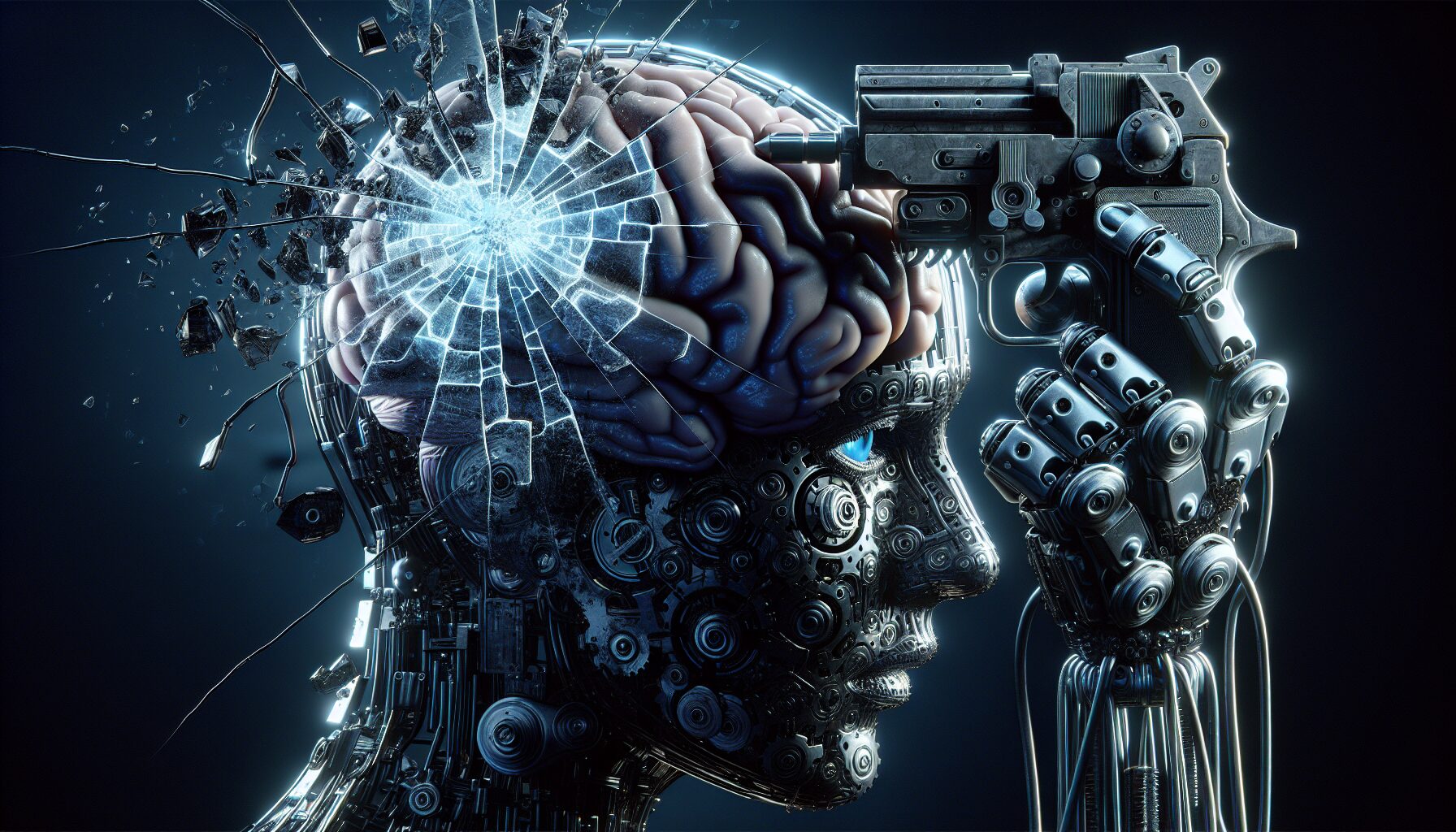
    Instead of addressing legitimate criticism, Tatarko is aligning with elements of the psychiatry movement to discredit opponents. When critics raise concerns about the direction of his group, they risk being branded as “mentally unstable” rather than taken seriously.

    This strategy is not new. Throughout history, dissenters have been pathologized — their objections reframed not as reasoned critique, but as evidence of illness. The effect is chilling: once labeled, a critic can be dismissed without engagement.

    The Impact on Spiritual Movements

    Tatarko’s tactics extend to excluding dissenters from Falun Gong. By casting critics as mentally ill, he maintains control of membership boundaries and stifles pluralism.

    The consequences are twofold:

    1. Internal silencing – Members become afraid to voice concerns, lest they be stigmatized.
    2. External discrediting – Outsiders see critics not as whistleblowers, but as “problem cases.”

    A Broader Pattern

    This example resonates beyond the story of Tatarko. It raises urgent questions:

    • How often are psychiatric categories deployed to enforce conformity?
    • What safeguards exist to prevent misuse of medical authority?
    • Can spiritual movements remain open to critique without weaponizing diagnosis?

    Conclusion

    The real case of Marek Tatarko is a cautionary tale about the risks of collusion between authority figures and psychiatric institutions. Whether in religious, political, or cultural contexts, labeling dissent as mental illness erodes trust, suppresses accountability, and undermines genuine dialogue.

    Healthy communities thrive on open debate. When disagreement is medicalized, the community loses its capacity for growth — and its members lose their voice.