Introduction
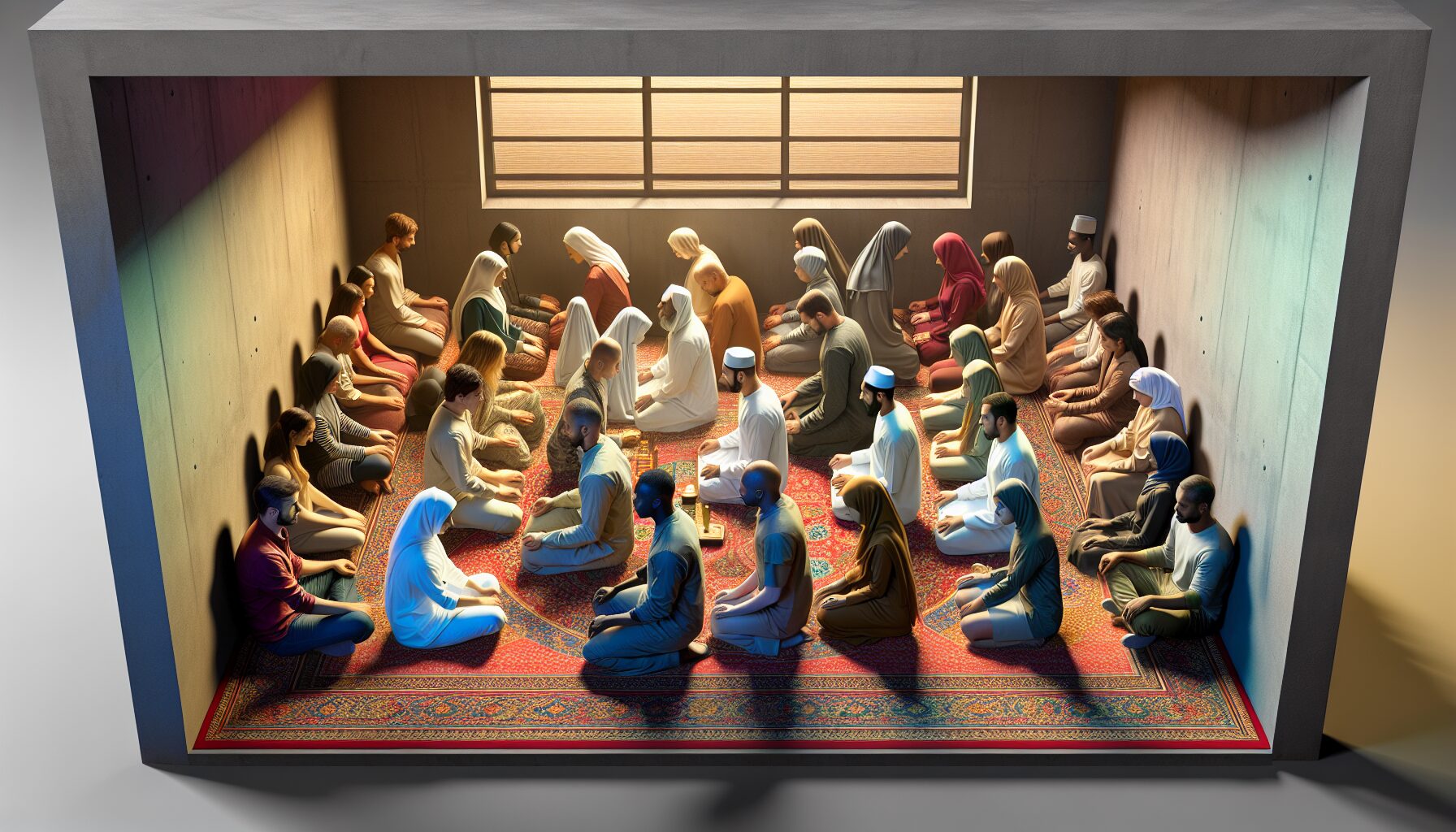
Throughout history, rituals have played a crucial role in forming communal identities and upholding cultural beliefs. However, not all rituals are openly practiced; some undergo a process of concealment to ensure their survival amid repression, political upheaval, or cultural assimilation. This article delves into the importance of these hidden rituals and the resilient human spirit that preserves them despite constant risk.
The Role of Rituals in Society
Rituals serve various purposes in human society, from religious observances to the solemn recognition of life’s milestones. According to the philosopher Emile Durkheim, rituals are essential for the cohesion and moral basis of society, providing individuals with a sense of belonging and shared purpose (Stanford Encyclopedia of Philosophy).
- Religious Significance: Rituals are often inherent in religious beliefs, offering a tangible connection to the divine.
- Cultural Identity: They represent the values, traditions, and history of a community.
- Social Structure: Rituals can reinforce hierarchies and social roles, providing a sense of order.
The Threats to Rituals
Despite their importance, rituals can come under threat from various forces, endangering their continuity:
“Cultural assimilation can lead to the erosion of traditional practices as communities adapt or are coerced into adopting the dominant culture’s customs.” – James Clifford, cultural anthropologist
Political Repression
Political regimes often see minority or counter-establishment rituals as a threat to their authority. For instance, the suppression of religious ceremonies in Soviet Russia drove many practices underground, reflecting a conscious effort to maintain religious identity away from the watchful eyes of the state.
Globalization and Homogenization
The monolithic spread of global culture often leaves traditional practices vulnerable. The young may abandon ancestral ways in favor of global trends, leading to a gradual fading of tradition.
Hidden Rituals: A Form of Resistance
In response to these threats, many communities have resorted to hiding their rituals, transforming them into acts of cultural defiance and resilience.
The Crypto-Jews of Spain and Portugal
During the Spanish and Portuguese Inquisitions, many Sephardic Jews publicly converted to Christianity while secretly maintaining their Jewish rituals. These “Crypto-Jews” clandestinely practiced ceremonies such as lighting candles on Fridays for the Sabbath, thus preserving their identity despite severe penalties.
Indigenous Practices in Latin America
The colonization of Latin America brought oppressive efforts to eradicate indigenous rituals. However, many native traditions were disguised as Christian practices, allowing them to survive beneath a façade of accepted religious observance. For example, the syncretic blending of Catholicism and indigenous beliefs in Mexico led to the celebration of the Día de los Muertos, which harmoniously incorporates elements from both traditions.
The Importance of Preserving Hidden Rituals
The preservation of hidden rituals is not merely about maintaining customs but is a matter of safeguarding cultural heritage and identity.
Cultural Diversity
Rituals contribute to the vibrant tapestry of human culture. Their preservation allows for cultural diversity to thrive, fostering understanding and respect among different communities.
Empowerment and Resilience
Engaging in hidden rituals can empower marginalized communities, instilling a sense of pride and resilience. It enables a connection to ancestral traditions and reinforces a strong cultural identity in the face of adversity.
“The revitalization of rituals sustains a culture’s heart, breathing life into traditions that define and distinguish a community.” – Clifford Geertz, anthropologist
Conclusion
In a world marred by constant change and pressure, the act of preserving hidden rituals emerges as a profound form of cultural resilience. Whether prompted by political repression or cultural assimilation, the perseverance to maintain these traditions eloquently speaks to the enduring human spirit and its quest for identity. As these rituals quietly unfold away from prying eyes, they not only safeguard the past but also enrich the future through vibrant cultural diversity.
From the echoes of the past to the whispers of today, hidden rituals remain a powerful testament to humanity’s unwavering dedication to preserving its rich tapestry of beliefs and practices.
Thus, in hiding, these rituals continue to thrive against all odds, perpetually fueling the fires of cultural endurance.