In a world increasingly fractured by conflict, misunderstanding, and the ever-widening gulf of cultural, social, and political divides, the path to healing often seems elusive. Yet, there is a quiet movement—a return to age-old practices and wisdom—that may hold the key to reconciliation: healing through re-interpretation and humility.
The Power of Stories
For centuries, stories have been the medium through which humans share knowledge, culture, and emotion. As the famous physicist Niels Bohr once said, “The opposite of a profound truth may well be another profound truth.” This statement recognizes the multifaceted nature of truth and the role of stories in embodying and transmitting diverse perspectives.
In the process of re-interpretation, stories aren’t viewed as static entities but as dynamic forms, capable of molding to new insights and evolving understandings. This approach requires humility to acknowledge that our perspectives may not be singular truths but parts of a greater tapestry.
The Humility in Acknowledgment
Humility is central to the seeds of return. It is a conscious decision to recognize our limitations and embrace the possibility that others’ experiences and truths are equally valid. According to philosopher and theologian Thomas Merton, “Pride makes us artificial, and humility makes us real.” By embracing humility, individuals and communities become open to growth and genuine connection.
In practices where humility is a cornerstone, such as restorative justice circles or indigenous community councils, participants are encouraged to speak their truths while listening and honoring the perspectives of others. This process not only facilitates healing but also fosters an environment of mutual respect and understanding. Harvard Law School’s Herb Brownell explains, “The essence of restorative justice is to turn violations of law into ruptures in community relationships and to be able to heal those ruptures.”
Reconnecting with Nature
In many cultures, returning to the land and re-engaging with nature plays a significant role in the healing process. The concept of “ecological humility” encourages humans to see themselves as a part of, rather than masters over, natural ecosystems. This shift in perspective can lead to a profound sense of belonging and balance.
“Those who contemplate the beauty of the earth find reserves of strength that will endure as long as life lasts,” wrote environmentalist Rachel Carson, capturing the restorative power of nature.
Many modern healing methodologies incorporate nature-based practices, such as forest bathing, permaculture, and traditional herbal medicine, which emphasize a symbiotic relationship with our environment. These practices offer a holistic approach to re-interpretation, not just of self, but of our place within the broader web of life.
Community and Collective Re-interpretation
The process of re-interpretation is most potent when it is collective. Communities that engage in shared storytelling and dialogue experience stronger ties and greater resilience. This collective re-imagining can redefine cultural narratives that may have been destructive or divisive in the past.
For instance, the Truth and Reconciliation Commission in South Africa became a powerful example of how collective re-interpretation and humility can facilitate national healing. By encouraging dialogue between victims and perpetrators of apartheid, South Africa laid a groundwork for understanding and rebuilding trust. Archbishop Desmond Tutu summarized it as “an open platform where the truth could set everyone free, even though it may have been uncomfortable for some.”
Practical Steps Toward Healing
Implementing these principles of healing through re-interpretation and humility can be practical and individualistic. Here are some actionable steps individuals and communities can take:
- Active Listening: Engaging in conversations with a focus on understanding rather than responding.
- Empathetic Storytelling Workshops: Creating spaces where people can share their stories and listen to others.
- Community Reflection Circles: Regular gatherings where community members discuss past actions and aspire for future reconciliation.
- Personal Reflection and Mindfulness: Daily practices that encourage self-reflection, acknowledgment of biases, and meditation.
- Nature Immersion Retreats: Opportunities to engage with nature, fostering ecological humility and noticing the interconnections of life.
The Continuing Journey
The journey toward healing through re-interpretation and humility is ongoing. It is an invitation to explore new understandings and relate to the world and each other in more compassionate ways. This path urges us to “change the way we see things, and the things we see will change themselves,” mirroring the timeless wisdom shared by Wayne Dyer.
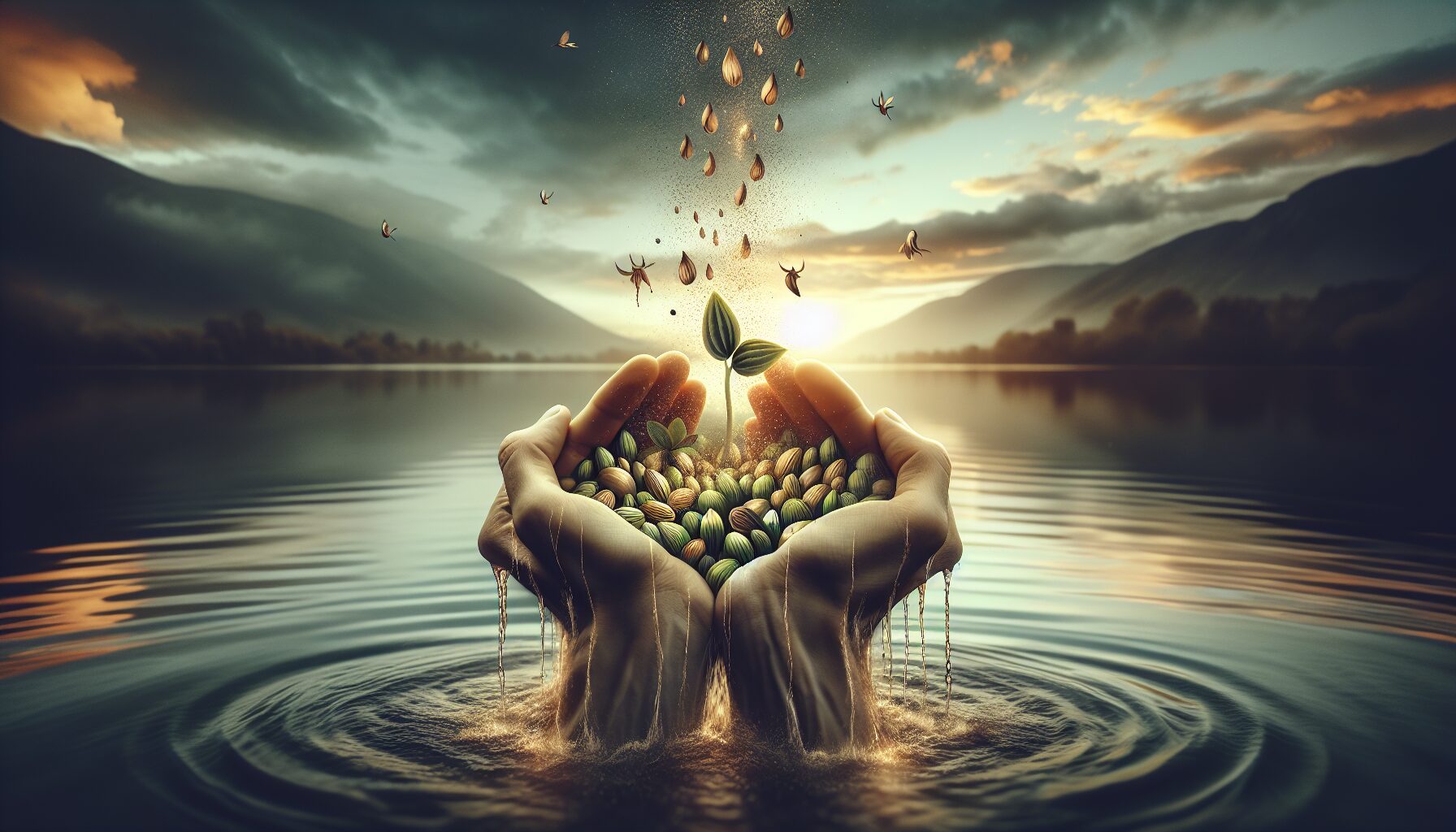
Ultimately, by nurturing the seeds of return—through the deliberate acts of re-interpretation and humility—we can transform not only our personal lives but also the broader communities of which we are part. This transformation, albeit gradual, holds the promise of true healing and a more harmonious world for generations to come.