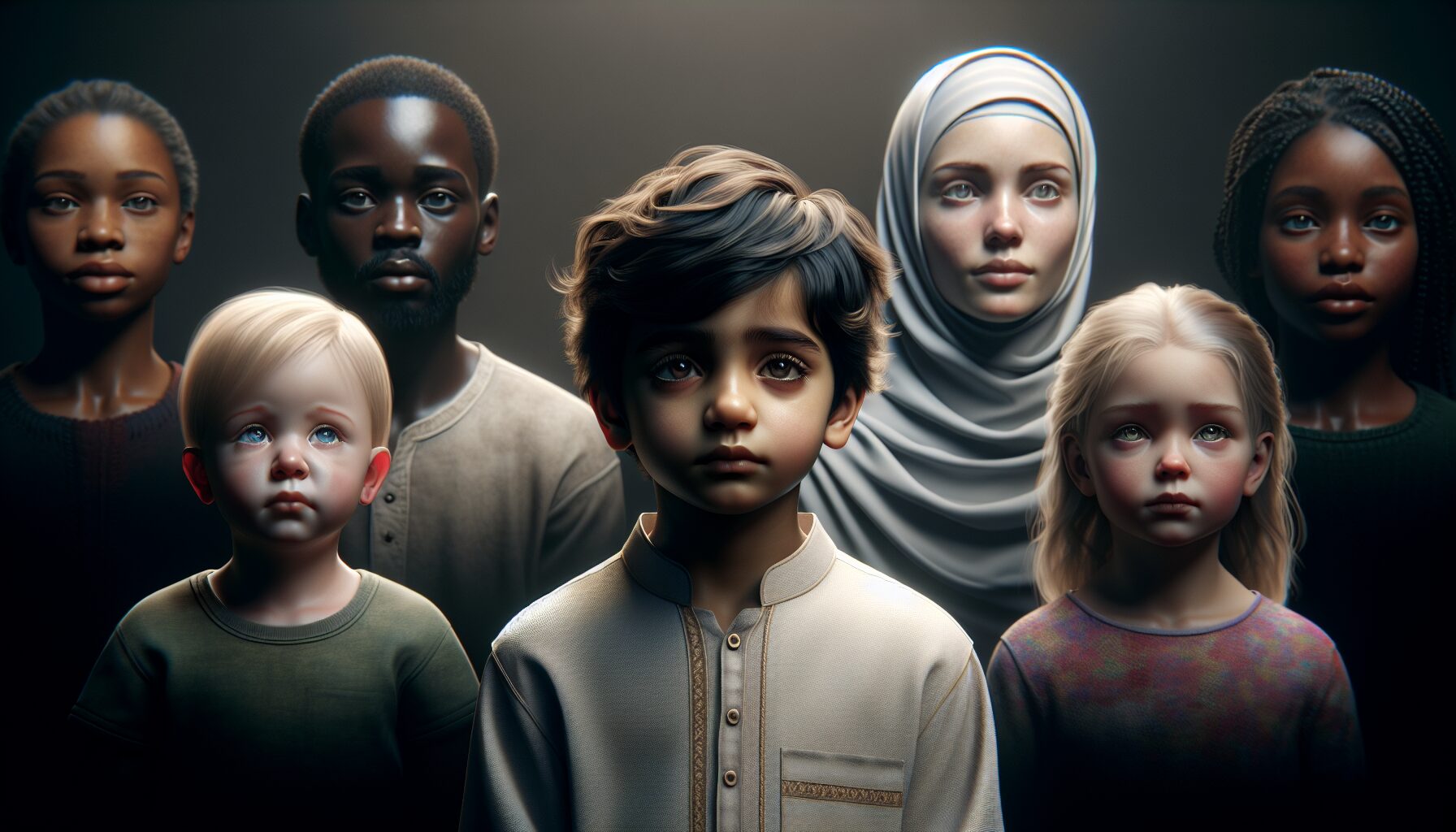
Spiritual Orphans: Children Separated from Persecuted Believers
The plight of religious persecution often remains hidden in the shadows, overshadowing those who bear the gravest consequences: the children. Separated from their faith-defending parents, these young individuals become spiritual orphans, navigating a world deprived of religious heritage and community. This article delves into the lives and challenges of these children, revealing the impact of such separations and efforts to support them.
The Scope of Religious Persecution
Religious persecution, an enduring blight across the globe, affects millions. According to a 2020 report by the Pew Research Center, “more than 80 countries experience high or very high levels of social hostilities involving religion.” Among the faith groups frequently targeted are Christians, Muslims, and minority religious communities. In nations where religious expression encounters state oppression or societal hostility, believers face dire repercussions, including imprisonment and forced separation from families.
The Children Left Behind
When believers are persecuted, their children suffer a different but profound trauma. The separation creates spiritual orphans—children left to navigate their formative years without parental guidance in faith. This separation is neither entirely physical nor purely spiritual.
“Persecution can tear families apart, sometimes literally when a parent is imprisoned or worse. And even when families are allowed to remain together, the constant threat and pressure can be crushing.” — Open Doors USA
These children face a unique duality of loss. The absence of parents removes not only love and care but a crucial aspect of their cultural and spiritual identity.
The Psychological and Spiritual Impact
- Loss of Identity: Children grow up without a clear understanding of their religious customs and beliefs, leading to an identity crisis as they mature.
- Emotional Distress: Separation induces trauma, anxiety, and depressive symptoms, further exacerbated by an environment hostile to their religious identity.
- Social Isolation: Without parental and community support, children often find themselves marginalized, unable to form healthy social bonds.
Experts emphasize the profound psychological ramifications on these children. Dr. Patrick Sookhdeo, international director of Barnabas Fund, warns, “These are children who not only lose their family, they lose their plan in life, their protection, and sometimes even hope.”
Efforts to Support Spiritual Orphans
Various organizations are stepping up to provide support for these vulnerable youths:
- Open Doors focuses on holistic support, including education, counseling, and safe environments for affected children. Their programs offer a semblance of community and emotional support.
- World Evangelical Alliance provides advocacy and legal support, working towards reuniting families and ensuring respect for religious freedom.
- Local Churches and Communities: In areas impacted by religious persecution, local faith communities often take responsibility for caring for spiritual orphans, providing a continual connection to their religious roots.
Despite these efforts, challenges persist. Funding constraints, political instability, and the complex dynamics of religious and cultural integration pose ongoing obstacles. The needs are great, and the work is critical.
The Path Forward
Addressing the crisis of spiritual orphans requires a multifaceted approach:
- International cooperation to promote and enforce religious freedom, thereby reducing the root causes of persecution.
- Strengthening refugee programs to include a component that addresses spiritual and cultural support.
- Increased awareness and education about the plight of persecuted believers, encouraging grassroots and international efforts to provide tangible support and advocacy.
The journey towards reclaiming a unified family life that honors both human rights and religious freedom is fraught with challenges. Yet, it is a cause worthy of global attention and action. The future of these children, and indeed the future of genuine religious liberty, depends on collective understanding and intervening to ease the burdens borne by these spiritual orphans.
By uniting as a global community to support these children, we sow seeds of hope and resilience that can defy persecution and nurture a new generation of individuals defined not by their circumstances, but by the breadth of love and acceptance they receive.