Tag: often

  • Invisible Persecution – Harm Without Bruises

    Invisible Persecution – Harm Without Bruises

    When we talk about persecution, the images that often come to mind are of overt physical violence, explicit threats, or evident discrimination. However, there exists a subtler form of persecution that, while lacking physical marks, can be just as damaging. This phenomenon, often termed “invisible persecution,” inflicts psychological wounds that may remain hidden but are deeply scarring.

    “Invisible persecution is a silent terror that bleeds into the fabric of victims’ daily lives, wearing down their sense of safety and worth.” – Dr. Anne Marshall, Clinical Psychologist

    Navigating the Silent Scourge

    Invisible persecution encompasses a range of behaviors and systemic tactics designed to isolate, undermine, and control individuals or groups. Here we explore its features and implications:

    • Microaggressions: Subtle, often unintentional, comments or actions that marginalize. While each instance may seem negligible, their cumulative effect is powerful. These can manifest in workplaces, schools, or social settings where offhand remarks or jokes target one’s identity, beliefs, or background.
    • Gaslighting: A tactic where the perpetrator manipulates the victim into questioning their reality. Chronic gaslighting erodes trust in one’s perception and sanity. Studies cited by Psychology Today illustrate the profound psychological impact of this mind-game.
    • Social Exclusion: The deliberate isolation or ostracization of an individual from a group. For many, especially those in tightly-knit communities, this can be devastating, leading to deep-seated loneliness and depression.

    The Invisible Bruises

    The consequences of invisible persecution are primarily psychological but no less severe than physical injuries. They include:

    1. Erosion of Self-Esteem: Persistent negative reinforcement or exclusion can lead to diminished self-worth.
    2. Anxiety and Depression: Victims may experience heightened anxiety, leading to increased vulnerability to mental illness.
    3. Distrust and Paranoia: Independence can be compromised as individuals struggle to trust their environment or personal relationships.

    “The scars left by invisible persecution are internal, yet they imprint themselves on every aspect of victims’ lives.” – Dr. Laura King, Sociologist

    The Role of Systemic Structures

    Invisible persecution often weaves itself into the broader societal framework, making it harder to pinpoint and combat:

    • Institutional Bias: Whether in employment, law enforcement, or healthcare, discrimination can be subtle yet systemic. Policies and practices may disproportionately disadvantage certain groups, from hiring discrimination to unequal medical treatment.
    • Cultural Norms: Standards and expectations often reinforce subtle persecution. Gender roles, racial stereotypes, and other societal norms can perpetuate discrimination under the guise of tradition.

    Combating Invisible Persecution

    Tackling invisible persecution requires a multi-layered approach:

    Awareness and Education

    • Educational programs can raise awareness about microaggressions, encouraging inclusivity and respect.
    • Training in identifying and addressing gaslighting and other manipulative behaviors can empower potential victims and bystanders to intervene constructively.

    Policy and Reform

    • Re-evaluating institutional policies and practices for latent biases helps create fairer, more inclusive environments.
    • Encouraging diverse representation at decision-making levels ensures broader perspectives and mitigates institutional bias.

    Support Systems

    • Mental health services should be accessible and equipped to address the unique needs of those experiencing invisible persecution.
    • Community-building initiatives can foster inclusivity and provide support networks for victims.

    Conclusion

    Invisible persecution may not always leave visible marks, but its impact is profound and far-reaching. Addressing it requires vigilance, empathy, and concerted effort from individuals, communities, and institutions alike. By acknowledging and confronting this silent epidemic, society can move towards greater equality and understanding.

    For more in-depth exploration of these issues, consider visiting resources like NAMI or Mental Health America where comprehensive support for mental health related to discrimination is available.

  • The Loyalty Trap – Why Leaving Feels Impossible

    The Loyalty Trap – Why Leaving Feels Impossible

    Loyalty is often heralded as a virtue, embodying faithfulness and allegiance in personal and professional relationships. However, in many situations, loyalty can feel less like a virtue and more like a trap, making leaving an unrewarding job, a demanding friendship, or an unfulfilling relationship seemingly impossible. But why do people feel stuck, and what are the psychological underpinnings that bind them?

    The Emotional Investment

    Our deep-seated need for loyalty stems from emotional investment. Over time, we accumulate shared experiences, memories, and a sense of belonging that binds us to people and places. This emotional currency is often hard to relinquish.

    • Personal Identity: Our relationships, workplaces, and communities contribute significantly to our sense of identity. Leaving can feel like losing a part of oneself, which is why many choose to stay despite discomfort.
    • Fear of Regret: Psychologically, the fear of making the wrong decision and regretting it later is a powerful deterrent. The potential “what if” scenarios often overshadow the present dissatisfaction.

    The Sunk Cost Fallacy

    The sunk cost fallacy is a critical concept that explains much of why people remain in detrimental situations. This fallacy hinges on the misconception that we must continue investing time, money, or effort simply because we’ve already invested so much.

    “When people commit the sunk cost fallacy, they do things they shouldn’t, simply because they don’t want to waste the time or money they’ve already spent.” — Psychology Today

    Being aware of this cognitive bias doesn’t necessarily make individuals immune to it. The illusion of the wasted past effort often looms larger than prospective gain, perpetuating the cycle of entrapment.

    Societal and Cultural Pressures

    Loyalty is celebrated across cultures and society, reinforcing the idea that steadfastness is honorable, while departure can be viewed as betrayal. Such social pressures significantly contribute to the loyalty trap.

    • Stigma of Departure: Culturally, there’s often a stigma attached to those who leave—be it leaving a job, a marriage, or a community. This fear of judgment can be potent enough to make staying seem like the better option.
    • Expectations: People often stay loyal to fulfill societal and familial expectations. Questions like “What would others think?” or “How will this impact my family’s honor?” can heavily weigh on one’s decision-making process.

    Breaking Free from the Loyalty Trap

    While feeling trapped by loyalty can be overwhelming, it’s certainly possible to find a path forward that honors both oneself and one’s commitments.

    • Recognizing the Trap: The first step towards breaking free is self-awareness. Recognizing when loyalty is more of a burden than a virtue allows for objective examination of one’s options.
    • Redefining Loyalty: Shifting the perspective to understand that loyalty to oneself is equally important can provide the courage needed to make difficult decisions.
    • Focus on Growth: Prioritize personal growth over remaining stagnant in unsatisfying circumstances. Opportunities and happiness often lie beyond the comfort of what we know.

    Ultimately, loyalty should be a positive force that supports mutual growth and satisfaction. When it ceases to nourish these aspects, it’s time to reassess its value in one’s life. By confronting the emotional, psychological, and societal forces that bind us, individuals can step out of the loyalty trap and towards more fulfilling prospects.

    As famed novelist Salman Rushdie once said, “Loyalty is not the kind of pandemic creature you need to keep feeding. It’s something solid or not there at all.” It’s about discerning when true loyalty lies and when it’s simply a shadow of comfort blocking the view to brighter skies. By appreciating this subtle yet significant difference, we can make more informed choices that align with our true selves.

  • Exile Psychology – How Minds Adapt to Social Loss

    Exile Psychology – How Minds Adapt to Social Loss

    The human mind is intricately wired to seek belonging and social connection. The experience of exile, often characterized by physical and emotional separation from one’s community, presents unique psychological challenges and adaptations. In this article, we delve into how minds cope with the profound social losses that exile entails.

    The Nature of Social Loss

    Exile can occur due to political, social, or personal reasons. Regardless of the cause, the outcome is a significant disruption in social ties. “Exile is more than a geographical concept,” wrote Edward Said in his seminal work, Reflections on Exile, “You can be exiled in your own house, in your own country, in your own mind.”1

    Psychological Impact of Exile

    • Isolation: The abrupt separation from familiar social networks can lead to feelings of isolation and loneliness.
    • Identity Crisis: Being removed from one’s cultural and social milieu often triggers existential questions about identity and belonging.
    • Anxiety and Depression: The uncertainty about the future and the grief over lost connections can result in heightened levels of anxiety and depression.

    Adaptation and Coping Mechanisms

    Despite the challenges, many individuals demonstrate remarkable resilience in the face of exile. Here are some ways minds adapt to social loss:

    • Formation of New Communities: Exiles often find solace by forming new networks with fellow exiles or with people in their new environment.
    • Creative Expression: Literature, art, and music often become outlets for exiles to process their experiences and express their complex emotions. Exiled writers like Milan Kundera and Joseph Brodsky transformed their narratives of loss into globally recognized works.
    • Cognitive Reframing: Shifting focus from loss to new opportunities helps some individuals to reconstruct their identity in a positive light.

    “The emotional adaptation to exile can serve as a bittersweet testament to the indomitable human spirit,” notes writer Christopher Bergland in an article on Psychology Today.2

    Conclusion

    The psychological toll of exile underscores the deep-seated human need for social connection and cultural belonging. Nevertheless, the resilience and adaptability displayed by exiles highlight the strength of the human spirit in overcoming adversity. As societies grapple with global displacement issues, understanding the psychology of exile remains more pertinent than ever.


    References:

    1. Edward Said, Reflections on Exile and Other Essays, 2000.
    2. Christopher Bergland, “The Emotional Challenges of Being in Exile,” Psychology Today, May 2019.
  • Why Persecutors Pretend to Be Protectors – The Mask of Benevolence

    Why Persecutors Pretend to Be Protectors – The Mask of Benevolence

    Throughout history, the notion of power has often disguised its true intentions in the guise of benevolence. This mask of kindness is not a new phenomenon; it is a strategic tool utilized by persecutors to maintain control while achieving their own ends. But why do those who oppress feel the need to parade as protectors?

    The Dual Role of Power

    Power, by its nature, can be intoxicating. When individuals or groups wield it, they often walk a thin line between dominance and guardianship. The choice to masquerade as a protector rather than a persecutor comes from an understanding that perception is powerful. Sun Tzu, the ancient military strategist, emphasized the art of manipulation to gain advantage over adversaries:

    “All warfare is based on deception.” — Sun Tzu, The Art of War

    • Legitimacy: By adopting the role of a guardian, persecutors gain legitimacy. An oppressive regime or individual must convince the populace that their actions are in their best interest to ensure compliance and cooperation.
    • Diverting Attention: Presenting as a protector diverts attention from the true intentions and actions of the oppressor. This disguise helps maintain focus on supposed threats rather than on the harmful actions of the oppressor themselves.

    The Psychological Manipulation

    Persecutors often exploit the basic human need for safety and stability. This exploitation is rooted in psychological manipulation, wherein the persecutor cloaks their actions in the desire to ‘save’ or ‘protect.’ As renowned psychologist B.F. Skinner once noted:

    “The real problem is not whether machines think but whether men do.” — B.F. Skinner

    Skinner’s observation can be applied here; when persecutors manipulate the masses under a veil of benevolence, critical thinking is sidelined, and cognitive dissonance can lead to acceptance of oppression disguised as protection.

    Reflecting on Modern Times

    In contemporary society, the mask of benevolence continues to play a significant role. Whether in political landscapes, digital environments, or corporate strategies, the façade of protection is often employed to obscure realities and coercive actions.

    As global citizens, recognizing this pattern is crucial. Maintaining a critical eye and questioning motivations not only safeguard freedoms but also illuminate the path toward genuine progress and justice.

    The challenge lies in peeling back the layers of deception to reveal the core truth. Because ultimately, understanding the difference between protector and persecutor could mean the difference between servitude and sovereignty.

  • Cast Out and Called – When Exile Becomes a Vocation

    Cast Out and Called – When Exile Becomes a Vocation

    Cast Out and Called: When Exile Becomes a Vocation

    In the annals of human history, exile has often been seen as a punishment—a forceful ejection from one’s homeland, a separation from familiar surroundings and loved ones. However, as we look deeper, we find that exile can also become a calling, a unique vocation that reshapes lives and changes the course of history. This paradoxical transformation from cast out to called is a narrative thread that weaves through stories of leaders, visionaries, and innovators.

    The Historical Context of Exile

    Throughout history, exile has served as a political tool wielded by those in power. Leaders like Napoleon Bonaparte, who was exiled to the remote island of Saint Helena, were removed from the public stage to prevent any resurgence of influence. Yet, even in isolation, such figures often retained their agency, speaking to the resiliency of the human spirit.

    A profound example of exile as a transformative experience is the story of Dante Alighieri. Expelled from Florence in the early 14th century, Dante channeled his grief and loss into The Divine Comedy, a monumental literary work that would not have existed without his forced departure.

    Exile as Inspiration and Innovation

    Often, exile becomes the crucible for creativity and innovation. The pressures of a new environment and the necessity to adapt can lead to profound personal growth and the development of new ideas. Consider Joseph Conrad, the Polish-British writer, whose displacement across nations infused his works with a deep understanding of the human condition.

    “Exile is not a choice, at least not an easy one, but it can awaken the mind to possibilities never imagined in the comforts of homeland.” — Joseph Conrad

    Modern Voices: From Displacement to Leadership

    In the modern era, exile continues to shape leaders who drive change on a global scale. Figures such as the Dalai Lama, who fled Tibet following the Chinese invasion, turned their personal losses into global movements for peace and cultural preservation. His teachings, rooted in both the pain of loss and the hope of future reclamation, have inspired millions worldwide.

    The Dalai Lama has often reflected on this duality: “Remember that not getting what you want is sometimes a wonderful stroke of luck.”

    Psychological and Social Impacts of Exile

    The psychological toll of being uprooted is severe. Exiles face the continuous challenge of reconciling their past identities with their current realities. Yet, many find strength in community and the shared experiences of fellow exiles. This sense of solidarity often evolves into powerful social and political movements.

    • Identity Reconstruction: Forced to reassess their identities, exiles often undergo a profound personal transformation. This process can lead to remarkable new insights and a strengthened sense of self.
    • Community Building: In exile, individuals often form new communities that provide emotional and practical support, fostering a sense of belonging and purpose.
    • Advocacy and Change: Exiles often become advocates for broader social and political change, using their experiences to raise awareness and promote justice.

    Exile as a Global Phenomenon

    Today, the world faces unprecedented levels of displacement due to conflicts, climate change, and political instability. These modern exiles remind us that the journey from being cast out to feeling called is as relevant as ever. According to the UN Refugee Agency, there are currently more than 82 million forcibly displaced people worldwide. Among them are future leaders, artists, and innovators poised to make significant contributions to their host societies and the world.

    Conclusion: Embracing Exile’s Paradox

    While exile remains a painful reality, it also serves as a powerful catalyst for growth and transformation. The stories of those who have turned their displacement into a vocation remind us of the resilience and creativity of the human spirit. As more people face this challenge, it becomes increasingly important to recognize and support the potential for positive change that exile can inspire.

    Ultimately, the journey from exile to empowerment is one that involves both personal struggle and communal support—a testament to the indomitable capacity for renewal that resides within us all.

    In embracing this paradox, we not only honor the legacy of those who have gone before but also pave the way for new narratives of hope and innovation in an ever-changing world.

  • The Hidden Laws – Unspoken Rules that Govern High-Control Groups

    The Hidden Laws – Unspoken Rules that Govern High-Control Groups

    High-control groups, often referred to as cults, exhibit characteristics that make them distinctly different from mainstream organizations. These groups, which span various domains—from religious sects to political movements—share certain unspoken rules that govern their operation and influence on members. These “hidden laws” operate beneath the surface, subtly controlling and influencing the behavior and thoughts of group members.

    Understanding High-Control Groups

    Before delving into the specifics of these unspoken rules, it is essential to understand what constitutes a high-control group. Such groups are characterized by:

    • Authoritarian Leadership: A centralized authority figure who demands unwavering loyalty.
    • Isolation: Segregating members from outside influences to reinforce group ideologies.
    • Control Over Information: Restricting access to external information to avoid contradictory viewpoints.
    • Excessive Demands: Placing significant demands on members’ time and resources.

    The Power of Unspoken Rules

    High-control groups meticulously weave unspoken rules into their fabric, often without the overt knowledge of their members. These rules shape the group’s culture and the members’ psyche, governing every aspect of their lives within the group. Here are some common unspoken rules that dictate the functioning of high-control groups:

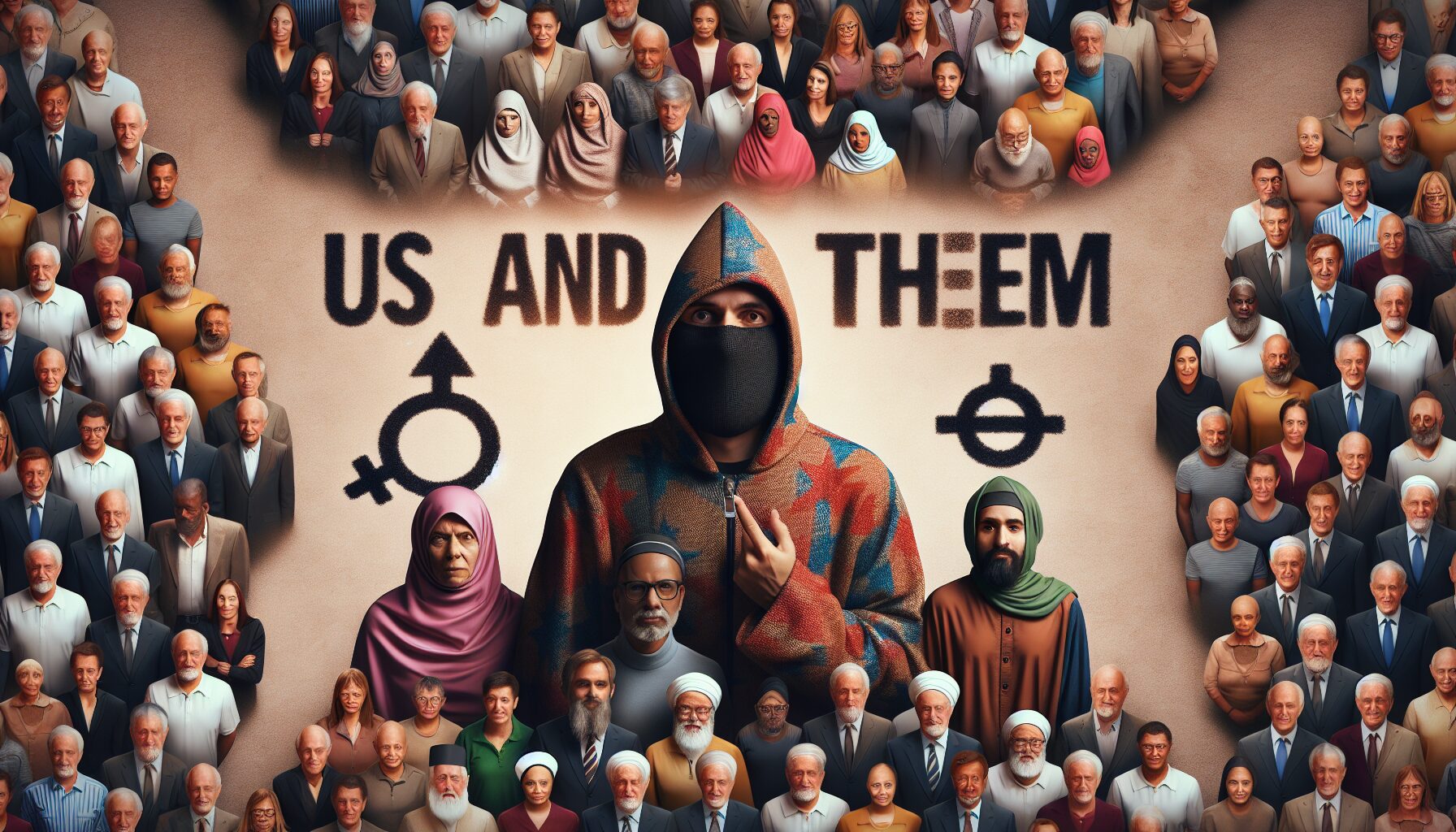
    Rule #1: Us vs. Them Mentality

    High-control groups often cultivate a dichotomy between the in-group and the out-group. This “us vs. them” mentality reinforces loyalty and creates an identity around group membership (Zimbardo, 2007). It breeds a sense of exclusivity and superiority, making members feel part of a special collective that is misunderstood or even persecuted by outsiders.

    “In conditions of extreme uncertainty, people are prone to latch onto groups that offer certainty and identity.” – Philip Zimbardo

    Rule #2: The Cult of Personality

    Leaders of high-control groups are often elevated to a god-like status in the eyes of their followers. This transcends mere admiration; it demands unquestioning allegiance. The leader’s image is meticulously crafted, with any dissent being harshly punished. In essence, the leader becomes the embodiment of the group’s ideology and practice.

    Rule #3: Absolute Conformity

    Uniformity in thoughts, actions, and appearances is often an expected norm. Members are subtly coerced into adopting group-specific jargon, attire, and behaviors, creating a homogenized identity. B. Margaret Singer, a notable psychologist and researcher, points out that such measures are often designed to suppress individualism and critical thinking (Singer, 2003).

    “Cults… strip away a person’s individuality and promote total dependency on the group.” – Margaret Singer

    Rule #4: Information Control

    Control over information is central to the operations of high-control groups. Members are discouraged from seeking information outside the group’s approved sources. This rule reinforces the group’s narrative and insulates members from external, potentially contradictory, perspectives. Such control ranges from censorship to outright propaganda.

    Rule #5: Emotional Manipulation

    High-control groups often employ emotional manipulation to maintain control. This includes deploying guilt, fear, and shame to compel members into compliance—often under the guise of care or concern. Psychologist Robert J. Lifton, in his analysis of thought reform, highlights how these groups exploit fundamental human emotions to ensure compliance and loyalty (Lifton, 1989).

    “Emotionally manipulative leaders can effectively keep their members under control, making it difficult for them to leave even when cognitive dissonances arise.” – Robert J. Lifton

    The Psychological Impact on Members

    These concealed rules invariably take a toll on the mental and emotional wellbeing of members. The constant pressure to conform, coupled with information control and emotional manipulation, can lead to various psychological challenges such as anxiety, depression, and PTSD. Members often find themselves in a perpetual state of cognitive dissonance, torn between personal beliefs and group doctrines.

    Recognizing and Addressing High-Control Group Influence

    Awareness is the first step towards addressing the influence of high-control groups. Understanding these hidden laws allows individuals and society to identify early signs of coercive control. Moreover, open dialogue and education about these groups can empower individuals, providing them with the knowledge to resist manipulation.

    Conclusion: Breaking the Chains

    High-control groups are a fascinating yet concerning aspect of human social dynamics. By understanding the unspoken rules that govern these groups, we can better protect ourselves and others from manipulation and control. As society becomes more aware of these hidden laws, there is hope that individuals will find the strength to question, challenge, and ultimately break free from the chains of coercive power.

    Promoting critical thinking and emotional resilience can serve as antidotes to the control exerted by such groups. As Robert J. Lifton poignantly notes, the capacity for personal autonomy prevails when individuals remain vigilant and informed.

  • The Closed Circle – Why Some Groups Fear the Outside

    The Closed Circle – Why Some Groups Fear the Outside

    The Closed Circle: Why Some Groups Fear the Outside

    In a rapidly globalizing world, where information and ideas transcend borders at the speed of light, the persistence of closed groups can appear puzzling. Yet, for many of these communities, insularity serves as a protective mechanism against a variety of perceived threats to their cultural heritage, economic survival, and collective identity.

    Preservation of Cultural Identity

    One of the primary reasons groups may choose to remain closed off from the broader world is the desire to preserve their cultural identity. As Dr. Sarah Thompson, a cultural anthropologist at the University of Cambridge, notes, “For many communities, especially those with a rich and distinctive cultural heritage, openness can lead to a dilution of tradition.” The fear of losing language, religious practices, and traditional customs to the influences of modernity can compel communities to build proverbial walls around themselves.

    Examples of such communities include the Amish in the United States or certain indigenous tribes worldwide, who strictly regulate their interactions with outsiders. These groups have often meticulously developed guidelines that dictate the extent to which they will engage with external entities.

    Economic Survival

    Economic factors also play a significant role in why some groups opt for insulation. For groups with limited resources, opening up to external competition can pose a risk to their very livelihoods. An enclosed system can often sustain a small community more effectively than one exposed to the volatility of global markets. As highlighted in an article from The Economist, small-scale economies often thrive in isolation where the balance of supply and demand remains relatively stable.

    Collective Security

    Security concerns, whether physical, social, or psychological, also contribute to the fear of the outside for many groups. Outsiders can be perceived as threats that bring potential violence, criminal activity, or social unrest. This sentiment is expressed by historical precedent, where invasions and colonization have left indelible marks on the collective memories of societies.

    “Closed societies often emerge from the scars of historical traumas, seeking solace in what’s familiar while warding off what’s unknown,” says Jonathan Arliss, a historian specializing in post-colonial studies.

    The View from Inside

    While from an outsider’s perspective, such insularity can seem like fear or paranoia, it often stems from a rational evaluation of potential threats. The decision to remain closed is frequently a strategic one—born from centuries of evolving experiences and challenges. Understanding the dynamics of these decisions requires a sensitive and respectful examination of each community’s unique history and values.

    In the end, open dialogue, mutual respect, and measured engagement may pave the way for bridging divides, allowing closed communities to experience the benefits of outside interaction without sacrificing their core values.

  • Faith Under Siege – What Belief Looks Like When Attacked

    Faith Under Siege – What Belief Looks Like When Attacked

    The endurance of faith under extreme circumstances has long been a testament to the resilience of the human spirit. Throughout history and in contemporary settings, the trials faced by communities of belief reflect a steadfastness that transcends the mere dogmas or rituals of any single religion. Instead, these moments highlight universal themes of identity, perseverance, and hope.

    Historical Context

    Religious persecution is as ancient as religion itself. From the early Christians facing the lions in Roman arenas to Jewish communities enduring pogroms in Eastern Europe, faith under siege has often evoked profound personal and collective transformations. Take, for instance, the words of Nelson Mandela, who once remarked:

    “Your freedom and mine cannot be separated.”

    His sentiment speaks not only to political liberation but also the spiritual freedom that religions often promise their adherents. Mandela, during his own trials in prison, reportedly found solace in a higher belief system that transcended his immediate circumstances.

    Modern-Day Examples

    In the contemporary world, faith communities face both old and new challenges. Consider the plight of Uyghur Muslims in China, where reports indicate ongoing suppression of religious practices. The United Nations has raised concerns over alleged “re-education camps” aimed at eradicating cultural and religious identity. A New York Times article highlights the gravity of the situation, quoting former detainees who described being forced to renounce their faith.

    Similarly, in Myanmar, Rohingya Muslims have faced systematic violence and displacement. The international community has frequently heard heart-wrenching accounts from refugees recounting how their homes were burned and their families attacked simply for espousing a belief system seen as “other.”

    Personal Stories of Resilience

    Stories of persecution are met with tales of remarkable courage. For many, faith is not just a system of belief but a source of inner strength during times of crisis.

    • The Dalai Lama – Forced to flee Tibet in 1959 following China’s invasion, the Dalai Lama has lived in exile ever since. Despite the loss of his homeland and the suppression of Tibetan Buddhism, he continues to teach and preach about the power of compassion and forgiveness.
    • Mahatma Gandhi – Through his unwavering belief in nonviolence, Gandhi transformed the Indian independence movement into a spiritual quest. His faith in the innate goodness of humanity and the divine inspired millions to resist oppression through nonviolent means.

    The Psychological Impact

    Psychologically, faith serves as a buffer against despair. In his book Man’s Search for Meaning, Viktor Frankl, a Holocaust survivor, wrote about finding purpose through suffering. He observed that those who maintained a sense of meaning or faith in something larger than themselves were more likely to survive the horrors of concentration camps.

    Frankl’s insights illustrate a broader truth: belief systems provide structure and hope amidst chaos. In a world where uncertainty often reigns, faith offers individuals a stable foundation upon which to rebuild their lives after trauma.

    Interfaith Solidarity

    The siege on faith does not occur in isolation. More often than not, it acts as a call to action for interfaith solidarity. Various organizations and alliances across the globe work tirelessly to support persecuted communities. The Amnesty International campaign for religious freedom is one such example, defending the rights of individuals to worship freely, regardless of geography or circumstance.

    The Internet – A Double-Edged Sword

    In today’s digital age, the internet acts as both a potential tool for repression and a platform for unity. While repressive regimes may use technology to monitor or suppress religious expression, the same technology empowers oppressed believers to connect globally. Social media platforms allow for the organization of global campaigns and provide a voice to the voiceless.

    Conclusion

    The battle for faith in the face of adversity is not merely a struggle against external forces but a testament to the unyielding spirit of human belief. Whether it is in ancient history or our modern world, faith’s endurance under siege inspires the ongoing pursuit of justice, freedom, and understanding. In the words of Martin Luther King Jr., “Faith is taking the first step even when you don’t see the whole staircase.”

    Faith, at its core, is an act of bravery. It is a quiet yet powerful assertion of identity in a world often hostile to difference, reminding us that in the fight for justice and peace, belief and hope are never truly vanquished.

  • The Outcast’s Compass – Reorienting Life After Rejection

    The Outcast’s Compass – Reorienting Life After Rejection

    Rejection is an inescapable part of life, often leaving us feeling alienated and lost. Yet, it can also serve as a compass, guiding us towards new directions and growth. Embracing rejection can lead to profound personal transformation and a deeper understanding of oneself.

    Understanding the Nature of Rejection

    Everyone experiences rejection in some form, whether it be in relationships, careers, or social circles. It often brings about feelings of inadequacy and self-doubt. As psychologist Guy Winch notes, “Rejection destabilizes our ‘Need to Belong’, temporarily disturbing our emotional balance.” ([source](https://www.psychologytoday.com)). Understanding that rejection is a universal experience can help mitigate its initial sting.

    Using Rejection as a Catalyst for Self-Discovery

    • Reflect on the Experience: Take time to understand why the rejection happened and what it reveals about your desires and goals. Self-reflection can illuminate aspects of ourselves that were previously hidden.
    • Realign Your Goals: Rejection often indicates that a particular path may not be right at the present moment. Use this opportunity to reassess your goals and clarify what truly matters to you.
    • Seek Growth Opportunities: As Steve Jobs famously said, “You can’t connect the dots looking forward; you can only connect them looking backward.” ([source](https://news.stanford.edu)). When faced with rejection, focus on learning and growing, as hindsight often reveals the true value of these experiences.

    Building Resilience Amidst Rejection

    Rejection also serves as a powerful tool for building resilience. Embracing this mindset means facing rejection with a positive outlook and understanding that it can fuel future success. Strengthening resilience allows us to recover more quickly from setbacks.

    Finding Community and Connection

    Isolation often accompanies rejection, but it is essential to seek support from others who have faced similar experiences. Connecting with supportive friends or joining groups with shared interests can provide a sense of belonging and camaraderie.

    Our deepest fear is not that we are inadequate. Our deepest fear is that we are powerful beyond measure.” — Marianne Williamson

    In conclusion, while rejection may momentarily derail us, it also presents a unique opportunity to recalibrate and forge new paths. By embracing rejection as a compass, we discover our true potential and the path to self-discovery, resilience, and connection.

  • False Prophets of Power – How Authority Masquerades as Wisdom

    False Prophets of Power – How Authority Masquerades as Wisdom

    In a world increasingly saturated with information, the lines between genuine wisdom and the pretense of authority often blur, especially when personages in positions of power leverage their status to project insight they might not possess. The false prophets of power are those who don the cloak of wisdom, misleading their followers with the allure of authority rather than the substance of truth.

    The Illusion of Expertise

    Authority often masquerades as expertise, exploiting the cognitive bias known as the Dunning-Kruger effect. This principle suggests that individuals with limited knowledge in a domain can overestimate their competence. As people ascend to positions of power, surrounded by echoes of their own perceived intellect, they may begin to see themselves as wise simply by virtue of their authority.

    “We are all born ignorant, but one must work hard to remain stupid.” – Benjamin Franklin

    What Franklin’s incisive observation underscores is the labor of genuine wisdom: consistent learning, questioning, and reflection, none of which are facilitated by blind adherence to authority. Meanwhile, audiences, entranced by power, often fail to challenge these false prophets, allowing the masquerade to continue unchallenged.

    The Cost of Unquestioned Authority

    • Innovation Stagnation: When authority is mistaken for wisdom, it often stifles innovation. True creativity requires an environment where ideas compete on merit rather than the weight of the source.
    • Risk Aversion: Individuals and organizations may shy away from necessary risks, accepting established power as the safest route, thus hindering progress.
    • Critical Thinking Erosion: The illusion of wisdom projected by authority can corrode critical thinking. When opinions replace inquiry, the pursuit of truth is derailed.

    Challenging the Status Quo

    In the words of Noam Chomsky:

    “Nobody is going to pour truth into your brain. It’s something you have to find out for yourself.”

    Chomsky’s words serve as a rallying cry for a more discerning and skeptical approach to the authorities that attempt to guide our perceptions. To free ourselves from the spell of artifice, we need to foster environments where ideas are valued over titles, and where questioning is as crucial as conforming.

    Authority can either enlighten or entrap. The challenge lies in discerning between the voices that speak from a place of genuine wisdom and those that merely echo the resonance of their titles. As we navigate a complex world, understanding this distinction may be the first step toward hearing truth amid the clamor.