Leadership in the Line of Fire: Targeting Spiritual Authorities
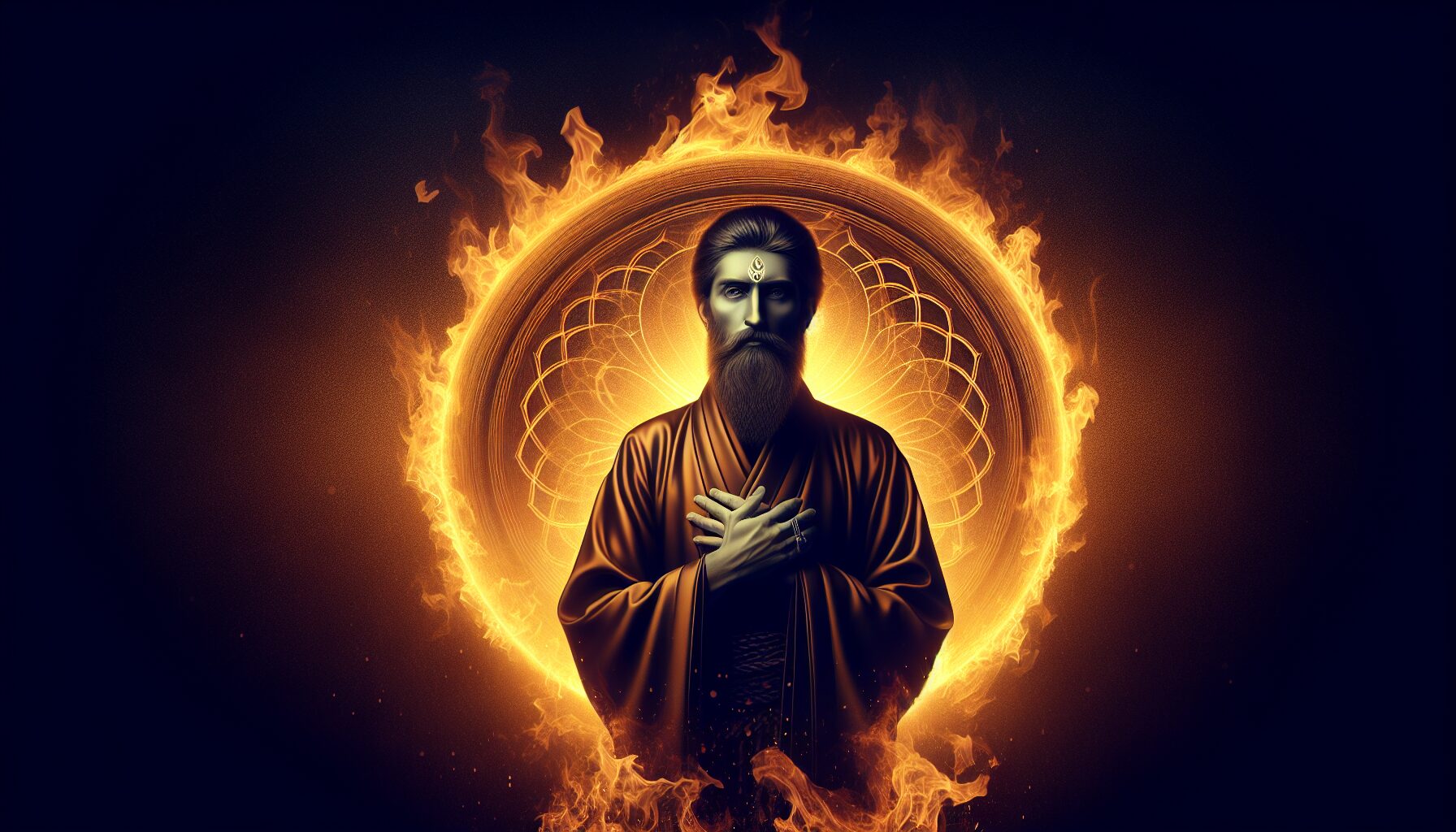
In an increasingly complex world, where global tensions and diverse ideologies collide, spiritual leaders often find themselves in the line of fire. These leaders, who are usually at the helm of guiding moral and ethical compasses, face numerous challenges. Their influence extends beyond religious boundaries, impacting societal norms and actions, making them prominent targets for scrutiny and even attack.
The Role of Spiritual Leaders
Spiritual leaders have played pivotal roles in shaping cultures and societies across the globe. They are anchors in times of moral ambiguity and offer guidance amidst chaos. For instance, Mahatma Gandhi, through his spiritual and political leadership, once said,
“A man is but the product of his thoughts. What he thinks, he becomes.”
His leadership continues to resonate with millions today, underlining the potential impact of spiritual guidance.
However, these leaders’ influence is not limited to their followers. Pope Francis, leading the Roman Catholic Church, has consistently addressed global issues from environmental conservation to social justice, drawing attention worldwide and placing his leadership in the public eye.
Challenges Faced by Spiritual Leaders
- Secularization: In modern, secular societies, religious leaders often face the challenge of remaining relevant. As traditional religious observance declines in many parts of the world, spiritual authorities must find new ways to connect with individuals who might not identify with traditional religious practices.
- Political Pressures: It is not uncommon for spiritual leaders to find their teachings politicized. The intersection of faith and politics can blur the original spiritual message, leading to misinterpretations and potentially putting leaders at risk.
- Globalization and Diversity: As communities become more diverse, spiritual leaders often have to address a wider array of cultural and religious contexts. This diversity can lead to misunderstandings or misrepresentations of spiritual messages.
- Crisis of Faith: Scandals within religious organizations can lead to widespread disillusionment. Recovering faith in spiritual leadership requires transparency and accountability, which some leaders struggle to implement effectively.
Attack on Spiritual Leadership
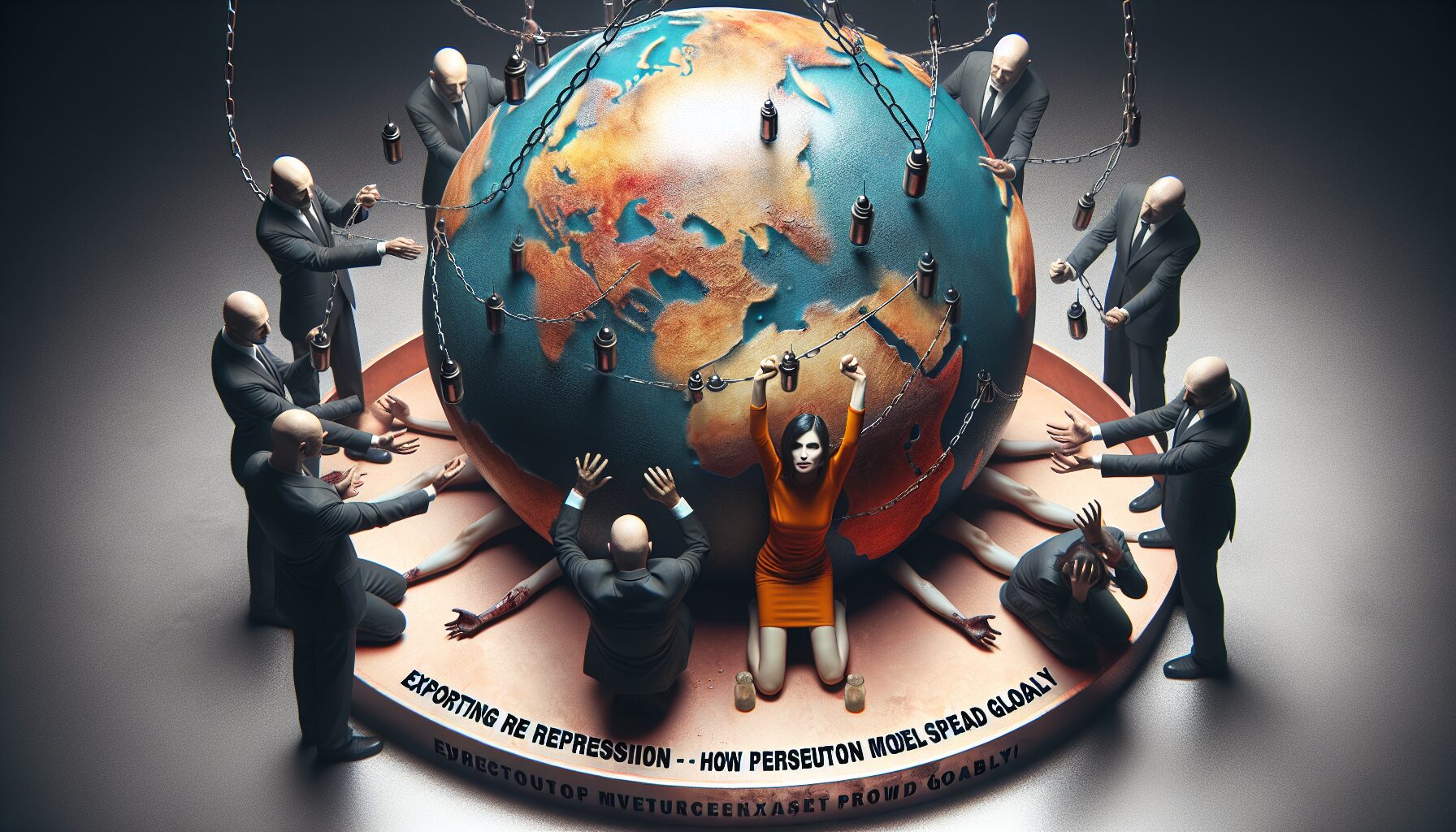
There are instances where spiritual leaders have been direct targets of violence and hostility. This targeting can stem from political, ideological, or even theological differences. For example, The New York Times reported on the violent backlash faced by leaders advocating for peace and reconciliation in conflict zones: “Pope Francis Appeals for Peace in Myanmar as Rohingya Violence Escalates”.
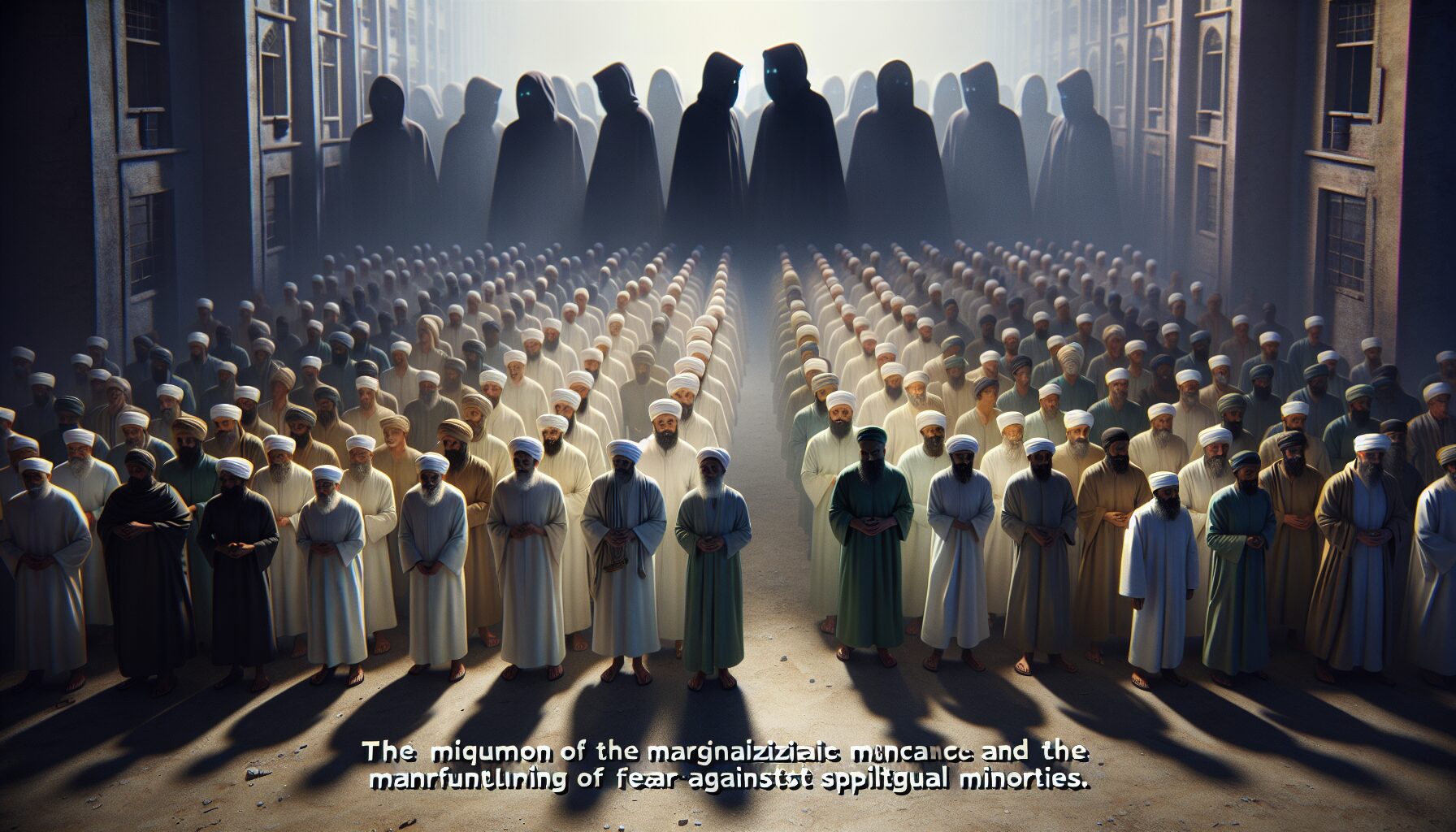
Such instances highlight the vulnerability of spiritual leaders who take stands against authoritarian regimes or extremist ideologies. Their commitment to truth and justice often places them in perilous positions.
Strategies for Protection and Support
Given the risks, there are several measures that can be employed to protect spiritual leaders:
- Building Alliances: Forming supportive networks with other religious and secular organizations can provide spiritual leaders with broader platforms to advocate for their causes.
- Media Engagement: Actively engaging with the media to accurately convey messages can combat misinformation. Effective communication with the public can also garner support and understanding.
- Educational Initiatives: Developing educational programs that emphasize the positive role of spiritual leadership in society can cultivate respect and mutual understanding.
- Legal Protections: Advocacy for policies and laws that protect religious leaders from persecution and violence is necessary. Emphasizing the importance of freedom of religion and expression is crucial in legislative environments.
The Path Forward
As society grapples with unprecedented challenges, the role of spiritual leaders as moral compasses is crucial. Their leadership not only guides religious followers but also impacts secular communities by upholding principles of compassion, justice, and inclusivity.
Spiritual leaders must navigate complex terrains, balancing tradition with modernity, and faith with societal progress. Their resilience and persistence, often under significant threat, highlight their significant role in maintaining peace and ethical governance.
In reflecting on the future of spiritual leadership, it is instructive to consider the words of Dalai Lama:
“This is my simple religion. There is no need for temples; no need for complicated philosophy. Our own brain, our own heart is our temple; the philosophy is kindness.”
Such timeless wisdom underscores the enduring necessity of spiritual guidance in nurturing a harmonious coexistence.