Tag: often

  • When Belief Becomes a Crime – The anatomy of spiritual repression

    When Belief Becomes a Crime – The anatomy of spiritual repression

    When Belief Becomes a Crime: The Anatomy of Spiritual Repression

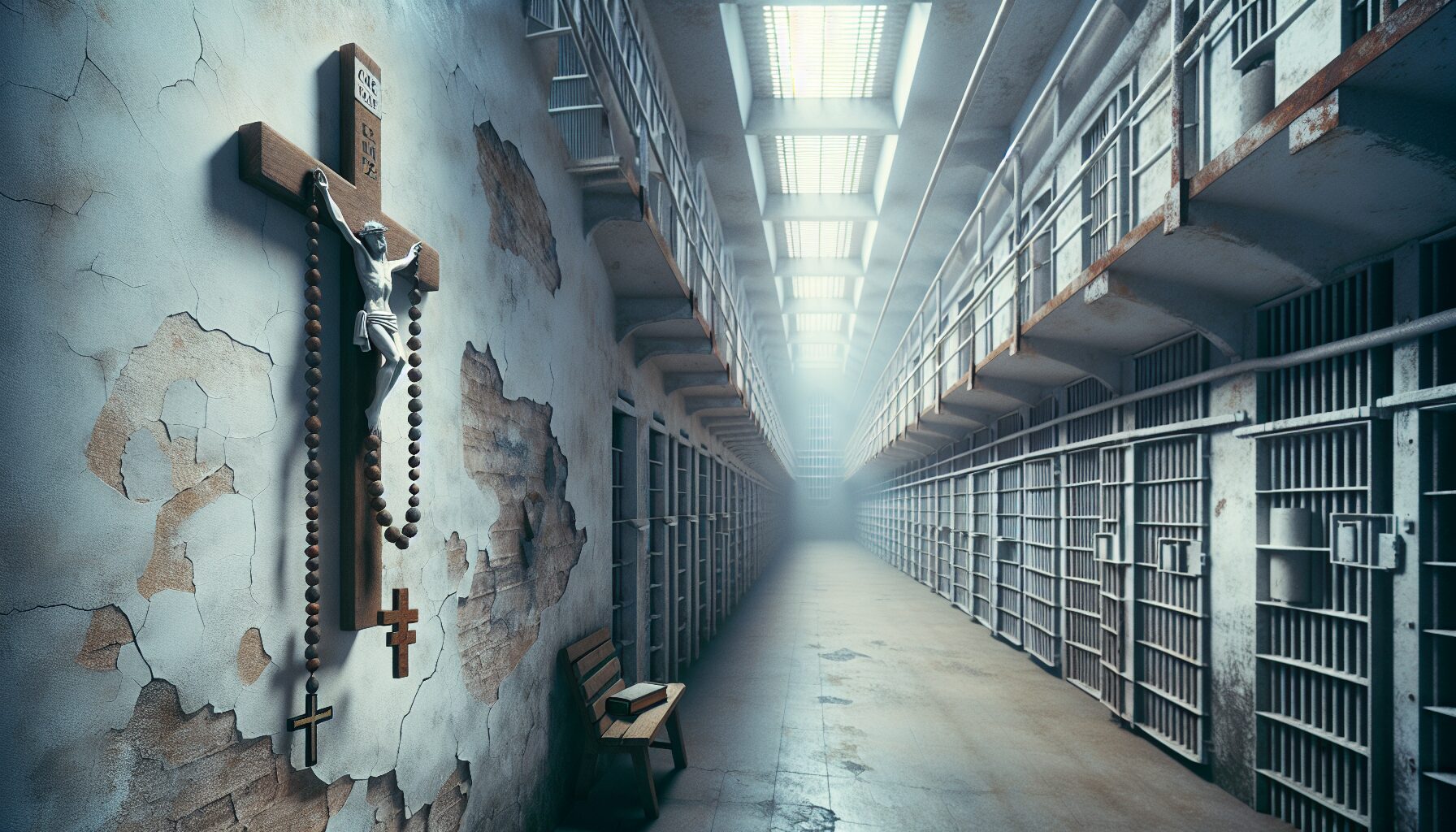
    Throughout history, spiritual and religious beliefs have often clashed with authoritative powers, leading to widespread repression. From ancient civilizations to modern states, belief systems have sometimes been viewed as threats to political and social stability. This article delves into how and why certain beliefs have been criminalized over time, examining the complex intersection of faith and power.

    Historical Context of Religious Repression

    The roots of spiritual repression can be traced back to ancient times. Empires and kingdoms often sought control over religious practice to unify their populations and maintain governance. A crucial example is the Roman Empire, which initially persecuted Christians due to their refusal to worship Roman gods and the emperor, thereby threatening the established social order.

    “The blood of the martyrs is the seed of the Church.” – Tertullian

    This quote by Tertullian, an early Christian author, reflects the paradoxical nature of repression, where attempts to stifle a belief can lead to its proliferation. The well-documented persecution of Christians, which sought to curb dissent and preserve traditional Roman values, ultimately resulted in the widespread growth of Christianity.

    Mechanisms of Repression

    Religious repression involves several mechanisms, including legal restrictions, social stigmatization, and economic sanctions. Governments may enact laws that penalize specific religious practices, categorize certain groups as cults, or limit freedom of expression.

    • Legal Restrictions: Anti-conversion laws in some countries are designed to prohibit religious conversions, thereby maintaining the dominance of the prevailing faith.
    • Social Stigmatization: Minority religious groups might be labeled as dangerous or subversive, as seen in the treatment of Jehovah’s Witnesses in various countries.
    • Economic Sanctions: In some cases, followers of persecuted religions may face financial penalties, such as prohibitions on inheritance or property ownership.

    Modern-Day Examples

    The 21st century is not devoid of religious persecution. Countries with totalitarian governments or religious nationalism often view certain beliefs as adversarial to state ideology or national identity. A prominent contemporary example is the plight of the Uighur Muslims in China.

    “Credible reports suggest that over a million people are being held in China’s internment camps in Xinjiang, where they are subjected to forced indoctrination, abuse, and torture.” – Human Rights Watch

    Reports by Human Rights Watch and other watchdog organizations highlight the scale and severity of China’s repression of Uighur Muslims. These actions are often justified under the guise of combating extremism.

    In the Middle East, Baha’is face systematic persecution in Iran, where their faith is seen as a political infringement. The International Campaign for Human Rights has noted that Baha’is face discrimination in employment, education, and the denial of civil rights solely based on their religious beliefs.

    The Impact of Repression

    Religious repression often leads to a multitude of socio-political consequences. It can foster environments of fear and mistrust, lead to refugee crises as communities flee persecution, and even incite radicalization. Furthermore, repression of beliefs can result in the loss of cultural and spiritual diversity.

    Ironically, repression can also fortify a community’s resolve, as seen throughout history. Banned beliefs are practiced in secret, nurturing a strong sense of identity and solidarity among adherents.

    Global Efforts and Challenges

    While international organizations attempt to mitigate religious repression, their efforts are often hampered by geopolitical complications. Institutions like the United Nations advocate for religious freedom, yet enforcement remains challenging due to state sovereignty.

    The resilience of spiritual communities and the push for legal reforms have sparked movements for change. Organizations such as Freedom House and USCIRF (United States Commission on International Religious Freedom) continue to monitor violations and campaign for policy changes.

    Conclusion

    The anatomy of spiritual repression reveals a long-standing tension between authority and belief. While the repression of beliefs can lead to temporary suppression, history shows that these efforts often have the opposite effect, paving the way for greater resilience and eventual reform. Efforts to curb religious repression must be sustained and multifaceted to ensure the protection of one of humanity’s most fundamental freedoms – the freedom to believe.

  • Silenced by Faith – How modern states criminalize belief

    Silenced by Faith – How modern states criminalize belief

    Silenced by Faith: How Modern States Criminalize Belief

    In a world where the freedom to believe is ostensibly heralded as a foundational right, the reality presents a stark contrast. Across various regions, modern states continue to wield the power of legislation and coercion to curtail religious expression, often under the guise of maintaining secularism or national security. This article explores how belief, something deeply personal and existential, becomes entangled in the intricate web of state control.

    The Historical Context

    The intertwining of religion and politics historically dates back centuries. From the reigns of divine monarchs to theocracies, governing systems have frequently exploited religion as a means of consolidating power. However, the Enlightenment era saw the emergence of secularism as a counterbalance, promoting a clear division between church and state. As historian Karen Armstrong notes,

    “The rise of secularism was to protect the sanctity of religion from the corrupting influence of politics.”

    Despite such intentions, the dynamics of faith and state often remain contentious.

    The Modern Landscape

    Today, the situation is paradoxical. While international conventions such as the Universal Declaration of Human Rights enshrine freedom of thought, conscience, and religion, many countries have laws that infringe upon these rights. The global landscape is riddled with instances where states criminalize or otherwise suppress religious belief and practice.

    • China: The Chinese government’s handling of religious groups, particularly Tibetan Buddhists, Falun Gong practitioners, and Uighur Muslims in Xinjiang, is well-documented. Under the guise of combating extremism, China has implemented what it terms “re-education centers,” where reports indicate that cultural and religious indoctrination occurs.[1]
    • Saudi Arabia: Despite being the birthplace of Islam, the Kingdom imposes strict controls over religious practice. The only recognized faith is Wahhabism, and deviation can lead to severe punishments. Amnesty International has reported numerous cases of religious discrimination and persecution against Shi’a Muslims.[2]
    • Russia: The Russian Federation has enacted laws targeting “extremist” religious factions, impacting groups like Jehovah’s Witnesses. In 2017, the Russian Supreme Court labeled them an extremist organization, effectively banning their activities.[3]

    Legislative Instruments of Suppression

    States employ a variety of legislative tools to manage religious expression. Anti-blasphemy laws, anti-terror laws, and strict registration requirements for religious organizations serve as common tactics. These laws often become weapons of persecution against minority faiths.

    Blasphemy Laws

    Blasphemy laws present one of the most evident forms of religious suppression. According to Human Rights Watch, over 70 countries maintain legislation that penalizes blasphemy, apostasy, or defamation of religion.[4] While generally framed as protecting community harmony, these laws are frequently used to target and silence dissenting religious or secular voices.

    Anti-terror Legislation

    In the post-9/11 world, many governments have expanded their rationale for cracking down on religious groups under anti-terror laws. These regulations cast a wide net, often leading to arbitrary arrests and detentions without due process, thus infringing on religious expression and freedom.

    The Impact on Society

    Such repressive measures carry profound social ramifications. Persecution for beliefs often leads to societal fragmentation, deepening divides between different religious and ethnic communities. Fear and mistrust grow pervasive, stifling dialogue and understanding across cultural lines. As theologian Reza Aslan articulates,

    “When people’s identities are criminalized, they are more likely to retreat into extremes.”

    A Way Forward

    Addressing the criminalization of belief requires a concerted international effort. Civil society, international human rights organizations, and progressive state actors must collaborate to monitor and call out rights violations. Furthermore, global governance structures, such as the United Nations, should reinforce accountability mechanisms for states that violate religious freedoms.

    Education and interfaith dialogue initiatives also play a critical role in fostering a more inclusive environment where diversity in belief is respected rather than feared. As globalization continues to interweave disparate cultures and religions, promoting understanding becomes essential to maintaining peace and coexistence.

    Humans have long sought answers to the profound questions of existence through faith. Ensuring the freedom to explore these answers without fear of persecution remains a fundamental challenge and a litmus test for the true progress of any society.


    Footnotes:

    1. Human Rights Watch. “Eradicating Ideological Viruses”: China’s Campaign of Repression Against Xinjiang’s Muslims. Source.
    2. Amnesty International. “The State of the World’s Human Rights.” Source.
    3. BBC News. “Russian Supreme Court Bans Jehovah’s Witnesses.” Source.
    4. Human Rights Watch. “Blasphemy laws are rife across the world.” Source.
  • After the Collapse – What Persecuted Souls Build Next

    After the Collapse – What Persecuted Souls Build Next

    After the Collapse: What Persecuted Souls Build Next

    The echoes of calamity have often paved the path to remarkable rebirths in human history. In the wake of societal collapse, where devastation and despair might be expected to blanket the earth, resilient souls steadily reconstruct their world. These individuals, often those previously marginalized and persecuted, emerge not only to rebuild but to innovate, driving forward change and development previously deemed unimaginable.

    The aftermath of a collapse strips away the facades of civilization, providing a blank canvas upon which new, often more equitable societies can be painted. As noted by renowned historian Yuval Noah Harari, “Evolution molded us to live in small bands of no more than a few dozen individuals.”

    “What unifies human communities, especially after a collapse,” says Harari, “is our ability to create shared myths and narratives that bind us together.”

    The post-collapse society often embraces communal sharing and participatory governance structures. This shift can be seen vividly in historical examples where centralized, oppressive regimes have fallen, catalyzing grassroots movements that value collective wellbeing over individual gain.

    Rebuilding from the Roots: Success Stories

    During these times, technology and tradition frequently intertwine to form the foundation of future societies. In Rwanda following the 1994 genocide, a country once on the brink of failure transformed into one of Africa’s leading digital powerhouses. Their journey illustrates how resilience and innovation can lay the groundwork for recovery and growth.

    • Community Initiatives: Local initiatives become crucial, fostering a sense of ownership and belonging among residents.
    • Technological Advancements: As seen in Krakauer’s “Endurance”, technology adopted by a unified group can lead to revitalization. Communities often reach back to simpler, more sustainable living while embracing innovative technologies at a rapid pace.
    • Mutual Aid: In the rubble of traditional economic systems, barter systems and mutual aid networks arise, providing immediate relief and fostering long-term sustainability.

    Such transformations are not simply organic; they require the strength and determination of those who persist through adversity. As Rebecca Solnit eloquently puts it in her book A Paradise Built in Hell, “In the aftermath of disaster, people are often their most courageous.”

    The worlds these persecuted souls build next are diverse etchings of hope and resolve, honoring past struggles while crafting fertile grounds for future generations. For more insights into post-collapse societies and their challenges, visit The Guardian for an exploration of humanity’s ability to adapt and overcome.

    The essence of humanity’s capacity to rebuild lies not just in survival, but in the spirit of innovation that leads to a more inclusive and resilient society.

  • The Unwelcome Prophet – Voices Communities Refuse to Hear

    The Unwelcome Prophet – Voices Communities Refuse to Hear

    Throughout history, prophets have been pivotal figures, bearing messages that resonate with the cultural and spiritual undercurrents of their times. Yet, not all prophets are embraced with open arms. Many find themselves ostracized, their truths too uncomfortable to hear. This phenomenon of the unwelcome prophet continues to intrigue and challenge communities around the world.

    The Historical Context of Prophets

    Prophets are often seen as visionaries, equipped with deep insight and foresight. They are advisors, warning of impending doom or urging moral and ethical transformations. In ancient times, figures like Jeremiah rose to prominence, yet their predictions of exile and destruction led to resistance and rejection. As the Book of Jeremiah states:

    “From the thirteenth year of Josiah son of Amon king of Judah down to this very day, twenty-three years—the word of the LORD has come to me and I have spoken to you again and again, but you have not listened.” (Jeremiah 25:3)

    This resistance to listening is a recurrent theme: society is often not ready to hear unsettling truths, preferring instead to cling to the comfort of the status quo.

    Modern-Day Prophets and Their Challenges

    In today’s world, voices that herald uncomfortable truths are often met with skepticism or hostility. The reasons for this are varied:

    • Disruption of Norms: Contemporary prophets might challenge societal norms, economic practices, or political systems. Figures like Greta Thunberg have emerged as prophetic voices in the fight against climate change. Her straightforward, uncompromising stance acts as a wake-up call. Thunberg once declared, “I want you to panic… I want you to act as if the house was on fire.” (World Economic Forum) Her message, while urgent and necessary, faces resistance from individuals and corporations unwilling to modify behaviors or incur financial losses.
    • Rejection of Message: Sometimes, it’s not the messenger but the message that is unwelcome. Many communities refuse to acknowledge the reality of systemic injustices or environmental crises. Prophet-like figures who challenge racial inequalities or demand accountability for environmental degradation often face backlash.
    • Fear of Change: Change is inherently daunting and can threaten the established power structures within a community. Prophetic voices advocating for radical change might be seen as threatening to those in positions of privilege or authority.

    Case Studies: Prophets in Modern Contexts

    Several figures in recent history exemplify the role of the unwelcome prophet:

    • Martin Luther King Jr.: Though celebrated today, during his lifetime, King was a polarizing figure. He advocated for civil rights through nonviolent resistance, a message that threatened entrenched systems of racial discrimination. His famous I Have a Dream speech serves as a foundational text for equality, yet at the time, it was met with both profound admiration and fierce opposition.
    • Rachel Carson: The author of Silent Spring, Carson warned of the dangers of pesticide overuse. Her work is considered groundbreaking, igniting the modern environmental movement, but was initially dismissed and attacked by chemical companies and government agencies.

    Why Communities Resist Prophetic Voices

    Several psychological and sociological factors contribute to the resistance against prophetic voices:

    • Cognitive Dissonance: When a prophetic message conflicts with individuals’ beliefs or lifestyles, it creates discomfort, which people strive to eliminate, often by rejecting the new information.
    • Groupthink: As communities strive for consensus, dissenting prophetic voices are discouraged or suppressed to maintain harmony and group identity.
    • Fear of Uncertainty: Prophets often call for change without offering immediate clear solutions, leading people to fear the unknown more than the discomfort of current realities.

    Listening to Unwelcome Prophets: A Path Forward

    To truly benefit from the voices of prophets, communities must develop mechanisms for embracing change and dissent:

    • Encouraging Open Dialogue: Creating platforms for discussion allows communities to explore prophetic messages without fear of repercussions.
    • Building Resilience: Training communities to better handle uncertainty and change increases their openness to prophetic insights.
    • Educating for Critical Thinking: Cultivating an environment where questioning and critical analysis are valued can help mitigate resistance.

    Ultimately, the voices of prophets—whether ancient or contemporary—serve as the conscience of society. Listening to them, albeit challenging, is vital for constructing a more just, equitable, and aware world. As history has demonstrated, unwelcome prophets often hold the keys to necessary transformation, urging communities to broaden their horizons and face truths that may initially be unsettling but ultimately liberatory.

  • When Leaving Saves You – Liberation Through Exile

    When Leaving Saves You – Liberation Through Exile

    Throughout history, the idea of exile has carried with it the pain of separation and the promise of transformation. Often considered a punishment, exile can paradoxically serve both as a form of liberation and a pathway to self-discovery. This article delves into the complex dimensions of exile as a means of salvation and personal growth.

    The Historical Context of Exile

    Historically, exile has been a tool wielded by powerful regimes to silence dissent or rid themselves of troublemakers. Famous exiles include Dante Alighieri, Napoleon Bonaparte, and the Dalai Lama, each of whom found new purpose in their forced separation from homeland.

    • Dante Alighieri: As a prominent poet of the late Middle Ages, Dante was expelled from Florence in 1302. During his exile, he composed The Divine Comedy, considered one of the greatest literary works in history.
    • Napoleon Bonaparte: After his defeat at Waterloo, Napoleon was exiled to the remote island of Saint Helena, where he spent his final years writing his memoirs and reflecting on his tumultuous life.
    • The Dalai Lama: Escaping the Chinese occupation of Tibet in 1959, the Dalai Lama has since resided in India, leading the Tibetan government-in-exile and advocating for Tibetan rights on the global stage.

    The Emergence of Identity Through Exile

    Forced to leave behind familiar surroundings, exiles often encounter the blank slate of new environments. Author Edward Said, in his book Reflections on Exile, writes:

    “Exile is a condition of terminal loss, but as an elegiac chapter shows us, it is also a complete perception of originality so infrequent that only a seasoned consciousness can achieve it.”

    This detachment allows individuals to reinvent themselves, creating identities unshackled by societal norms and expectations. James Joyce, another notable figure who chose self-imposed exile, remarked:

    “I am interested in the truth, not in the strange perversions and blasphemies of religion that have driven me into exile.”

    Exile as a Catalyst for Creativity

    Exile often ignites a fire of creativity, offering new perspectives and challenges that inspire artists, writers, and thinkers to produce groundbreaking work. For some, it provides the distance needed to critically assess their native culture from afar, resulting in innovative storytelling and art that resonate globally.

    • Victor Hugo: During his 19-year exile from France, Hugo penned Les Misérables and other seminal works that critiqued social injustice.
    • Ernest Hemingway: In leaving the United States for Europe, Hemingway refined his style and found inspiration in the Spanish Civil War, which influenced works like For Whom the Bell Tolls.

    Psychological Resilience and Growth Through Exile

    Exile challenges individuals to delve deep into their psyches, often forcing them to reckon with loss, grief, and identity. However, this process often results in profound psychological resilience. Dr. Paul T. P. Wong, a psychologist, defines resilience as:

    “A process of successful adaptation despite challenging or threatening circumstances.”

    By embracing the seemingly insurmountable barriers that exile presents, individuals can discover newfound strength and resourcefulness.

    Modern Exile: Voluntary and Involuntary Journeys

    In today’s globalized world, exile sometimes takes a voluntary form, as people choose to live abroad due to personal or professional aspirations. Conversely, political persecution, economic instability, and climate change create waves of involuntary exiles seeking safety and opportunity far from home.

    • Asylum Seekers and Refugees: Millions are displaced each year, seeking sanctuary from war and oppression. Their journeys are often perilous, yet they hold the hope of a new beginning.
    • Digital Nomads: A growing number number of individuals embrace location-independent lifestyles, driven by the desire for freedom and diverse experiences.

    The Role of Technology in Exile

    Technology has reshaped the experience of exile, offering ways to maintain connections with homeland cultures and communities. Social media, online forums, and communication platforms enable exiles to preserve cultural identities and advocate for change from afar.

    “The Internet is a mixed dish: good for making connections and radicalization, however with a darker side that may incite distress or make one become a stranger everywhere,” says Dr. Haim N. Oron in his study on digital affordances for exiles.

    Defining Freedom through Exile

    Ultimately, the narrative of exile encompasses loss, hardship, and triumph. For many, leaving is not just an escape from oppression but a step toward liberation and autonomy—a potential for reinvesting meaning in life or the chance to contribute to a broader cause from outside their native land.

    Conclusion: Leaving as Liberation

    The stories of those who have embraced exile suggest that leaving can indeed save one’s identity and spark profound transformation. In the silence of separation, many find the voice that echoes louder than the walls that once confined them.

    While the complexities of exile cannot be dismissed, its transformative power as a catalyst for personal development, creative exploration, and rediscovery remains a timeless testament to the enduring spirit of humanity.

  • The Standalone Spirit – Strong Faith Outside the Fold

    The Standalone Spirit – Strong Faith Outside the Fold

    The Standalone Spirit: Strong Faith Outside the Fold

    The journey of faith is often seen as a communal enterprise, bound by traditions, followed alongside a worship community. Yet, for some, faith takes on a unique form—thriving independently, unanchored by established institutions. This standalone spiritualism is not a solitary descent into isolation but a robust, personal exploration of the divine.

    The Rise of Independent Belief

    In a world increasingly driven by individuality, it’s no surprise that many choose to embrace their spirituality outside the structures of organized religion. A study by the Pew Research Center highlights that while participation in formal religious institutions is declining, personal spirituality is experiencing growth. The research noted that people who describe themselves as spiritual but not religious (SBNR) are on the rise, reflecting a shift towards a more individualized approach to faith.

    “Religion is like a pair of shoes… Find one that fits for you, but don’t make me wear your shoes.” – George Carlin

    This quote encapsulates the sentiment held by many who tread this path, emphasizing personal comfort and fit over conformity and uniformity.

    Characteristics of Standalone Spirituality

    Standalone spirituality is characterized by a few distinct traits:

    • Personal Relationship with the Divine: Practitioners often strive for a direct, personal connection with their idea of a higher power or universal energy.
    • Eclectic Practices: They may draw on various religious traditions or spiritual practices, selecting elements that resonate personally.
    • Ethical Flexibility: Moral and ethical beliefs are often self-defined rather than dictated by religious laws or doctrines.
    • Focus on Inner Growth: There is an emphasis on self-improvement, personal growth, and mindfulness.

    Challenges Faced by Independent Believers

    Embracing spirituality outside the fold is not without its challenges. One major hurdle is the absence of community support, which traditional religions often provide through consistent fellowship, shared rituals, and collective worship experiences. Independent believers may struggle with:

    • Loneliness and Alienation: Without a community, they may feel isolated in their spiritual journey.
    • Lack of Structured Guidance: The absence of formal religious teachings or leaders can leave individuals searching for guidance.
    • Societal Skepticism: They may face misunderstanding or criticism from those who see their path as non-conformist or unconventional.

    The Benefits of Spiritual Independence

    Despite these challenges, many find immense fulfillment and peace in walking an independent path. The freedom to explore, question, and discover without boundaries can lead to a profound sense of spiritual satisfaction and personal empowerment:

    • Authentic Self-Expression: Individuals can express their spiritual beliefs and practices sincerely, without fear of judgment.
    • Adaptability: Their faith can evolve with personal growth, allowing for greater flexibility in beliefs and practices over time.
    • Creative Exploration: They enjoy the liberty of crafting unique rituals and ceremonies that hold personal significance.
    • Enhanced Personal Insight: The journey often fosters deeper self-awareness and inner understanding.

    Stories of Independent Believers

    From famous personalities to everyday individuals, many have traversed the path of faith outside the fold and have shared their experiences of profound personal transformation. Oprah Winfrey, often vocal about her spiritual views, once explained her belief in a power greater than herself stating:

    “I am a Christian who believes that there are certainly many more paths to God other than Christianity.” – Oprah Winfrey

    Such perspectives illustrate that independent faith allows for openness to the vast tapestry of human spirituality, embracing wisdom across boundaries of creed or dogma.

    Nurturing Standalone Faith

    For those venturing into independent spirituality, several practices can help nurture their journey:

    • Meditation and Mindfulness: Regular mindfulness practices can deepen awareness and inner peace.
    • Journaling: Keeping a spiritual journal can help document insights, growth, and questions that arise.
    • Community of Like-minded Individuals: While not attached to a formal religion, finding or forming groups with similar values can provide much-needed support.
    • Educational Exploration: Reading a diverse range of spiritual and philosophical texts can stimulate thought and inspire new viewpoints.

    Conclusion

    The standalone spirit of those who practice independent spirituality exemplifies the courage to traverse beyond conventional boundaries. In crafting a personal path, they embody a faith that is both resilient and adaptable—a testament to the diverse and evolving nature of human belief.

    The journey may not be paved or predictable, but the potential for connection, transformation, and inner peace remains limitless. Whether within a community or afar, faith persists, inviting each seeker to discover their unique place within the universe’s vast and wondrous tapestry.

  • The Raised Hand – Signals of Dominance in Cultic Settings

    The Raised Hand – Signals of Dominance in Cultic Settings

    In many social and religious settings, gestures and body language play a significant role in communication and power dynamics. Among these gestures, the act of raising a hand often stands out as a potent symbol of authority and dominance, especially in cultic environments. Understanding these signals can provide insights into how cults operate and maintain control over their members.

    The Historical Significance of the Raised Hand

    The raised hand has been used throughout history as a sign of authority and command. In his analysis of gestures in social settings, anthropologist Edward T. Hall noted, “The raised hand can act as a cultural highlighter, drawing attention to the individual and their message” (Hall, 1966).

    This gesture is not limited to cults. In religious ceremonies, the raised hand often marks the presence of divine or supernatural approval. The Bible contains numerous references to lifted hands during prayer and blessing as signs of respect and power (Bible Gateway). The gesture, therefore, acts as a bridge between human and divine authority, a symbolism that carries over into cultic settings.

    Understanding Dominance in Cultic Groups

    Cults are organizations that rely heavily on defined social hierarchies and leader-focused narratives. The dynamics within these groups are often reinforced through ritualistic and non-verbal communication. The raised hand, within such a context, often serves dual purposes:

    • Establishing Authority: By physically elevating a part of oneself above others, the individual (often the leader) reinforces their superior status.
    • Signaling Consent and Control: Cult leaders might use hand gestures to signal when followers should respond, showing not just verbal but physical attunement to their authority.

    The work of sociologist Erving Goffman provides a detailed look at how these gestures function in what he describes as “front stage” settings, where authority and performance intersect (Goffman, 1959).

    Case Studies of the Raised Hand in Cults

    Analyzing specific cults can highlight how instrumental the raised hand can be in these closed communities:

    • The People’s Temple: Jim Jones, the infamous leader of the People’s Temple, often raised his hand to silence or direct his members. This unmistakable gesture became a signal for momentous announcements or commands, consolidating his control over the group’s actions and behaviors.
    • Heaven’s Gate: Among this cult’s peculiar practices, the raised hand was a sign used during their meditative sessions led by Marshall Applewhite. It demonstrated both obedience and unity in their quest for transcendence.

    “The body in these settings becomes not just an instrument of personal expression, but a public tool of authority and subjugation,” remarked Dr. Laura Smith, a researcher specializing in cult behavior.

    The Psychological Impact of Physical Gestures

    From a psychological perspective, repetitive gestures like the raised hand can have significant impacts. Encoded into daily rituals, they can normalize the leader’s dominance while subtly eroding personal autonomy among followers. As famed psychologist Carl Jung posited, “Symbols act as transformers of the psychic energy” (Jung, 1964), a principle that applies directly to how cult leaders use gestures to resonate with their followers’ subconscious.

    Moreover, the reinforcement of gestures in cultic environments can lead to what is known as “groupthink,” where individual dissent is minimized in favor of collective conformity (Psychology Today). This psychological process ensures that members remain aligned with the leader, often using physical gestures as touchstones for obedience.

    Conclusion: Recognizing and Responding to Signals of Control

    The raised hand, much like other gestures, is a simple yet profoundly impactful form of non-verbal communication in cult settings. Recognizing these signals is crucial for understanding how cults maintain influence over their followers. By examining these dynamics, both scholars and the public can better empathize with individuals within these spheres and offer support in disentangling them from such environments.

    Cult awareness and intervention strategies must pay attention not only to what is said but also to what is signaled. In doing so, society can better safeguard against the subtle yet pervasive forces of control inherent in these communities.

  • Freedom After Fire – Rebuilding Spiritual Life After Trauma

    Freedom After Fire – Rebuilding Spiritual Life After Trauma

    Freedom After Fire: Rebuilding Spiritual Life After Trauma

    Trauma, whether physical or emotional, can shatter one’s sense of self and spirit. Yet, amidst the ruins, a path to spiritual rebirth and renewal often emerges, offering individuals a chance to redefine their lives and perceptions. This journey, albeit challenging, can lead to profound personal growth and a strengthened spiritual foundation.

    The Impact of Trauma on the Spirit

    Trauma can profoundly affect an individual’s spiritual well-being. It often leaves people questioning their beliefs, values, and the very essence of their existence. According to Psychology Today, trauma can disrupt previously held spiritual beliefs or practices, causing a disconnect that many find difficult to bridge.

    “The spiritual challenges brought forth by trauma can invoke a crisis of meaning and faith,” says Dr. Julie Exline, a Professor of Psychological Sciences at Case Western Reserve University.

    Pathways to Healing

    Rebuilding spiritual life after trauma involves navigating through emotional landscapes that encourage both vulnerability and resilience. Here are a few ways to embark on this transformative journey:

    • Finding Connection: Seeking connection with others who have undergone similar experiences can offer a sense of belonging and understanding. Support groups and spiritual communities provide invaluable platforms for shared healing.
    • Mindfulness and Meditation: Practices that encourage presence and reflection can be instrumental in rebuilding spiritual resilience. Regular meditation helps individuals reconnect with their inner selves and find peace amidst chaos.
    • Rediscovering Faith: Reexamining personal beliefs and values can reignite a sense of purpose and direction. This may involve exploring new spiritual practices or reconnecting with previously held faith traditions.
    • Creative Expression: Art, music, and writing allow individuals to process their trauma creatively and express emotions that words alone may not convey. Creative pursuits often serve as powerful outlets for spiritual healing.

    The Role of Community and Spiritual Guidance

    The journey to spiritual recovery is often fortified by community and guided support. Engaging with spiritual mentors or counselors can provide guidance and perspective. As noted in a study published in the National Institutes of Health, spiritual guidance can help individuals explore and integrate their traumatic experiences within a broader spiritual context.

    In conclusion, while trauma can temporarily darken the spiritual path, it also seeds the potential for deep and meaningful growth. Through community, mindfulness, and creative exploration, individuals not only rebuild what was lost but often discover a more profound sense of freedom and spiritual richness in the aftermath of fire.

  • The Pressure Cooker – Why High-Control Groups Break People

    The Pressure Cooker – Why High-Control Groups Break People

    High-control groups, often shrouded in the guise of religious sects, political movements, or self-improvement circles, employ techniques that erode individuality and foster dependency. These groups might brand themselves as communities of personal growth or salvation, but beneath the surface lies a modest yet complex mechanism of control that can lead to emotional and psychological breakdown.

    The Anatomy of Control

    High-control groups typically use a range of psychological strategies to maintain dominance over their members. According to Psychology Today, these groups often employ isolation to limit outside influence, instilling an “us vs. them” mentality, which is crucial for sustaining control over the group’s narrative. This encapsulation suppresses dissent and encourages conformity, be it in beliefs, behaviors, or even personal life choices.

    “The most dangerous things about these groups is their ability to make people doubt their own reality, making it easier to strip them of their autonomy,” warns Dr. Janja Lalich, an expert on cult behavior.

    The Cycle of Breaking and Reforming

    • Manipulation of Cognition: By controlling information, high-control groups manipulate how members think and perceive the world. This can drain mental resources and lead to cognitive dissonance.
    • Emotional Regulation: Through guilt, shame, and communal reinforcement, emotions become controlled, making it hard for individuals to trust their own feelings. Members are often made to feel inferior or blamed for their suffering, shifting focus away from the group’s authoritarian practices.
    • Behavioral Control: Rigorous schedules, rituals, and norms keep individuals busy and prevent them from reflecting on their circumstances, contributing to a loss of personal autonomy.

    Breaking Points and Transformation

    The relentless pressure within these groups often leads to psychological fractures. The Guardian reports on how former cult members frequently experience PTSD-like symptoms, such as anxiety, depression, and difficulty making decisions, long after they have left the group’s clutches.

    It is not just individuals who suffer; the repercussions ripple out to families and communities. The route to recovery commonly involves rebuilding self-trust and reconnecting with broader society. “Finding themselves again can be a long, painful process,” says Steven Hassan, a former cult member and author of Combating Cult Mind Control.

    While high-control groups can offer a sense of belonging and purpose, the cost can be devastating. Recognizing the signs and understanding the mechanisms of control is crucial in preventing these groups from breaking individuals beyond repair. Empowerment through knowledge is the antidote to the divisive grip of these pressure cookers.

  • Witness to Power – Understanding Domination in Spiritual Structures

    Witness to Power – Understanding Domination in Spiritual Structures

    Witness to Power: Understanding Domination in Spiritual Structures

    Spiritual organizations often provide a sense of community, guidance, and purpose for millions around the world. However, they are not immune to the dynamics of power and control that affect all human institutions. Recognizing the structure of power within these spiritual organizations is crucial for both members and outsiders seeking to understand their influence and impact.

    The Nature of Spiritual Power

    Power in spiritual contexts often derives from a perceived connection to the divine or the transcendent, offering leaders a unique form of authority over their followers. As noted by scholar Max Weber, religious authority can take on a “charismatic” form, where followers believe their leaders possess special gifts or insights. He states,

    “Charisma is a certain quality of an individual’s personality by virtue of which they are set apart from ordinary people and treated as endowed with supernatural, superhuman, or at least specifically exceptional powers or qualities.”

    Forms of Domination

    • Charismatic Dominance: This occurs when leaders command significant influence based on their personal qualities or spiritual insight. Followers often ascribe to them exceptional powers which can create an unquestioned authority.
    • Hierarchical Control: Many spiritual organizations have established hierarchies, mirroring organizational or bureaucratic structures. This creates a clear chain of command that can concentrate power in the hands of a few leaders at the top.
    • Doctrinal Authority: By controlling the interpretation of sacred texts or spiritual teachings, leaders can exert significant ideological influence over their followers. This often includes the power to dictate behavioral norms and standards.

    Impact on Followers

    The effects of these power structures on followers can be profound. In some cases, members find security and guidance in strong leadership. However, when power becomes concentrated or abused, it can lead to negative consequences, such as manipulation, loss of autonomy, or exclusion of dissenting voices. As journalist and author Tom Bissell observes,

    “There is a tendency in all social organizations for power to become centralized and authoritative.”

    Seeking Balance

    To counteract potential abuses of power, many recommend introducing checks and balances within spiritual organizations. This could include transparent decision-making processes, accountability of leaders, and fostering environments where questioning and dialogue are encouraged.

    Ultimately, understanding the dynamics of power in spiritual structures requires a nuanced approach that acknowledges the unique nature of spiritual authority while advocating for ethical leadership and accountability. By doing so, spiritual communities can maintain their integrity and continue to offer solace and inspiration to their members.