Sacred Deviance: How Normal Belief is Reframed as Threat
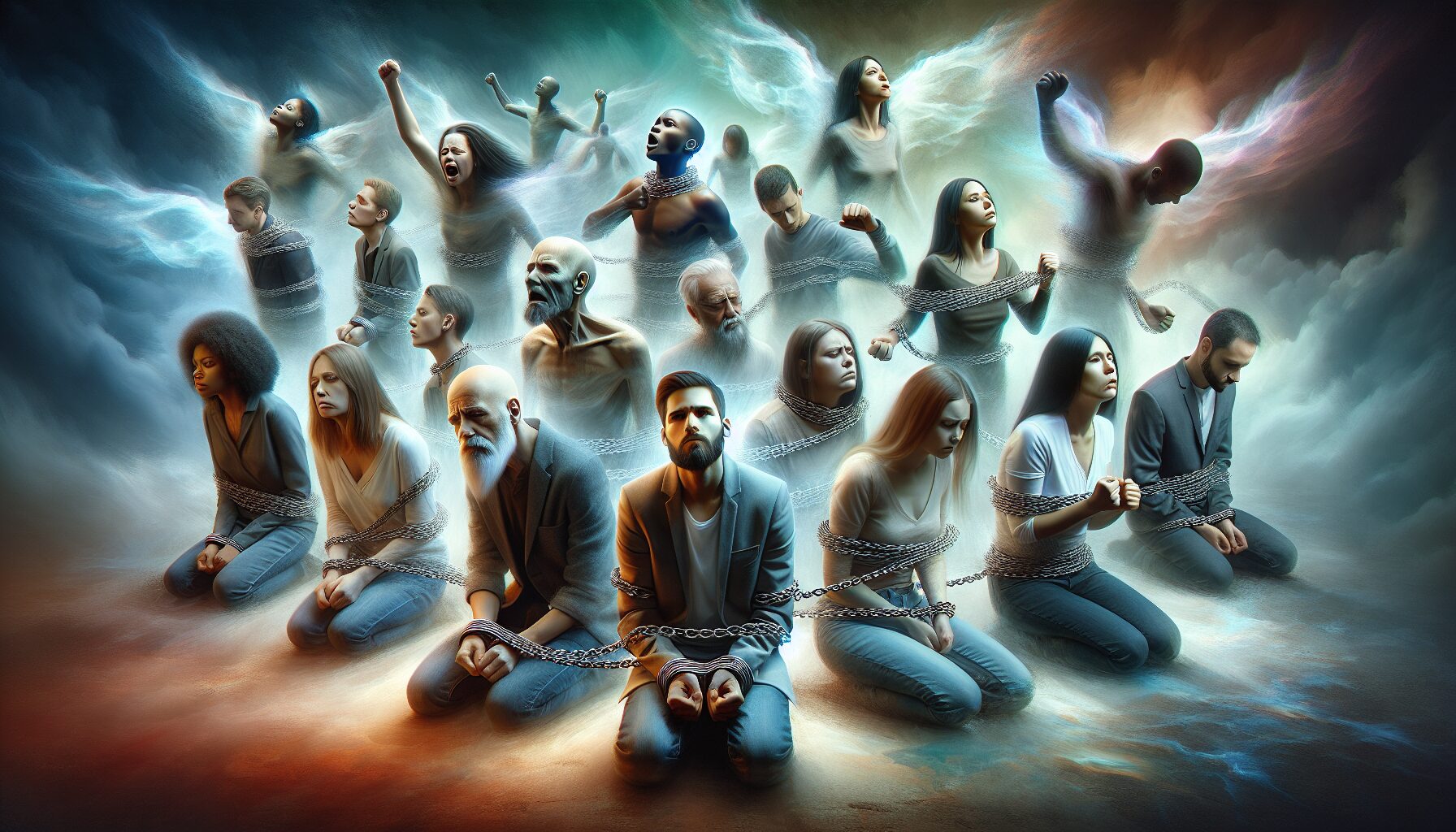
Beliefs and belief systems have always been at the heart of human societies. They shape identities, forge communities, and sometimes create divides. In contemporary discourse, there’s an intriguing phenomenon where standard beliefs are often reframed as threats. This article delves into this “sacred deviance,” exploring how societal norms are turned on their heads and why this redefinition poses both challenges and opportunities for modern culture.
The Context of Sacred Deviance
Sacred deviance refers to the process through which long-held beliefs and traditions are reinterpreted or even vilified. This is not just a modern-day occurrence; history is replete with examples where societal norms have shifted dramatically, often leading to conflict or societal transformation.
Understanding Deviance in a Cultural Context
Deviance traditionally refers to behaviors or beliefs that deviate from social norms. However, what constitutes “deviant” is highly subjective and context-dependent. As Emile Durkheim, a renowned sociologist, famously stated:
“The very fact of labeling something as abnormal demonstrates society’s collective agreement on a ‘norm.’”
Thus, when society shifts, what was once considered normative can easily be reclassified as deviant.
The Relativity of Threat
The perception of threat arises when the basic ideals that define societal norms are challenged. With the rise of globalization and the digital age, exposure to diverse belief systems has intensified, resulting in a more pluralistic world.
- Globalization: The integration of cultural practices from various parts of the world into daily life has led to a questioning of the universality of certain beliefs.
- Digital Transformation: Online platforms allow for the rapid dissemination of information, often unfiltered, leading to challenges against the deeply held beliefs.
This phenomenon is vividly described in The Atlantic, where it is noted that social media has created echo chambers, amplifying certain ideologies that can clash with traditional norms.
Examples of Reframed Beliefs
1. Religious Beliefs
Religion has always been a cornerstone of human identity. Across cultures, religious beliefs vary widely, from deeply orthodox practices to more liberal interpretations. Yet, in many societies, the religious landscape is shifting.
- Christianity: In some Western societies, traditional Christian values facing challenges from secular and progressive ideologies are often labeled as archaic or even extremist.
- Islam: Muslims practicing certain aspects of their faith in non-Muslim-majority societies may face suspicion, resulting in their beliefs being construed as threats.
Karen Armstrong, a scholar of comparative religion, states:
“Religion isn’t about believing things. It’s ethical alchemy. It’s about behaving in a way that changes you, that gives you intimations of holiness and sacredness.”
2. Political Ideologies
Political beliefs, especially those on the extremes of the spectrum, are often reframed as threats. This is particularly true when:
- Left-wing Ideologies: Policies aimed at wealth redistribution or environmental reform can be seen as threats to capitalist societies.
- Right-wing Ideologies: Policies emphasizing nationalistic values may be seen as exclusionary or even xenophobic in increasingly multicultural settings.
In a thought-provoking piece by The New York Times, it is discussed how the rise of populism has both challenged and reshaped democracy in various parts of the world (source).
3. Cultural Norms
Culture is dynamic, and what was once widely accepted can become contentious or even offensive. Consider:
- Gender Roles: Traditional gender roles are being questioned, and those who advocate for a return to such roles may be perceived as undermining progress towards equality.
- Marital Structures: Practices like polygamy or arranged marriages, accepted in certain cultures, might face resistance or legal challenges in others.
A fascinating examination of these changes is outlined in an article by the BBC, highlighting how varying cultural norms influence our perception of relationships and commitments.
The Impact of Reframed Beliefs
This reframing has profound implications:
- Social Tensions: When beliefs are misframed as threats, it can lead to increased polarization and societal division.
- Identity Crisis: As long-held beliefs come under scrutiny, individuals may face crises of identity, questioning their place within societal structures.
- Opportunity for Dialogue: On the upside, this reframing forces discussion, encouraging societies to reevaluate and redefine values.
Yuval Noah Harari, in his book Sapiens, addresses the fluidity of human constructs, noting that “Large-scale human cooperation is based on myths,” urging us to question and recalibrate these myths if needed (source).
Conclusion
As societies continue to evolve, the reframing of normal beliefs as threats will likely persist. This sacred deviance forces a reevaluation of established norms and invites a deeper understanding of what underlies societal fears and aspirations. Ultimately, how societies navigate this transformation may well determine the future of communal living and collective identity.
By embracing this challenge, we pave the way for a world that is more inclusive, tolerant, and understanding—a world where differing beliefs are not seen as threats but as opportunities for growth and enrichment.