Tag: myths

  • The Soviet Silence – Recovering the myths suppressed by the Iron Curtain.

    The Soviet Silence – Recovering the myths suppressed by the Iron Curtain.


    The Soviet Silence – Recovering the myths suppressed by the Iron Curtain

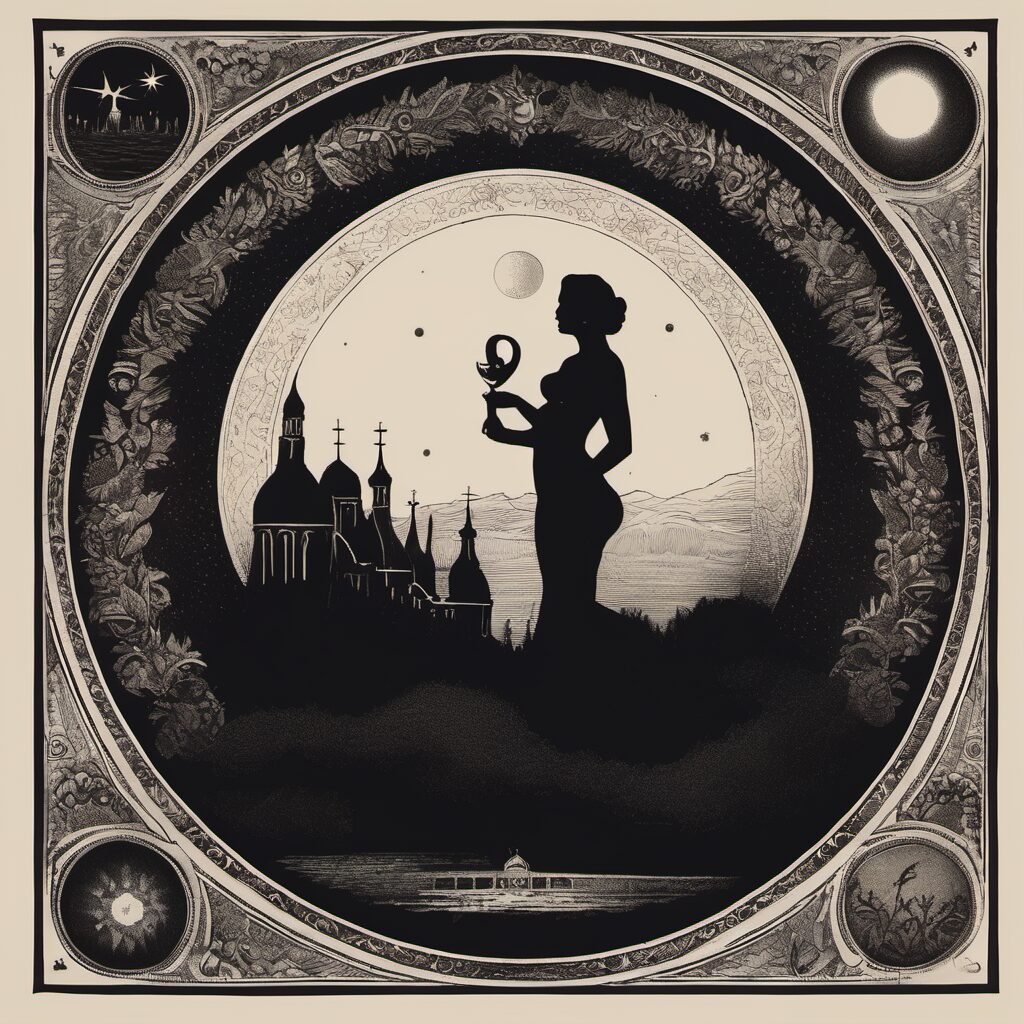
    The Soviet Silence

    “In the heart of the Iron Curtain, whispers of tales untold echoed through the labyrinths of time.” – Anonymous Mythographer

    As the veil of secrecy that once shrouded the Soviet Union began to dissipate, a chorus of voices rose from the depths, seeking to weave their suppressed narratives into the fabric of history. The Soviet Silence, as this era has come to be known, represents not just a void in the historical record, but a vast repository of myths and legends that were intentionally hidden or overlooked during the Cold War.

    Ancestral Echoes

    • The stories that emerged from this era are as diverse and complex as the land they sprang from, mirroring the rich tapestry of Russian mythology that predated the Soviet regime. From tales of cosmic battles fought by mystical beings to epics centered around the exploits of legendary heroes, these narratives offer a unique glimpse into a culture that was often obscured by political ideology and censorship.
    • One such story is that of “The Firebird,” a mythological creature said to possess a magical feather capable of igniting an endless flame. This symbol of hope and light found its way into Russian folklore long before the Soviet era, yet it was during this time that its meaning evolved to encompass the struggle for freedom and the yearning for truth.

    The Iron Curtain’s Shadow

    The Soviet Silence, however, was not merely a repository of ancient stories; it also served as a testing ground for the propagation and manipulation of myths that supported the regime’s ideological objectives. These manufactured narratives were designed to create a sense of unity among the people while masking the realities of life under Soviet rule.

    “The Iron Curtain did not just separate nations; it also sought to divide truth from myth, casting a long and dark shadow over our collective memory.” – Boris Pasternak

    Breaking the Silence

    As the Soviet Union crumbled and its secrets began to spill out into the world, scholars and mythographers worked tirelessly to uncover the buried tales that had been silenced by the Iron Curtain. Through painstaking research and collaboration, these dedicated individuals sought to piece together the fragmented narratives that had been lost for generations.

    “In recovering these myths, we are not just restoring a lost chapter in history; we are also healing the wounds inflicted by decades of political repression.” – Svetlana Alexievich

    The Legacy of the Soviet Silence

    Today, the myths that emerged from the Soviet Silence continue to captivate audiences around the world. Through their exploration and interpretation, these stories serve as a reminder of the power of narrative in shaping our understanding of history and ourselves. As we delve deeper into the heart of the Iron Curtain’s legacy, we are reminded that every voice deserves to be heard, and every story has the potential to transform us.

  • Purity Myths – How Ideology Demands Sacrifice

    Purity Myths – How Ideology Demands Sacrifice

    Purity Myths – How Ideology Demands Sacrifice

    Purity Myths – How Ideology Demands Sacrifice

    Throughout history, the notion of purity has been interwoven with cultural and religious ideologies, often demanding personal and societal sacrifices that resonate through time. From ancient rituals to contemporary social movements, purity myths continue to shape behaviors and dictate societal norms.

    The Origins of Purity Myths

    The concept of purity is deeply rooted in religion and mythology. In many ancient cultures, purity was synonymous with holiness and moral integrity. For instance, Hindu traditions encompass complex rituals to maintain spiritual and bodily purity, often involving cleansing ceremonies.

    “Purity in Hinduism is intricately linked to the idea of maintaining one’s spiritual fidelity through ritualistic practices”
    – Britannica

    Similarly, in ancient Greek religion, purity rituals were crucial before participating in religious ceremonies. The requirement for purity before approaching the divine highlights the historical value placed on this concept.

    Purity and Ideological Sacrifices

    Ideological purity often imposes sacrifices on individuals, calling for adherence to strict codes of conduct. These sacrifices are sometimes extreme, affecting personal freedoms and societal roles. Consider the Protestant Reformation, where the pursuit of religious purity led to both vast theological shifts and bloody conflict.

    • Mental Conformity: Individuals in ideologically pure groups are often pressured to conform mentally, discouraging divergent thinking.
    • Cultural Cleansing: Groups may call for the removal or suppression of cultural elements that do not align with their definition of purity, evidenced in various historical pogroms and campaigns.
    • Behavioral Restrictions: From dress codes to dietary laws, purity myths enforce restrictions that can limit personal expression.

    Modern Purity Myths

    In contemporary settings, purity myths manifest in various ways, from socio-political movements to environmentalism. The demand for purity has transcended religious boundaries and entered the realms of secular ideologies.

    Take, for example, the phenomenon of political purity tests, where individuals or groups must align perfectly with a set of beliefs to be accepted within certain movements. The Atlantic notes that “political purity tests often result in alienation rather than unity, creating echo chambers instead of inclusive communities.”

    “No deviation is allowed, creating a precarious environment where the slightest perceived misstep can lead to social ostracism.”
    – The Atlantic

    Consequences of Pursuing Purity

    The pursuit of ideological purity often leads to significant societal consequences. It fosters environments where intolerance thrives, and diversity of thought is stifled. The rigid structures formed by purity myths can often lead to:

    • Division: Creating ‘us vs. them’ mentalities, purity myths draw sharp lines between those considered pure and those who are not.
    • Social Exclusion: Individuals who do not adhere to the prescribed standards of purity may face marginalization.
    • Violence: Historically, ideological purity has been a catalyst for conflict and violence, as seen in religious wars and genocides.

    Challenging the Myths

    While purity myths have profound impacts, challenging these ideologies is essential for fostering inclusive and diverse societies. Encouraging open dialogue and critical thinking serves as a counterbalance to the restrictions imposed by purity narratives.

    Progressive thinkers advocate for:

    • Inclusivity: Embracing differences and acknowledging the value of diverse perspectives.
    • Empathy: Understanding others’ viewpoints allows for a more nuanced approach to ideological differences.
    • Flexibility: Adapting to new ideas and being open to change encourages growth and innovation.

    Ultimately, while purity myths demand sacrifice, challenging these ideologies can lead to richer, more harmonious societies.