Tag: modern

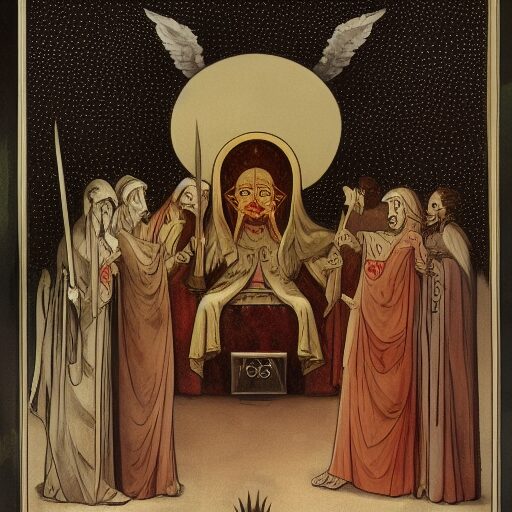
  • The Anatomy of a Witch Hunt – Modern persecution without superstition

    The Anatomy of a Witch Hunt: Modern Persecution Without Superstition

    In the dark corners of history, witch hunts have long been associated with the frenzied persecution of those believed to possess maleficent supernatural powers. Yet, as we advance into the modern age, the phenomenon of witch hunts persists—stripped of its superstitious trappings, but alive in the form of political, social, and digital persecution. This article explores the anatomy of modern witch hunts, dissecting the patterns and motivations that drive society to scapegoat individuals or groups without the invocation of the supernatural.

    Anatomy of a Modern Witch Hunt

    Modern witch hunts unfold through a series of identifiable stages. While they lack the burning stakes or spectral evidence of the past, they are fueled by the same human tendencies toward fear, suspicion, and the desire for homogeneity. The phases of a contemporary witch hunt typically include:

    • Identification: A trigger event, often a scandal or a crime, brings a person or group into the public eye. The identified party is frequently portrayed as a symbolic enemy, embodying broader societal anxieties.
    • Amplification: Media institutions and social networks play a critical role in propagating the perceived threat. The virality and reach of online platforms can accelerate the spread of information—and misinformation—beyond control.
    • Polarization: The issue becomes divisive, forcing individuals and communities to take sides. Norms of civil discourse break down as adversarial identities are reinforced.
    • Condemnation: The targeted party is subjected to public shaming, ridicule, or penalty. This may include formalized condemnation by institutions or informal retribution by online communities.
    • Resolution (or Persistence): The witch hunt either resolves with a formal conclusion, such as a court ruling or retraction, or continues indefinitely, affecting the lives of those targeted.

    Historical Parallels and Patterns

    “The witch-hunt is both the symbol and the practice of irrational aggression in times of stress.” – Arthur Miller, The Crucible

    Arthur Miller’s The Crucible, though set in the Salem witch trials, offers timeless insight into how fear and suspicion can escalate into mass hysteria. This allegory of McCarthyism in 1950s America underlines a fundamental pattern: the exploitation of communal fears to target outliers as a means of reinforcing collective identity. Such patterns persist today in various forms.

    The Role of Media

    In the digital age, the media’s influence on modern witch hunts cannot be overstated. Viral social media campaigns and 24-hour news cycles have created an environment where information is rapidly disseminated, often without adequate verification. According to a Pew Research Center report, a significant portion of Americans obtains news through social media platforms, which not only amplify messages but also sometimes distort them through algorithms that prioritize engagement over accuracy.

    The consequences of this media landscape manifest in immediate public reactions, ranging from hashtag campaigns to more severe outcomes, such as doxxing or SWATting. Media can both ignite witch hunts and serve as platforms for targets to plead their case, though the latter often comes too late or goes unnoticed amidst the noise.

    Psychological Underpinnings

    The psychology of witch hunts has its roots in human nature. The need for belonging, compounded by fear and anxiety, can lead individuals to conspire against perceived threats. Social psychologist Gustave Le Bon remarked on the susceptibility of crowds to irrational behavior in his work, “The Crowd: A Study of the Popular Mind,” noting that crowds unite under emotions rather than logic.

    • Conformity: Individuals are prone to adopting the attitudes and actions of their social groups, particularly during crises.
    • Projection: Society often projects its frustrations and insecurities onto a scapegoat, relieving collective stress through blame.
    • In-group vs. Out-group Dynamics: There’s an inherent tendency to vilify those perceived as outsiders, particularly when social cohesion is threatened.

    Consequences

    The aftermath of a modern witch hunt can have profound effects on both the victims and society at large. For individuals, the impact ranges from loss of reputation and privacy to ongoing threats to personal safety. The damage to victims can be long-lasting, with consequences such as job loss, social isolation, and mental health issues.

    On a societal level, witch hunts erode trust in institutions and media, sow division among communities, and stifle open dialogue. Trust in social and governmental institutions can decrease significantly, leading to a fragmented social fabric.

    Moving Forward: Prevention and Mitigation

    To prevent and mitigate modern-day witch hunts, society must foster environments where reasoned discourse and critical thinking prevail over mob mentality. This involves cultivating media literacy, promoting empathy, and encouraging dialogue across different social strata. Addressing the root causes of fear and division can also alleviate the underlying tensions that fuel witch hunts.

    Organizations and individuals can take proactive steps by advocating for responsible journalism, fact-checking news stories, and holding social media platforms accountable for the content shared on their networks. Education systems can play a pivotal role by incorporating media literacy and critical thinking skills into curriculums, equipping future generations to navigate the complexities of information in the digital age.

    In conclusion, while the trappings of witch hunts may have evolved, their essence remains rooted in shared human vulnerabilities. By understanding the anatomy of modern witch hunts, society can better recognize and counteract these episodes of collective persecution, ensuring that justice and reason prevail over fear and aggression.

  • Tradition Under Siege – Ancient faiths facing modern power

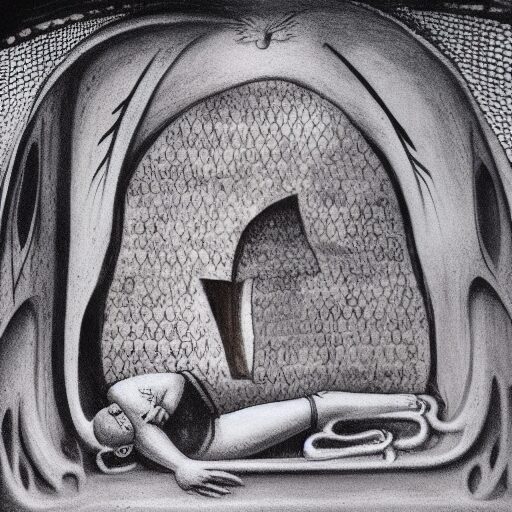
    Tradition Under Siege – Ancient faiths facing modern power

    Tradition Under Siege: Ancient Faiths Facing Modern Power

    In a rapidly evolving world, ancient faiths find themselves in an ongoing struggle to preserve their traditions against the tides of modernization and globalization. These religious practices, some of which have existed for thousands of years, are increasingly challenged by societal changes, technological advancements, and political pressures.

    The Clash of Old and New

    As globalization continues its relentless march, traditional beliefs often come into conflict with new ideas and practices. The Economist notes, “Traditional societies face pressure to adapt to new cultural norms and technologies, impacting both their spiritual and daily lives” (The Economist).

    • Technology’s Double-Edged Sword: While modern technology offers platforms for wider communication and the spread of traditional cultures, it also brings westernized cultural values that can dilute or replace indigenous beliefs.
    • Political Pressures: Governments may impose regulations that conflict with religious practices. Countries like China and India face criticism for policies seen as infringing on religious freedoms.

      “Faith communities struggle to maintain their customs in the face of political frameworks that often prioritize national unity over individual freedoms,” stated a report from Human Rights Watch.

    Preservation Efforts

    To combat these challenges, numerous initiatives worldwide aim to preserve and honor these ancient traditions:

    • Cultural Education: Some communities have initiated educational programs to teach younger generations their history and traditions. For instance, Maori schools in New Zealand incorporate traditional crafts and language into their curricula.
    • Digital Archives: Projects like the Endangered Languages Project work to document and archive obscure languages that are at risk of extinction due to declining native speaker numbers.

    Global Support and Recognition

    International organizations are also stepping up to support the survival of these cultural heritages. UNESCO, for instance, has designated numerous traditional practices as part of the “Intangible Cultural Heritage of Humanity.” Such recognition helps raise awareness and appreciation for these practices globally.

    The intersection of ancient faiths and modern power presents both challenges and opportunities. While the clash of cultures threatens the continuity of traditional practices, increased global attention and efforts at preservation signify hope for the endurance of these ancient legacies. As the world becomes more interconnected, the preservation of these sacred traditions becomes not just about maintaining cultures but also about fostering global diversity and understanding.

  • The Bureaucrat’s Prayer — Paperwork as penance

    The Bureaucrat’s Prayer — Paperwork as penance

    The Bureaucrat’s Prayer: Paperwork as Penance

    In the modern world, where the digital revolution has promised the simplification of tasks and the streamlining of processes, one might naively believe that paperwork is a relic of the past. However, bureaucracy remains a steadfast institution, grounded in a ritualistic devotion to forms, documents, and endless rows of data. Paperwork, in many governmental and corporate spheres, has become not only a necessity but a penance—a cleansing ritual that seeks to redeem its followers through meticulous attention to detail and procedural diligence.

    The Origins of Bureaucratic Devotion

    Max Weber, the German sociologist, was among the first to explore the concept of bureaucracy extensively. His work identified bureaucracy as a highly efficient form of organization—one deeply rooted in rules and hierarchical order. He noted, “The fully developed bureaucratic apparatus compares with other organizations exactly as does the machine with the non-mechanical modes of production.” (Source) Far from being mere red tape, bureaucracy was seen as the cornerstone of order and rationality in modern societies.

    Yet, this structured efficiency comes at a psychological and social cost. As one anonymous civil servant quipped, “Bureaucracy defends the status quo long past the time when the quo has lost its status.” Indeed, paperwork survives as a means of reinforcing existing structures, often becoming an end in itself rather than a means to an effective outcome.

    Paperwork as a Ritual

    The act of completing paperwork has evolved into a ceremonial practice. Like a priest tending to sacred manuscripts, bureaucrats handle forms with reverence and an acute awareness of their symbolic significance. This ritual practice serves several functions:

    • Validation: Paperwork acts as a method of validating existence and function. Without a documented trail, actions might as well have not occurred.
    • Control: By its nature, paperwork ensures that all actions are supervised, reviewed, and recorded, safeguarding against deviations.
    • Legacy: As digitalization progresses, paperwork still offers a tangible form of archiving, reminiscent of ancient tablets and scrolls.

    While these functions serve important purposes, they also contribute to a significant burden on individuals within these systems. The overwhelming demand for detailed documentation can impede creativity, slow processes, and engender frustration.

    The Psychological Toll

    Filling forms and checking boxes might seem benign, yet the psychological impact of excessive paperwork is substantial. According to the American Psychological Association (APA), continuous exposure to bureaucratic processes can lead to stress and burnout: “The repetitive nature of bureaucratic tasks can lead to a sense of loss of agency and autonomy, contributing to a rise in occupational stress levels.” (Source)

    Moreover, the pressure to conform to bureaucratic standards can stifle innovation. As William Whyte, author of The Organization Man, argues: “The organization places a premium on those who will be a good ‘fit’—those who will follow the unwritten rules without question.” The consequence is a uniformity that discourages divergent thinking and penalizes those who challenge the status quo.

    The Digital Promise

    While the digital age has introduced numerous tools aimed at reducing our dependency on traditional paperwork, the essence of bureaucracy remains resilient. Digital forms, though more accessible, often replicate the complexity and rigidity of their paper counterparts. Far from freeing us, technology has sometimes doubled the burden by necessitating both physical and digital records.

    “Going paperless is not about getting rid of paper. It’s about getting rid of unnecessary paper.” – Anonymous

    A shift toward a true digital transformation requires not only new tools but a rethinking of the bureaucratic mindset—one that embraces flexibility, efficiency, and trust in automated systems.

    Embracing Modern Penance

    To turn paperwork from penance to purposeful, organizations must focus on reevaluating their internal processes:

    • Streamline: Simplify forms and processes to eliminate redundancy and encourage efficiency.
    • Digitize thoughtfully: Use digital tools to enhance human creativity, not as mere replacements for paper.
    • Empower employees: Cultivate a culture of trust that values employee input, encourages innovation, and supports autonomy.

    While bureaucracy and paperwork will likely never disappear completely, a change in approach can transform them from a burden into an opportunity for meaningful engagement. By redefining the sacred modes of paperwork, modern society may yet find redemption in the bureaucrat’s prayer.