Tag: isolation

  • The Desert Path – How Isolation Can Become Sacred

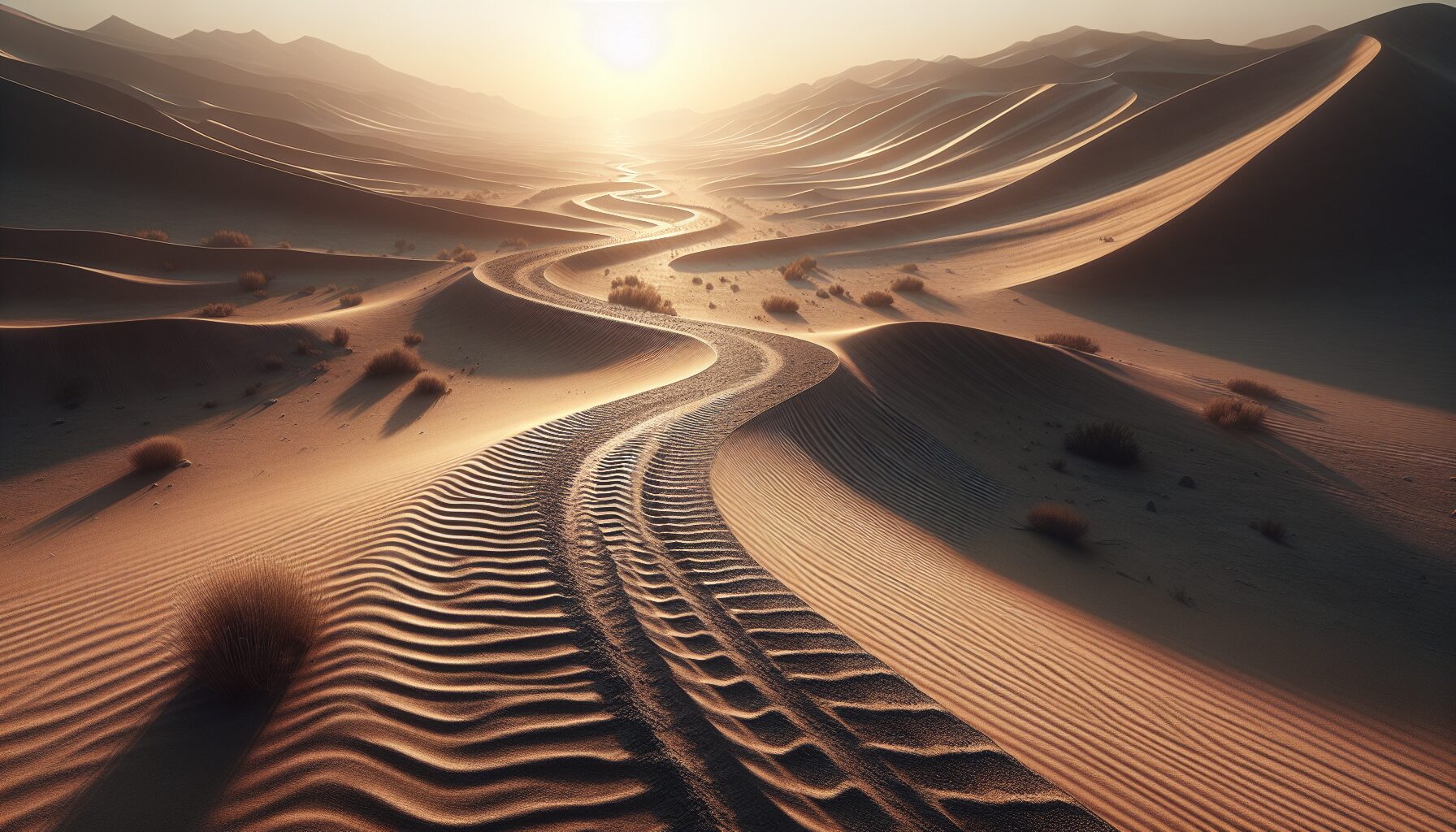
    The Desert Path – How Isolation Can Become Sacred

    Isolation often conjures images of loneliness or abandonment, but throughout history, deserts have been viewed as places of profound spiritual significance. These arid landscapes, commonly perceived as desolate, offer unique opportunities for introspection and transformation.

    The Spiritual Significance of Deserts

    Deserts have long been the cradle of spiritual awakening. Many religious figures, from Moses to Jesus to Muhammad, have sought solace and divine insight in the quietude of the desert. This tradition underscores the belief that isolation in such barren landscapes can strip away distractions and connect individuals to a higher purpose.

    “The desert holds an allure exactly because it seems opposed to life. Within it lies the essence that nothingness can still provide everything.” – Laura Kasischke, poet and novelist.

    Connecting With the Self

    Modern spiritual seekers often turn to deserts to find themselves. With no one around to influence thoughts and decisions, individuals can confront their true selves. This solitude allows for a reevaluation of life’s goals and priorities, offering a chance to realign with one’s personal values.

    • Meditation and Reflection: The stillness of the desert facilitates deep meditation and reflection, providing a blank canvas for the mind to explore its depths.
    • Break from Noise: Away from the urban cacophony, the desert offers a break from societal pressures, allowing for a genuine exploration of inner thoughts.

    Environmental Connections

    Despite their harsh conditions, deserts are ecosystems teeming with life that has adapted to extreme circumstances. This resilience symbolizes potential for personal growth amidst adversity. The desert teaches adaptability and resilience, essential traits for personal and spiritual development.

    • Resilience of Flora and Fauna: Observing how life thrives under challenging conditions can inspire similar perseverance in humans.
    • Interconnectedness: The simple yet intricate ecosystem of the desert highlights the beauty of interconnected life even in isolation.

    A Sacred Space for Rebirth

    Venturing into the desert is often described as a journey of transformation. The absence of structures and conveniences found in populated areas leaves individuals with raw nature and their own thoughts. It is in this stark environment that many have experienced profound epiphanies, emerging renewed and enlightened.

    “What makes the desert beautiful is that somewhere it hides a well.” – Antoine de Saint-Exupéry, aviator and author.

    In conclusion, the desert path is a sacred journey not just through geography, but into the depth of one’s soul. By embracing isolation, individuals often find the most meaningful connections—with themselves, their spirituality, and the natural world.

  • Spirit in the Wilderness – Strengths Found Only in Isolation

    Spirit in the Wilderness – Strengths Found Only in Isolation

    In the vastness of the wilderness, isolation envelops the spirit in a manner that obliges introspection and personal growth. History and nature have shown us time and again that solitude, often feared by many, kindles a unique fire of strength within those brave enough to embrace it. Whether it be the arid desert, the dense forest, or the icy tundra, these environments serve as fertile grounds for developing profound resilience.

    “In the wilderness, we rediscover purpose and strength that can be elusive in the hustle of daily life,” notes John Muir, a well-known naturalist, in his reflections about the power of solitary experiences.

    The Power of Solitude

    The power of solitude lies not just in the survival against physical elements but in confronting one’s inner self. As National Geographic elaborates, “wilderness acts as a balm in the face of modern life’s discontent, providing a spiritual and psychological boost by taking people away from their hectic environments.”

    Development of Resilience

    Isolation in nature facilitates resilience through the following ways:

    • Self-reliance: With no immediate help available, individuals are forced to depend on their ingenuity and resourcefulness.
    • Emotional endurance: Facing fears and uncertainties alone can lead to greater emotional strength.
    • Clarity and Focus: The absence of distraction allows for deep contemplation and a better understanding of one’s goals and desires.
    • Perspective: Time in the wilderness offers a chance to step back and gain a broader outlook on life, often leading to a renewed approach upon return.

    Inspirational Examples

    Throughout history, numerous figures have harnessed isolation to achieve powerful transformations. From Thoreau’s experiment at Walden Pond to Cheryl Strayed’s solo trek along the Pacific Crest Trail, narratives abound of those who have found strength and clarity through isolated journeys.

    Indeed, as author Henry David Thoreau aptly stated in his profound reflections on solitude, “I never found the companion that was so companionable as solitude.” This encapsulates the paradox of isolation—though it may seem lonely, it is in these moments alone that we often find our greatest company and strength within.

    Time spent in the wilderness, away from society’s incessant noise, may initially seem daunting but offers invaluable gifts. It is in these isolated moments that individuals connect deeply with their inner selves, revealing incredible strengths that lay dormant within.