Tag: hidden

  • Sacred Secrecy – The protective necessity of the “Occult” (hidden).

    Sacred Secrecy – The protective necessity of the “Occult” (hidden).


    Sacred Secrecy – The Protective Necessity of the “Occult” (Hidden)

    Sacred SecrecyThe Protective Necessity of the “Occult” (Hidden)

    In the veil of timelessness, whispers echo through the cosmic halls – secrets guarded by the ancients and the unseen. These are the tales of the Occult, a realm where reality intertwines with mythology, shrouded in an enigma as old as the stars themselves.

    An Unspoken Bond

    • The bond between humanity and these ancient secrets is as old as our race itself. It transcends the boundaries of language, civilization, and cultural evolution, resonating within the deepest recesses of our collective unconscious.
    • The Occult, however, is not merely a relic of antiquity; it persists in modern times as well, cloaked in a veil of ambiguity and mysticism, yet permeating the fabric of our existence.

    The Protective Veil

    The protective necessity of the Occult lies in its very nature – a hidden realm accessible only to those who possess the right knowledge and the courage to delve into the abyss. This secretion serves as a safeguard, shielding humanity from the raw and untamed forces that lie beyond our understanding.

    A Bridge Between Worlds

    The Occult is not an enemy to be vanquished or a foe to be feared, but rather a bridge connecting the known and the unknown, the seen and the unseen. Its protective veil is the bulwark against chaos, ensuring that the delicate balance of the universe remains undisturbed – a testament to the enduring wisdom of our ancestors.

  • Under the Radar – The hidden struggle of underground belief systems.

    Under the Radar – The hidden struggle of underground belief systems.

    Under the Radar – The Hidden Struggle of Underground Belief Systems

    The world is full of stories that are yet to be told, of voices that remain unheard and of struggles that are hidden from public view. One such story is the ongoing battle faced by underground belief systems, which often go unnoticed despite their significant impact on individuals and communities.

    What Are Underground Belief Systems?

    Underground belief systems refer to non-traditional or alternative spiritual paths that exist outside of mainstream religious practices. These systems can include everything from esoteric practices like Wicca or paganism, to metaphysical movements like Theosophy or Scientology. Despite their diversity, underground belief systems often share a common thread – they are frequently met with skepticism and even persecution by the broader society.

    The Struggle is Real

    “I’ve faced so much resistance from my family and community just for practicing Wicca,” says Emily Johnson, a 30-year-old Wiccan priestess. “They don’t understand why I’m ‘picking and choosing’ from different religions or why I’m trying to connect with the divine in my own way.”

    This struggle is not unique to Emily’s experience alone. Many individuals who follow underground belief systems report feeling isolated, misunderstood, and even marginalized by society.

    The Dark Side of Mainstream Religions

    In some cases, mainstream religions have been known to actively suppress or condemn underground belief systems. For example, the Church of Scientology has been accused of using intimidation tactics against former members who try to leave the organization.

    “Historically, religions have always tried to control and dominate each other,” says Dr. James Tabor, a religious studies expert at the University of North Carolina at Charlotte. “But in today’s world, we’re seeing more and more people seeking out alternative spiritual paths that allow them to connect with something deeper and more meaningful than what traditional religions can offer.”

    The Power of Community

    Despite the challenges they face, underground belief systems often thrive due to their strong sense of community. Members of these groups frequently form close bonds with one another, providing emotional support and a sense of belonging that can be hard to find elsewhere.

    “In my experience, being part of an underground belief system has given me a sense of freedom and autonomy that I never had before,” says Jessie Rodriguez, a 25-year-old follower of the pagan movement. “I’m able to express myself honestly and authentically, without fear of judgment or persecution.”

    A Call to Action

    So what can we do to support these hidden belief systems? One place to start is by acknowledging their existence and offering them a platform for expression.

    “It’s time for us to recognize that there are many different paths to spirituality, and that’s okay,” says Karen Armstrong, a renowned author and spiritual commentator. “By embracing diversity and inclusivity, we can create a more harmonious and compassionate world – one where everyone has the freedom to explore their own beliefs and values.”

    Resources

    * The Wiccan Rede: A Guide to Modern Witchcraft [PDF]
    * The Pagan Federation: A Global Community of Pagans
    * The Church of Scientology: Official Website

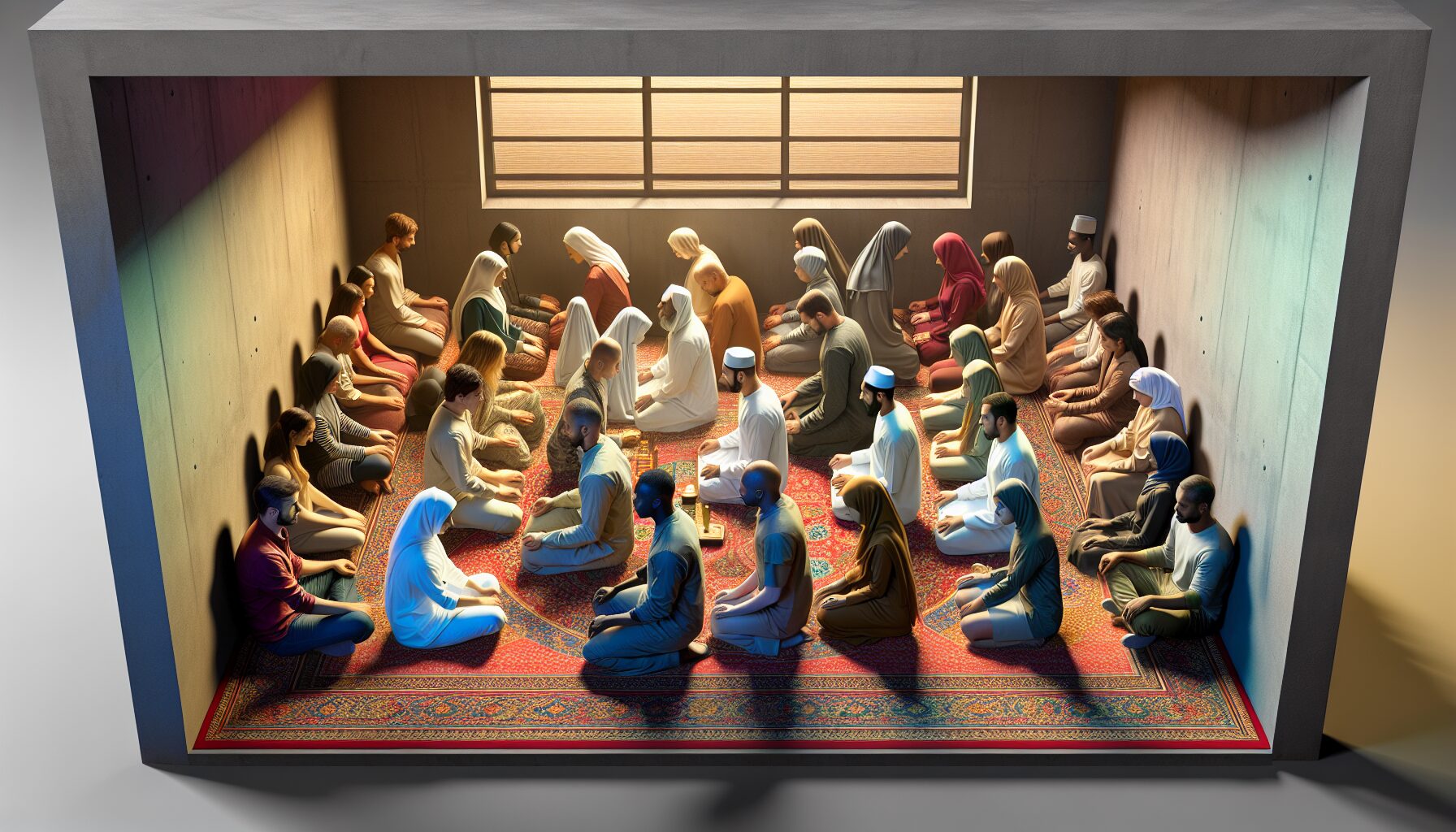
  • Rituals in Hiding – Preserving tradition under constant risk

    Rituals in Hiding – Preserving tradition under constant risk

    Introduction

    Throughout history, rituals have played a crucial role in forming communal identities and upholding cultural beliefs. However, not all rituals are openly practiced; some undergo a process of concealment to ensure their survival amid repression, political upheaval, or cultural assimilation. This article delves into the importance of these hidden rituals and the resilient human spirit that preserves them despite constant risk.

    The Role of Rituals in Society

    Rituals serve various purposes in human society, from religious observances to the solemn recognition of life’s milestones. According to the philosopher Emile Durkheim, rituals are essential for the cohesion and moral basis of society, providing individuals with a sense of belonging and shared purpose (Stanford Encyclopedia of Philosophy).

    • Religious Significance: Rituals are often inherent in religious beliefs, offering a tangible connection to the divine.
    • Cultural Identity: They represent the values, traditions, and history of a community.
    • Social Structure: Rituals can reinforce hierarchies and social roles, providing a sense of order.

    The Threats to Rituals

    Despite their importance, rituals can come under threat from various forces, endangering their continuity:

    Cultural assimilation can lead to the erosion of traditional practices as communities adapt or are coerced into adopting the dominant culture’s customs.” – James Clifford, cultural anthropologist

    Political Repression

    Political regimes often see minority or counter-establishment rituals as a threat to their authority. For instance, the suppression of religious ceremonies in Soviet Russia drove many practices underground, reflecting a conscious effort to maintain religious identity away from the watchful eyes of the state.

    Globalization and Homogenization

    The monolithic spread of global culture often leaves traditional practices vulnerable. The young may abandon ancestral ways in favor of global trends, leading to a gradual fading of tradition.

    Hidden Rituals: A Form of Resistance

    In response to these threats, many communities have resorted to hiding their rituals, transforming them into acts of cultural defiance and resilience.

    The Crypto-Jews of Spain and Portugal

    During the Spanish and Portuguese Inquisitions, many Sephardic Jews publicly converted to Christianity while secretly maintaining their Jewish rituals. These “Crypto-Jews” clandestinely practiced ceremonies such as lighting candles on Fridays for the Sabbath, thus preserving their identity despite severe penalties.

    Indigenous Practices in Latin America

    The colonization of Latin America brought oppressive efforts to eradicate indigenous rituals. However, many native traditions were disguised as Christian practices, allowing them to survive beneath a façade of accepted religious observance. For example, the syncretic blending of Catholicism and indigenous beliefs in Mexico led to the celebration of the Día de los Muertos, which harmoniously incorporates elements from both traditions.

    The Importance of Preserving Hidden Rituals

    The preservation of hidden rituals is not merely about maintaining customs but is a matter of safeguarding cultural heritage and identity.

    Cultural Diversity

    Rituals contribute to the vibrant tapestry of human culture. Their preservation allows for cultural diversity to thrive, fostering understanding and respect among different communities.

    Empowerment and Resilience

    Engaging in hidden rituals can empower marginalized communities, instilling a sense of pride and resilience. It enables a connection to ancestral traditions and reinforces a strong cultural identity in the face of adversity.

    The revitalization of rituals sustains a culture’s heart, breathing life into traditions that define and distinguish a community.” – Clifford Geertz, anthropologist

    Conclusion

    In a world marred by constant change and pressure, the act of preserving hidden rituals emerges as a profound form of cultural resilience. Whether prompted by political repression or cultural assimilation, the perseverance to maintain these traditions eloquently speaks to the enduring human spirit and its quest for identity. As these rituals quietly unfold away from prying eyes, they not only safeguard the past but also enrich the future through vibrant cultural diversity.

    From the echoes of the past to the whispers of today, hidden rituals remain a powerful testament to humanity’s unwavering dedication to preserving its rich tapestry of beliefs and practices.

    Thus, in hiding, these rituals continue to thrive against all odds, perpetually fueling the fires of cultural endurance.


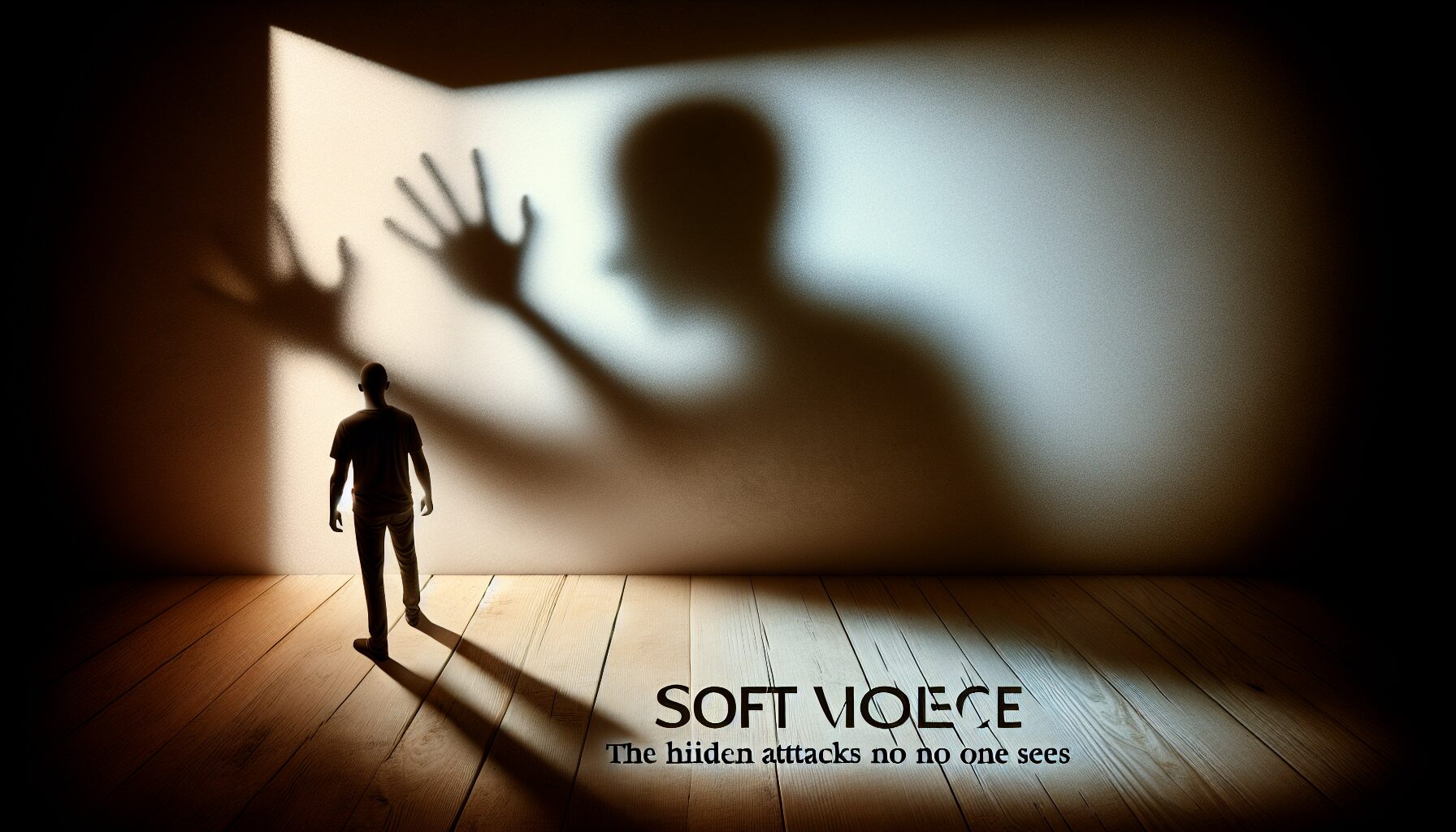
  • Soft Violence – The Hidden Attacks No One Sees

    Soft Violence – The Hidden Attacks No One Sees

    Soft Violence: The Hidden Attacks No One Sees

    In the shadows of everyday interactions, a subtle and often overlooked form of aggression lurks—soft violence. Unlike the physical blows that are more easily spotted and addressed, soft violence consists of nuanced, psychological attacks that manipulate and degrade their victims’ emotional and mental stability.

    Understanding Soft Violence

    Soft violence can best be described as a suite of behaviors that aim to silently undermine one’s self-esteem, confidence, and sense of reality. These behaviors include gaslighting, passive-aggression, silent treatment, and persistent criticism. According to renowned psychologist Paula E. Caplan, “Gaslighting produces anxiety, depression, and a variety of self-doubt in the victim.” (Psychology Today October 2019).

    Victims of soft violence often find themselves in a continuous loop of self-doubt and psychological disarray. The subtlety of these attacks makes them difficult to address and leaves many victims questioning the validity of their experiences.

    Common Forms of Soft Violence

    • Gaslighting: This involves making someone doubt their memories or perceptions through outright denial, manipulation, and lying.
    • Passive Aggression: This indirect expression of hostility can manifest as procrastination, feigned incompetence, or deliberate failure to complete tasks.
    • Silent Treatment: Using silence as a weapon to control or punish the victim.
    • Persistent Criticism: Constant, subtle put-downs that erode a person’s self-worth over time.

    The Impact of Soft Violence

    While it may not result in physical scars, soft violence leaves profound psychological impacts. Victims often experience chronic stress, anxiety, and depression. In the words of Dr. Deborah Khoshaba, “The scars that are suffered are deep and often ignored because they lack the physical manifestation.”

    Addressing Soft Violence

    To combat soft violence, awareness must be raised about its existence and consequences. Open dialogues about mental health and emotional abuse are crucial steps to empower victims and hold perpetrators accountable. Staging interventions or seeking professional guidance can provide the necessary support for those entangled in such toxic dynamics.

    “Emotional abuse is just as damaging as physical abuse, though it is often harder to recognize and comes with the excuse that it’s not really that bad.” — Cat Lantigua, Everyday Feminism (2015)

    By spotlighting these hidden attacks, society can foster a more supportive environment for victims, helping them reclaim their power and sense of self-worth.