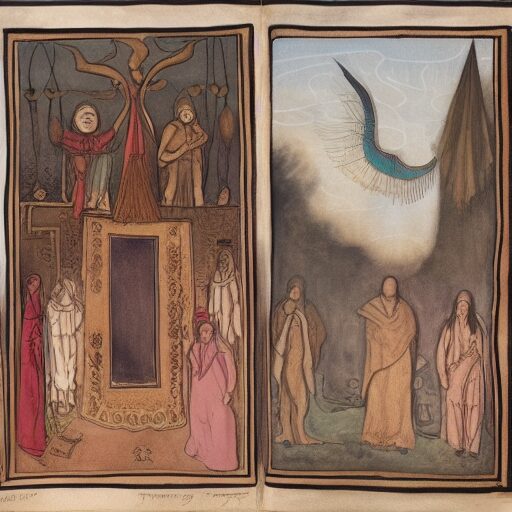
Tag: heritage

  • The Exile’s Chant – Stories of displaced communities and their stolen rites.

    The Exile’s Chant – Stories of displaced communities and their stolen rites.

    The Exile’s Chant – Stories of Displaced Communities and Their Stolen Rites

    As the world grapples with the crisis of climate change, forced migration, and social upheaval, the stories of displaced communities are being heard loud and clear. In this article, we will explore the tales of those who have lost their homes, cultures, and sacred traditions due to displacement.

    African Rites: A Cultural Heritage in Peril

    • Judith Okello, a Kenyan refugee living in Uganda, recalls her childhood memories of performing traditional dances at family gatherings. “Our cultural practices were an integral part of our daily lives,” she says. “We would dance to honor the ancestors and mark special occasions.”
    • In many African communities, the displacement caused by conflict, poverty, or environmental factors has led to the erosion of these sacred traditions.
    • “When we lost our homes, we also lost our cultural heritage,” notes Alexis Okechukwu, a Nigerian refugee living in Cameroon. “We’re fighting to preserve our traditions and pass them down to future generations.”

    Americas: The Quest for Identity

    • Dr. Maria Rodriguez, an anthropologist specializing in Latin American cultures, notes that the displacement of indigenous peoples has resulted in the loss of cultural practices and spiritual connections.
    • “The forced assimilation policies imposed on indigenous communities have led to the erasure of their languages, customs, and belief systems,” she says. “It’s a tragic reminder of the impact of colonialism.”

    Asia: A Region of Resilience

    • Southeast Asian refugees, such as those from Myanmar, Thailand, or Cambodia, have faced significant cultural and spiritual challenges during their displacement.
    • “We’ve had to adapt our traditions to new environments,” notes Khine Hnin Lwin, a Burmese refugee living in Malaysia. “But we’re working hard to preserve our cultural heritage for future generations.”

    A Call to Action: Preserving Cultural Heritage

    “The stories of displaced communities are not just about the past; they also hold the key to building a more inclusive and sustainable future,” says Dr. Maria Rodriguez.

    In conclusion, the experiences of displaced communities highlight the urgent need for preserving cultural heritage and promoting intercultural understanding. As we strive to build a better world, it is essential that we recognize the significance of these stories and work towards creating a more compassionate and inclusive society for all.
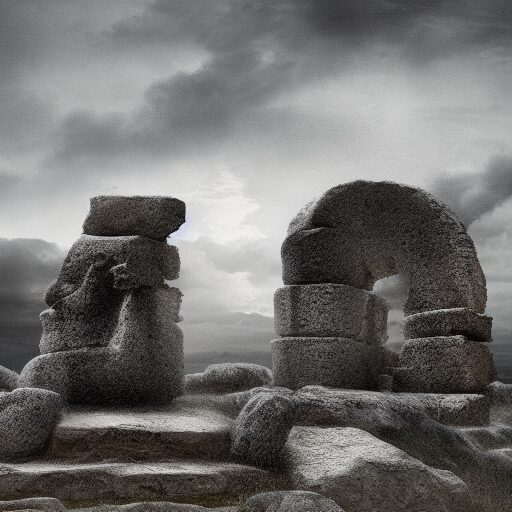
    Learn more about the United Nations High Commissioner for Refugees (UNHCR) and their efforts to support displaced communities.

  • The Silence of the Stones – Documenting the destruction of ancient sacred sites.

    The Silence of the Stones – Documenting the destruction of ancient sacred sites.

    The Silence of the Stones – Documenting the destruction of ancient sacred sites

    As the world grapples with its modern complexities, a silent tragedy unfolds beneath our very feet. Ancient sacred sites, steeped in history and spirituality, are being ravaged at an alarming rate. In this article, we’ll delve into the devastating consequences of humanity’s neglect and explore the efforts underway to preserve these cultural treasures.

    The Global Crisis

    • Loss of Cultural Heritage: According to UNESCO, approximately 25% of all known archaeological sites are at risk due to human activities. This staggering figure includes many ancient sacred sites, leaving cultural heritage in peril.
    • ‘The destruction of these sites is not just a loss for the local communities but a loss for humanity as a whole.’ – Dr. Maria del Carmen Pérez García, UNESCO

    In many cases, these ancient sites are being desecrated by human activities such as mining, construction, and urbanization. The destruction is not limited to physical structures; it also encompasses the cultural and spiritual significance attached to these sites.

    The Consequences

    • Erasure of Cultural Identity: The loss of ancient sacred sites can lead to the erasure of cultural identities, as communities’ connection to their history and spirituality is severed.
    • ‘The desecration of these sites silences the voices of our ancestors, leaving us with nothing but a void.’ – Chief Arvol Looking Horse, Indigenous leader

    The destruction of these sites also has profound environmental implications. Many ancient cultures were deeply connected to nature and respected the delicate balance between humans and the environment.

    The Efforts to Preserve

    A growing movement is underway to document, protect, and preserve these sacred sites. Organizations such as UNESCO’s World Heritage Centre and the International Council on Monuments and Sites (ICOMOS) are working tirelessly to safeguard these cultural treasures.

    ‘It is essential that we prioritize the preservation of our shared cultural heritage before it is too late.’ – Dr. Irina Bokova, Former Director-General of UNESCO

    You can help make a difference by supporting organizations dedicated to preserving ancient sacred sites. Together, we can ensure that these cultural and spiritual treasures continue to whisper their secrets to future generations.

    Learn more about UNESCO’s World Heritage Centre
    Visit the International Council on Monuments and Sites (ICOMOS) website