Tag: faiths

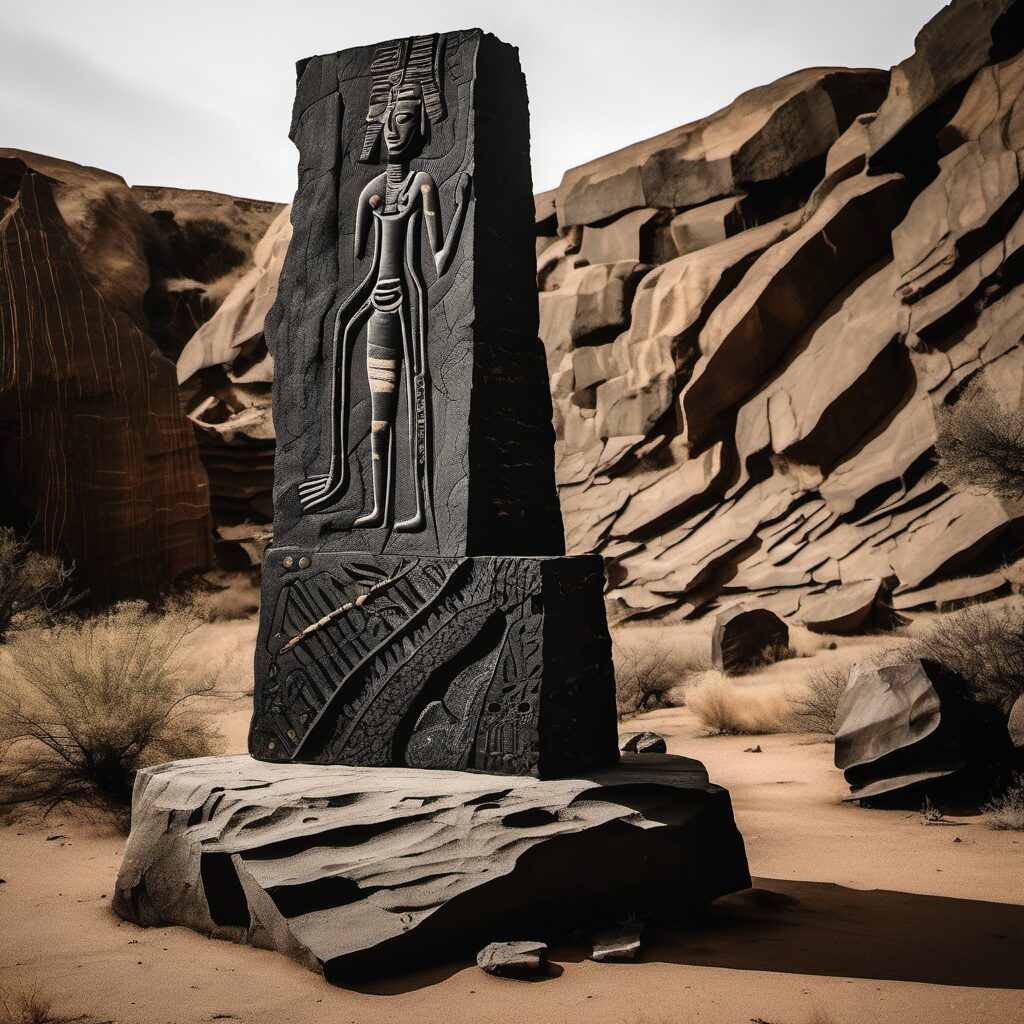
  • Voodoo and the Law – The long history of criminalizing African diasporic faiths.

    Voodoo and the Law – The long history of criminalizing African diasporic faiths.


    Voodoo and the Law – The long history of criminalizing African diasporic faiths

    Voodoo and the Law – The long history of criminalizing African diasporic faiths

    In a world that prides itself on religious freedom, it’s disconcerting to note the history of discrimination against African diasporic religions, particularly Voodoo. This article delves into the complexities and long-standing issues surrounding the criminalization of these faiths.

    “The belief that Voodoo is a threat to society has deep roots in American history.” – Dr. Amy Wilentz, author and professor of journalism at Columbia University. (Source)

    The roots of the issue

    • Colonialism: European colonizers brought with them a Western religious perspective that viewed African religions as “pagan” and “primitive.”
    • Slavery: Slave owners feared Voodoo’s potential to unify enslaved Africans, leading to numerous laws banning the practice in various colonies.
    • Misrepresentation: Hollywood portrayals of Voodoo as evil and violent further perpetuated negative stereotypes.

    Modern-day challenges

    Despite the abolition of slavery, African diasporic faiths continue to face discrimination. In some countries, practitioners are still subjected to harassment, imprisonment, and even violence.

    “The Voodoo religion is not a joke; it’s a real thing. It’s been here for a long time. A lot of people don’t understand it because they don’t know about it.” – Priestess Miriam Chamani, Haitian Voodoo priestess (Source)

    The call for change

    Advocates are pushing for greater understanding and acceptance of African diasporic faiths. They argue that these religions not only deserve respect but also contribute positively to the communities in which they exist.

  • The Paper Wall – How bureaucracy is used to stifle minority faiths.

    The Paper Wall – How bureaucracy is used to stifle minority faiths.


    The Paper Wall – How Bureaucracy is Used to Stifle Minority Faiths


    The Paper Wall – How bureaucracy is used to stifle minority faiths

    Minority religious groups around the world face unique challenges in exercising their right to freedom of religion or belief. One significant obstacle is bureaucratic hurdles that can effectively silence their voices and restrict their practices.

    • Permititis: In some countries, minority faiths are forced to navigate a complex web of permits and licenses just to hold religious services or construct places of worship. For instance, the African Institute for Advanced Christian Studies (AIACS) reported that in Nigeria, the Muslim-majority government requires Christian churches to obtain special permits, which can be denied arbitrarily.
    • Red tape: Minority faiths often encounter unnecessary administrative barriers when trying to register their religious organizations or obtain legal recognition. The International Association of Religion Journalists (IARJ) noted that in India, the government requires non-Hindu religious groups to undergo a lengthy and cumbersome registration process.
    • Lack of representation: Minority faiths may not have adequate representation on government-appointed bodies or interfaith councils, limiting their ability to advocate for their rights and interests. The National Council for Therapeutic Communication (NCTC) reported that in the United States, Muslim and Sikh communities face significant underrepresentation on state-level religious freedom commissions.

    “The bureaucratic hurdles we face are not just obstacles but actual barriers to our very existence.” – Dr. Ngozi Okoro, Director of AIACS

    These challenges can have serious consequences for minority faiths. They may be forced to operate in secret or go underground, leading to increased risk of persecution and violence. The United Nations Special Rapporteur on Freedom of Religion or Belief has repeatedly emphasized the need for governments to respect and protect the rights of minority faiths.

    By recognizing and addressing these bureaucratic barriers, we can help create a more inclusive environment where all religions and beliefs are valued and respected. As Dr. Okoro noted, “We must not be silenced by red tape. We must use our voices to demand justice and equality.”


  • Tradition Under Siege – Ancient faiths facing modern power

    Tradition Under Siege – Ancient faiths facing modern power

    Tradition Under Siege: Ancient Faiths Facing Modern Power

    In a rapidly evolving world, ancient faiths find themselves in an ongoing struggle to preserve their traditions against the tides of modernization and globalization. These religious practices, some of which have existed for thousands of years, are increasingly challenged by societal changes, technological advancements, and political pressures.

    The Clash of Old and New

    As globalization continues its relentless march, traditional beliefs often come into conflict with new ideas and practices. The Economist notes, “Traditional societies face pressure to adapt to new cultural norms and technologies, impacting both their spiritual and daily lives” (The Economist).

    • Technology’s Double-Edged Sword: While modern technology offers platforms for wider communication and the spread of traditional cultures, it also brings westernized cultural values that can dilute or replace indigenous beliefs.
    • Political Pressures: Governments may impose regulations that conflict with religious practices. Countries like China and India face criticism for policies seen as infringing on religious freedoms.

      “Faith communities struggle to maintain their customs in the face of political frameworks that often prioritize national unity over individual freedoms,” stated a report from Human Rights Watch.

    Preservation Efforts

    To combat these challenges, numerous initiatives worldwide aim to preserve and honor these ancient traditions:

    • Cultural Education: Some communities have initiated educational programs to teach younger generations their history and traditions. For instance, Maori schools in New Zealand incorporate traditional crafts and language into their curricula.
    • Digital Archives: Projects like the Endangered Languages Project work to document and archive obscure languages that are at risk of extinction due to declining native speaker numbers.

    Global Support and Recognition

    International organizations are also stepping up to support the survival of these cultural heritages. UNESCO, for instance, has designated numerous traditional practices as part of the “Intangible Cultural Heritage of Humanity.” Such recognition helps raise awareness and appreciation for these practices globally.

    The intersection of ancient faiths and modern power presents both challenges and opportunities. While the clash of cultures threatens the continuity of traditional practices, increased global attention and efforts at preservation signify hope for the endurance of these ancient legacies. As the world becomes more interconnected, the preservation of these sacred traditions becomes not just about maintaining cultures but also about fostering global diversity and understanding.