Tag: early

  • The Alchemist’s Prison – Why early scientists were branded as heretics.

    The Alchemist’s Prison – Why early scientists were branded as heretics.


    The Alchemist’s Prison – Why early scientists were branded as heretics

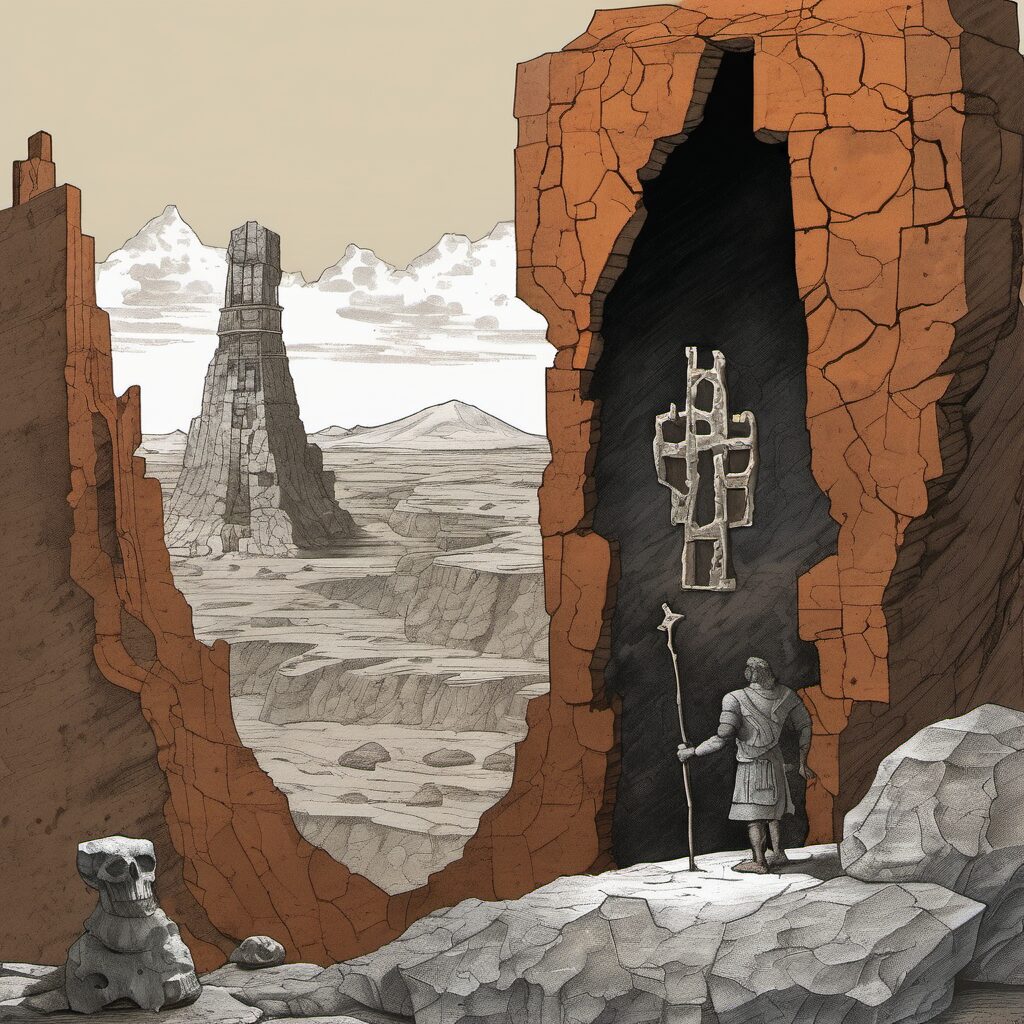
    The Alchemist’s Prison: A Hidden Chapter in the History of Science

    In a world where the boundaries between science and superstition were blurred, early scientists faced an uphill battle. Many were branded as heretics, their work suppressed or even punished by the established church and society. As we delve into the annals of history, we find fascinating tales of pioneering minds who dared to challenge the status quo, often paying a heavy price for their curiosity.

    Galileo Galilei: The Father of Modern Science

    “And yet it moves.” – Galileo Galilei

    One such individual was Galileo Galilei, an Italian astronomer who made groundbreaking discoveries in the field of physics and astronomy. His observations of celestial bodies through the telescope challenged the geocentric model of the universe, which placed Earth at the center. This heresy, as it was deemed by the church, led to Galileo’s trial in 1633 and subsequent house arrest until his death.

    Robert Boyle: The Founder of Modern Chemistry

    “The great book of Nature is written in the language of mathematics.” – Robert Boyle

    Another notable figure was Robert Boyle, an English chemist who is considered the father of modern chemistry. His experiments on air pressure and gas laws were revolutionary for their time. However, his support of the scientific method and rejection of Aristotelian physics led to accusations of heresy from some quarters.

    The Inquisition: A Time of Fear and Intolerance

    The Inquisition, a tribunal established by the Catholic Church in the late Middle Ages to combat heresy, played a significant role in suppressing scientific progress. Many scientists were interrogated, tortured, or even executed for their beliefs. This dark chapter in history casts a shadow over our understanding of the development of science and serves as a stark reminder of the dangers of intolerance.

    Lessons Learned: The Importance of Science and Freedom of Thought

    Today, we can appreciate the courage and determination of these early scientists who, despite facing persecution, pushed forward the boundaries of human knowledge. Their stories serve as a reminder that science thrives when inquiry is encouraged and freedom of thought is valued. As we continue to explore the mysteries of the universe, let us remember their struggle and strive for a more enlightened world.


  • When Communities Go Underground – Adaptation under repression

    When Communities Go Underground – Adaptation under repression

    When Communities Go Underground: Adaptation Under Repression

    Throughout history, human communities have faced various forms of repression. Whether due to political, social, or religious persecution, numerous societies have chosen to adapt by moving their activities underground. This mode of survival has allowed these groups to preserve their identity, culture, and beliefs while navigating the perilous terrains of oppression.

    The Origins of Underground Societies

    The concept of ‘going underground’ is not new. From early Christian communities hiding from Roman persecution to political dissidents during oppressive regimes, the underground has served as a haven for those marginalized by dominant powers.

    For instance, during the 20th century, many Eastern European intellectuals and activists operated in secret to counter Soviet censorship. According to Anne Applebaum, a historian known for her work on authoritarian regimes, “The underground has always been a place where those who oppose the status quo can forge their paths, even in the face of tremendous danger” (Anne Applebaum).

    Mechanisms of Underground Adaptation

    • Secret Networks: At the heart of any underground community is its network. These networks facilitate communication, resource sharing, and dissemination of ideas. During World War II, the French Resistance used elaborate networks to resist Nazi occupation.
    • Symbols and Codes: To maintain secrecy, these communities often developed unique symbols and codes. This method was crucial for early Christians who painted fish symbols to indicate safe meeting places.
    • Hidden Infrastructure: Physical spaces, such as hidden rooms, caves, or tunnels, have historically been used as sanctuaries or meeting spots. The catacombs in Rome are a testament to the resilience of persecuted early Christians.
    • Cultural Preservation: Despite the clandestine nature of these communities, there remains a steadfast focus on maintaining cultural traditions. From music, art, to rituals, these elements are vital to sustaining group identity.

    Modern-Day Underground Communities

    In contemporary settings, the internet has become a new frontier for underground adaptation. Digital spaces provide anonymity and a platform for dissent. For example, pro-democracy movements in countries with stringent censorship laws often rely on encrypted communication tools and social media platforms to organize and spread their messages.

    The Guardian highlighted the complexities of modern-day online resistance, citing a study that “found encrypted messaging apps like Signal and Telegram to be crucial tools for activists and dissidents around the world”1.

    “In the digital age, oppression continues to drive innovation, pushing communities to develop new and sophisticated methods to ensure their voices are heard.” – Anonymous Tech Activist

    Challenges and Risks

    While going underground offers a degree of protection, it is not without its challenges. There is the continual risk of exposure, infiltration by hostile entities, and the psychological toll of living under constant threat.

    Moreover, maintaining cohesiveness in secretive conditions can be challenging. Community leaders must balance the need for security with the necessity of communication and trust-building. In her book, “Stasiland”, Anna Funder explores the paranoia and tension within underground movements in East Germany, stating that “trust was the most fragile, yet most essential element within the opposition movements” (Anna Funder).

    The Path Forward

    The adaptability of underground communities underlines the human spirit’s resilience and tenacity. History shows that while oppression can drive communities into the shadows, it also fosters innovation and solidarity.

    As global dynamics continue to shift, understanding the mechanisms and motivations of these hidden societies becomes even more critical. By shedding light on their stories, we can better appreciate the nuances of human adaptation and resistance in the face of adversity.

    Ultimately, whether in physical or digital realms, communities that go underground continue to play a vital role in challenging oppression, preserving cultural identities, and inspiring future generations to fight for justice and equality.