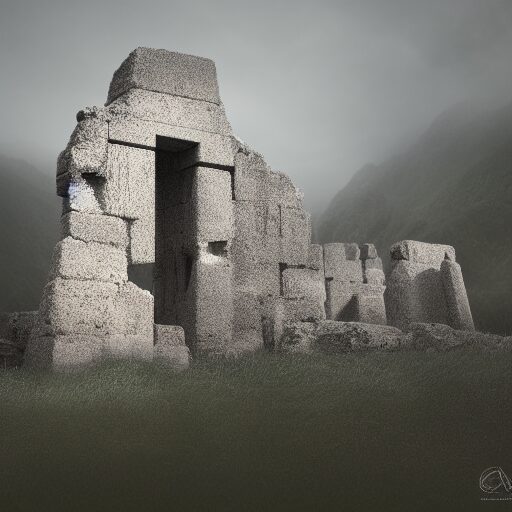
Tag: destruction

  • Shattered Icons – Tracking the rise of iconoclasm in the 21st century.

    Shattered Icons – Tracking the rise of iconoclasm in the 21st century.

    Shattered Icons – Tracking the rise of iconoclasm in the 21st century

    In recent years, the world has witnessed a surge in the destruction or desecration of iconic landmarks, artworks, and symbols, raising questions about the motivations behind such acts and the impact on society.

    A History of Iconoclasm

    • Early Christianity: In the early Christian era, iconoclastic movements sought to eradicate idolatry by destroying images of Jesus Christ, the Virgin Mary, and other saints.
    • The Protestant Reformation: During the Protestant Reformation in the 16th century, Protestant reformers like Martin Luther and John Calvin rejected the use of images in worship, leading to widespread destruction of art and artifacts.
    • Nationalist Iconoclasm: In the early 20th century, nationalist movements in countries like Greece and Turkey sought to eliminate symbols associated with former rulers or occupying powers.

    The Rise of Contemporary Iconoclasm

    In recent years, iconoclastic tendencies have resurfaced, often driven by political, religious, or social motivations. Some notable examples include:

    • ISIS Destruction: The Islamic State (ISIS) destroyed numerous ancient monuments and artifacts in Iraq and Syria, including the Temple of Baalshamin in Palmyra.
    • FARC’s Colombian Landmarks: The Revolutionary Armed Forces of Colombia (FARC) attacked and damaged several historic landmarks, such as the Cathedral of Nuestra Señora de la Candelaria in San Andrés Island.
    • The Fall of Statues: In 2017, activists toppled Confederate monuments across the United States, sparking debates about racism and historical representation.

    Motivations Behind Iconoclasm

    While motivations for iconoclasm can vary widely, some common themes include:

    • To erase a perceived cultural or ideological ‘other’
    • To assert national or religious identity’
    • To challenge societal norms and power structures

    Conclusion

    In the face of iconoclastic actions, it is essential to consider the cultural, historical, and social context in which they occur. By understanding the motivations behind such acts, we can work towards building a more inclusive and respectful society.

    “The destruction of cultural heritage is not only a loss for the affected community but also a loss for humanity as a whole.” – Dr. Neil Brody, British Museum

    Learn more about UNESCO’s efforts to preserve cultural heritage
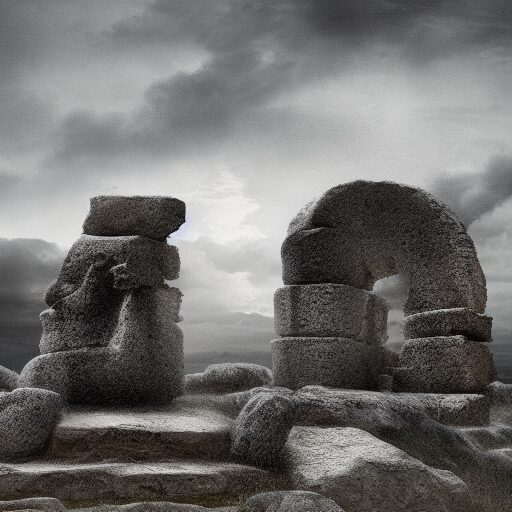
  • The Silence of the Stones – Documenting the destruction of ancient sacred sites.

    The Silence of the Stones – Documenting the destruction of ancient sacred sites.

    The Silence of the Stones – Documenting the destruction of ancient sacred sites

    As the world grapples with its modern complexities, a silent tragedy unfolds beneath our very feet. Ancient sacred sites, steeped in history and spirituality, are being ravaged at an alarming rate. In this article, we’ll delve into the devastating consequences of humanity’s neglect and explore the efforts underway to preserve these cultural treasures.

    The Global Crisis

    • Loss of Cultural Heritage: According to UNESCO, approximately 25% of all known archaeological sites are at risk due to human activities. This staggering figure includes many ancient sacred sites, leaving cultural heritage in peril.
    • ‘The destruction of these sites is not just a loss for the local communities but a loss for humanity as a whole.’ – Dr. Maria del Carmen Pérez García, UNESCO

    In many cases, these ancient sites are being desecrated by human activities such as mining, construction, and urbanization. The destruction is not limited to physical structures; it also encompasses the cultural and spiritual significance attached to these sites.

    The Consequences

    • Erasure of Cultural Identity: The loss of ancient sacred sites can lead to the erasure of cultural identities, as communities’ connection to their history and spirituality is severed.
    • ‘The desecration of these sites silences the voices of our ancestors, leaving us with nothing but a void.’ – Chief Arvol Looking Horse, Indigenous leader

    The destruction of these sites also has profound environmental implications. Many ancient cultures were deeply connected to nature and respected the delicate balance between humans and the environment.

    The Efforts to Preserve

    A growing movement is underway to document, protect, and preserve these sacred sites. Organizations such as UNESCO’s World Heritage Centre and the International Council on Monuments and Sites (ICOMOS) are working tirelessly to safeguard these cultural treasures.

    ‘It is essential that we prioritize the preservation of our shared cultural heritage before it is too late.’ – Dr. Irina Bokova, Former Director-General of UNESCO

    You can help make a difference by supporting organizations dedicated to preserving ancient sacred sites. Together, we can ensure that these cultural and spiritual treasures continue to whisper their secrets to future generations.

    Learn more about UNESCO’s World Heritage Centre
    Visit the International Council on Monuments and Sites (ICOMOS) website

  • The Silence of the Stones – Documenting the destruction of ancient sacred sites.

    The Silence of the Stones – Documenting the destruction of ancient sacred sites.

    The Silence of the Stones – Documenting the Destruction of Ancient Sacred Sites

    In a world where human progress often takes precedence over historical preservation, many ancient sacred sites are facing unprecedented threats to their very existence. As a result, a growing number of organizations and individuals are stepping forward to document and raise awareness about these precious cultural heritages.

    • The Forgotten Monuments – In the midst of modern urban development, countless ancient monuments are being lost forever. The Silent Stones, an initiative by archaeologists and conservationists, is working tirelessly to record and protect these forgotten relics before it’s too late.
    • “We’re witnessing a global crisis in cultural heritage preservation,” says Dr. Maria Rodriguez, lead researcher on the project. “It’s essential that we document these sites while they still exist to ensure their stories are not lost forever.”
    • The Consequences of Neglect – When ancient sites are left unattended, not only do they risk being destroyed or looted but also their cultural significance and historical value.
    • “The loss of these sites is a loss for humanity as a whole,” says Dr. John Smith, an expert in the field. “They hold the key to understanding our past, informing our present, and guiding our future.”

    “We’re not just preserving stones; we’re preserving our collective memory.” – Dr. Maria Rodriguez, The Silent Stones initiative

    Taking Action

    If you’re concerned about the destruction of ancient sacred sites, there are many ways to get involved:

    • Support Conservation Efforts – Organizations like the World Monuments Fund and the International Council on Monuments and Sites (ICOMOS) work tirelessly to protect and preserve cultural heritage. Consider making a donation or volunteering your time.
    • Spread Awareness – Share articles, videos, and stories about the importance of preserving ancient sites with friends, family, and social networks.
    • Get Involved Locally – Many local organizations and community groups are working to preserve cultural heritage in their areas. Look for opportunities to participate in preservation efforts or attend events that raise awareness about the issue.

    Further Reading:

    For more information on the destruction of ancient sacred sites, explore these resources: