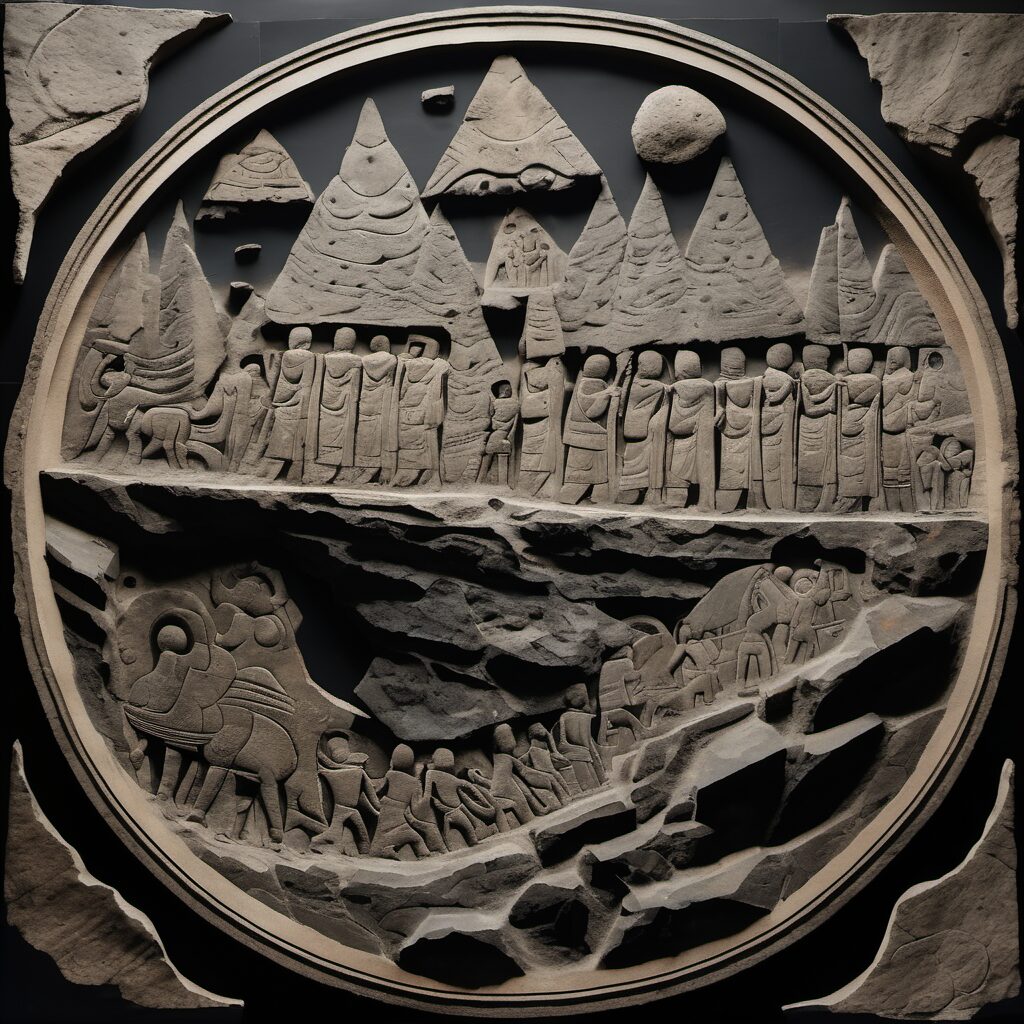
Enemies by Definition: Labeling Spiritual Groups as Dangerous
In societies characterized by rich cultural and religious diversity, the labeling of spiritual groups as dangerous or cult-like has become a contentious issue. This article explores the implications of such designations, the motivations behind them, and the impact on communities worldwide.
The Nature of Spiritual Groups
Spiritual groups have existed throughout human history, representing myriad beliefs and practices. From ancient pagan traditions to modern day new age movements, these groups serve the fundamental human quest for meaning, connection, and transcendence.
- Traditional Religions: Established religions like Christianity, Islam, and Buddhism have structured beliefs and long-standing institutions.
- New Spiritual Movements: Groups such as the Hare Krishnas or Scientology reflect newer, often unconventional beliefs.
- Self-Help and Wellness Programs: Some organizations, like certain sects of yoga or mindfulness movements, straddle the line between lifestyle practices and spiritual doctrines.
The diversity of these movements not only demonstrates the pluralistic nature of faith and spirituality but also highlights the difficulties encountered when attempting to categorize or define these groups.
The Psychology of Labeling
Labeling certain spiritual groups as “dangerous” or “cults” is often rooted in fear, misunderstanding, or socio-political motives. According to sociologist Max Weber, “The labeling of religious movements often reflects social upheavals, with the dominant culture defining the ‘appropriate’ bounds of spirituality and belief.”
“When a group is labeled as a ‘cult’, it frequently stems from a mixture of misinterpretation of their beliefs and societal inability to comprehend a deviation from mainstream religion.”
The label often carries negative connotations, suggesting coercion, radical practices, or harmful ideologies. This perception overlooks the complex and sometimes benign nature of many such groups.
Case Studies of Mislabeling
Several spiritual groups throughout history have faced stigmatization, often unjustly, under the guise of protection from their purported danger:
- The Branch Davidians: Known for the tragic Waco siege, this group was widely deemed dangerous due to its radical apocalyptic beliefs. However, many argue that misunderstandings and governmental miscalculations exacerbated the situation.
- The Church of Scientology: Frequently targeted as a cult, adherents argue that it is a legitimate religion offering spiritual enrichment and self-improvement.
- The Falun Gong: While suppressed in China as a threat to state control, globally, it is largely viewed as a peaceful movement promoting meditation and moral living.
These examples illustrate how the label “dangerous” can be applied based not purely on objective truth, but often on political or social agendas.
Consequences of Branding as Dangerous
Designating spiritual groups as dangerous carries significant implications:
- Social Stigmatization: Members of these groups often face discrimination and are ostracized from society.
- Legal Repression: Governments may restrict their activities, subject them to surveillance, or outright ban their practices.
- Media Portrayal: Negative media representation amplifies societal fears and perpetuates stereotypes, often leading to misunderstandings and further marginalization.
Historically, these consequences have led to escalated tensions, conflicts, and in extreme cases, violence directed at minority spiritual groups.
The Fine Line of Protection and Persecution
While some spiritual groups do engage in harmful practices, it is essential to distinguish between genuinely dangerous cults and benign spiritual movements. As historian Karen Armstrong notes, “While vigilance is necessary, it must be balanced with a comprehensive understanding of these groups on their terms.” Excessive caution can lead to religious persecution under the guise of protection.
“A balance between cultural sensitivity and awareness is crucial,” asserts religious scholar Reza Aslan. “We must remain vigilant against true harm, yet avoid an overly broad brush that tars harmless spirituality with the same brush.”
Moving Towards Understanding
In a world trending towards global interconnectivity, understanding diverse spiritual perspectives is both a necessity and a responsibility. Policy-makers, educators, and media professionals must engage in dialogue with spiritual communities to foster mutual understanding and respect.
- Education: Comprehensive education on world religions and spiritual practices can diminish fear and promote empathy.
- Interfaith Dialogue: Encouraging conversations between different spiritual groups builds mutual respect and challenges preconceived notions.
- Balanced Media Representation: Media outlets should strive for balanced coverage that accurately reflects the beliefs and practices of spiritual groups.
By approaching spiritual diversity with open-mindedness, society can progress towards a future where labeling is fair, precise, and devoid of prejudice.
Conclusion
In redefining how we view spiritual groups labeled as dangerous, it is essential to reflect on our biases and the historical context that fuels such perceptions. By doing so, communities can transcend fear and strive for a more inclusive world where spiritual plurality is celebrated rather than feared.