Tag: belief

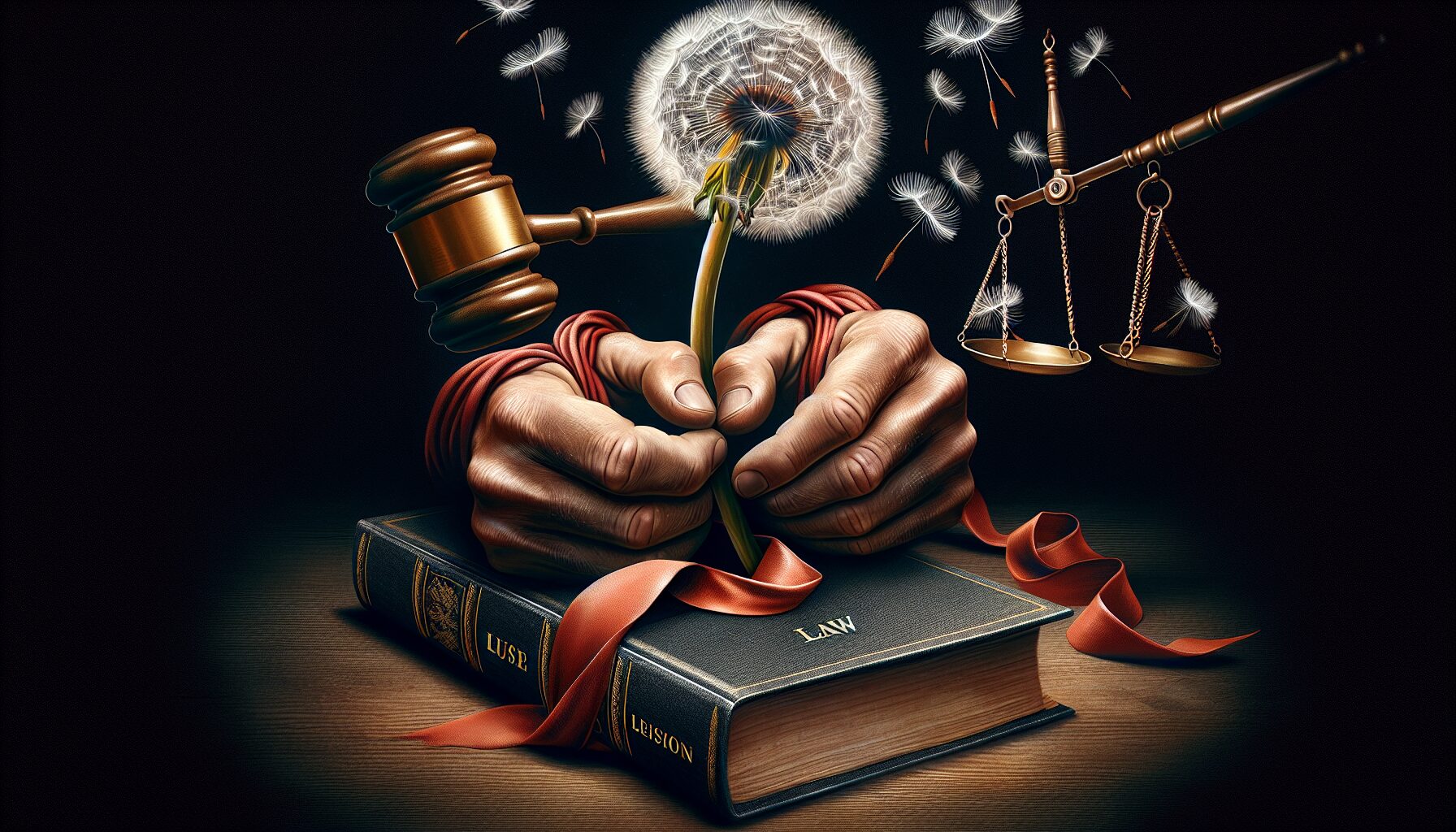
  • Criminalized Devotion – How laws are weaponized against belief

    Criminalized Devotion – How laws are weaponized against belief

    Criminalized Devotion: How Laws Are Weaponized Against Belief

    Throughout history, belief systems have often been at the crossroads of social and political agendas. While freedom of belief is enshrined in many constitutions, there are instances where laws are wielded as tools of oppression, targeting certain religious or spiritual followings. This practice can be termed as “criminalized devotion,” where the very act of believing or practicing a faith becomes an alleged threat to the state or society.

    The Historical Context

    Throughout the ages, rulers and governments have manipulated laws to suppress beliefs that were seen as a challenge to their authority. From the Roman Empire’s persecution of Christians to the later inquisitions against alleged heretics, the suppression of contrary beliefs has been sporadic yet systematic.

    “Intolerance is itself a form of violence and an obstacle to the growth of a true democratic spirit.” — Mahatma Gandhi

    The Spanish Inquisition, initiated in the late 15th century, is a case study of religious persecution under the guise of legal mandate. Thousands were prosecuted and punished, often with execution, for heresies, which at times were no more than differences in religious views or practices.

    Modern Legal Frameworks and Belief

    In the 21st century, international covenants, like the Universal Declaration of Human Rights, promulgate the freedom of belief as a fundamental right. Article 18 of this declaration states: “Everyone has the right to freedom of thought, conscience and religion.” Despite such international standards, the reality on the ground often paints a different picture.

    Case Studies of Weaponized Legislation

    • China and Falun Gong: Since 1999, the Chinese government has been conducting a campaign against Falun Gong, a spiritual practice based on meditation and qigong exercises. It has been labeled an “evil cult” by the state, resulting in the arrest and harassment of practitioners. Amnesty International reports continued human rights abuses on its practitioners.
    • Baha’i Persecution in Iran: The Baha’i faith is Iran’s largest non-Muslim religious minority, yet Iranian law does not recognize it. Followers face discrimination, raids, and arrest. According to the Baha’i International Community, their rights are routinely violated under laws that criminalize their faith.
    • India’s Anti-Conversion Laws: Multiple Indian states have enacted laws that ostensibly prevent forced conversions but are often used to target Christians and Muslims. Critiques argue that these laws embolden religious intolerance and are weaponized to maintain the status quo of religious demographics.

    The Effect on Society

    When belief systems are criminalized, the impacts on society can be profound and long-lasting. The immediate effect often involves the marginalization and stigmatization of targeted groups, leading to social division and unrest. It undermines social cohesion and leads to a climate of fear where individuals are wary of openly expressing their beliefs.

    Moreover, the weaponization of laws to oppose particular religious traditions speaks to broader issues of power and control. States often justify these actions under the banners of national security, public order, or cultural preservation. However, these justifications are frequently construed as a veneer for deeper political motives.

    Resistance and Advocacy

    Despite these challenges, many individuals and organizations continue to operate in defiance of unjust laws, often risking their lives to do so. International advocacy groups, such as Human Rights Watch and Amnesty International, play a pivotal role in bringing attention to these injustices and lobbying for change.

    “Wherever men and women are persecuted because of their race, religion, or political views, that place must — at that moment — become the center of the universe

  • When Belief Becomes a Crime – The anatomy of spiritual repression

    When Belief Becomes a Crime – The anatomy of spiritual repression

    When Belief Becomes a Crime: The Anatomy of Spiritual Repression

    Throughout history, spiritual and religious beliefs have often clashed with authoritative powers, leading to widespread repression. From ancient civilizations to modern states, belief systems have sometimes been viewed as threats to political and social stability. This article delves into how and why certain beliefs have been criminalized over time, examining the complex intersection of faith and power.

    Historical Context of Religious Repression

    The roots of spiritual repression can be traced back to ancient times. Empires and kingdoms often sought control over religious practice to unify their populations and maintain governance. A crucial example is the Roman Empire, which initially persecuted Christians due to their refusal to worship Roman gods and the emperor, thereby threatening the established social order.

    “The blood of the martyrs is the seed of the Church.” – Tertullian

    This quote by Tertullian, an early Christian author, reflects the paradoxical nature of repression, where attempts to stifle a belief can lead to its proliferation. The well-documented persecution of Christians, which sought to curb dissent and preserve traditional Roman values, ultimately resulted in the widespread growth of Christianity.

    Mechanisms of Repression

    Religious repression involves several mechanisms, including legal restrictions, social stigmatization, and economic sanctions. Governments may enact laws that penalize specific religious practices, categorize certain groups as cults, or limit freedom of expression.

    • Legal Restrictions: Anti-conversion laws in some countries are designed to prohibit religious conversions, thereby maintaining the dominance of the prevailing faith.
    • Social Stigmatization: Minority religious groups might be labeled as dangerous or subversive, as seen in the treatment of Jehovah’s Witnesses in various countries.
    • Economic Sanctions: In some cases, followers of persecuted religions may face financial penalties, such as prohibitions on inheritance or property ownership.

    Modern-Day Examples

    The 21st century is not devoid of religious persecution. Countries with totalitarian governments or religious nationalism often view certain beliefs as adversarial to state ideology or national identity. A prominent contemporary example is the plight of the Uighur Muslims in China.

    “Credible reports suggest that over a million people are being held in China’s internment camps in Xinjiang, where they are subjected to forced indoctrination, abuse, and torture.” – Human Rights Watch

    Reports by Human Rights Watch and other watchdog organizations highlight the scale and severity of China’s repression of Uighur Muslims. These actions are often justified under the guise of combating extremism.

    In the Middle East, Baha’is face systematic persecution in Iran, where their faith is seen as a political infringement. The International Campaign for Human Rights has noted that Baha’is face discrimination in employment, education, and the denial of civil rights solely based on their religious beliefs.

    The Impact of Repression

    Religious repression often leads to a multitude of socio-political consequences. It can foster environments of fear and mistrust, lead to refugee crises as communities flee persecution, and even incite radicalization. Furthermore, repression of beliefs can result in the loss of cultural and spiritual diversity.

    Ironically, repression can also fortify a community’s resolve, as seen throughout history. Banned beliefs are practiced in secret, nurturing a strong sense of identity and solidarity among adherents.

    Global Efforts and Challenges

    While international organizations attempt to mitigate religious repression, their efforts are often hampered by geopolitical complications. Institutions like the United Nations advocate for religious freedom, yet enforcement remains challenging due to state sovereignty.

    The resilience of spiritual communities and the push for legal reforms have sparked movements for change. Organizations such as Freedom House and USCIRF (United States Commission on International Religious Freedom) continue to monitor violations and campaign for policy changes.

    Conclusion

    The anatomy of spiritual repression reveals a long-standing tension between authority and belief. While the repression of beliefs can lead to temporary suppression, history shows that these efforts often have the opposite effect, paving the way for greater resilience and eventual reform. Efforts to curb religious repression must be sustained and multifaceted to ensure the protection of one of humanity’s most fundamental freedoms – the freedom to believe.

  • Silenced by Faith – How modern states criminalize belief

    Silenced by Faith – How modern states criminalize belief

    Silenced by Faith: How Modern States Criminalize Belief

    In a world where the freedom to believe is ostensibly heralded as a foundational right, the reality presents a stark contrast. Across various regions, modern states continue to wield the power of legislation and coercion to curtail religious expression, often under the guise of maintaining secularism or national security. This article explores how belief, something deeply personal and existential, becomes entangled in the intricate web of state control.

    The Historical Context

    The intertwining of religion and politics historically dates back centuries. From the reigns of divine monarchs to theocracies, governing systems have frequently exploited religion as a means of consolidating power. However, the Enlightenment era saw the emergence of secularism as a counterbalance, promoting a clear division between church and state. As historian Karen Armstrong notes,

    “The rise of secularism was to protect the sanctity of religion from the corrupting influence of politics.”

    Despite such intentions, the dynamics of faith and state often remain contentious.

    The Modern Landscape

    Today, the situation is paradoxical. While international conventions such as the Universal Declaration of Human Rights enshrine freedom of thought, conscience, and religion, many countries have laws that infringe upon these rights. The global landscape is riddled with instances where states criminalize or otherwise suppress religious belief and practice.

    • China: The Chinese government’s handling of religious groups, particularly Tibetan Buddhists, Falun Gong practitioners, and Uighur Muslims in Xinjiang, is well-documented. Under the guise of combating extremism, China has implemented what it terms “re-education centers,” where reports indicate that cultural and religious indoctrination occurs.[1]
    • Saudi Arabia: Despite being the birthplace of Islam, the Kingdom imposes strict controls over religious practice. The only recognized faith is Wahhabism, and deviation can lead to severe punishments. Amnesty International has reported numerous cases of religious discrimination and persecution against Shi’a Muslims.[2]
    • Russia: The Russian Federation has enacted laws targeting “extremist” religious factions, impacting groups like Jehovah’s Witnesses. In 2017, the Russian Supreme Court labeled them an extremist organization, effectively banning their activities.[3]

    Legislative Instruments of Suppression

    States employ a variety of legislative tools to manage religious expression. Anti-blasphemy laws, anti-terror laws, and strict registration requirements for religious organizations serve as common tactics. These laws often become weapons of persecution against minority faiths.

    Blasphemy Laws

    Blasphemy laws present one of the most evident forms of religious suppression. According to Human Rights Watch, over 70 countries maintain legislation that penalizes blasphemy, apostasy, or defamation of religion.[4] While generally framed as protecting community harmony, these laws are frequently used to target and silence dissenting religious or secular voices.

    Anti-terror Legislation

    In the post-9/11 world, many governments have expanded their rationale for cracking down on religious groups under anti-terror laws. These regulations cast a wide net, often leading to arbitrary arrests and detentions without due process, thus infringing on religious expression and freedom.

    The Impact on Society

    Such repressive measures carry profound social ramifications. Persecution for beliefs often leads to societal fragmentation, deepening divides between different religious and ethnic communities. Fear and mistrust grow pervasive, stifling dialogue and understanding across cultural lines. As theologian Reza Aslan articulates,

    “When people’s identities are criminalized, they are more likely to retreat into extremes.”

    A Way Forward

    Addressing the criminalization of belief requires a concerted international effort. Civil society, international human rights organizations, and progressive state actors must collaborate to monitor and call out rights violations. Furthermore, global governance structures, such as the United Nations, should reinforce accountability mechanisms for states that violate religious freedoms.

    Education and interfaith dialogue initiatives also play a critical role in fostering a more inclusive environment where diversity in belief is respected rather than feared. As globalization continues to interweave disparate cultures and religions, promoting understanding becomes essential to maintaining peace and coexistence.

    Humans have long sought answers to the profound questions of existence through faith. Ensuring the freedom to explore these answers without fear of persecution remains a fundamental challenge and a litmus test for the true progress of any society.


    Footnotes:

    1. Human Rights Watch. “Eradicating Ideological Viruses”: China’s Campaign of Repression Against Xinjiang’s Muslims. Source.
    2. Amnesty International. “The State of the World’s Human Rights.” Source.
    3. BBC News. “Russian Supreme Court Bans Jehovah’s Witnesses.” Source.
    4. Human Rights Watch. “Blasphemy laws are rife across the world.” Source.
  • Forced Belief – How Pressure Replaces Conviction

    Forced Belief – How Pressure Replaces Conviction

    In an era where media saturation is overwhelming and groupthink can overshadow individual reasoning, the concept of forced belief emerges as a pressing issue. Rather than convictions formed through critical thought, individuals find themselves coerced into adopting beliefs under external pressure. This article explores the dynamics of forced belief, its historical contexts, impacts, and how individuals can maintain personal conviction amidst external pressures.

    Historical Perspectives: The Roots of Forced Belief

    Throughout history, the imposition of belief systems has been a tool for control. From the religious crusades to totalitarian regimes, authorities have long sought to mold the thoughts of the masses. Philosophers like John Locke have decried such coercion, advocating instead for the rights to freedom of thought and expression as essential human liberties.

    “No man’s knowledge here can go beyond his experience.” ― John Locke

    This insistence on experience and personal conviction vs. imposed belief structures is a continuing conversation. As power structures evolved, so did methods of enforcing belief, adapting to the social and technological changes in each era.

    The Modern Arena: Media, Social Platforms, and Echo Chambers

    In the contemporary context, the digital landscape plays a pivotal role in propagating forced beliefs. Social media platforms, with their algorithms designed to keep users engaged, often create echo chambers where only similar and reinforcing views are presented. This digital isolation can silo individuals within a specific worldview, making it challenging to form beliefs independently.

    • Algorithmic Influence: Platforms like Facebook and Twitter utilize algorithms that prioritize content based on user interaction history, effectively reinforcing existing beliefs without exposure to diverse perspectives.
    • Viral Misinformation: False or misleading information can spread rapidly online, swaying public opinion and pressuring individuals to conform to popular but inaccurate narratives. For example, during crucial elections, misinformation on these platforms has been known to alter perceptions significantly (BBC News).

    Psychological Mechanisms Behind Forced Belief

    Understanding why people succumb to forced belief requires a look into psychology. Two primary phenomena contribute to this:

    • Social Conformity: As illustrated in Solomon Asch’s experiments, individuals often conform to group norms to fit in or avoid conflict, even if it contradicts their beliefs.
    • Cognitive Dissonance: As defined by Leon Festinger, cognitive dissonance occurs when individuals experience discomfort due to inconsistent beliefs and actions. To resolve this, one may change their beliefs under social pressure to reduce the dissonance.

    “We all live with the objective of being happy; our lives are all different and yet the same.” ― Anne Frank

    This quote reinforces that while the quest for social acceptance and happiness is universal, forcing beliefs in pursuit of this can lead to a superficial alignment with truth.

    Impact on Society and the Individual

    The implications of forced belief on society are profound and far-reaching. When large populations subscribe to beliefs without genuine conviction, the likelihood of rational discourse and progress diminishes. This scenario fosters environments ripe for manipulation by those in power, as seen in numerous historical and contemporary examples.

    • Polarization: The schism between differing belief systems can create an entrenched divide among communities, turning ideological conflicts into all-out cultural wars.
    • Stifled Innovation: In suppressing dissenting opinions, forced belief can deter innovation and the healthy exchange of new ideas, limiting societal growth.

    Resistance to Forced Belief: Upholding Conviction

    The question then arises: how can individuals resist the tide of externally pressured beliefs to uphold personal conviction? Here are some strategies:

    • Critical Thinking: Encouraging education systems that prioritize critical thinking skills is essential. Thought leaders argue for curricula that prompt students to question, analyze, and understand various viewpoints rather than rote memorization.
    • Media Literacy: As consumers of information, individuals must develop skills to discern credible sources from misinformation and recognize bias.
    • Openness to Dialogue: Actively engaging in discussions with those holding opposing views can strengthen personal conviction and cultivate empathy.

    “The measure of intelligence is the ability to change.” ― Albert Einstein

    Einstein’s words serve as a reminder that while change is essential, it should result from thoughtful analysis and not coercive pressures.

    Conclusion: Navigating the Complexities of Belief Formation

    The battle between forced belief and conviction will persist as long as external pressures exert influence over personal thoughts. It is the responsibility of individuals and institutions alike to promote environments where free thought is championed. By encouraging critical engagement with information and fostering open dialogues, society can resist the dangers of forced belief and uphold the sanctity of individual conviction.

    For further reading on belief systems and social psychology:

  • Faith Under Siege – What Belief Looks Like When Attacked

    Faith Under Siege – What Belief Looks Like When Attacked

    The endurance of faith under extreme circumstances has long been a testament to the resilience of the human spirit. Throughout history and in contemporary settings, the trials faced by communities of belief reflect a steadfastness that transcends the mere dogmas or rituals of any single religion. Instead, these moments highlight universal themes of identity, perseverance, and hope.

    Historical Context

    Religious persecution is as ancient as religion itself. From the early Christians facing the lions in Roman arenas to Jewish communities enduring pogroms in Eastern Europe, faith under siege has often evoked profound personal and collective transformations. Take, for instance, the words of Nelson Mandela, who once remarked:

    “Your freedom and mine cannot be separated.”

    His sentiment speaks not only to political liberation but also the spiritual freedom that religions often promise their adherents. Mandela, during his own trials in prison, reportedly found solace in a higher belief system that transcended his immediate circumstances.

    Modern-Day Examples

    In the contemporary world, faith communities face both old and new challenges. Consider the plight of Uyghur Muslims in China, where reports indicate ongoing suppression of religious practices. The United Nations has raised concerns over alleged “re-education camps” aimed at eradicating cultural and religious identity. A New York Times article highlights the gravity of the situation, quoting former detainees who described being forced to renounce their faith.

    Similarly, in Myanmar, Rohingya Muslims have faced systematic violence and displacement. The international community has frequently heard heart-wrenching accounts from refugees recounting how their homes were burned and their families attacked simply for espousing a belief system seen as “other.”

    Personal Stories of Resilience

    Stories of persecution are met with tales of remarkable courage. For many, faith is not just a system of belief but a source of inner strength during times of crisis.

    • The Dalai Lama – Forced to flee Tibet in 1959 following China’s invasion, the Dalai Lama has lived in exile ever since. Despite the loss of his homeland and the suppression of Tibetan Buddhism, he continues to teach and preach about the power of compassion and forgiveness.
    • Mahatma Gandhi – Through his unwavering belief in nonviolence, Gandhi transformed the Indian independence movement into a spiritual quest. His faith in the innate goodness of humanity and the divine inspired millions to resist oppression through nonviolent means.

    The Psychological Impact

    Psychologically, faith serves as a buffer against despair. In his book Man’s Search for Meaning, Viktor Frankl, a Holocaust survivor, wrote about finding purpose through suffering. He observed that those who maintained a sense of meaning or faith in something larger than themselves were more likely to survive the horrors of concentration camps.

    Frankl’s insights illustrate a broader truth: belief systems provide structure and hope amidst chaos. In a world where uncertainty often reigns, faith offers individuals a stable foundation upon which to rebuild their lives after trauma.

    Interfaith Solidarity

    The siege on faith does not occur in isolation. More often than not, it acts as a call to action for interfaith solidarity. Various organizations and alliances across the globe work tirelessly to support persecuted communities. The Amnesty International campaign for religious freedom is one such example, defending the rights of individuals to worship freely, regardless of geography or circumstance.

    The Internet – A Double-Edged Sword

    In today’s digital age, the internet acts as both a potential tool for repression and a platform for unity. While repressive regimes may use technology to monitor or suppress religious expression, the same technology empowers oppressed believers to connect globally. Social media platforms allow for the organization of global campaigns and provide a voice to the voiceless.

    Conclusion

    The battle for faith in the face of adversity is not merely a struggle against external forces but a testament to the unyielding spirit of human belief. Whether it is in ancient history or our modern world, faith’s endurance under siege inspires the ongoing pursuit of justice, freedom, and understanding. In the words of Martin Luther King Jr., “Faith is taking the first step even when you don’t see the whole staircase.”

    Faith, at its core, is an act of bravery. It is a quiet yet powerful assertion of identity in a world often hostile to difference, reminding us that in the fight for justice and peace, belief and hope are never truly vanquished.

  • Sanctified Violence – When Faith Justifies Harm

    Sanctified Violence – When Faith Justifies Harm

    Sanctified Violence: When Faith Justifies Harm

    Throughout history, faith has been a cornerstone of human culture, offering solace, guidance, and a moral compass. However, it has also been wielded as a tool for justifying acts of violence. The dichotomy of religion as both a force for good and a pretext for conflict raises intricate questions about the nature of belief and the complexities of human morality.

    The Historical Context of Sanctified Violence

    Historically, religious violence can be traced back to the dawn of organized faiths. From the Crusades in the Middle Ages to ancient religious wars, actions undertaken in the name of a higher power have profoundly shaped the world’s geopolitical landscape.

    “In the name of God and perpetrated in the nature of belief, religion often ignites more wars than it pacifies,” notes the BBC in a discussion of historical religious conflicts (BBC).

    These conflicts are often exacerbated by the absolutist nature of religious doctrines. When individuals or groups believe they possess the sole truth, it can justify the eradication of dissenting beliefs, sometimes through violent measures.

    Religious Extremism: A Modern Challenge

    In the contemporary world, religious extremism continues to be a significant source of violence. Groups such as ISIS and Boko Haram use radical interpretations of religious texts to justify terror and disorder. This form of sanctified violence is not confined to any single faith but is a global phenomenon, affecting societies worldwide.

    “As religious extremism increases, so do incidents of violence and conflict in the name of God,” writes The Washington Post (Washington Post).

    Religious leaders and scholars often emphasize that extremism distorts the core teachings of their respective faiths, which typically advocate peace and compassion. The deviation from mainstream religious tenets to justify harm underscores the complicated relationship between belief and violence.

    The Psychology Behind Faith-Justified Harm

    Understanding why faith justifies harm requires delving into the psychology of belief. Cognitive dissonance, groupthink, and indoctrination play critical roles in aligning individual actions with violent religious ideologies.

    • Cognitive dissonance: The mental discomfort a person experiences when holding two or more contradictory beliefs. To alleviate this, individuals may reinterpret religious teachings to align with their violent actions.
    • Groupthink: Within intense religious communities, the pressure to conform can suppress dissenting thoughts and foster unanimity in harmful beliefs or actions.
    • Indoctrination: Continuous exposure to radical ideologies can erode one’s ability to question and independently assess moral actions, leading to acceptance of violence as a divine mandate.

    Psychotherapist Dr. John Smith posits, “When people feel a divine cause sanctions their actions, their sense of personal accountability diminishes, sometimes leading to extreme behavior” (Psychology Today).

    Addressing and Mitigating Religious Violence

    Efforts to mitigate violence justified by faith must be multifaceted, involving education, dialogue, and policy. Promoting religious literacy helps demystify and dispel misconceptions, reducing the susceptibility to radical ideologies. Interfaith dialogues can foster understanding and break down barriers between disparate religious groups.

    “Engaging religious leaders in peace-building actions is crucial,” states a report by the United Nations (United Nations), highlighting the importance of collaboration in addressing faith-based violence.

    Moreover, policies aimed at social integration and economic equity can diminish the appeal of extremist ideologies by addressing the socioeconomic grievances often exploited by radical groups.

    Conclusion

    While faith offers profound personal and communal benefits, its potential to justify violence remains a challenge. By understanding the historical, psychological, and social factors that contribute to sanctified violence, societies can work towards minimizing its occurrence. Faith, when misused, can wield tremendous destructive power. But when harnessed for understanding and compassion, it has the potential to be a formidable force for peace.

  • Beneath the Doctrine – The Human Cost of Enforced Belief

    Beneath the Doctrine – The Human Cost of Enforced Belief

    In a world where diversity of thought is celebrated, the enforcement of rigid belief systems can have profound and often detrimental effects on individuals and societies. The forceful imposition of ideologies not only stifles personal freedoms but also leaves scars on the social fabric that can take generations to heal.

    The Allure and Pitfalls of Uniformity

    Throughout history, the quest for uniformity in belief has been a hallmark of many regimes and institutions. The promise of a cohesive society is alluring, yet it often comes at the cost of individual expression and critical thought. George Orwell, in his seminal work 1984, warned of a future where “War is peace, freedom is slavery, and ignorance is strength”—a society so deeply entrenched in ideological conformity that truth becomes mutable.

    While Orwell’s vision is extreme, the subtler forms of enforced beliefs can be just as damaging. Brené Brown, a renowned researcher, and author, once noted,

    “The irony is that we attempt to disown our difficult stories to appear more whole or more acceptable. But our wholeness—even our wholeheartedness—actually depends on the integration of all of our experiences, including the falls.”

    This integration is hindered in environments where divergent thinking is suppressed.

    The Psychological Burden

    Enforced belief systems often lead to significant psychological distress. The pressure to conform can result in anxiety, depression, and a loss of sense of self. Individuals stuck in such systems may experience cognitive dissonance—a mental conflict arising from holding contradictory beliefs—which can further exacerbate mental health issues.

    Studies have shown that individuals in high-pressure environments where specific ideologies are mandated often face a “crisis of identity.” According to a study by the American Psychological Association, individuals who feel their personal beliefs are under threat often experience heightened stress levels, impacting both mental and physical health.

    Societal Consequences

    The human cost of enforced beliefs extends beyond individual repercussions. Societies that enforce rigid doctrine often find themselves divided as they fail to embrace the rich tapestry of diverse perspectives. This can lead to social unrest, as those who feel marginalized or oppressed eventually push back against the system.

    Moreover, innovation and progress are stunted in environments where creativity and critical thinking are discouraged. A society that does not question its foundational beliefs risks stagnation, unable to adapt and thrive in a rapidly changing world.

    Towards a More Inclusive Future

    To mitigate the human cost of enforced belief, it is imperative to foster environments that value and respect diversity of thought. Encouraging dialogue and understanding can help bridge divides and facilitate healing. Societal progress hinges on the ability to embrace the plurality of experiences and perspectives that humanity offers.

    As we move forward, the challenge lies in balancing collective societal goals with individual freedoms—ensuring that no one is left behind in the march towards progress.

  • The Machinery of Belief — How ideals turn mechanical

    The Machinery of Belief — How ideals turn mechanical

    In an era dominated by information, the intricacies of belief and ideology have become both a guiding force and a source of contention. Our beliefs, once considered deeply personal and spiritual, have, for some, turned into mechanized responses. This evolution from organic to mechanical begs the question: How do ideals evolve into mechanical belief systems?

    Understanding the Evolution

    The term “mechanical belief” refers to the automatic, unexamined adherence to a set of ideals. It reflects a process where beliefs are no longer the result of personal introspection but rather a product of external programming. George Orwell, in his seminal work “1984”, captured this phenomenon with chilling relevance, stating, “Doublethink means the power of holding two contradictory beliefs in one’s mind simultaneously, and accepting both of them.

    As Orwell suggests, the acceptance of incongruous beliefs is not just possible, but engineered by mechanisms designed to eliminate critical thought. The same principle applies to mechanical beliefs. Over time, beliefs lose their organic quality and become more like gears in a clock, set in motion by external forces.

    Post-Truth Era and Information Overload

    In the post-truth age, where emotions often trump facts, people find themselves overwhelmed with information. The consequence, as David Roberts from Vox notes, is, “The information ecosystem we inhabit erodes trust in institutions and factual discourse.” With a constant avalanche of facts, figures, and opinions, individuals struggle to discern the truth, often resulting in reliance on simplified, rote beliefs.

    • Confirmation Bias: The tendency to seek, interpret, and remember information that confirms one’s preconceptions.
    • Echo Chambers: Environments where individuals are only exposed to opinions and information that reflect their own beliefs.
    • Algorithmic Influence: Social media platforms create feedback loops that reinforce existing beliefs by tailoring content to user preferences.

    The Role of Institutions and Authorities

    Institutions such as schools, governments, and religions have long been arbiters of belief. Yet, as “Infotopia” author Cass Sunstein explains, “Once accepted beliefs become part of the institutional fabric, they acquire a certain immovability.” When beliefs are institutionalized, dissent or evolution of thought becomes markedly difficult because deviation is often met with resistance.

    Any system that relies on humans making decisions benefits from stripping decision-making down to a set of easily remembered heuristics, often reducing complexity to a set of mechanical operations.

    Breaking the Cycle

    Recognizing the mechanical nature of beliefs is the first step towards breaking free from their grasp. Encouraging critical thought and fostering environments where questioning is valued is fundamental. Here’s how:

    • Education: Encourage curricula that prioritize critical thinking and skepticism over rote memorization.
    • Open Discourse: Create spaces where open discussions can happen, valuing civil discourse and challenging mainstream narratives.
    • Media Literacy: Educate individuals to critically evaluate sources of information and recognize bias.

    From Mechanization to Rehumanization

    The antidote to mechanization is returning to the roots of personal belief systems that reflect nuanced, deeply held, and carefully examined convictions. As Erich Fromm eloquently put it in “The Art of Loving”, “Loving presents a paradox: it means to affirm, to take care of, to love one’s passions.” Beliefs, like passions, need to be nurtured, examined, and occasionally uprooted to ensure they grow healthy and strong.

    In this relentless march of ideals turning mechanical, the choice remains personal: Will we allow our beliefs to be governed by unseen forces, or will we take the reins, scrutinizing and redefining them in pursuit of a more authentic life?