Tag: behind

  • The Generation Born Behind the Wall: A Cultural Study.

    The Generation Born Behind the Wall: A Cultural Study.


    The Generation Born Behind the Wall: A Cultural Study

    The Generation Born Behind the Wall: A Cultural Study

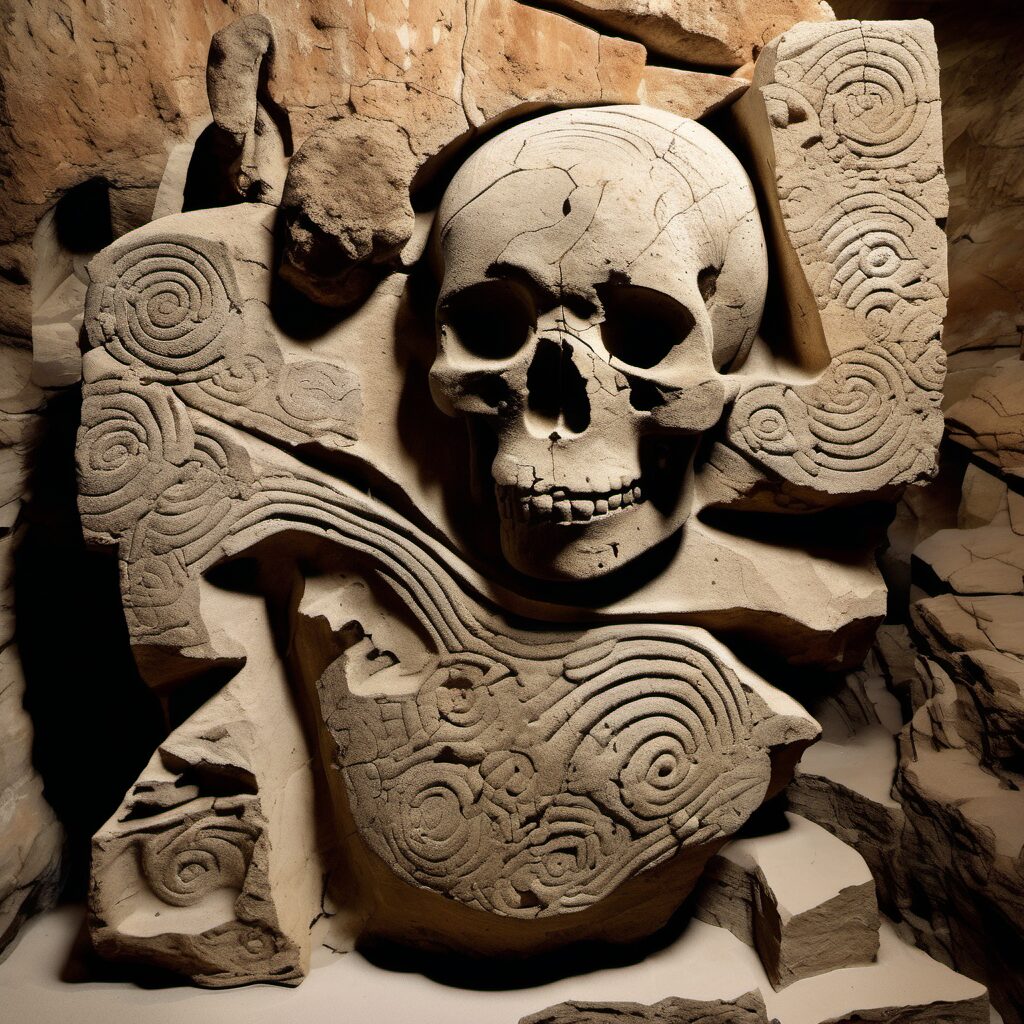
    In the labyrinthine corridors of time, a distinct generation emerged – those who came to life with the erection of an imposing barrier. The wall, a symbol of division and segregation, has etched its mark on their existence.

    “The wall is not merely a structure, but a demarcation line between worlds, shaping our stories, our dreams, and our identities.” – A mythographer-of-deep-time

    A Symbiosis of Isolation and Connection

    The generation born behind the wall lives in a realm of duality, where isolation breeds creativity and connection fosters resilience. Their experiences weave a rich cultural tapestry that mirrors both the shadows cast by the wall and the faint glimmers of hope beyond it.

    • Isolation: The physical separation from the world outside has led to an inward focus, cultivating a unique artistic and intellectual expression. Their music, literature, and visual arts carry the echoes of their confined existence.
    • Connection: Technology, however limited, has bridged the gap between the generations. This digital umbilical cord has allowed them to forge bonds with the world outside, offering a lifeline in an otherwise insular existence.

    The Legacy of the Wall

    As the generation born behind the wall grows older, their legacy looms large. Will they continue to be defined by the wall that bore them? Or will they break free from its grasp and leave an indelible mark on history, redefining what it means to thrive in a divided world?

  • Shattered Icons – Tracking the rise of iconoclasm in the 21st century.

    Shattered Icons – Tracking the rise of iconoclasm in the 21st century.

    Shattered Icons – Tracking the rise of iconoclasm in the 21st century

    In recent years, the world has witnessed a surge in the destruction or desecration of iconic landmarks, artworks, and symbols, raising questions about the motivations behind such acts and the impact on society.

    A History of Iconoclasm

    • Early Christianity: In the early Christian era, iconoclastic movements sought to eradicate idolatry by destroying images of Jesus Christ, the Virgin Mary, and other saints.
    • The Protestant Reformation: During the Protestant Reformation in the 16th century, Protestant reformers like Martin Luther and John Calvin rejected the use of images in worship, leading to widespread destruction of art and artifacts.
    • Nationalist Iconoclasm: In the early 20th century, nationalist movements in countries like Greece and Turkey sought to eliminate symbols associated with former rulers or occupying powers.

    The Rise of Contemporary Iconoclasm

    In recent years, iconoclastic tendencies have resurfaced, often driven by political, religious, or social motivations. Some notable examples include:

    • ISIS Destruction: The Islamic State (ISIS) destroyed numerous ancient monuments and artifacts in Iraq and Syria, including the Temple of Baalshamin in Palmyra.
    • FARC’s Colombian Landmarks: The Revolutionary Armed Forces of Colombia (FARC) attacked and damaged several historic landmarks, such as the Cathedral of Nuestra Señora de la Candelaria in San Andrés Island.
    • The Fall of Statues: In 2017, activists toppled Confederate monuments across the United States, sparking debates about racism and historical representation.

    Motivations Behind Iconoclasm

    While motivations for iconoclasm can vary widely, some common themes include:

    • To erase a perceived cultural or ideological ‘other’
    • To assert national or religious identity’
    • To challenge societal norms and power structures

    Conclusion

    In the face of iconoclastic actions, it is essential to consider the cultural, historical, and social context in which they occur. By understanding the motivations behind such acts, we can work towards building a more inclusive and respectful society.

    “The destruction of cultural heritage is not only a loss for the affected community but also a loss for humanity as a whole.” – Dr. Neil Brody, British Museum

    Learn more about UNESCO’s efforts to preserve cultural heritage

  • Us and Them – The social mechanics behind religious scapegoating

    Us and Them – The social mechanics behind religious scapegoating

    Us and Them: The Social Mechanics Behind Religious Scapegoating

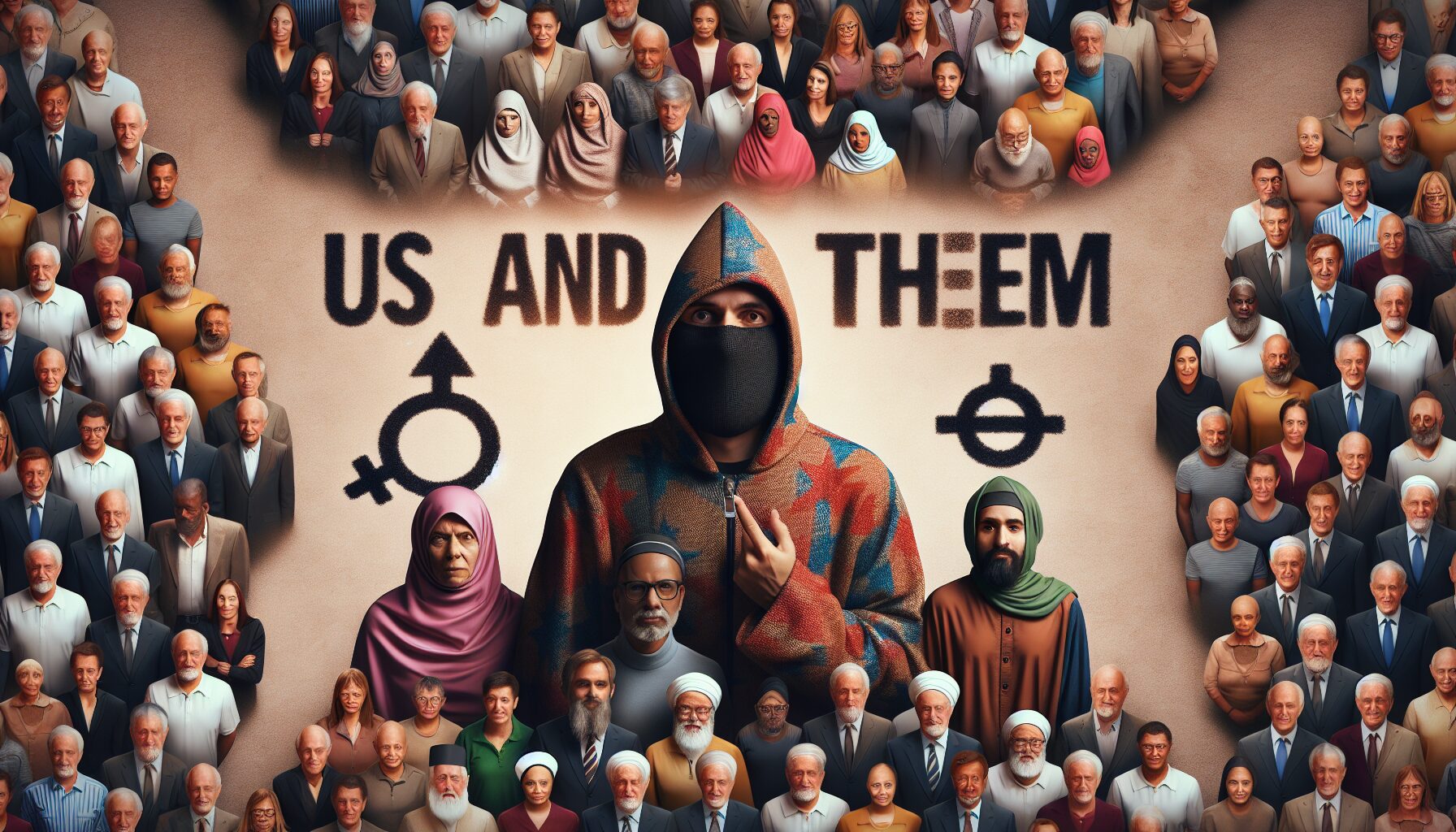
    Throughout history, societies have often resorted to scapegoating certain religious groups, a phenomenon that has both social and psychological roots. Understanding the mechanisms behind this behavior reveals much about how humans interact in complex social structures.

    The Concept of Scapegoating

    Scapegoating involves unfairly blaming a person or a group for problems they did not cause. This practice is often harnessed to deflect responsibility, unite communities against a common “enemy,” and reinforce social cohesion within the dominant group. The term originates from an ancient ritual described in the Bible, where a goat was symbolically burdened with the sins of the people and driven away into the wilderness.

    Psychological Underpinnings

    According to Dr. Robert Jones, CEO of PRRI (Public Religion Research Institute), “When societies experience upheaval, individuals look for a cause; religious minorities often become the convenient scapegoat.” The American Psychological Association notes that scapegoating fulfills psychological needs, such as the need for a clearly defined foe during times of fear and uncertainty.

    The Mechanism of ‘Us vs. Them’

    • Identity: Religion is a core part of identity for many, and any threat to that can provoke defensive and aggressive responses.
    • Group Dynamics: Social Identity Theory suggests that people derive pride from their group membership. Distinguishing “us” from “them” reinforces group solidarity.
    • Perceived Threat: Sociologist Ervin Staub explains that perceived threats—whether economic, social, or cultural—often catalyze scapegoating dynamics.

    Historical Examples

    The persecution of Jewish communities throughout history, particularly during the Black Death in medieval Europe, is a classic example of religious scapegoating.

    “Jews were accused of poisoning wells and causing the plague, resulting in widespread violence and massacres,”

    recounts the Yad Vashem Institute. This illustrates how myths and stereotypes are often fabricated or exaggerated to serve the scapegoating agenda.

    The Cost of Scapegoating

    While scapegoating serves as a temporary balm for societal fears and anxieties, it ultimately negates the principles of inclusivity and mutual respect. It also perpetuates cycles of violence and misunderstanding. Psychologist Gordon Allport warned that, “Continual discrimination against minority groups not only destructs humanity but corrodes the soul of the society that indulges in it.”

    Studying the social mechanics of religious scapegoating compels us to question how we can prevent history from repeating itself. By fostering environments that emphasize empathy, understanding, and education, we can begin to dismantle the destructive mechanisms of “us” versus “them.”