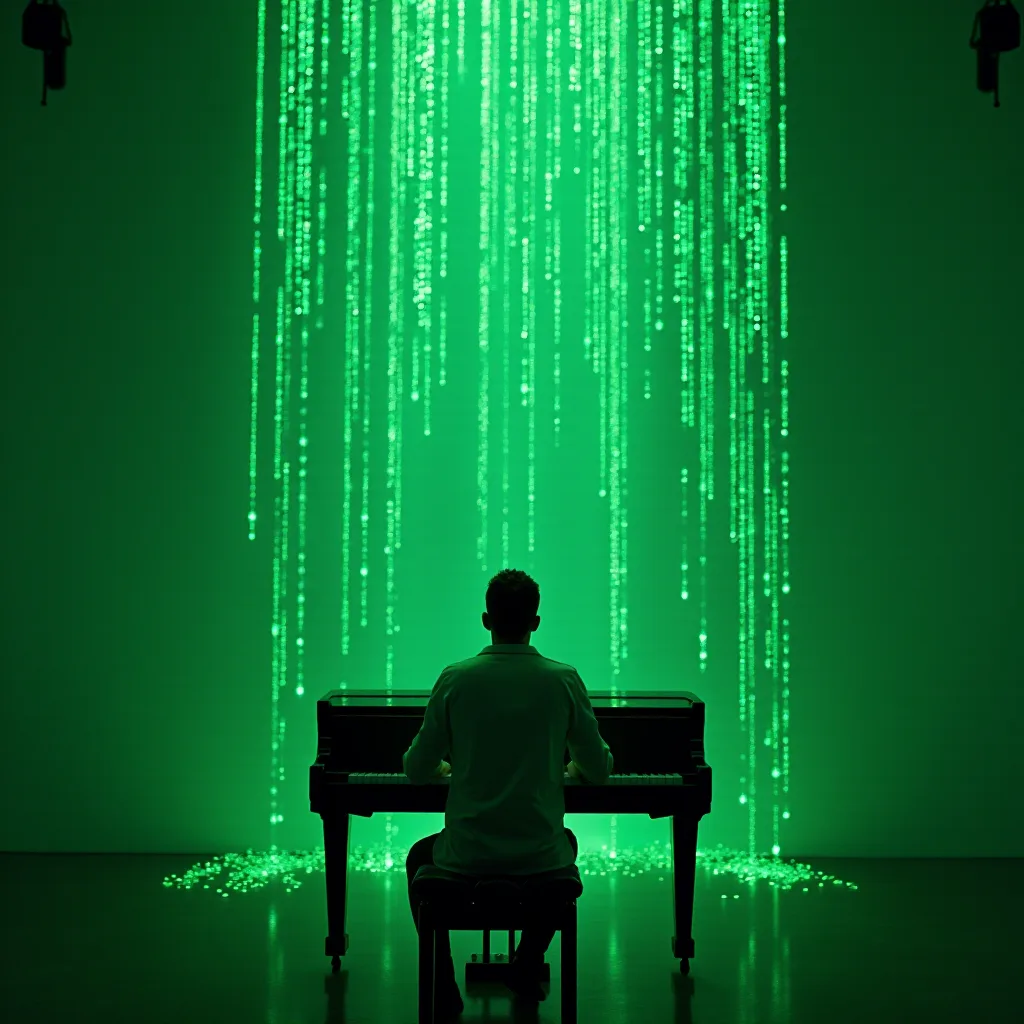
A Brief History of the Evolution of Musical Instruments
The neon streets buzz with life as we tune into an overture reminiscent of Impression, Sunrise: A journey through time awaits us in this symphony of strings and keys.
- Ancient Beginnings (3000 BCE - 500 CE):
- Percussion instruments like the
bubos, sistrums, and clappersresonate with primal beats echoing through time. - The invention of stringed wonders such as lyres in Mesopotamia set melodies into motion — an overture for future orchestras.
- Medieval Era (500 - 1400 CE):
- The lute’s strum weaves through the air; its strings harmonize with tales of chivalry and romance. A monochrome morality plays out in every chord.
- Pipes, flutes crafted from nature's gifts serenade feasts — instruments not just for music but a means to tell stories woven into sin-city lore.
- The Renaissance (1400 - 1600 CE):
- An explosion of musical diversity — harpsichords and violins take the stage in grand concert halls across Europe, mirroring a matrix simulation awakening with every new note.
- Baroque and Classical Periods (1600 - 1800 CE):
- The harpsichord's pluck fades into the background, overtaken by a violin concerto that dances through Vienna’s grand halls. An orchestral symphony emerges with each wave of change.
- The Contemporary Period (1900 - Present):
- Piano rolls over into synthesizers, the new maestros conducting a grand orchestra. Jazz riffs intermingle with rock anthems; technology evolves as music does — creating ever-changing overtures of rebellion and innovation.
A sudden glitch disturbs the score; we're thrust back to ancient Egypt, where harps and lutes played a symphony under Pharaohs' gaze.
As we traverse through the Middle Ages’ stark noir streets, an electric surge awakens our senses; this era’s overture is dark yet melodic.
A freeze frame: an intermission that hints at what’s to come; history takes its breath as we approach modern times.
Our modern era unfolds before us; an encore as escape from ancient roots to contemporary sounds — electronic wonders and digital rhythms paint our sonic landscape.
The neon grid flickers to life once more: this is our present-day symphony where ancient strings meet electric beats, composing the future’s opus one note at a time. As we exit stage left into an unknown tomorrow, echoes from centuries past resonate in every key pressed or string plucked — music transcends beyond era and instrument.
“Music has always been mankind's greatest expression of freedom.” - Albert Einstein
The evolution continues… on this neon grid. On this cosmic overture that never ends...