Author: Mythcore Investigations

  • When Communities Go Underground – Adaptation under repression

    When Communities Go Underground – Adaptation under repression

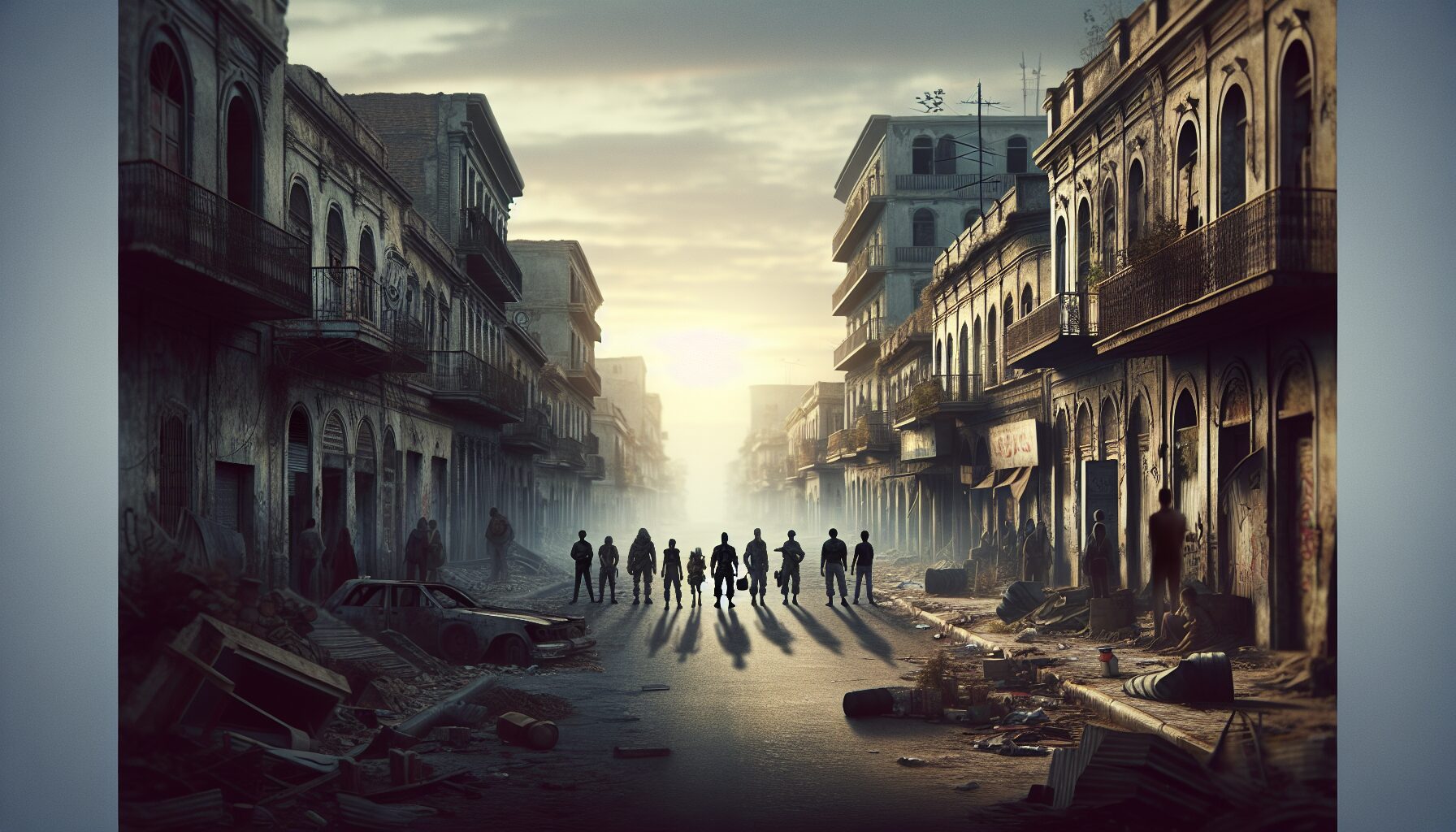
    When Communities Go Underground: Adaptation Under Repression

    Throughout history, human communities have faced various forms of repression. Whether due to political, social, or religious persecution, numerous societies have chosen to adapt by moving their activities underground. This mode of survival has allowed these groups to preserve their identity, culture, and beliefs while navigating the perilous terrains of oppression.

    The Origins of Underground Societies

    The concept of ‘going underground’ is not new. From early Christian communities hiding from Roman persecution to political dissidents during oppressive regimes, the underground has served as a haven for those marginalized by dominant powers.

    For instance, during the 20th century, many Eastern European intellectuals and activists operated in secret to counter Soviet censorship. According to Anne Applebaum, a historian known for her work on authoritarian regimes, “The underground has always been a place where those who oppose the status quo can forge their paths, even in the face of tremendous danger” (Anne Applebaum).

    Mechanisms of Underground Adaptation

    • Secret Networks: At the heart of any underground community is its network. These networks facilitate communication, resource sharing, and dissemination of ideas. During World War II, the French Resistance used elaborate networks to resist Nazi occupation.
    • Symbols and Codes: To maintain secrecy, these communities often developed unique symbols and codes. This method was crucial for early Christians who painted fish symbols to indicate safe meeting places.
    • Hidden Infrastructure: Physical spaces, such as hidden rooms, caves, or tunnels, have historically been used as sanctuaries or meeting spots. The catacombs in Rome are a testament to the resilience of persecuted early Christians.
    • Cultural Preservation: Despite the clandestine nature of these communities, there remains a steadfast focus on maintaining cultural traditions. From music, art, to rituals, these elements are vital to sustaining group identity.

    Modern-Day Underground Communities

    In contemporary settings, the internet has become a new frontier for underground adaptation. Digital spaces provide anonymity and a platform for dissent. For example, pro-democracy movements in countries with stringent censorship laws often rely on encrypted communication tools and social media platforms to organize and spread their messages.

    The Guardian highlighted the complexities of modern-day online resistance, citing a study that “found encrypted messaging apps like Signal and Telegram to be crucial tools for activists and dissidents around the world”1.

    “In the digital age, oppression continues to drive innovation, pushing communities to develop new and sophisticated methods to ensure their voices are heard.” – Anonymous Tech Activist

    Challenges and Risks

    While going underground offers a degree of protection, it is not without its challenges. There is the continual risk of exposure, infiltration by hostile entities, and the psychological toll of living under constant threat.

    Moreover, maintaining cohesiveness in secretive conditions can be challenging. Community leaders must balance the need for security with the necessity of communication and trust-building. In her book, “Stasiland”, Anna Funder explores the paranoia and tension within underground movements in East Germany, stating that “trust was the most fragile, yet most essential element within the opposition movements” (Anna Funder).

    The Path Forward

    The adaptability of underground communities underlines the human spirit’s resilience and tenacity. History shows that while oppression can drive communities into the shadows, it also fosters innovation and solidarity.

    As global dynamics continue to shift, understanding the mechanisms and motivations of these hidden societies becomes even more critical. By shedding light on their stories, we can better appreciate the nuances of human adaptation and resistance in the face of adversity.

    Ultimately, whether in physical or digital realms, communities that go underground continue to play a vital role in challenging oppression, preserving cultural identities, and inspiring future generations to fight for justice and equality.

  • Us and Them – The social mechanics behind religious scapegoating

    Us and Them – The social mechanics behind religious scapegoating

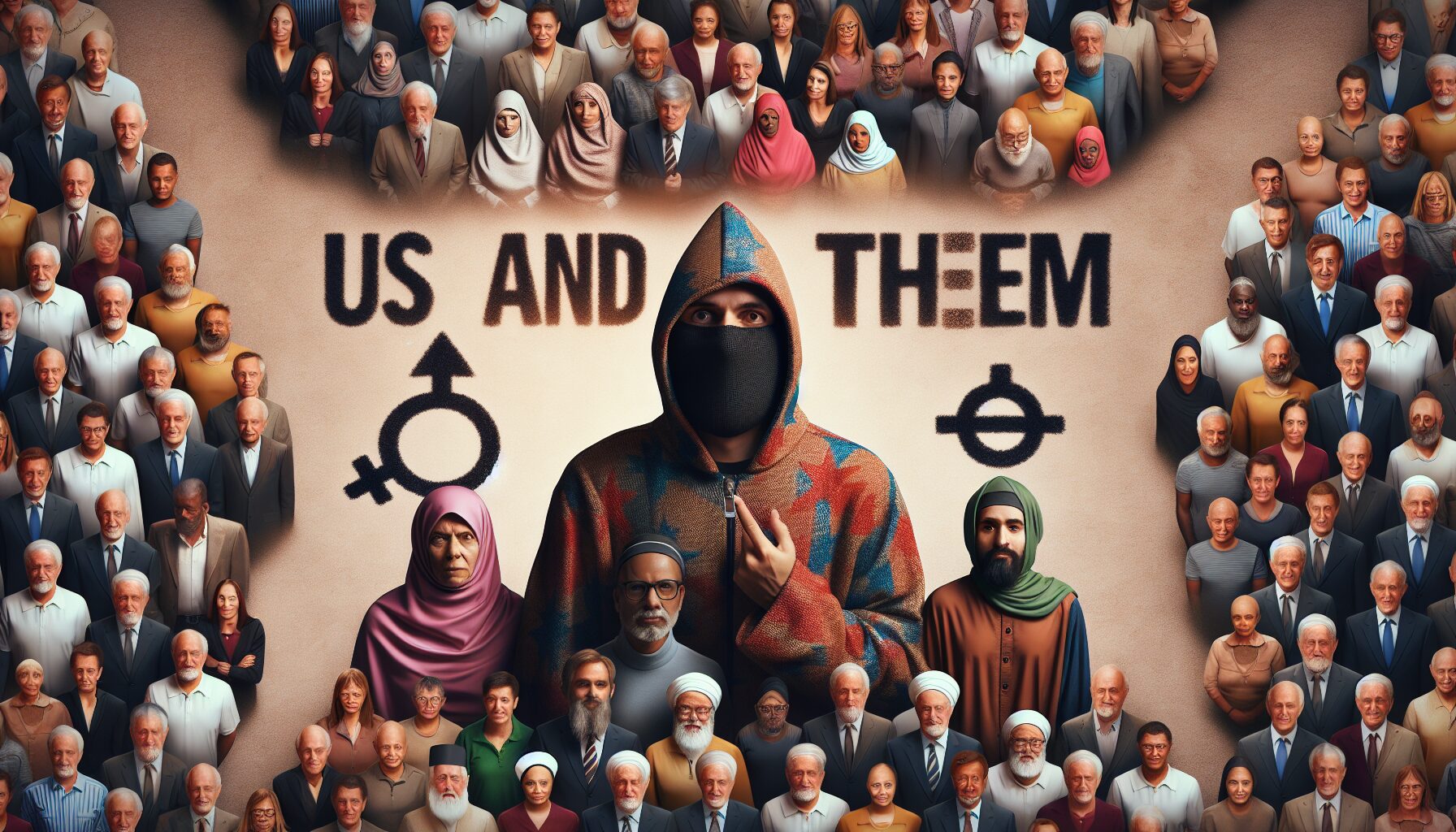
    Us and Them: The Social Mechanics Behind Religious Scapegoating

    Throughout history, societies have often resorted to scapegoating certain religious groups, a phenomenon that has both social and psychological roots. Understanding the mechanisms behind this behavior reveals much about how humans interact in complex social structures.

    The Concept of Scapegoating

    Scapegoating involves unfairly blaming a person or a group for problems they did not cause. This practice is often harnessed to deflect responsibility, unite communities against a common “enemy,” and reinforce social cohesion within the dominant group. The term originates from an ancient ritual described in the Bible, where a goat was symbolically burdened with the sins of the people and driven away into the wilderness.

    Psychological Underpinnings

    According to Dr. Robert Jones, CEO of PRRI (Public Religion Research Institute), “When societies experience upheaval, individuals look for a cause; religious minorities often become the convenient scapegoat.” The American Psychological Association notes that scapegoating fulfills psychological needs, such as the need for a clearly defined foe during times of fear and uncertainty.

    The Mechanism of ‘Us vs. Them’

    • Identity: Religion is a core part of identity for many, and any threat to that can provoke defensive and aggressive responses.
    • Group Dynamics: Social Identity Theory suggests that people derive pride from their group membership. Distinguishing “us” from “them” reinforces group solidarity.
    • Perceived Threat: Sociologist Ervin Staub explains that perceived threats—whether economic, social, or cultural—often catalyze scapegoating dynamics.

    Historical Examples

    The persecution of Jewish communities throughout history, particularly during the Black Death in medieval Europe, is a classic example of religious scapegoating.

    “Jews were accused of poisoning wells and causing the plague, resulting in widespread violence and massacres,”

    recounts the Yad Vashem Institute. This illustrates how myths and stereotypes are often fabricated or exaggerated to serve the scapegoating agenda.

    The Cost of Scapegoating

    While scapegoating serves as a temporary balm for societal fears and anxieties, it ultimately negates the principles of inclusivity and mutual respect. It also perpetuates cycles of violence and misunderstanding. Psychologist Gordon Allport warned that, “Continual discrimination against minority groups not only destructs humanity but corrodes the soul of the society that indulges in it.”

    Studying the social mechanics of religious scapegoating compels us to question how we can prevent history from repeating itself. By fostering environments that emphasize empathy, understanding, and education, we can begin to dismantle the destructive mechanisms of “us” versus “them.”

  • Bound by Belief – How persecution reshapes group identity

    Bound by Belief – How persecution reshapes group identity

    Bound by Belief: How Persecution Reshapes Group Identity

    The history of human civilization is replete with instances of religious, ethnic, and political persecution. Far from annihilating the groups in question, persecution has often played a paradoxical role in strengthening group identity and reshaping its cultural and social bonds. This phenomenon raises fascinating questions about the resilience of communities under duress and the transformative power of shared adversity.

    The Dynamics of Persecution

    Persecution frequently functions as a catalyst for the evolution of a group’s collective identity. This reshaping process centers on several dynamics:

    • Solidarity and Cohesion: As members face external threats, the survival instinct triggers increased solidarity among them. According to historian Philip Jenkins, “Persecution often binds a community together, providing it with a common cause and a narrative of resistance.”
    • Reinforced Beliefs: Far from weakening the beliefs of the persecuted, external pressure can reinforce religious or ideological convictions. Emile Durkheim, a pioneering sociologist, posited that persecution serves as a moral trigger, reaffirming the dedication of the group’s members.
    • Identity Reformation: Under external threat, groups may reformulate their identity, assuming new symbols and practices. The Jewish diaspora, for instance, has seen numerous reinterpretations of Jewish identity throughout centuries of persecution, each serving to fortify communal ties.

    Historical Examples

    The history of the early Christians provides a remarkable case study. Subjected to state-sanctioned persecution in the Roman Empire, early Christians experienced a profound transformation that would see them develop a rich iconography and theological canon. Christianity’s enduring motto, “The blood of the martyrs is the seed of the Church,” coined by Tertullian, underscored how initial persecution galvanized the faith’s spread across continents.

    Similarly, centuries later, the persecution of the Uyghur Muslims in China highlights modern reiterations of this ancient dynamic. Despite severe repression, reports have shown a resurgent embrace of cultural identity and religious practice among Uyghurs, drawing international attention and solidarity from Islamist networks globally.

    Concluding Thoughts

    Persecution, instead of achieving its elimination goals, often fortifies a group’s resolve, nurturing resilience and altering cultural practices to withstand external challenges. This paradox underscores humanity’s perpetual quest for meaning and stability in the face of adversity and highlights the indomitable spirit of community and faith.

    “When we are no longer able to change a situation, we are challenged to change ourselves.” – Victor Frankl

    This profound observation helps contextualize the unique ways in which persecution has historically unified communities, forging a stronger, more cohesive identity from the crucible of oppression.

  • Group Loyalty or Survival – The dynamics of persecuted communities

    Group Loyalty or Survival – The dynamics of persecuted communities

    The human tendency to form and maintain social groups is an enduring feature of our evolutionary heritage. However, for communities facing persecution, the choice between group loyalty and individual survival presents profound challenges. This intricate dynamic has been a focal theme in understanding how communities withstand external pressures.

    The Nature of Group Loyalty

    Group loyalty is often perceived as a deeply ingrained survival mechanism. According to The Social Animal by Elliot Aronson, “The desire to belong is one of the most basic and primal human needs.” This loyalty creates a collective identity that can unify members against external threats. However, it also requires individuals to make sacrifices for the group’s well-being.

    Such loyalty is a double-edged sword. On the one hand, it strengthens the community’s resilience; on the other hand, it may compel individuals to remain in environments that threaten their personal safety and survival.

    Historical Perspectives

    • The Jewish Diaspora: Throughout history, Jewish communities have exemplified how solidarity can sustain identity amidst persecution. From the Babylonian exile to the tribulations of the Holocaust, Jewish resilience underlines the strength that group loyalty can provide in the face of adversity.
    • The Rohingya Crisis: In more recent times, the Rohingya people have faced extreme violence and forced displacement. Their persistent identity and communal ties continue to play a crucial role in their ongoing struggle. Organizations such as UNHCR emphasize the importance of these bonds in facilitating aid and global visibility for their plight.

    Psychological Implications

    The psychological impacts of group loyalty are profound, especially under oppressive conditions. Oftentimes, loyalty entails upholding cultural traditions and ethical norms vital for communal continuity. However, it can also exert immense pressure on individuals to conform, potentially stifling innovation or adaptation strategies critical for survival.

    “People need people—there’s no survival without it,” states psychologist and author Brené Brown in her work on vulnerability and belonging.

    Yet, this very need can create dilemmas when individual desires or safety conflict with group expectations. Such conflicts may induce stress, anxiety, and a sense of guilt, particularly if one entertains thoughts of abandoning the group seeking safety elsewhere.

    Individual Survival Strategies

    When faced with severe threats, some individuals might prioritize survival over group allegiance. This choice often leads to fragmented communities and individual isolation. However, it also enables the members of persecuted communities to branch out, establishing new lives and, at times, entirely new communities.

    Survivorship bias often colors our understanding—which tends to highlight successful instances of individual departure rather than failure. However, the decision to leave can have consequences that are both bold and burdensome.

    Navigating Group and Individual Needs

    Balancing the needs of the group with those of the individual requires nuanced strategies.

    • Restructuring Leadership: A flexible leadership structure within communities can allow for adaptability while still honoring group loyalty.
    • Empathy and Support Systems: Encouraging empathetic listening and providing emotional support can help reconcile individual and group priorities.
    • Education and Awareness: Educating communities about the benefits of diversified survival strategies can foster openness to alternative paths.

    The interplay between group loyalty and individual survival is a reflection of a larger human struggle—navigating the fine balance between collectivist and individualist instincts. Communities that manage to strike this balance often emerge stronger and more resilient than before.

    Conclusion

    The dynamics of persecuted communities are complex and require an intricate understanding of human behavior under duress. Whether bolstered by historical narratives, psychological frameworks, or modern-day crises, the dichotomy of group loyalty versus survival continues to unfold uniquely across different contexts.

    Ultimately, both group loyalty and individual survival contribute to the fabric of community life. The pathways chosen by individuals and groups navigating persecution shape not only their future but can also inform broader societal resilience.

  • Criminalized Devotion – How laws are weaponized against belief

    Criminalized Devotion – How laws are weaponized against belief

    Criminalized Devotion: How Laws Are Weaponized Against Belief

    Throughout history, belief systems have often been at the crossroads of social and political agendas. While freedom of belief is enshrined in many constitutions, there are instances where laws are wielded as tools of oppression, targeting certain religious or spiritual followings. This practice can be termed as “criminalized devotion,” where the very act of believing or practicing a faith becomes an alleged threat to the state or society.

    The Historical Context

    Throughout the ages, rulers and governments have manipulated laws to suppress beliefs that were seen as a challenge to their authority. From the Roman Empire’s persecution of Christians to the later inquisitions against alleged heretics, the suppression of contrary beliefs has been sporadic yet systematic.

    “Intolerance is itself a form of violence and an obstacle to the growth of a true democratic spirit.” — Mahatma Gandhi

    The Spanish Inquisition, initiated in the late 15th century, is a case study of religious persecution under the guise of legal mandate. Thousands were prosecuted and punished, often with execution, for heresies, which at times were no more than differences in religious views or practices.

    Modern Legal Frameworks and Belief

    In the 21st century, international covenants, like the Universal Declaration of Human Rights, promulgate the freedom of belief as a fundamental right. Article 18 of this declaration states: “Everyone has the right to freedom of thought, conscience and religion.” Despite such international standards, the reality on the ground often paints a different picture.

    Case Studies of Weaponized Legislation

    • China and Falun Gong: Since 1999, the Chinese government has been conducting a campaign against Falun Gong, a spiritual practice based on meditation and qigong exercises. It has been labeled an “evil cult” by the state, resulting in the arrest and harassment of practitioners. Amnesty International reports continued human rights abuses on its practitioners.
    • Baha’i Persecution in Iran: The Baha’i faith is Iran’s largest non-Muslim religious minority, yet Iranian law does not recognize it. Followers face discrimination, raids, and arrest. According to the Baha’i International Community, their rights are routinely violated under laws that criminalize their faith.
    • India’s Anti-Conversion Laws: Multiple Indian states have enacted laws that ostensibly prevent forced conversions but are often used to target Christians and Muslims. Critiques argue that these laws embolden religious intolerance and are weaponized to maintain the status quo of religious demographics.

    The Effect on Society

    When belief systems are criminalized, the impacts on society can be profound and long-lasting. The immediate effect often involves the marginalization and stigmatization of targeted groups, leading to social division and unrest. It undermines social cohesion and leads to a climate of fear where individuals are wary of openly expressing their beliefs.

    Moreover, the weaponization of laws to oppose particular religious traditions speaks to broader issues of power and control. States often justify these actions under the banners of national security, public order, or cultural preservation. However, these justifications are frequently construed as a veneer for deeper political motives.

    Resistance and Advocacy

    Despite these challenges, many individuals and organizations continue to operate in defiance of unjust laws, often risking their lives to do so. International advocacy groups, such as Human Rights Watch and Amnesty International, play a pivotal role in bringing attention to these injustices and lobbying for change.

    “Wherever men and women are persecuted because of their race, religion, or political views, that place must — at that moment — become the center of the universe

  • Faith as Resistance – Spiritual groups that refuse to disappear

    Faith as Resistance – Spiritual groups that refuse to disappear

    Faith as Resistance: Spiritual Groups That Refuse to Disappear

    In a world increasingly driven by technology and rapid societal changes, some spiritual groups continue to assert their presence and relevance amidst the noise. These spiritual communities often embody a form of quiet resistance, standing firm in their beliefs and practices despite external pressures. This article explores how various spiritual groups are persisting and thriving in modern times.

    A Historical Perspective

    Throughout history, spirituality has been both a source of solace and a catalyst for resistance. Religious and spiritual groups have long played pivotal roles in movements for social change. The Civil Rights Movement, for instance, was heavily influenced by the teachings of Christian doctrine, with leaders like Martin Luther King Jr. emphasizing the importance of faith in the struggle for equality.

    “Faith is taking the first step even when you don’t see the whole staircase.”

    — Martin Luther King Jr.

    From the Quakers, who were instrumental in the abolition of slavery, to the Sufis, whose mystical teachings often served as a counterbalance to rigid doctrinal interpretations, spirituality has frequently been intertwined with progressive societal shifts.

    Modern Spiritual Movements

    In contemporary times, several spiritual groups are resisting cultural assimilation and asserting their identity through intentional practice. Below are a few notable examples:

    • The Amish: Known for their simple living, refusal of modern technology, and community-centric life, the Amish population in the United States has been growing. According to a Pew Research study, the Amish community has nearly doubled in size in the past two decades. By living according to their Anabaptist faith, they resist the fast-paced change of modern society.
    • Tibetan Buddhists: Despite facing significant challenges, particularly from political forces in their homeland, Tibetan Buddhists keep their traditions alive through global communities. The preservation of their spiritual practices is a form of cultural resistance and identity affirmation.
    • The Rastafarians: Emerging in the 1930s in Jamaica, Rastafarianism combines Christian elements, Pan-African ideology, and a strong cultural identity. As stated in the work of Leonard Barrett, author of “The Rastafarians”, the movement persists as a testament to cultural resilience.

    Institutional and Grassroots Support

    Many spiritual groups survive and even thrive due to both institutional support and grassroots efforts. Initiatives such as interfaith dialogue platforms and cultural heritage sites serve as resources for spiritual communities to learn, grow, and maintain their traditions.

    • Interfaith Coalitions: Projects such as The Parliament of the World’s Religions promote understanding and cooperation among diverse faiths. The Parliament serves as a critical organization in fostering peace and improving the visibility of smaller religious groups.
    • Cultural Heritage Sites: UNESCO’s efforts to protect traditional religious sites reinforce the cultural significance of these spaces. As an example, the listing of Buddhist temples in Nepal ensures both preservation and worldwide recognition.

    Digital Adaptation and Global Reach

    Many religious and spiritual groups have embraced digital platforms to expand their reach and impact. Churches offering online services, meditation apps promoting mindfulness, and social media engagement provide fertile grounds for these communities to grow. According to a Pew Research Center survey, a significant number of people access religious teachings online, showing a blend of traditional faiths with modern technology.

    “While religion always changes, we are living through a massive expansion of religious creativity,”

    — Stephan Pickard, Australian theologian.

    This digital shift allows spiritual groups to reach new audiences, inviting participation from those who might not have engaged in a traditional setting.

    Challenges and Opportunities

    Despite their resilience, spiritual communities face significant challenges, including secularization, political pressures, and demographic shifts. However, these challenges also present opportunities for growth and reinterpretation of beliefs.

    • Secularization: As secular values become more prominent, religious groups are pushed to articulate their relevance in a modern context. This can lead to engaging dialogues and critical reflections within these communities about their roles and teachings.
    • Political Pressures: Religious groups often face scrutiny and opposition from governmental authorities. However, these challenges can unite communities in a common cause, reinforcing their spiritual and cultural identities.

    The Future of Spiritual Resistance

    Looking ahead, the resilience of these spiritual groups will likely depend on their ability to balance tradition with modernity, fostering connections both within and outside their borders. Organizations like The Guardian predict that religious innovations might lead the way to more harmonious coexistence.

    Ultimately, the persistence of spiritual communities illustrates how deeply human beings value their cultural and spiritual heritages. Through careful adaptation and unwavering resistance, these groups continue to light the path for future generations.

    By continuing to stand firm in their beliefs, these spiritual communities play an integral role in maintaining cultural diversity and fostering a deeper understanding across global societies. Their message of faith as a form of resistance is as relevant now as ever.

  • Invisible Chains – Psychological control in religious persecution

    Invisible Chains: Psychological Control in Religious Persecution

    The phenomenon of religious persecution has long employed not only physical but also psychological mechanisms to enforce conformity and stifle dissent. While physical coercion is often more visible, the subtle, insidious nature of psychological control operates through invisible chains, effectively snaring the minds of individuals and communities.

    The Nature of Psychological Control

    Psychological control in the context of religious persecution can manifest in various forms, including the manipulation of beliefs, the instillation of fear, and the indoctrination of self-policing behaviors. As George Orwell poignantly noted in his novel 1984, “The best books… are those that tell you what you know already.” This notion reflects how perpetrators exploit existing cultural and religious norms to solidify control.

    “The most potent weapon in the hands of the oppressor is the mind of the oppressed.”

    Steve Biko

    Mechanisms of Control

    • Fear and Intimidation: Fear is a powerful tool used to suppress dissent and maintain control. Threats of divine retribution or eternal damnation can be employed to terrify adherents into obedience.
    • Isolation: Persecution often includes isolating individuals from the broader community, which can exacerbate feelings of helplessness and ensure that persecuted individuals remain vulnerable and controllable.
    • Manipulation of Doctrine: Persecutors may manipulate religious texts, offering skewed interpretations that justify their actions and delegitimize the beliefs of others, thus creating an ideological rift.
    • Indoctrination and Propaganda: These methods often perpetuate certain narratives that demonize the ‘other’ and glorify the persecutors, maintaining a cycle of control through false realities.

    Combating Psychological Control

    To combat the psychological dimension of religious persecution, awareness and resilience-building are crucial. Education becomes a powerful emancipatory tool, lighting the way toward critical thinking and skepticism. Organizations like Amnesty International work tirelessly to raise awareness and support those suffering persecution worldwide, highlighting the humanitarian need to address psychological as well as physical safety.

    In conclusion, understanding the psychological control mechanisms at play in religious persecution reveals the extent of their reach and impact. By shining a light on these invisible chains, society takes a step closer to unshackling those who suffer under such regimes, fostering a world where freedom of belief and expression is truly respected and protected.

  • From Temple to Prison Cell – The journey of persecuted believers

    From Temple to Prison Cell: The Journey of Persecuted Believers

    The practice of faith has often been a sanctified, personal journey for many throughout history. Yet for millions around the world, this journey is fraught with peril, fundamentally transformed into a constant struggle for survival. From the solemnity of temples to the harsh realities of prison cells, religious believers face persecution for their adherence to their faith.

    Historical Context

    Religious persecution is not a novel concept. The Acts of the Apostles in the Christian New Testament recounts the trials of early Christians. As stated in Acts 8:1, “A great persecution broke out against the church in Jerusalem, and all except the apostles were scattered throughout Judea and Samaria.” This scattering of believers is an early instance of a recurring theme across eras and geographies.

    Modern-Day Persecution

    Today, persecution continues unabated. According to a report by Open Doors USA, over 340 million Christians live in places where they experience high levels of persecution. The organization ranks countries like North Korea, Afghanistan, and Somalia as some of the most perilous places for Christians.

    • North Korea: Known for its extreme stance against religious activities, being found with a Bible can result in execution or life imprisonment.
    • Afghanistan: Converts to Christianity face severe repercussions, often forced into hiding.
    • Somalia: Christians are at constant risk of targeted execution by extremist groups.

    Voices of Hope

    Despite these challenges, the resilience of believers is profound. Organizations like the International Society for Human Rights observe that numerous individuals continue to participate in their faith under threat of persecution. As Jan Figel, former EU Special Envoy for the promotion of freedom of religion or belief, noted, “Faith is not to be imposed nor to be eliminated. It proposes.

    “The fundamental aim of all forms of persecution is the destruction of freedom, an essential human right.”

    Concluding Thoughts

    From the austerity of ancient temples to the bleak confines of modern prison cells, the journey of persecuted believers highlights their tenacity and enduring hope. The world must heed their stories, not only as tales of suffering but as testament to the indomitable spirit of faith amid adversity.

    For those who traverse this perilous path, their faith remains both a guiding light and an unwavering companion, illuminating even the darkest of prison cells.

  • Sacred Targets – Why spiritual communities are singled out by the state

    Sacred Targets: Why Spiritual Communities Are Singled Out by the State

    Throughout history, spiritual communities have often found themselves under the scrutiny of state powers. From ancient times to the modern era, governments have maintained a complex relationship with these groups, sometimes promoting them, at other times, seeking to control or suppress them. This article explores why spiritual communities often become focal points of state attention and regulation.

    The Historical Context

    The relationship between church and state is a tale as old as civilization itself. In ancient Egypt, the Pharaohs were considered divine rulers, blending spiritual authority with political power. Similarly, in medieval Europe, kings and emperors ruled by divine right, and the Catholic Church wielded significant influence over state matters.

    “Religion is the sigh of the oppressed creature, the heart of a heartless world, and the soul of soulless conditions. It is the opium of the people.”
    Karl Marx

    Karl Marx’s observation underscores the power spiritual communities can hold. They offer solace and a sense of belonging, which can be particularly appealing in turbulent times. For the state, such influence can be seen as a double-edged sword—an opportunity for social stability or a threat to political control.

    Why Spiritual Communities Are Singled Out

    There are several reasons why states may single out spiritual communities:

    • Social Influence: Faith-based organizations often wield significant influence over their followers. Mass assemblies, rituals, and religious fervor can mobilize large groups, which may threaten state authority or societal norms.
    • Economic Power: Many spiritual communities control vast resources. From the land holdings of medieval monasteries to the modern-day megachurches, economic power translates to social influence, which the state may seek to regulate.
    • Ideological Conflict: When the teachings or beliefs of a group challenge the dominant ideology, whether it be secularism, capitalism, or a particular political doctrine, the state may view them as a threat that needs to be neutralized.
    • Security Concerns: Governments may regulate or surveil religious groups under the pretext of ensuring national security, fearing extremism, or subversion.

    Case Studies

    The Persecution of the Early Christians

    In the Roman Empire, Christians were persecuted for their refusal to worship the emperor and the Roman gods. Their rapidly growing numbers and the secretive nature of their meetings aroused suspicion and hostility from the Roman authorities.

    “If the Tiber reaches the walls, if the Nile does not rise to the fields, if the sky does not move or the earth yes, if there is famine, if there is plague, the cry at once arises: ‘The Christians to the lion!’”
    Tertullian, Apology

    The Tibetan Buddhists and the Chinese State

    Since China’s annexation of Tibet in 1950, there has been an ongoing conflict between the Chinese government and Tibetan Buddhists. To this day, Tibetan spiritual practices and expressions of political autonomy are often suppressed.

    The Council on Foreign Relations notes that the Chinese government controls religious affairs and has subjected the populace to assimilation policies, seeing the Dalai Lama and Tibetan Buddhism as a threat to their control.

    Modern Surveillance in the Name of Security

    In today’s digital age, several countries have implemented surveillance measures targeting spiritual communities. Religious gatherings are often monitored under the guise of preventing terrorism, leading to debates over privacy and religious freedom.

    For example, in the United States, post-9/11 legislation expanded the state’s powers to monitor Muslim communities. This policy has prompted ongoing discussions about the balance between security and civil liberties.

    The Role of the Internet and Social Media

    The rise of the internet and social media has further complicated state-religion dynamics. On the one hand, these platforms provide spiritual communities with powerful tools to spread their message, mobilize followers, and exert influence across borders. On the other hand, they offer states new means of surveillance and regulation.

    Nina K. Berman, writing in Social Media & Society, points out that digital spaces have become battlegrounds for religious expression and state control.

    Concluding Thoughts

    The state’s focus on spiritual communities is a complex interplay of control, fear, and respect. These groups can act as bastions of social cohesion and moral guidance, making them both allies and threats to government powers. As we move deeper into the 21st century, finding a balance between religious freedom and state interests will be crucial for peaceful coexistence.

    Ultimately, the ongoing dialogue between the sacred and secular worlds shapes cultural, social, and political landscapes worldwide. Understanding this relationship helps us appreciate the nuanced role spiritual communities play in our societies.

  • Tradition Under Siege – Ancient faiths facing modern power

    Tradition Under Siege – Ancient faiths facing modern power

    Tradition Under Siege: Ancient Faiths Facing Modern Power

    In a rapidly evolving world, ancient faiths find themselves in an ongoing struggle to preserve their traditions against the tides of modernization and globalization. These religious practices, some of which have existed for thousands of years, are increasingly challenged by societal changes, technological advancements, and political pressures.

    The Clash of Old and New

    As globalization continues its relentless march, traditional beliefs often come into conflict with new ideas and practices. The Economist notes, “Traditional societies face pressure to adapt to new cultural norms and technologies, impacting both their spiritual and daily lives” (The Economist).

    • Technology’s Double-Edged Sword: While modern technology offers platforms for wider communication and the spread of traditional cultures, it also brings westernized cultural values that can dilute or replace indigenous beliefs.
    • Political Pressures: Governments may impose regulations that conflict with religious practices. Countries like China and India face criticism for policies seen as infringing on religious freedoms.

      “Faith communities struggle to maintain their customs in the face of political frameworks that often prioritize national unity over individual freedoms,” stated a report from Human Rights Watch.

    Preservation Efforts

    To combat these challenges, numerous initiatives worldwide aim to preserve and honor these ancient traditions:

    • Cultural Education: Some communities have initiated educational programs to teach younger generations their history and traditions. For instance, Maori schools in New Zealand incorporate traditional crafts and language into their curricula.
    • Digital Archives: Projects like the Endangered Languages Project work to document and archive obscure languages that are at risk of extinction due to declining native speaker numbers.

    Global Support and Recognition

    International organizations are also stepping up to support the survival of these cultural heritages. UNESCO, for instance, has designated numerous traditional practices as part of the “Intangible Cultural Heritage of Humanity.” Such recognition helps raise awareness and appreciation for these practices globally.

    The intersection of ancient faiths and modern power presents both challenges and opportunities. While the clash of cultures threatens the continuity of traditional practices, increased global attention and efforts at preservation signify hope for the endurance of these ancient legacies. As the world becomes more interconnected, the preservation of these sacred traditions becomes not just about maintaining cultures but also about fostering global diversity and understanding.