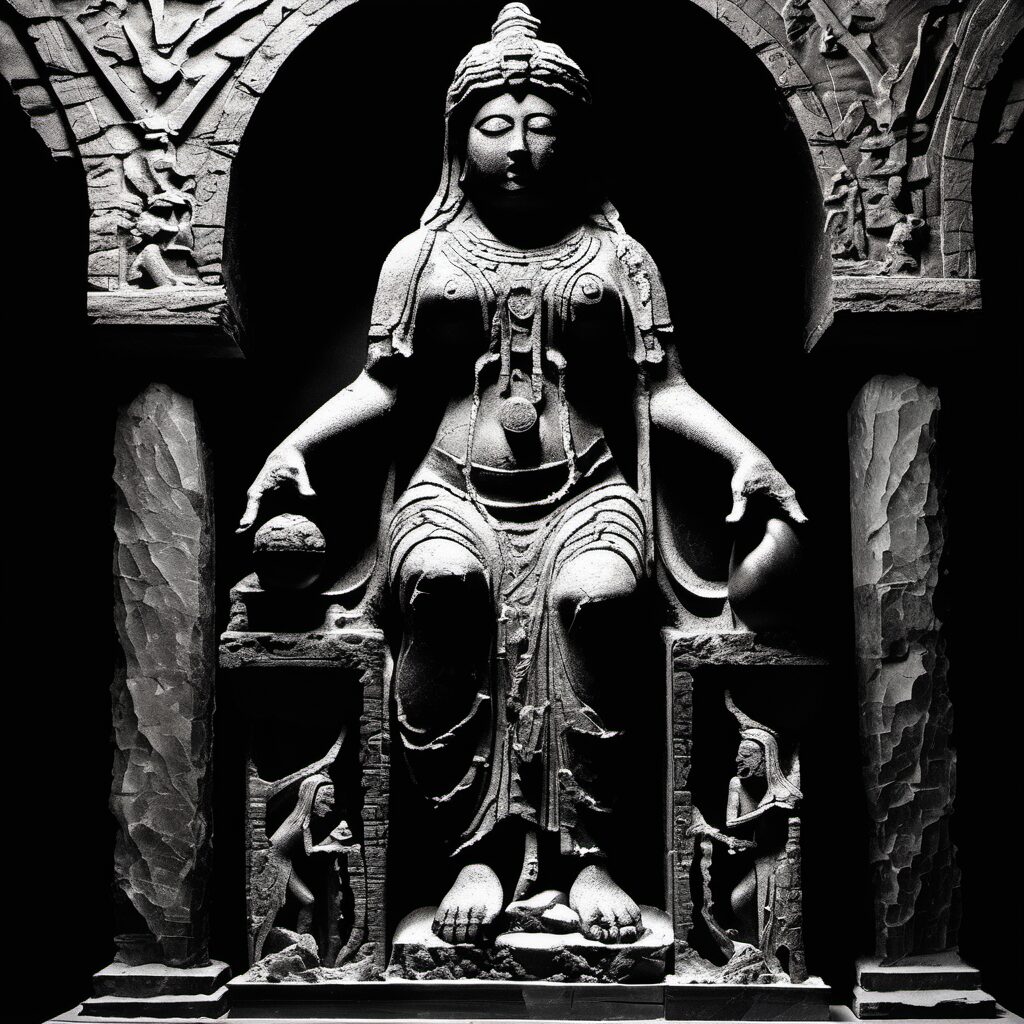
Demeter in Winter: The Goddess Who Withdraws Life
“In Greek mythology, Demeter is the goddess of agriculture and harvest. But what happens to her during winter? As the seasons change, so does her role.”
Demeter, revered as the mother of Persephone, has a unique relationship with winter. Unlike many other gods, she doesn’t associate directly with this season. Instead, her connection lies in the withdrawal of life that winter signifies.
The Daughter’s Abduction
The tale of Demeter and Persephone is deeply intertwined with the changing seasons. According to myth, Hades, god of the underworld, abducts Persephone to become his queen. In despair, Demeter causes the earth to wither as a symbol of her grief.
Demeter’s Withdrawal
The period when Persephone is in the underworld is known as the Great Goddesses’ Despond, symbolizing winter. During this time, Demeter withdraws from the world, refusing to let crops grow until her daughter returns.
“Winter is not a season that Demeter embraces, but rather a time of sorrow and withdrawal. It serves as a stark reminder of Persephone’s abduction and the separation between mother and daughter.” – Dr. Helen MacDonald, Mythology Scholar
The Return of Life
As winter draws to a close, Demeter learns that Persephone has eaten pomegranate seeds in the underworld and must spend part of each year there. The longer Persephone stays underground, the later spring arrives. When she returns, Demeter’s sadness lifts, allowing plants to grow once more.