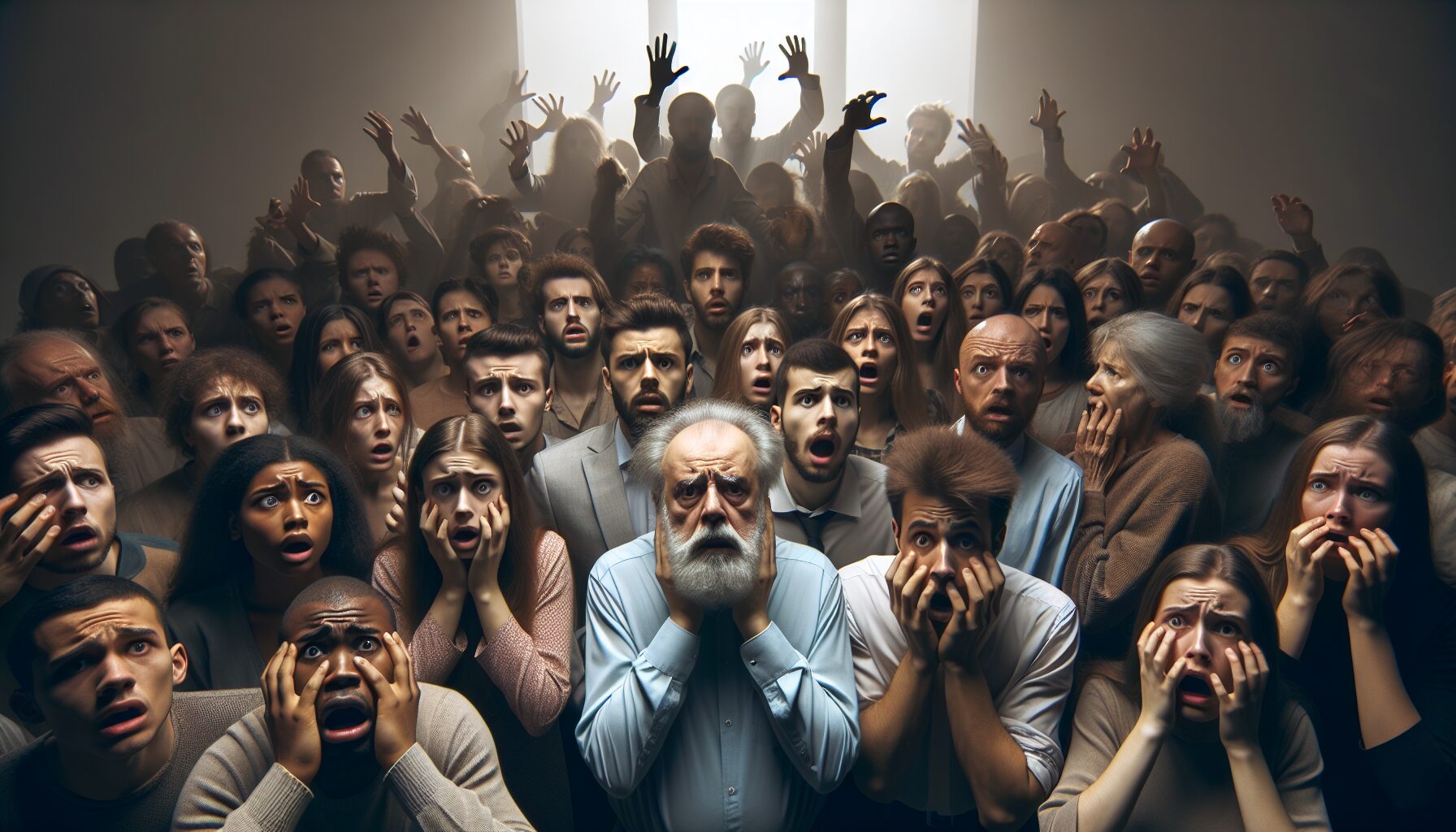
Throughout history, repression has played a pivotal role in shaping the dynamics within societies. The mechanisms and impact of repression on group behavior are profound, often leading to a collective fear that influences how individuals within these groups interact with each other and respond to authority.
The Nature of Repression
Repression can be defined as the act of subduing someone or something by force. Within sociopolitical contexts, it often manifests as the systemic control of behavior, thoughts, and expressions of a population. This control is typically executed through fear tactics, censorship, and intimidation.
“When people fear the government, there is tyranny; when the government fears the people, there is liberty.” — Thomas Jefferson
This sentiment captures the essence of how fear can dictate the structure and function of societal units. When fear is prevalent, manipulation of the masses becomes a tool for maintaining power.
Impact on Group Behavior
Repression doesn’t only restrict personal freedoms; it drastically alters collective behavior patterns:
- Conformity: Under pressure, individuals in repressive environments often conform to prevailing norms, even if privately they might disagree with them. This is driven by a survival instinct and the fear of potential repercussions.
- Silencing of Dissent: The threat of punishment or ostracism can inhibit free expression. As a result, voices of dissent are muted, and the diversity of thought is stifled, hindering social progress.
- Self-Censorship: In anticipation of repression, individuals may preemptively censor their own thoughts and actions, perpetuating a cycle of fear-induced conformity. A study from SAGE Journals illustrates how self-censorship is prevalent in societies experiencing high levels of state surveillance.
Breaking the Cycle
In spite of the pervasive fear, history has shown that collective resistance can emerge. The key to breaking the cycle of repression lies in fostering environments where freedom of expression is valued and protected. Movements such as the Civil Rights Movement and more recent instances like the Arab Spring demonstrate how unified efforts can challenge oppressive forces.
The role of solidarity cannot be understated. As individuals unite in shared goals, the power dynamics shift. Resistance movements have been empowered by this collective courage, fueling transformative change towards more open, democratic societies.
Ultimately, understanding the effects of repression and recognizing the courage of those who stand in opposition to it is crucial in advocating for healthier, freer societies. Repression may induce collective fear, but when harnessed positively, it can also ignite the fuse for collective empowerment.