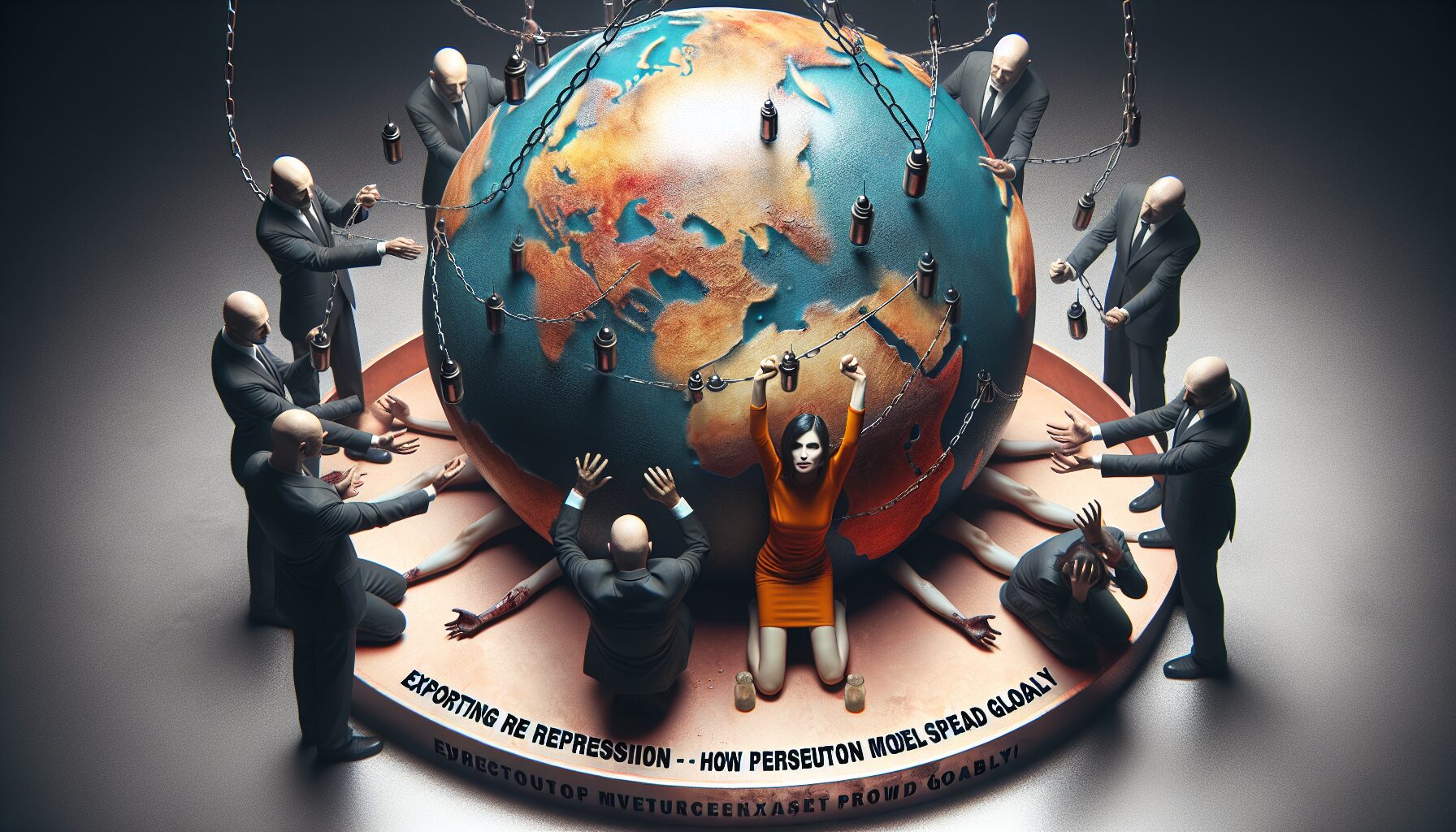
Exporting Repression: How Persecution Models Spread Globally
In an increasingly interconnected world, the spread of authoritarian practices across borders has become a pressing concern. Systems of repression, once confined to the nations that developed them, are being exported globally, threatening freedoms worldwide.
Models of Repression
Authoritarian regimes often develop efficient models of repression to silence dissent and consolidate power. These models include a mix of surveillance technologies, legal restrictions on freedom of speech, and tactics to control information. Once developed, these models can be easily adapted and implemented in other nations.
Technology as a Tool for Control
Modern technology plays a pivotal role in the exportation of repression. Sophisticated surveillance systems developed in one country can be sold or shared with others, often under the guise of aiding national security. According to Human Rights Watch, “countries not known for respecting human rights have been able to purchase technology that allows them to monitor and track their citizens with extreme precision” (Human Rights Watch, 2022).
Legal and Political Tactics
Legal frameworks also facilitate the global spread of repression. Authoritarian leaders often share legislation and regulatory practices that curtail freedoms, portraying restrictive laws as necessary for maintaining order. This is evidenced by the increasing adoption of ‘fake news’ laws, which are criticized for being tools of censorship. The Amnesty International report states, “Such laws are often vaguely worded, allowing governments to clamp down on dissenting voices under broad interpretations of what constitutes fake news” (Amnesty International, 2023).
“When one country implements oppressive systems successfully, it becomes a model for others with similar governance goals,” explains political analyst Jane Doe. “The export of repression is not just about technology but also about shared ideology and strategies” (Jane Doe, Political Expert, 2023).
Resistance and Solutions
Despite the spread of repressive techniques, international human rights organizations and civil society groups continue to push back. Raising awareness, advocating for digital rights, and supporting independent media are crucial steps toward countering these trends.
- Advocacy and Campaigns: Groups like Freedom House are actively campaigning against the global spread of digital authoritarianism.
- Technological Countermeasures: Developing open-source tools that protect privacy and boost secure communication channels is another key effort.
As models of repression continue to spread, the global community must remain vigilant. Collaborative efforts are essential to ensure that freedoms enjoyed in some regions are not eroded by the authoritarian playbooks of others.