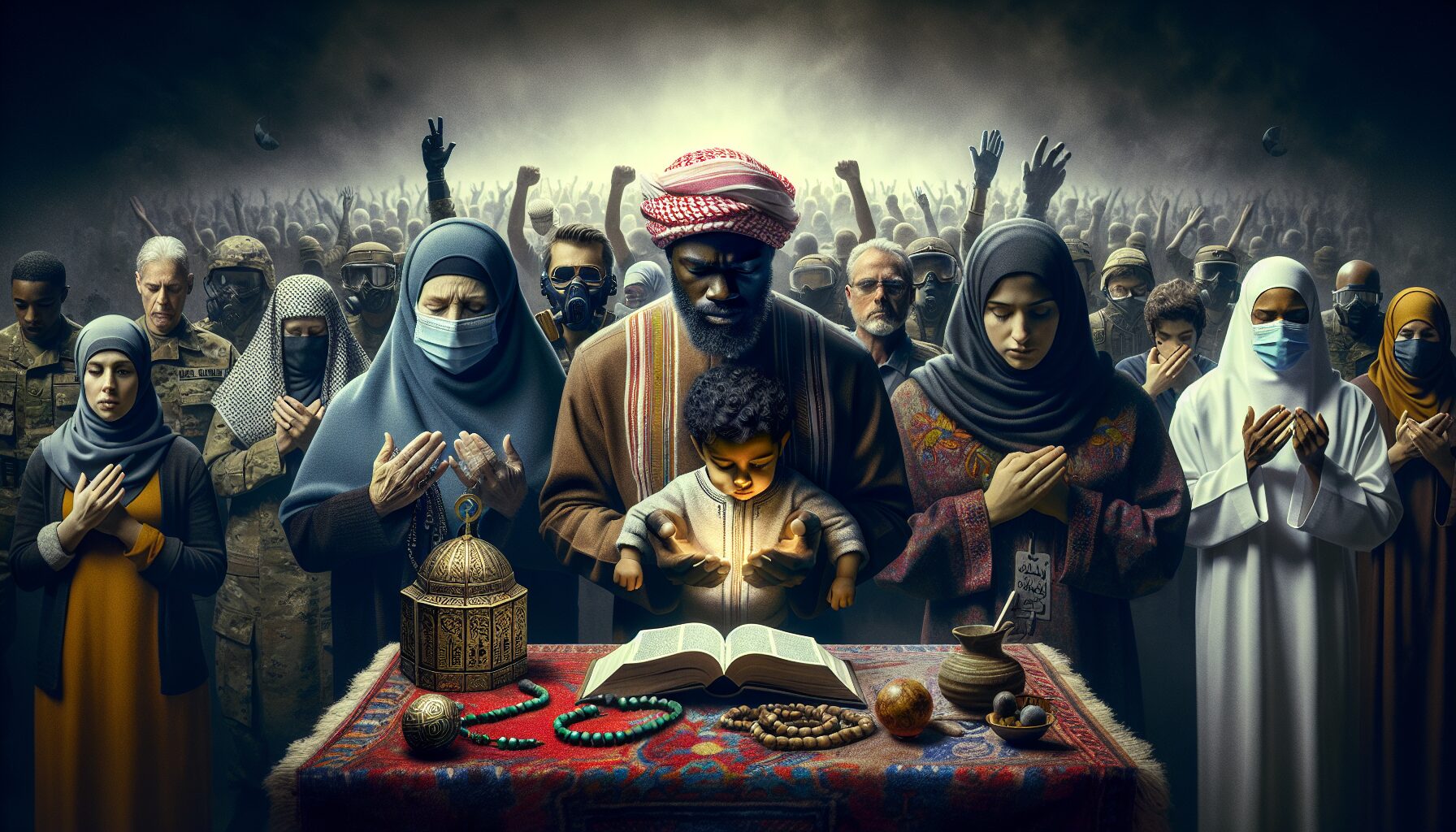
Faith Under Quarantine: Emergency Powers and Belief Suppression
As the world grappled with the unprecedented challenges posed by the COVID-19 pandemic, sweeping changes were adopted globally to curb the spread of the virus. Governments enacted emergency powers that, although deemed necessary for public safety, challenged the balance between health protocols and fundamental freedoms, including the freedom of religion.
Churches, Mosques, and Synagogues: The Silent Struggle
During the height of the pandemic, places of worship were forced to close their doors in multiple countries. This move, while intended to align with public health measures, ignited debates over whether such actions severely encroached on religious freedoms. In the United States, the Supreme Court ruled in South Bay United Pentecostal Church v. Newsom that states could not treat religious institutions more harshly than secular businesses.” As Chief Justice John Roberts opined, “The Constitution principally entrusts ‘[t]he safety and the health of the people’ to the ‘politically accountable officials of the States.’” (Source: Supreme Court Opinion).
Temporary Measures or Lasting Impact?
While many governments insisted that restrictions on religious gatherings were temporary, the prolonged nature of these bans raised concerns about the potential for lasting impacts on religious communities. In some nations, the pandemic became a pretext for previously unprecedented restrictions on religious practices.
“We had not witnessed such thorough surveillance of faith communities in recent times,” said Sarah Snyder, a senior Policy Analyst at the Freedom of Belief Foundation. “What began as temporary health measures morphed into sustained restrictions with little clarity on their eventual relaxation.” (Source: Freedom of Belief Foundation).
The Resilience of Faith Communities
Despite these challenges, many faith communities demonstrated remarkable resilience and adaptability. Virtual services, online prayer meetings, and digital community outreach became the new norm. As reported by Reuters, “The Vatican embraced technology at an unparalleled rate, streaming papal masses and even allowing virtual pilgrimages.” (Source: Reuters).
Nevertheless, questions remain about the potential for authorities to use health crises as a cover for belief suppression. It is critical that policy-makers worldwide reflect on the impact of these emergency measures, ensuring they do not set dangerous precedents for the future.
As the world begins to recover from the pandemic, the question of how to balance public health with religious freedoms remains critical and highly debated. The legacy of faith under quarantine may influence the frameworks of governance, freedoms, and faith for generations to come.