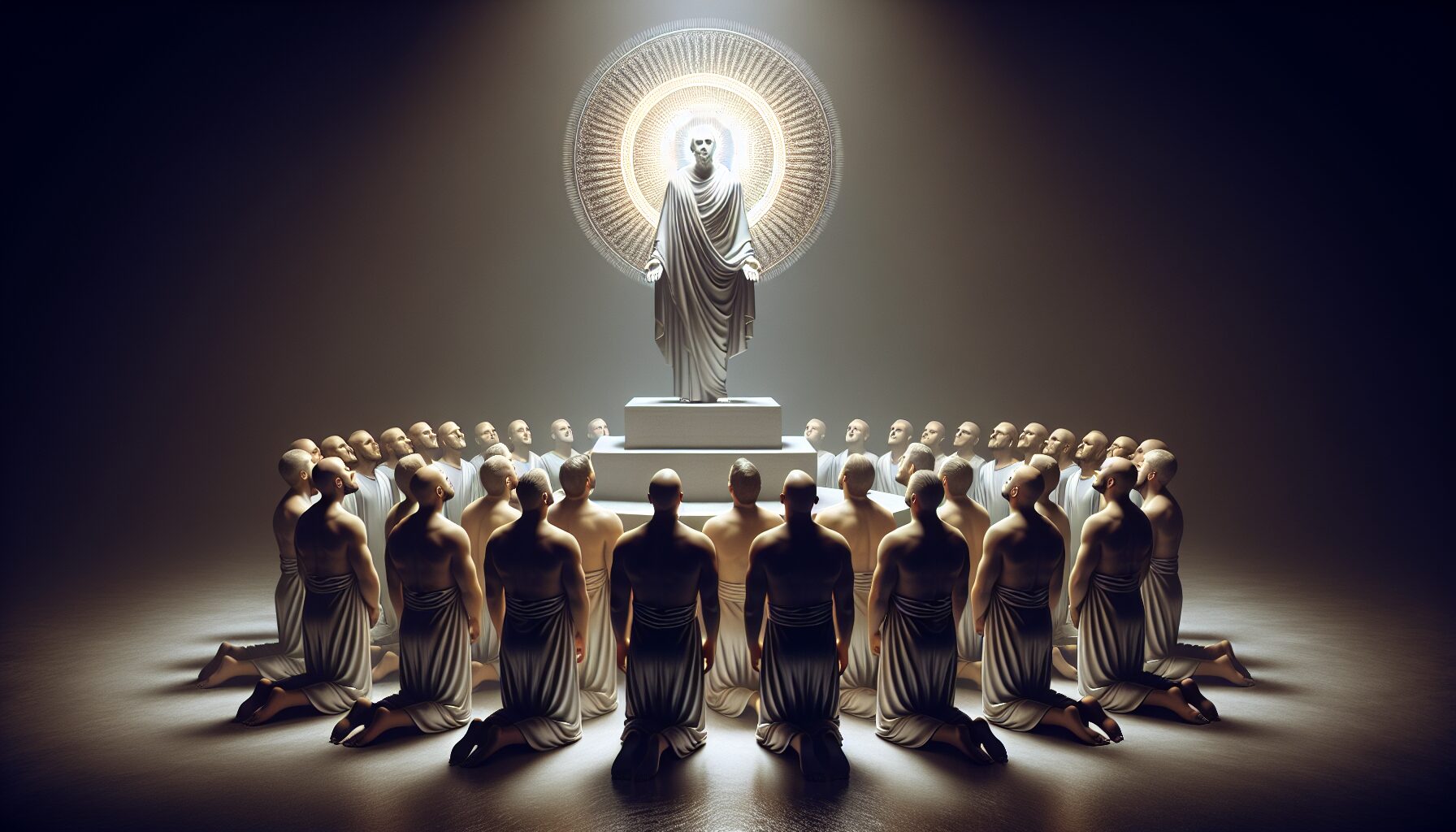
In a world increasingly focused on personal growth and spiritual journeys, the rise of “spiritual narcissism” is a concern for both followers and critics of new age movements. This phenomenon often manifests when leaders of spiritual groups, or those claiming enlightenment, demand unwavering devotion and admiration from their followers.
Understanding Spiritual Narcissism
Spiritual narcissism is a term used to describe the ego-driven behavior of individuals who exploit their supposed spiritual enlightenment to gain authority or admiration. Unlike traditional narcissism, which might center on material wealth or physical appearance, spiritual narcissism is often cloaked in a veil of wisdom, peace, and benevolence.
“Spiritual narcissism can arise when our spiritual ‘insight’ becomes both an identity and a destination, rather than an ongoing practice of acceptance and humility,” explains Dr. Craig Malkin, a clinical psychologist and lecturer at Harvard University.
The allure of spiritual teachings can be magnetic. They promise personal growth, connection to something greater than oneself, and newfound purpose. However, within this search for meaning lies a vulnerability that some leaders exploit, using charisma and perceived wisdom to manipulate followers.
Signs of a Spiritually Narcissistic Leader
- Demands for Absolute Devotion: Such leaders often insist that their followers place them above all else, sometimes even severing ties with friends and family who do not conform to the same beliefs.
- Claim of Exclusive Knowledge: They may assert that they possess a unique understanding of the universe that others do not, thus justifying their elevated status.
- Manipulation Tactics: Techniques such as gaslighting or guilt-tripping are used to discourage criticism and maintain control over group members.
- Lack of Accountability: These leaders often deflect any form of criticism or questioning, portraying dissenters as spiritually deficient or unenlightened.
The Impact on Followers
For followers, being part of such groups can be both emotionally and psychologically taxing. The pressure to uphold the leader’s demands can lead to feelings of isolation, anxiety, and the abandonment of one’s personal values. “The problem with spiritual narcissism is that it uses spirituality as a means to bolster the ego rather than dismantle it,” notes Meggan Watterson, an author known for her work on integrating the human experience with the spiritual.
Despite the challenges, awareness of spiritual narcissism is growing. As people become more discerning in their spiritual pursuits, they learn to recognize the red flags of leaders who prioritize self-glorification over genuine guidance and support. By focusing on authenticity and grounded spiritual practices, followers can protect themselves from the pitfalls of spiritual narcissism.