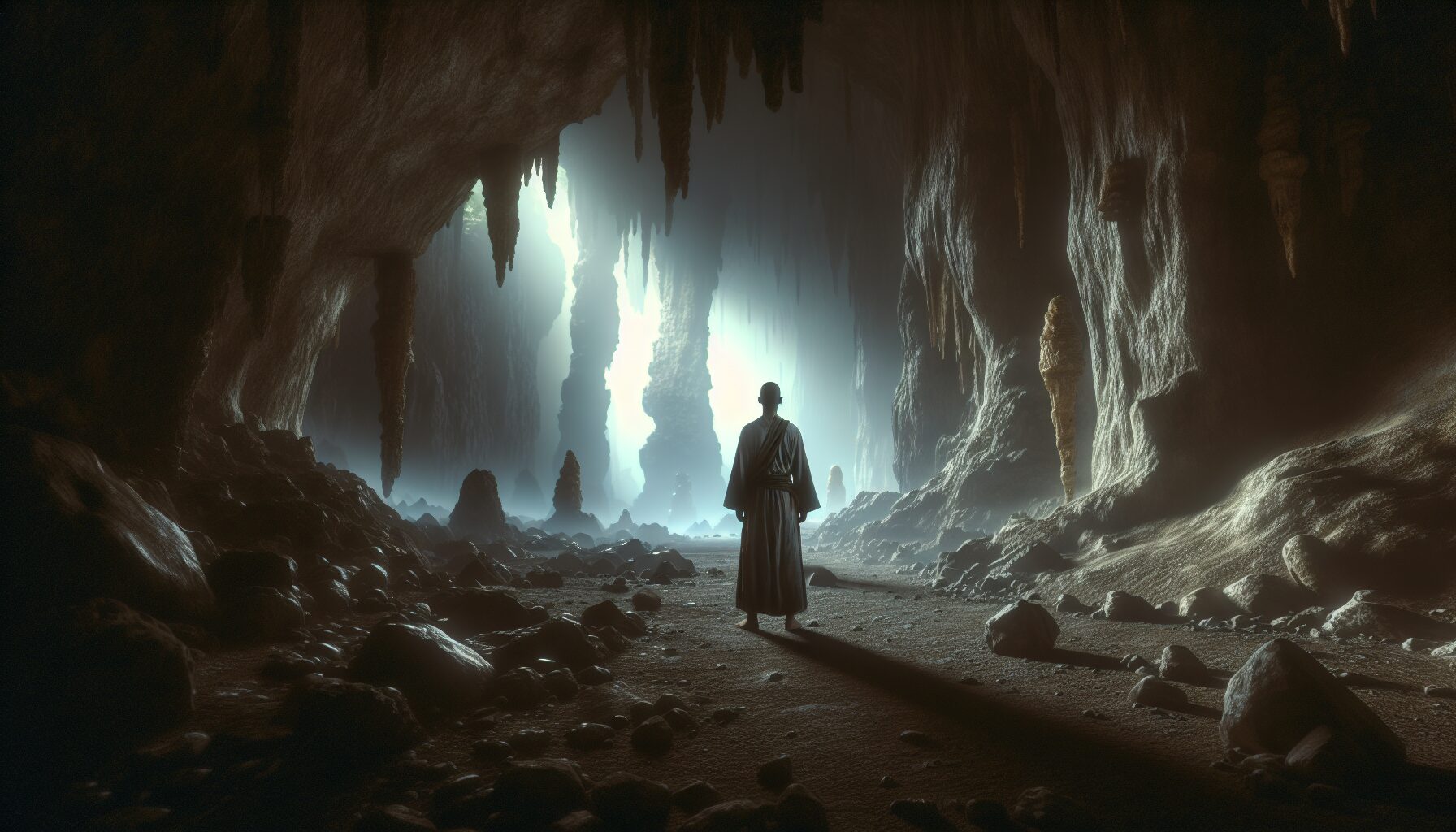
The metaphor of a cave has long been used to symbolize adversity, darkness, and the unknown challenges that one might face on their spiritual journey. In moments where we feel trapped or overwhelmed by life’s pressures, the concept of showing courage and resilience becomes essential. This article explores the profound idea of spiritual resilience under pressure and how one can cultivate it in their own life.
The Symbolism of the Cave
The cave is a powerful symbol found in various spiritual and philosophical traditions. It represents the unknown, fear, and the inner self. It is a place where one must confront their deepest fears and emerge transformed.
“One has to accept pain as a condition of existence.”
This quote encapsulates the idea of the cave. When life pressures us, we may feel trapped in a cave of our circumstances, but it is essential to understand that the cave is also a place of learning and transformation.
Courage in Spiritual Traditions
Across various spiritual traditions, courage is a celebrated virtue. Here are some insights on courage:
- Buddhism: Courage in Buddhism is about facing the truth of life, which includes suffering. The courage to accept the impermanence of all things is central to Buddhist practice.
- Christianity: In Christianity, courage is depicted in the stories of martyrs and saints who remained steadfast in their faith despite persecution. As Joshua 1:9 (NIV) states, “Be strong and courageous. Do not be afraid; do not be discouraged, for the Lord your God will be with you wherever you go.”
- Hinduism: The Bhagavad Gita is a dialogue that exemplifies courage in the face of overwhelming adversity. Arjuna, the warrior prince, is counseled by Lord Krishna to perform his duties with unwavering determination.
Building Spiritual Resilience
Resilience is the ability to recover from challenges and difficulties. When infused with a spiritual dimension, resilience becomes a profound source of strength and guidance. Here are some practices to build spiritual resilience:
Meditation
Meditation is a practice that helps individuals center themselves and find peace amid chaos. It allows one to reflect on their inner world, providing the clarity needed to face external challenges.
Prayer
For many, prayer is a source of strength. It is a call for divine assistance and an acknowledgment of forces greater than oneself. Through prayer, one can find solace and guidance, allowing resilience to take root.
Community Support
Being part of a spiritual community can offer immense support during times of trial. Sharing experiences and drawing strength from collective faith can enhance individual resilience.
Stories of Courage in the Cave
Throughout history, there are countless stories of individuals who have demonstrated spiritual resilience. Here are a few inspiring examples:
- Nelson Mandela: Incarcerated for 27 years, Mandela emerged from his ‘cave’ with a message of reconciliation and forgiveness, embodying spiritual fortitude and resilience.
- Helen Keller: Despite the loss of sight and hearing, Keller showed immense resilience, ultimately becoming an author, activist, and lecturer. Her story is a testament to inner strength and courage.
- Nagarjuna: An Indian philosopher who, through his profound meditations and insights, emerged as a major figure in Mahayana Buddhism, teaching the courage to see emptiness as the ultimate reality.
The Transformation Beyond the Cave
The cave also represents transformation. Just as darkness precedes dawn, the challenges and pressures of life often precede profound personal and spiritual growth. Emerging from the cave signifies not only surviving trials but thriving because of them.
“The wound is the place where the Light enters you.”
This quote from Rumi beautifully captures the essence of spiritual resilience. The challenges we face are not just obstacles; they can be the very catalysts of our spiritual enlightenment and courage.
Conclusion
Courage in the cave is about embracing the place of adversity and finding within it the strength to transform. It’s about understanding that life’s pressures are not merely to be endured but can serve as profound avenues for growth. Through meditation, prayer, community support, and drawing inspiration from those who have walked similar paths, one can cultivate a resilience that not only withstands the storm but is strengthened by it.
In our own lives, let us learn to recognize our caves, face them with courage, and emerge from them with newfound wisdom and strength.