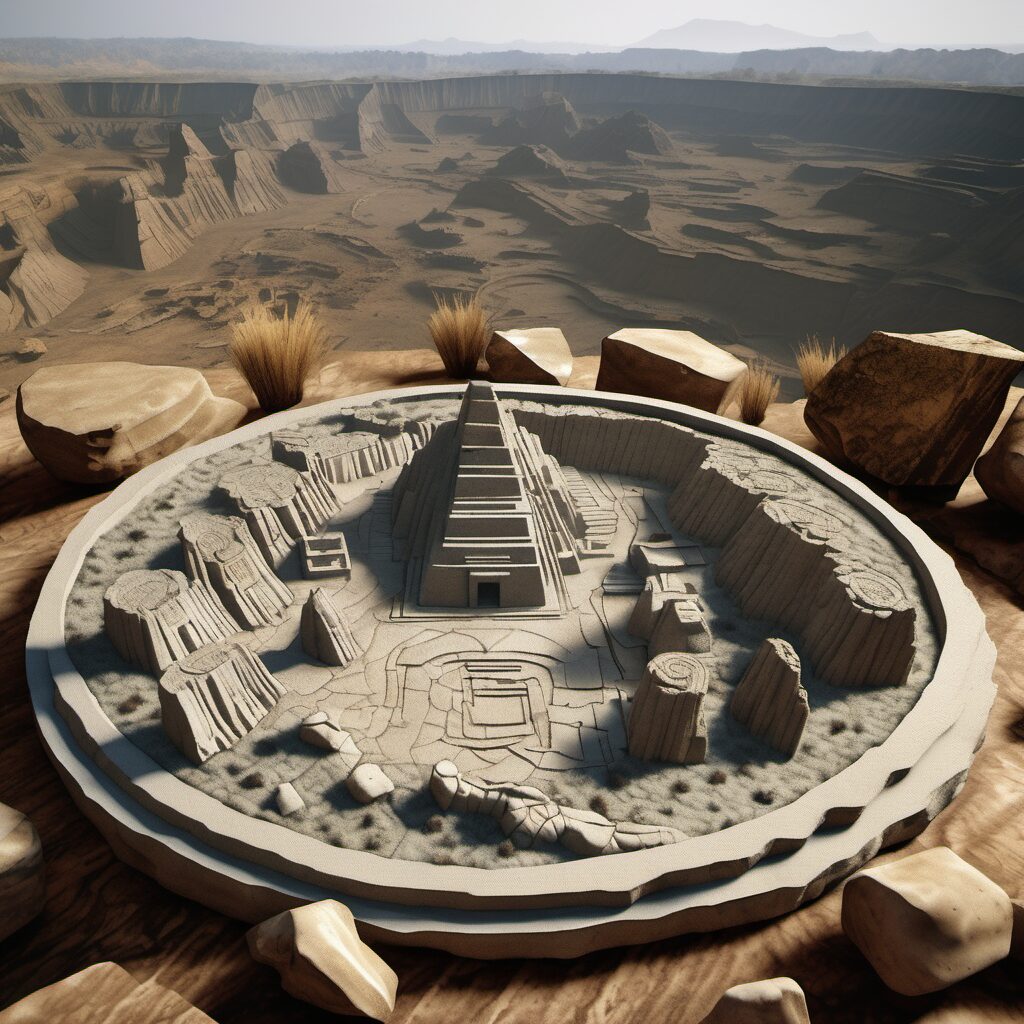
Digital Archaeology: Finding the Missing Pieces of the Cultural Revolution
“As we delve deeper into the digital world, a new form of archaeology is emerging. One that uncovers lost artifacts not buried under sands but hidden in hard drives.” – Unknown
In the realm of history, the Cultural Revolution (1966-1976) remains a pivotal period for China. However, due to the suppression and destruction of cultural artifacts during this tumultuous era, many historical records and personal stories remain lost or inaccessible.
The Digital Shift
With the advent of digital technology, historians now have a new tool to uncover these missing pieces. This approach, known as ‘Digital Archaeology,’ leverages AI and machine learning algorithms to analyze and interpret vast amounts of digital data, much like traditional archaeologists sift through layers of soil.
Unearthing the Past
Recently, researchers at Tsinghua University have been using OCR (Optical Character Recognition) and other digital tools to analyze old newspapers, books, and photographs from the Cultural Revolution. They have successfully uncovered previously unknown aspects of this period, providing a deeper understanding of its events and impact.
“The potential of digital technology is immense. We are now able to access information that was once thought lost or inaccessible.” – Prof. Li Xiaobing, Tsinghua University
- Nature – Digitising China’s Cultural Revolution
- Asian Correspondent – Digging up China’s Cultural Revolution through digital archaeology
Leave a Reply
You must be logged in to post a comment.