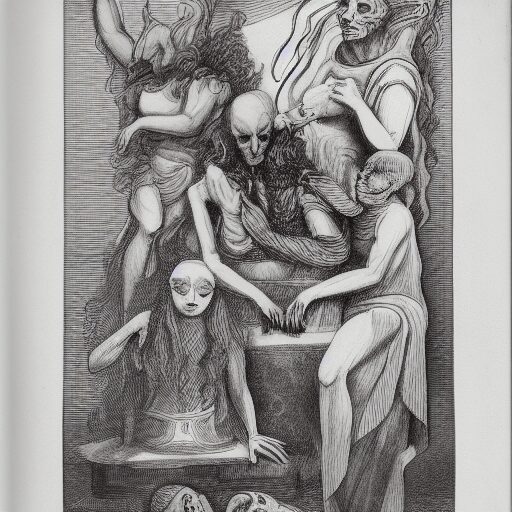
Mechanics of a Witch Hunt – Deconstructing the Anatomy of a Moral Panic
A moral panic is a widespread fear or anxiety about a perceived threat, often fueled by sensationalized media coverage and societal unease. In this article, we’ll delve into the mechanics of a witch hunt, exploring how these panics emerge, evolve, and ultimately subside.
- The Emergence of Fear**: Moral panics typically begin with a perceived threat that resonates with a specific group or community. This threat can be real or imagined, but it’s often exaggerated or distorted through social media, news outlets, or influential voices.
- “Fear is a powerful motivator, and when people are scared, they tend to look for scapegoats,” says Dr. Lee Anne Bellar, a sociologist who has studied moral panics. “Witch hunts often target marginalized groups, as they’re seen as easy targets or ‘other’.”
- Sensationalized Media Coverage**: The media plays a crucial role in amplifying fears and concerns, often using sensationalized headlines and provocative imagery to grab attention. This can create a self-reinforcing cycle of fear-mongering, as the public becomes increasingly anxious.
- “The media has a responsibility to report on important issues, but they also have a responsibility to be accurate and nuanced,” notes Dr. Bellar. “When they’re not, it can lead to the perpetuation of harmful stereotypes and the demonization of entire groups.”
The Anatomy of a Moral Panic
A moral panic typically follows a predictable pattern:
- Initial Fear: The perceived threat is introduced, and fears begin to spread.
- Gathering Momentum: As the fear grows, more people become invested in the issue, often through social media or grassroots movements.
- Scapegoating: A target group is identified as responsible for the perceived problem, and they’re vilified by society.
- Punitive Measures: The target group faces consequences, such as increased surveillance, restrictions, or even persecution.
Ultimately, moral panics tend to subside when the perceived threat dissipates, new information emerges, or societal attitudes shift. However, the damage can be lasting:
“The legacy of a witch hunt can linger long after the initial panic has passed,” notes Dr. Bellar. “We must be vigilant in promoting empathy and understanding to prevent these panics from occurring in the first place.”
Learn more about moral panics and their consequences by reading the following resources:
- Pew Research Center: Moral Panic and the Rise of Right-Wing Authoritarianism
- The Atlantic: The Rise of Moral Panic