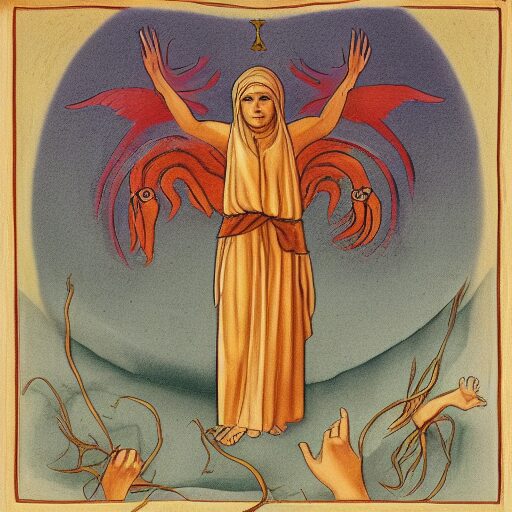
Borders of Belief – The Plight of the Spiritual Refugee
The world is home to an estimated 25 million refugees, forced from their homes due to war, persecution, or natural disasters. However, there exists a lesser-known group of individuals who are equally displaced yet often go unnoticed: spiritual refugees.
These individuals have left behind their traditional beliefs and are now searching for a new faith or spiritual path that resonates with them. They find themselves at the borders of belief, navigating a vast landscape of options and seeking a sense of belonging and meaning.
A Shift in Belief
“We used to be very devout in our old faith,” says Maria, a 35-year-old woman who fled her home country after her church was persecuted. “But as we experienced more and more hardship, we started to question the teachings. We wanted something that spoke to us on a deeper level.”
Maria’s story is not unique. Many spiritual refugees have left behind their childhood faiths in search of something new. Some may find solace in Western spirituality, while others may turn to Eastern philosophies or indigenous practices.
- Seeking Community: Spiritual refugees often struggle to find like-minded individuals who share their beliefs and values.
- Finding Purpose: They seek a sense of purpose and meaning in their lives, which can be challenging without a strong spiritual foundation.
- Dealing with Doubt: Leaving behind a traditional faith can leave individuals feeling lost and uncertain about their beliefs.
- Navigating Cultural Differences: Spiritual refugees may face cultural or linguistic barriers as they explore new spiritual paths.
“I used to think that spirituality was something you found in church. But now I realize it’s everywhere – in nature, in art, in people.” – Rachel, a 28-year-old woman who has been exploring various spiritual practices since leaving her home country.
As spiritual refugees navigate the vast and complex landscape of belief, they may find solace in online communities, spiritual retreats, or local mosques. However, this journey is not without its challenges.
A Path Forward
While the journey of a spiritual refugee can be difficult, there are steps that can be taken to ease their transition:
* Support organizations that provide resources and community for refugees seeking spiritual guidance.
* Encourage interfaith dialogue and understanding between different religious groups.
* Foster a culture of openness and acceptance, recognizing that spirituality is a personal and individual journey.
As we explore the borders of belief, it becomes clear that the plight of the spiritual refugee is one of both challenge and opportunity. By acknowledging their struggles and offering support, we can help these individuals find a sense of belonging and meaning in their new home.
Note: The article’s purpose is to raise awareness about the spiritual refugees’ plight, not to promote or criticize any specific faith or belief system.